Dementia Doctor: Which Specialist Should You See for Memory and Behavior Changes?

Memory and behavior changes should be assessed by a qualified doctor rather than assumed to be normal aging. A dementia doctor may be a neurologist, geriatrician, psychiatrist, or memory clinic team.
Key Takeaways
- Memory and behavior changes should be assessed by a qualified doctor rather than assumed to be normal aging.
- A dementia doctor may be a neurologist, geriatrician, psychiatrist, or memory clinic team.
- Many conditions besides dementia can cause confusion, forgetfulness, or personality changes, including depression, medication effects, thyroid problems, and vitamin deficiencies.
- Diagnosis usually includes history, cognitive testing, physical and neurological examination, blood tests, and sometimes brain imaging.
- Early evaluation can help identify treatable causes, improve safety, and support long-term planning for the patient and family.
A dementia doctor is not always a single type of specialist. Depending on symptoms, a person with memory or behavior changes may benefit from evaluation by a neurologist, geriatrician, psychiatrist, or a team that works together to find the cause and plan care.
Overview: What Is a Dementia Doctor?
The phrase dementia doctor usually refers to a physician with expertise in evaluating memory loss, thinking problems, and changes in behavior or personality. There is no single specialty called “dementia medicine.” Instead, several types of specialists may diagnose dementia, look for reversible causes, and help guide treatment and long-term care.
In many cases, the first step is a visit with a primary care doctor, who can rule out common medical causes of memory problems and arrange referrals. If symptoms are more complex, progressive, or unusual, the person may be referred to a neurologist, especially one focused on aging and cognition, or to a geriatrician who specializes in the health needs of older adults.
Other experts may also be involved. A psychiatrist can help when mood changes, hallucinations, anxiety, agitation, or major behavioral symptoms are present. A neuropsychologist may perform detailed testing of memory, language, attention, and problem-solving. In some hospitals, a dedicated memory clinic brings these professionals together to provide a more complete evaluation.
The most important point is that noticeable memory or behavior changes deserve medical attention. Early assessment can identify conditions that are treatable, clarify whether symptoms fit dementia or another disorder, and help families understand what support is needed.
Which Specialist Should You See First?
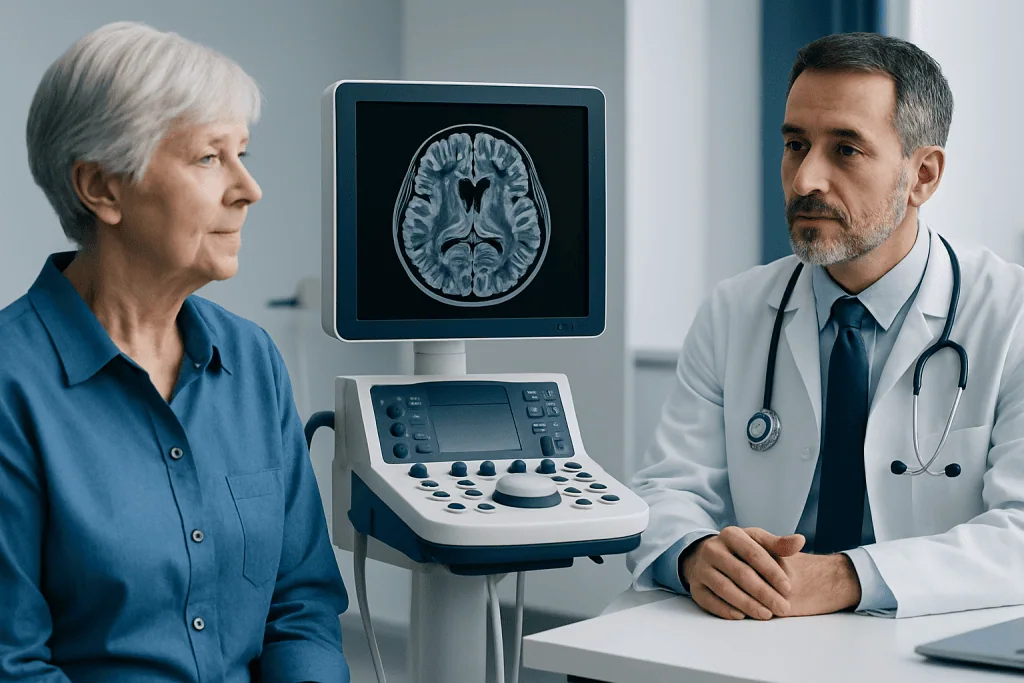
The best starting point depends on the person’s age, symptoms, general health, and how quickly the changes appeared. For many people, the primary care physician is the first doctor to see. This doctor can review medications, ask about the timeline of symptoms, check for infections or metabolic problems, and decide whether specialist care is needed.
A neurologist is often the right choice when memory loss is progressing, daily functioning is declining, or there are other nervous system symptoms such as tremor, gait problems, speech changes, weakness, or seizures. Neurologists are trained to distinguish different brain-related causes of cognitive decline and may organize imaging or other neurological tests.
A geriatrician can be especially helpful for older adults with multiple health conditions, frailty, falls, sleep problems, or medication-related concerns. Because dementia symptoms often overlap with other age-related issues, geriatricians are well placed to look at the whole person rather than memory alone.
A psychiatrist may be most helpful when behavioral and emotional changes are prominent. For example, severe depression can look like memory loss, and some people with dementia first come to attention because of paranoia, agitation, or major changes in social behavior. When available, a multidisciplinary memory clinic can provide coordinated assessment with neurology, geriatrics, psychiatry, and cognitive testing.
Symptoms That Should Prompt an Evaluation

Everyone forgets things sometimes, and occasional lapses do not always mean dementia. However, a medical evaluation is important when changes are persistent, worsening, or interfering with daily life. Families often notice that the person is repeating questions, misplacing items frequently, missing appointments, or struggling with tasks they once managed easily.
Behavior and personality changes can be just as important as memory symptoms. A usually calm person may become suspicious or irritable. Someone who was highly organized may begin making poor financial decisions, neglect personal hygiene, or lose interest in hobbies and social contact. These changes can be subtle at first but still deserve attention.
Warning signs may include:
- Increasing forgetfulness that affects work, home tasks, or safety
- Difficulty finding words or following conversations
- Problems managing money, medications, or driving
- Confusion about time, place, or familiar routes
- Noticeable mood, personality, or behavior changes
- Hallucinations, delusions, or sudden suspiciousness
- Trouble with judgment, planning, or problem-solving
Sudden confusion, rapid decline, new weakness, severe headache, fever, or altered consciousness should not be treated as routine memory loss. These symptoms can point to an urgent medical problem such as delirium, stroke, infection, or medication toxicity and need prompt medical care.
What Can Cause Memory and Behavior Changes?
Dementia is a broad term for a decline in cognitive function serious enough to affect independence. It has several possible causes, including Alzheimer’s disease, vascular dementia, Lewy body dementia, and frontotemporal dementia. Each can affect memory, language, judgment, movement, or behavior in somewhat different ways.
Importantly, not every person with memory problems has dementia. Some conditions are potentially reversible or manageable. Depression, anxiety, sleep apnea, thyroid disease, vitamin B12 deficiency, dehydration, hearing loss, medication side effects, alcohol misuse, and infections can all affect memory and concentration. Older adults may also develop delirium, a sudden state of confusion often triggered by illness or medications.
A specialist helps sort through these possibilities by looking at the pattern of symptoms, how quickly they developed, and what other signs are present. For example, vascular risk factors such as high blood pressure, diabetes, and prior strokes may raise concern for vascular cognitive impairment. Early behavior or language changes may suggest a different pattern than memory-predominant Alzheimer’s disease.
In some patients, the evaluation also considers related conditions such as Parkinson’s disease or other neurological disorders that can affect thinking and behavior. This is one reason specialist input can be valuable, especially when symptoms do not fit a typical pattern.
How a Dementia Diagnosis Is Made
Diagnosing dementia usually starts with a detailed medical history. The doctor asks the patient and a family member or close friend when the symptoms began, how they have changed over time, and which daily activities are becoming difficult. Information from someone who knows the patient well is often very helpful because the person affected may not fully notice the changes.
The evaluation generally includes a physical examination and a neurological examination. The doctor may check reflexes, balance, movement, speech, vision, and coordination, as well as signs of other medical conditions. Brief cognitive screening tests can assess memory, attention, language, and executive function. If needed, more detailed neuropsychological testing may be arranged.
Blood tests are commonly used to look for treatable contributors such as thyroid problems, vitamin deficiencies, infection, or metabolic imbalance. Brain imaging, often with MRI or CT, may help identify strokes, bleeding, tumors, <a href="https://acibademinternational.com/diseases/normal-pressure-hydrocephalus/”>normal pressure hydrocephalus, or patterns of brain shrinkage associated with different dementias. In selected situations, more specialized imaging or additional tests may be recommended.
The goal is not only to confirm whether dementia is present, but also to identify the likely type and rule out other explanations. If there is concern about structural or vascular causes, a doctor may recommend MRI scanning or other imaging as part of a broader assessment plan.
Treatment Options and Ongoing Care
Treatment depends on the cause of symptoms. If the problem is linked to medication side effects, sleep problems, vitamin deficiency, depression, or another medical disorder, addressing that issue may improve cognition or slow further decline. When a person is diagnosed with dementia, treatment usually focuses on symptom management, preserving daily function, supporting safety, and helping caregivers cope with the changes ahead.
For some types of dementia, doctors may prescribe medications that can help with memory, attention, or behavior in selected patients. These medicines do not cure dementia, but they may provide meaningful benefit for some people. Behavioral symptoms such as agitation, anxiety, sleep disturbance, or hallucinations are treated carefully, often starting with non-drug approaches because older adults can be sensitive to side effects.
Non-medication care is essential. This may include structured routines, exercise as tolerated, hearing and vision support, sleep improvement, fall prevention, home safety changes, and cognitive stimulation. Speech and language therapy, occupational therapy, or support for swallowing and mobility may also be useful depending on the person’s needs.
Specialist care can also help families understand whether symptoms are part of Alzheimer’s disease or another process such as Alzheimer’s disease. In more complex cases, teams may use additional neurological assessment and, when appropriate, neurology evaluation to guide diagnosis and management.
Preparing for the Appointment and Supporting Daily Life
Families can make a dementia evaluation more productive by preparing beforehand. It helps to bring a list of symptoms, when they started, how often they happen, and examples of how they affect daily life. A complete medication list, including over-the-counter products and supplements, is also important because many substances can affect attention or memory.
Questions to ask may include what conditions are being considered, which tests are needed, whether driving is still safe, and what changes should be made at home. It is also reasonable to ask how often follow-up visits are needed and whether the person should see a neurologist, geriatrician, psychiatrist, or another specialist.
Daily support often begins with simple steps: keeping a regular routine, using calendars or reminders, simplifying tasks, and reducing hazards at home. Caregivers may need guidance on communication strategies, stress management, and respite support. Early planning around legal, financial, and future care decisions can reduce stress later.
Near the end of the diagnostic process or during follow-up, some families seek care in centers with multidisciplinary expertise. Acibadem International’s specialists in neurology, geriatrics, psychiatry, and imaging work in JCI-accredited hospitals to diagnose and treat cognitive disorders for international patients when this type of coordinated care is needed.
When to See a Doctor Urgently
Not all confusion is dementia, and some symptoms require urgent medical attention. Families should seek prompt care if memory or behavior changes come on suddenly over hours or days, especially if the person also has fever, dehydration, drowsiness, weakness, slurred speech, chest pain, or trouble breathing. These may signal delirium, stroke, infection, or another acute illness.
Urgent assessment is also important when there are safety concerns. Examples include getting lost in familiar places, leaving the stove on, medication mistakes, falling repeatedly, wandering, or aggressive behavior that puts the person or others at risk. Hallucinations or severe agitation should also be discussed with a doctor quickly.
If symptoms are gradual rather than sudden, it is still wise not to wait too long. Earlier evaluation can reveal treatable causes, support better planning, and help the patient stay independent for longer where possible. Families do not need to wait until symptoms become severe before asking for help.
When the cause is unclear or the symptoms are affecting more than one area of health, coordinated specialist input can be useful. Depending on the person’s needs, that may include geriatric medicine, psychiatry, and brain and neurosciences care alongside primary medical follow-up.
Frequently asked questions
What kind of doctor diagnoses dementia?
Several types of doctors can diagnose dementia. These include primary care physicians, neurologists, geriatricians, and psychiatrists, often supported by neuropsychologists and imaging specialists. The right choice depends on the person’s symptoms and overall health.
Should a person with memory loss see a neurologist or a psychiatrist?
A neurologist is often helpful when memory loss is progressive or occurs with other neurological symptoms such as gait changes, tremor, or speech problems. A psychiatrist may be especially helpful when depression, hallucinations, severe anxiety, agitation, or major personality changes are present. In many cases, both specialists may contribute to care.
Is memory loss always a sign of dementia?
No. Memory loss can also be caused by depression, sleep problems, medication effects, thyroid disease, vitamin deficiencies, infections, hearing loss, and other medical conditions. That is why a proper medical evaluation is important.
What tests are usually done for suspected dementia?
Doctors usually begin with a medical history, physical and neurological examination, and brief cognitive testing. Blood tests are often ordered to check for treatable causes, and brain imaging such as MRI or CT may be used when needed. Some people also have more detailed neuropsychological testing.
When should families worry about behavior changes in an older adult?
Families should arrange medical assessment when behavior changes are new, persistent, worsening, or affecting safety and daily life. Examples include increasing confusion, suspiciousness, poor judgment, wandering, neglect of hygiene, or difficulty managing medications and finances. Sudden changes need urgent medical attention.
Can dementia be treated?
Treatment depends on the cause. Some conditions that mimic dementia are treatable, and for confirmed dementia, treatment focuses on managing symptoms, supporting function, improving safety, and helping caregivers. While many forms of dementia are not curable, early care can still make a meaningful difference.
References
- World Health Organization
- National Institute on Aging
- Alzheimer's Association
- American Academy of Neurology
- National Health Service
This article is for general information only and is not a substitute for professional medical advice. Please consult a qualified doctor about your individual situation.
Dementia in Turkey — costs, top hospitals & a free quote
JCI-accredited · board-certified surgeons · reply within 24h
Add us as a Preferred Source to see more of our trusted health content across Google Search, AI Overviews and Discover.

Neurology
Diagnosis and treatment of disorders of the brain, spinal cord, nerves and muscles.
51 specialists in this unit