Dementia: Types, Warning Signs, and Medical Evaluation

Dementia is not a normal part of aging, although the risk increases with age. Warning signs may include memory loss, language difficulty, personality changes, poor judgment, and trouble managing daily tasks.
Key Takeaways
- Dementia is not a normal part of aging, although the risk increases with age.
- Warning signs may include memory loss, language difficulty, personality changes, poor judgment, and trouble managing daily tasks.
- Alzheimer's disease is the most common cause, but vascular dementia, Lewy body dementia, frontotemporal dementia, and mixed dementia are also important types.
- Diagnosis usually combines a medical history, cognitive testing, physical and neurological examination, blood tests, and brain imaging.
- Some causes of confusion or memory problems are treatable, so new or worsening symptoms should be assessed by a qualified doctor.
- Treatment focuses on the underlying cause, symptom management, safety, caregiver support, and maintaining quality of life.
Dementia describes a group of conditions that affect memory, thinking, behavior, and daily independence. A timely medical evaluation can help identify the type of dementia, uncover treatable contributors, and plan appropriate care.
Overview
Dementia is an umbrella term for a decline in thinking abilities that is significant enough to interfere with everyday life. It can affect memory, attention, language, problem-solving, judgment, visual-spatial skills, mood, behavior, and the ability to carry out familiar activities. Dementia is a clinical syndrome, meaning it describes a pattern of symptoms rather than one single disease.
Occasional forgetfulness can happen to anyone, especially during stress, poor sleep, or illness. Dementia is different because symptoms are persistent, progressive in many cases, and begin to affect independence. A person may repeat questions, miss appointments, get lost in familiar places, struggle with finances or medications, or show changes in personality that family members notice.
Although dementia is more common in older adults, it is not considered a normal part of aging. Early medical evaluation is important because some conditions that look like dementia, such as medication side effects, thyroid problems, vitamin deficiencies, depression, sleep disorders, infections, or delirium, may improve with treatment. Even when dementia is due to a progressive brain disorder, diagnosis helps families plan care, improve safety, and access support.
Types of Dementia
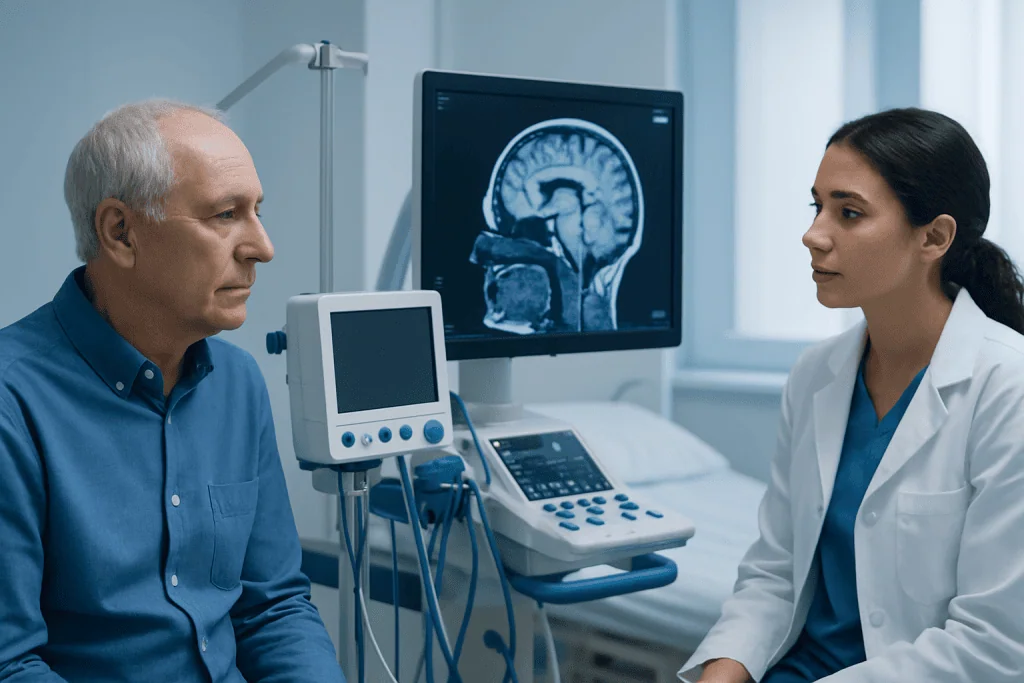
Alzheimer’s disease is the most common cause of dementia. It usually begins gradually, often with short-term memory problems, difficulty learning new information, and later changes in language, orientation, and daily functioning. Brain changes associated with Alzheimer’s disease include abnormal protein deposits and loss of communication between nerve cells.
Vascular dementia occurs when blood flow to parts of the brain is reduced or interrupted, often after strokes or due to small vessel disease. Symptoms may appear suddenly after a stroke or progress stepwise over time. People may have slowed thinking, difficulty planning, reduced attention, walking changes, or mood symptoms, and they often have risk factors such as high blood pressure, diabetes, high cholesterol, or heart disease.
Lewy body dementia is associated with abnormal protein deposits called Lewy bodies. It may cause fluctuating alertness, visual hallucinations, sleep behaviors such as acting out dreams, movement symptoms similar to Parkinson’s disease, and sensitivity to certain medications. Frontotemporal dementia more often affects people at a younger age than other dementias and may cause early changes in personality, social behavior, decision-making, or language.
Many people have mixed dementia, meaning more than one brain process contributes to symptoms, such as Alzheimer’s disease combined with vascular changes. Other causes include Parkinson’s disease dementia, dementia related to traumatic brain injury, alcohol-related brain damage, Huntington’s disease, normal pressure hydrocephalus, and rare infections or inflammatory disorders. Identifying the likely type helps guide treatment and counseling.
Warning Signs and Symptoms

Dementia symptoms vary depending on the area of the brain affected and the underlying cause. Memory problems are common, but dementia is not only memory loss. Some people first develop difficulty finding words, following conversations, solving problems, recognizing objects, navigating familiar routes, managing emotions, or completing tasks that were once routine.
Common warning signs include:
- Repeating the same questions or stories without realizing it
- Forgetting recent events, appointments, or where items were placed
- Difficulty managing money, medications, cooking, shopping, or work tasks
- Getting lost in familiar neighborhoods or becoming confused about time or place
- Problems with language, such as struggling to name objects or follow instructions
- Changes in judgment, such as unsafe driving, financial mistakes, or increased vulnerability to scams
- Personality or behavior changes, including apathy, irritability, anxiety, suspicion, or social withdrawal
Some symptoms require urgent attention. Sudden confusion, new weakness, trouble speaking, severe headache, fever, a fall with head injury, or rapid changes in alertness may suggest stroke, infection, medication toxicity, dehydration, or another acute condition rather than typical dementia progression. These situations should be assessed promptly.
Causes and Risk Factors
Dementia develops when brain cells are damaged and communication between them is disrupted. The cause may involve abnormal proteins, reduced blood flow, inflammation, injury, genetic conditions, or a combination of factors. In many cases, dementia develops slowly over years before symptoms become obvious.
Age is the strongest known risk factor, but it is not the only one. Family history and certain genetic variants can increase risk, although most dementia is not caused by a single inherited gene. Cardiovascular and metabolic conditions, including high blood pressure, diabetes, high cholesterol, obesity, smoking, and previous stroke, are linked with higher risk, especially for vascular dementia and mixed dementia.
Other factors that may contribute include traumatic brain injury, untreated hearing loss, depression, social isolation, low physical activity, poor sleep, excessive alcohol use, and some chronic neurological conditions. These factors do not mean a person will definitely develop dementia, but they may influence brain health over time. Managing them can support overall health and may reduce risk or slow decline in some people.
Medical Evaluation and Diagnosis
A dementia evaluation begins with a detailed medical history. The doctor usually asks about when symptoms started, how they have changed, which daily activities are affected, medications, alcohol use, sleep, mood, past illnesses, family history, and safety concerns. Input from a family member or close caregiver is often very helpful because the person with symptoms may not notice all changes.
The assessment typically includes a physical and neurological examination and cognitive screening tests. These tests may check memory, attention, language, orientation, drawing, problem-solving, and executive function. More detailed neuropsychological testing may be recommended when symptoms are subtle, the diagnosis is uncertain, the person is younger, or work and legal decisions require careful documentation.
Blood tests are commonly used to look for treatable contributors, such as thyroid disease, vitamin B12 deficiency, anemia, liver or kidney problems, infection, inflammation, or metabolic imbalance. Brain imaging with MRI or CT can identify stroke, tumors, bleeding, hydrocephalus, patterns of brain shrinkage, or other structural causes. In selected cases, specialists may use PET scans, cerebrospinal fluid tests, or newer biomarker tests to support a diagnosis, especially for early or atypical presentations.
Diagnosis is not usually based on one test alone. Doctors combine the symptom pattern, examination, cognitive testing, laboratory findings, imaging, and functional changes. The goal is to identify the most likely cause, determine severity, address reversible factors, and create a care plan that matches the person’s needs and values.
Treatment Options
Treatment depends on the type of dementia, stage of symptoms, general health, and individual goals. Some medications may help with symptoms of Alzheimer’s disease, Lewy body dementia, Parkinson’s disease dementia, or mixed dementia, particularly memory, attention, or daily function. Other medicines may be used carefully for mood, sleep, agitation, hallucinations, or anxiety when non-drug approaches are not enough, but they require medical supervision because older adults may be more sensitive to side effects.
For selected people with early Alzheimer’s disease, disease-modifying anti-amyloid treatments may be discussed in specialist settings. These therapies are not suitable for everyone and require careful diagnostic confirmation, monitoring, and review of potential risks and benefits. A neurologist, geriatrician, or memory clinic can help determine whether such options are appropriate.
Non-medication care is central to dementia treatment. Helpful approaches may include regular routines, simplified tasks, orientation aids, physical activity, occupational therapy, speech and language support, hearing and vision correction, sleep management, and treatment of pain or other medical problems. Caregiver education can reduce stress and improve communication, especially when behavior changes occur.
Safety planning is also important. This may include medication supervision, fall prevention, driving assessment, kitchen safety, financial protections, advance care planning, and support for nutrition and hydration. The care plan should be reviewed over time because needs can change gradually.
Prevention, Self-Care, and Support
Not all dementia can be prevented, but many brain-healthy habits also support heart and general health. Regular physical activity, balanced nutrition, good sleep, not smoking, limiting alcohol, and keeping blood pressure, cholesterol, and diabetes well controlled are sensible long-term measures. Treating hearing loss, staying socially connected, and engaging in mentally stimulating activities may also support cognitive health.
For people already living with dementia, self-care focuses on preserving abilities and reducing frustration. A predictable daily routine, clear labels, calendars, pill organizers, good lighting, and a calm environment can make daily life easier. Families may find it helpful to break tasks into small steps, offer choices without overwhelming the person, and respond to emotions rather than correcting every mistake.
Support is needed for caregivers as well as patients. Caregivers may benefit from education, respite care, counseling, support groups, and practical help with legal, financial, and home-care planning. When international patients need assessment or treatment, Acibadem International can coordinate access to multidisciplinary specialists and JCI-accredited hospitals experienced in neurological evaluation and care.
When to See a Doctor
A doctor should be consulted when memory, thinking, personality, or behavior changes are persistent, worsening, or interfering with everyday activities. Examples include repeated missed bills, medication errors, getting lost, unsafe driving, difficulty working, or family concerns about judgment. Early evaluation gives the person and family more time to understand the condition and make decisions.
Urgent medical care is needed if confusion starts suddenly or is accompanied by symptoms such as weakness on one side, facial drooping, speech difficulty, chest pain, severe headache, fever, fainting, seizure, new severe agitation, or a recent head injury. Sudden confusion is often delirium or another acute medical problem and should not be assumed to be dementia.
Families should also seek medical advice if a person with known dementia develops rapid decline, hallucinations, frequent falls, swallowing problems, unexplained weight loss, major sleep disruption, aggression, or caregiver burnout. These changes may reflect pain, infection, medication effects, depression, or environmental stressors that can often be addressed.
Frequently asked questions
Is dementia the same as Alzheimer's disease?
No. Dementia is a general term for symptoms that affect thinking and daily function. Alzheimer's disease is the most common cause of dementia, but vascular dementia, Lewy body dementia, frontotemporal dementia, and other conditions can also cause dementia.
What is the difference between normal aging and dementia?
Normal aging may include occasional forgetfulness, such as misplacing items or taking longer to remember a name. Dementia causes ongoing changes that interfere with daily life, such as repeated confusion, difficulty managing familiar tasks, poor judgment, or getting lost in familiar places.
Can dementia be cured?
Some causes of memory or thinking problems are treatable, such as vitamin deficiencies, thyroid disease, medication side effects, depression, sleep problems, or infections. Most progressive dementias cannot currently be cured, but treatment can help manage symptoms, support independence, and improve safety and quality of life.
How is dementia diagnosed?
Diagnosis usually includes a medical history, input from someone who knows the person well, cognitive testing, physical and neurological examination, blood tests, and brain imaging. In selected cases, specialists may recommend more detailed memory testing or biomarker tests to clarify the type of dementia.
Should a person with memory problems stop driving?
Not every person with early memory problems must stop driving immediately, but driving safety should be discussed with a doctor. Warning signs include getting lost, accidents, near misses, slow reaction time, traffic violations, or family concerns. A formal driving assessment may be recommended.
What can families do after a dementia diagnosis?
Families can learn about the condition, organize medications and appointments, review home safety, plan legal and financial matters, and build a support network. It is also helpful to encourage routines, meaningful activities, good sleep, physical movement, and regular medical follow-up.
References
- World Health Organization
- National Institute on Aging
- Alzheimer's Association
- American Academy of Neurology
- National Institute for Health and Care Excellence
This article is for general information only and is not a substitute for professional medical advice. Please consult a qualified doctor about your individual situation.
Dementia in Turkey — costs, top hospitals & a free quote
JCI-accredited · board-certified surgeons · reply within 24h
Add us as a Preferred Source to see more of our trusted health content across Google Search, AI Overviews and Discover.
Check your numbers in seconds
BMI, calories, due date, blood pressure and 30+ more clinical calculators — free, instant, doctor-reviewed ranges.

Neurology
Diagnosis and treatment of disorders of the brain, spinal cord, nerves and muscles.
51 specialists in this unit