Dentist: An Evidence-Based Guide for Patients

A dentist helps prevent, diagnose, and treat conditions affecting the teeth, gums, and mouth. Routine dental visits can detect problems early, often before pain develops.
Key Takeaways
- A dentist helps prevent, diagnose, and treat conditions affecting the teeth, gums, and mouth.
- Routine dental visits can detect problems early, often before pain develops.
- Common reasons to see a dentist include tooth pain, bleeding gums, sensitivity, swelling, and broken teeth.
- Good oral hygiene, diet habits, and regular checkups all support long-term oral health.
- Some dental symptoms need prompt medical attention, especially swelling, fever, trauma, or trouble swallowing.
A dentist is a healthcare professional who diagnoses, prevents, and treats problems affecting the teeth, gums, mouth, and related structures. Regular dental care supports oral comfort, function, and appearance, and it can also help identify health issues early.
Overview: What a Dentist Does
A dentist is a licensed healthcare professional who cares for the teeth, gums, jaw-related oral structures, and overall oral health. Dentists examine the mouth, identify disease, relieve pain, repair damage, and help prevent future problems. They may also work closely with dental hygienists, oral surgeons, orthodontists, periodontists, pediatric dentists, and other specialists when care needs are more complex.
For many people, the word dentist is associated mainly with cleanings or fillings. In practice, dental care is broader. A dentist can evaluate tooth decay, gum disease, mouth sores, jaw discomfort, bite concerns, tooth wear, and signs of infection. Dental professionals may also notice changes that suggest wider health concerns, which is one reason routine visits matter even when there is no obvious pain.
Oral health is closely connected to daily life. Healthy teeth and gums support eating, speaking, sleeping, and social confidence. Seeing a dentist regularly can help preserve natural teeth, reduce the need for more invasive treatment later, and support overall well-being through preventive care and early diagnosis.
What Happens at a Dental Visit
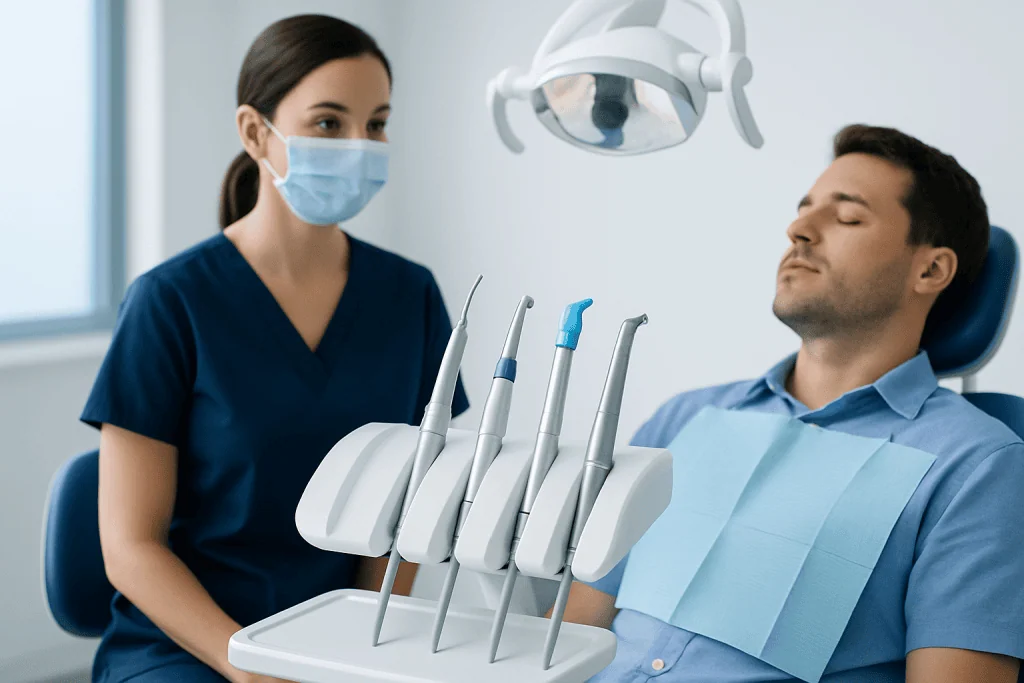
A routine dental visit usually includes a review of symptoms, medical history, medications, and oral hygiene habits. The dentist examines the teeth, gums, tongue, soft tissues, and bite. They may look for cavities, plaque buildup, gum inflammation, tooth wear, cracked fillings, mouth lesions, and other changes that need monitoring or treatment.
Dental X-rays may be recommended when a closer view is needed. These images can show cavities between teeth, bone loss, infections around tooth roots, impacted teeth, or other concerns that may not be visible during a standard exam. Not every visit requires X-rays, and the dentist decides based on age, symptoms, history, and risk factors.
Preventive care often includes professional cleaning by a dentist or dental hygienist. This removes plaque and tartar that brushing and flossing cannot fully clear. Depending on the person’s needs, the visit may also include fluoride treatment, sealants, advice on home care, or planning for procedures such as fillings, crowns, or dental implants.
Dental visits are also a chance to ask practical questions. A patient may discuss tooth sensitivity, mouth dryness, bad breath, grinding, cosmetic concerns, or fear of dental treatment. Clear communication helps the dentist tailor care to the individual rather than taking a one-size-fits-all approach.
Common Problems a Dentist Treats

Dentists manage a wide range of oral health conditions. One of the most common is tooth decay, which develops when bacteria in plaque produce acids that damage tooth enamel. If untreated, decay can deepen and lead to pain, infection, or loss of tooth structure. Gum disease is another major concern, ranging from mild inflammation to deeper infection that can affect the supporting bone.
A dentist may also evaluate persistent mouth discomfort, broken or worn teeth, tooth sensitivity, jaw clicking, bad breath, and ulcers or patches that do not heal. In some cases, symptoms are linked to infections, injury, grinding, tobacco use, dry mouth, medication effects, or systemic illness. Conditions such as tooth decay and gum disease often begin quietly, which is why regular checkups are important.
Restorative care can include fillings, root canal treatment, crowns, bridges, dentures, or replacement of missing teeth. Dentists may also guide patients who need more specialized treatment, such as gum procedures, wisdom tooth assessment, or corrective alignment with orthodontics. The right option depends on the diagnosis, symptoms, oral function, and the health of nearby tissues.
- Toothache or sensitivity
- Bleeding, swollen, or receding gums
- Loose, cracked, chipped, or missing teeth
- Mouth sores that do not heal
- Jaw pain, clenching, or teeth grinding
Signs You May Need a Dentist Soon
Not all dental problems cause severe pain at the beginning. A small cavity, early gum disease, or a cracked filling may cause only mild discomfort or no symptoms at all. Still, certain signs suggest that a dental appointment should be arranged without delay. These include ongoing tooth pain, swelling, bleeding gums, a bad taste in the mouth, pain while chewing, or increased sensitivity to heat and cold.
Changes in the mouth can also matter even when they seem minor. White or red patches, a sore that lasts more than two weeks, dry mouth, sudden bad breath, or a feeling that a tooth is loose should be assessed. Patients who have diabetes, a weakened immune system, or a history of extensive dental work may need earlier review when symptoms appear.
If a tooth is knocked out, if there is significant facial swelling, or if pain is combined with fever, prompt dental or medical attention is important. These symptoms can suggest injury or infection that should not be ignored. Early treatment often improves comfort and may reduce the extent of care needed later.
How Dentists Diagnose Oral Health Problems
Dental diagnosis starts with history-taking and a careful examination. The dentist asks about the timing of symptoms, triggers, previous dental procedures, medications, and medical conditions. They inspect the surfaces of the teeth, check the gums for bleeding or pockets, assess bite alignment, and evaluate the tongue, cheeks, palate, and floor of the mouth.
Imaging may be used to clarify what is happening below the surface. Bitewing, panoramic, or other dental X-rays can reveal hidden decay, root infections, bone loss, impacted teeth, and the condition of previous dental restorations. In selected situations, further tests or referral to a specialist may be recommended.
Diagnosis is not only about finding disease; it is also about assessing risk. A dentist may evaluate the likelihood of future decay, the effect of diet and dry mouth, the pattern of gum inflammation, and whether grinding or acid erosion is damaging the teeth. This helps shape a treatment plan that addresses both current problems and prevention.
Treatment Options and Preventive Care
Treatment depends on the diagnosis and severity of the problem. Early cavities may be managed with monitoring, fluoride-based prevention, or fillings, while deeper damage may need root canal treatment or crowns. Gum disease treatment can include professional cleaning below the gumline, improved home care, and ongoing follow-up. Broken or missing teeth may be restored to improve chewing, speech, and appearance.
Prevention remains a core part of dental care. Dentists commonly advise brushing twice daily with fluoride toothpaste, cleaning between teeth, limiting frequent sugary snacks and drinks, and avoiding tobacco. For some people, additional support such as custom mouthguards for grinding, fluoride applications, sealants, or dry-mouth management may be appropriate.
People who feel anxious about dental treatment should mention it openly. Dentists can often adapt the pace of care, explain each step, and discuss comfort measures. The aim is not only to treat a single tooth or gum problem, but also to help the patient maintain oral health in a way that is realistic over time.
When advanced restoration is needed, treatment may involve options such as root canal treatment or replacement of missing teeth with implant-based restoration. The most suitable plan depends on oral examination findings, general health, and the patient’s goals.
How to Choose a Dentist and Prepare for Appointments
Choosing a dentist often involves more than convenience. Patients may wish to consider qualifications, experience, communication style, infection-control standards, access to imaging and specialist referral, and whether the clinic can manage routine prevention as well as more advanced needs. For children, older adults, and people with complex medical histories, coordinated care can be especially helpful.
Before an appointment, it helps to bring a list of symptoms, current medications, allergies, and previous dental treatments. If pain occurs only at certain times, noting what triggers it can be useful. Patients should also mention pregnancy, blood-thinner use, diabetes, heart conditions, or immune-related illnesses, as these may affect planning and safety.
At the end of a visit, asking a few key questions can improve understanding. For example: What is causing the problem? Is it urgent? What are the treatment choices? What can be done at home? A good dental plan is usually clear, practical, and tailored to the person’s needs and long-term oral health.
When to Seek Medical Care
A routine dental checkup is appropriate for prevention and early detection, but some symptoms deserve faster assessment. A person should contact a dentist promptly for persistent toothache, new swelling, a cracked or broken tooth, bleeding gums that continue, pus around a tooth, pain when biting, or a mouth sore that does not heal within two weeks.
Urgent medical care may be needed if there is facial swelling that spreads, fever with severe dental pain, trouble swallowing, trouble breathing, significant bleeding after trauma, or injury to the face or jaw. These symptoms can suggest a serious infection or trauma that may need immediate treatment.
For international patients seeking coordinated evaluation, Acibadem International’s multidisciplinary specialists and JCI-accredited hospitals diagnose and treat dental and oral health conditions with patient-centered planning. Even so, urgent symptoms should always be assessed as quickly as possible by a qualified local dentist or doctor.
Frequently asked questions
What is the role of a dentist?
A dentist diagnoses, prevents, and treats problems affecting the teeth, gums, and mouth. They also provide routine examinations, cleanings, restorative care, and guidance on daily oral hygiene.
How often should someone see a dentist?
The ideal schedule depends on age, oral health, and risk factors such as gum disease, dry mouth, or frequent cavities. Many people benefit from regular checkups every 6 to 12 months, but a dentist may suggest more frequent visits for closer monitoring.
Can a person see a dentist even if there is no pain?
Yes. Many dental conditions begin without obvious pain, including early decay and gum disease. Regular visits help detect problems early, when treatment may be simpler and more conservative.
What symptoms should not be ignored?
Persistent tooth pain, swelling, bleeding gums, loose teeth, a bad taste in the mouth, and sores that do not heal should all be assessed. Fever, facial swelling, trouble swallowing, or trauma may need urgent care.
What is the difference between a dentist and an orthodontist?
A general dentist provides broad oral healthcare, including exams, prevention, fillings, and management of common dental problems. An orthodontist is a dental specialist focused on correcting tooth alignment and bite issues.
Can oral health affect general health?
Yes. Oral health is part of overall health, and problems in the mouth can affect comfort, nutrition, speech, and quality of life. Inflammation, infection, and untreated dental disease may also complicate the management of some medical conditions.
References
- American Dental Association
- Centers for Disease Control and Prevention
- National Institute of Dental and Craniofacial Research
- World Health Organization
This article is for general information only and is not a substitute for professional medical advice. Please consult a qualified doctor about your individual situation.
Explore treatments in Turkey — costs, top hospitals & a free quote
JCI-accredited · board-certified surgeons · reply within 24h
Add us as a Preferred Source to see more of our trusted health content across Google Search, AI Overviews and Discover.