Depo Provera: An Evidence-Based Guide for Patients

Depo Provera is a progestin-only contraceptive injection usually given every 3 months. It does not protect against sexually transmitted infections, so condoms may still be needed.
Key Takeaways
- Depo Provera is a progestin-only contraceptive injection usually given every 3 months.
- It does not protect against sexually transmitted infections, so condoms may still be needed.
- Irregular bleeding is common at first, and some people later have very light periods or no periods.
- Long-term use may reduce bone mineral density, so individual risk factors should be reviewed with a clinician.
- Fertility can take time to return after stopping, which matters for pregnancy planning.
- Severe pain, heavy bleeding, signs of pregnancy, or symptoms of a blood clot need prompt medical attention.
Depo Provera is a prescription birth control injection that helps prevent pregnancy for about three months per dose. For many patients it is convenient and effective, but it can also affect bleeding patterns, bone health, weight, and the timing of return to fertility.
Overview: what Depo Provera is and how it works
Depo Provera is a hormonal birth control injection that contains medroxyprogesterone acetate, a form of progestin. It is used to prevent pregnancy and is typically given once every 12 to 13 weeks. Many patients choose it because it does not require a daily pill and can be a good option for those who prefer a private, low-maintenance method.
The injection mainly works by stopping ovulation, so the ovaries do not release an egg. It also thickens cervical mucus, which makes it harder for sperm to reach an egg, and thins the lining of the uterus. These combined actions make pregnancy much less likely when injections are received on schedule.
Depo Provera is a prescription method, so a clinician should review medical history, menstrual patterns, medications, and reproductive goals before starting it. It is important to know that this injection does not protect against sexually transmitted infections. For protection against infections, condoms or other barrier methods are still needed.
Who may consider Depo Provera
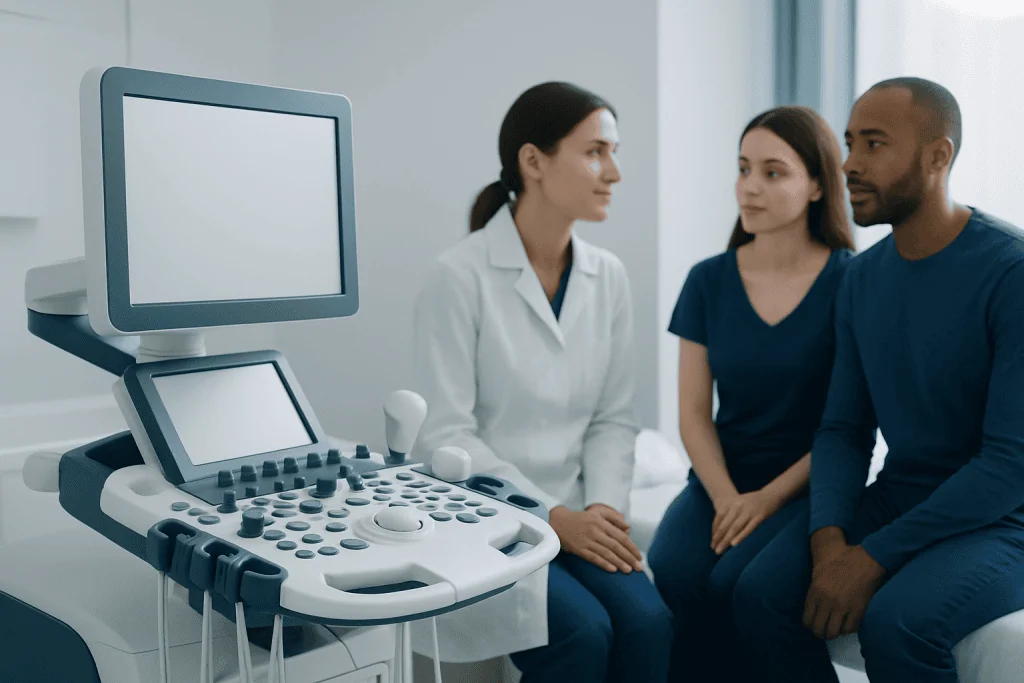
Depo Provera may suit patients who want reliable contraception without remembering a daily routine. It can also be considered by people who cannot use estrogen-containing birth control because of certain health conditions or side effect concerns. Some patients appreciate that it may reduce menstrual cramps and make bleeding lighter over time.
It may be especially useful when privacy matters or when travel, shift work, or a busy schedule make daily or weekly methods difficult. For some, not having monthly periods can be a welcome effect rather than a problem. Others may prefer it because it can be used after childbirth, depending on individual timing and breastfeeding status, as advised by a clinician.
At the same time, Depo Provera is not the best choice for everyone. Patients planning pregnancy in the near future may prefer another method because fertility may take months to return after the last shot. Those with certain bone health concerns, unexplained vaginal bleeding, or a history of some medical conditions may need a different option after medical review.
Expected benefits and possible side effects

One of the main benefits of Depo Provera is convenience. A single injection provides contraception for about three months, and when used on time it is highly effective. It may also help some patients with heavy or painful periods, and over time many people notice lighter bleeding or no bleeding at all.
The most common side effects involve changes in menstrual bleeding. During the first months, irregular spotting, breakthrough bleeding, or longer bleeding episodes can happen. Later, some patients have very light periods or no periods. Other possible side effects include headache, breast tenderness, mood changes, acne changes, bloating, and weight change, although experiences vary from person to person.
Some side effects improve as the body adjusts, but not all do. A key point for patients is that once the injection is given, the hormone remains active for weeks, so side effects cannot be immediately reversed in the way they sometimes can with a pill that is simply stopped. If bleeding changes are significant, a clinician may want to rule out other causes such as menstrual irregularity or pregnancy.
Any new symptom should be interpreted in context. Irregular bleeding after starting Depo Provera is often expected, but very heavy bleeding, severe pelvic pain, fainting, or symptoms that interfere with daily life deserve medical advice rather than simple self-monitoring.
Important safety considerations
Depo Provera has some safety issues that should be discussed before and during use. One of the best-known is reduced bone mineral density with ongoing use. This does not mean everyone will develop fractures, but it does mean that age, nutrition, smoking, physical activity, steroid use, and personal or family history of bone disease should be considered when deciding whether the method is suitable long term.
Bone health is particularly relevant for adolescents and for adults with osteoporosis risk factors. A clinician may advise attention to calcium intake, vitamin D, and regular weight-bearing exercise. In some cases, another contraceptive method may be a better fit if preserving bone density is a major concern.
Depo Provera may also be less suitable for people with certain liver problems, unexplained vaginal bleeding, current breast cancer, or a history that suggests a different method would be safer. Although the injection does not contain estrogen, symptoms such as chest pain, sudden shortness of breath, severe headache, leg swelling, or vision changes should still be assessed urgently because serious conditions can have many causes.
Patients who are concerned about broader hormone-related issues may benefit from learning how menstrual and reproductive conditions are evaluated. In some situations, a clinician may investigate symptoms through gynecologic evaluation and, if needed, discuss alternatives such as contraception counseling and options.
Starting, timing, and what happens if a shot is late
The timing of the first injection affects how quickly Depo Provera starts working. If it is given at certain points in the menstrual cycle, protection may begin right away; at other times, backup contraception such as condoms may be recommended for a short period. A clinician will explain the exact timing based on the first day of the last menstrual period, recent sexual activity, and whether pregnancy is possible.
Staying on schedule matters. In general, the shot is repeated every 12 to 13 weeks. If an appointment is delayed, pregnancy protection can decrease, and the clinician may need to confirm that pregnancy has not occurred before giving the next dose. Backup contraception may also be advised until protection is re-established.
After childbirth, miscarriage, or abortion, the safest and most effective time to start can vary. Breastfeeding, postpartum blood clot risk, and individual recovery all matter. Because these decisions are personalized, it is best to confirm timing with a qualified healthcare professional rather than relying on general internet advice alone.
Fertility, periods, and what to expect after stopping
A common question is whether Depo Provera affects future fertility. The evidence shows that it does not cause permanent infertility, but ovulation may take time to return after the last injection. Some people become pregnant relatively soon after stopping, while for others it may take several months longer for cycles to normalize.
This delay is important for pregnancy planning. If a patient hopes to conceive within the next year, another contraceptive method may be easier to time. A clinician can help compare options based on short-term or long-term family planning goals.
Periods after stopping Depo Provera can be unpredictable at first. Menstrual cycles may take time to become regular again, and this can be frustrating if a person is monitoring fertility or trying to understand whether symptoms are expected. If periods do not return as expected, or if there are symptoms such as persistent pelvic pain, very heavy bleeding, or concern about hormone imbalance, further assessment may be useful, sometimes including fertility evaluation when pregnancy is desired and difficulties continue.
Self-care and when to seek medical care
Practical self-care while using Depo Provera includes keeping injection appointments on time, tracking bleeding changes, and using condoms when protection against sexually transmitted infections is needed. It can help to note headaches, mood changes, pelvic symptoms, and any pattern of bothersome side effects to discuss at follow-up visits. A balanced diet, regular exercise, and attention to bone health are also sensible habits during use.
Medical care should be sought promptly for very heavy vaginal bleeding, severe lower abdominal pain, fainting, signs of pregnancy, or symptoms of a possible blood clot such as sudden leg swelling, chest pain, or shortness of breath. Sudden severe headache, weakness, trouble speaking, or vision changes also need urgent assessment. These symptoms do not necessarily mean the injection is the cause, but they should not be ignored.
Routine follow-up is also worthwhile if bleeding remains disruptive, side effects are difficult to tolerate, or health goals change. Patients may want to revisit whether Depo Provera still fits their needs if they are approaching menopause, trying to conceive, developing new medical conditions, or reconsidering long-acting reversible methods. If specialist input is needed, Acibadem International’s multidisciplinary specialists in JCI-accredited hospitals evaluate reproductive health concerns for international patients, including options such as obstetrics and gynecology care.
Frequently asked questions
How effective is Depo Provera?
Depo Provera is very effective at preventing pregnancy when injections are received on time every 3 months. Its real-world effectiveness depends heavily on keeping appointments as scheduled. A clinician can explain how timing affects protection and whether backup contraception is needed.
Does Depo Provera stop periods?
It can. Many patients first notice irregular spotting or unpredictable bleeding, and later some have very light periods or no periods at all. This change is often expected, but very heavy or painful bleeding should be discussed with a doctor.
Does Depo Provera cause weight gain?
Some patients report weight gain while using Depo Provera, but the effect varies between individuals. Weight can be influenced by appetite, lifestyle, baseline body composition, and other health factors. If weight change is significant or distressing, a clinician can help review contributing factors and alternatives.
How long does it take to get pregnant after stopping Depo Provera?
Fertility usually returns after the medication effect wears off, but this may take several months. Depo Provera does not usually cause permanent infertility, yet it is not ideal for someone who wants pregnancy very soon. If pregnancy is delayed after stopping, a clinician can advise when evaluation is appropriate.
Can Depo Provera be used while breastfeeding?
It may be an option during breastfeeding, but the right timing after delivery depends on individual circumstances. Postpartum recovery, clot risk, and infant feeding plans all matter. A healthcare professional should confirm the safest time to start.
What should a patient do if a Depo shot is late?
A late shot can reduce pregnancy protection, so the patient should contact the prescribing clinic as soon as possible. A pregnancy test and backup contraception may be recommended depending on timing and recent sexual activity. It is best not to wait for the next routine appointment.
References
- World Health Organization
- Centers for Disease Control and Prevention
- American College of Obstetricians and Gynecologists
- U.S. Food and Drug Administration
- Mayo Clinic
This article is for general information only and is not a substitute for professional medical advice. Please consult a qualified doctor about your individual situation.
IVF & fertility treatment in Turkey — success rates and costs
JCI-accredited · board-certified surgeons · reply within 24h
Add us as a Preferred Source to see more of our trusted health content across Google Search, AI Overviews and Discover.
Check your numbers in seconds
BMI, calories, due date, blood pressure and 30+ more clinical calculators — free, instant, doctor-reviewed ranges.

More from the Health Library

Largest Organ in the Body: What Patients Need to Know

Rice Vinegar Substitute: What Patients Need to Know

Hyperpnea: What Patients Need to Know

Cholecystostomy: A Complete Medical Overview

Goiter: What Patients Need to Know