Depression Recovery: Treatment Options, Timelines, and Relapse Prevention

Depression recovery often includes psychotherapy, medication, lifestyle measures, and social support. Improvement may happen in stages, with sleep, appetite, and energy sometimes changing before mood fully improves.
Key Takeaways
- Depression recovery often includes psychotherapy, medication, lifestyle measures, and social support.
- Improvement may happen in stages, with sleep, appetite, and energy sometimes changing before mood fully improves.
- Relapse prevention involves continuing care, recognizing early warning signs, and maintaining healthy routines.
- Recovery does not always mean symptoms disappear immediately; steady progress and functional improvement are important goals.
- Urgent medical help is needed if there are thoughts of self-harm, suicide, or inability to stay safe.
Depression recovery is a gradual process that often combines professional treatment, daily support strategies, and ongoing follow-up. While recovery timelines differ from person to person, many people improve with a personalized plan and early attention to warning signs of relapse.
Overview of Depression Recovery
Depression recovery refers to the process of improving from depression in mood, thinking, physical symptoms, and day-to-day functioning. It is not usually a single event or a quick change. For many people, recovery happens gradually with a combination of professional care, practical self-care, and support from family or trusted friends.
Depression can affect sleep, appetite, concentration, motivation, relationships, and physical energy. Because it can influence many parts of life, recovery often involves more than one treatment approach. A personalized plan may include psychotherapy, medication, regular routines, exercise, sleep support, and management of related medical or emotional conditions.
It is also important to understand that recovery is not always perfectly linear. Some people feel better within weeks, while others need longer-term treatment or adjustments in care. Temporary setbacks do not mean treatment has failed; they may simply signal that the plan needs to be reviewed and refined with a qualified clinician.
Common Signs of Improvement and Ongoing Symptoms
People often ask how to tell whether depression is improving. Early signs may include sleeping more regularly, eating better, feeling slightly less overwhelmed, or being able to complete small daily tasks. Concentration and motivation may improve slowly, and emotional recovery may come after physical symptoms such as fatigue or poor appetite begin to ease.
Even during recovery, some symptoms can continue for a time. A person may still feel low energy, reduced interest in activities, or self-critical thoughts, especially during stress. This does not always mean the depression is returning, but it does mean ongoing support and monitoring can be helpful.
Symptoms of depression can vary, but commonly include:
- Persistent sadness, emptiness, or irritability
- Loss of interest or pleasure in usual activities
- Changes in sleep or appetite
- Tiredness or reduced energy
- Feelings of guilt, hopelessness, or worthlessness
- Trouble concentrating or making decisions
- Physical slowing or restlessness
- Thoughts of death, self-harm, or suicide
If symptoms are severe, prolonged, or worsening, reassessment is important. Sometimes depression exists alongside anxiety, trauma-related difficulties, substance use, chronic pain, or another medical condition. Identifying those factors can make treatment more effective and support more complete recovery.
What Affects the Recovery Timeline?

There is no single recovery timeline for depression. Some people begin to notice improvement within several weeks of starting treatment, while others need a few months or longer. The timing depends on the type and severity of depression, how long symptoms have been present, past episodes, physical health, stress levels, and whether there are coexisting mental health conditions.
Treatment response also differs between individuals. One person may improve mainly with psychotherapy, while another may benefit from medication or a combined approach. It can take time to find the most suitable therapy style, medication, or support structure. Regular follow-up allows clinicians to monitor progress and make adjustments when needed.
Social and practical circumstances matter as well. Recovery may be slower if a person is dealing with relationship conflict, bereavement, financial strain, poor sleep, social isolation, or alcohol and drug use. On the other hand, stable routines, supportive relationships, and access to care can make treatment easier to maintain.
For some people, depression occurs as a recurring condition rather than a one-time episode. In those cases, recovery includes not only symptom improvement but also learning how to lower the chance of another episode. That is one reason why rehabilitation-focused care can be valuable after the most intense symptoms start to improve.
Treatment Options for Depression Recovery
Effective depression treatment is often based on a full assessment and an individualized care plan. Psychotherapy is a core option for many patients. Structured therapies such as cognitive behavioral therapy, interpersonal therapy, and other evidence-based approaches can help people understand negative thought patterns, improve coping skills, and rebuild daily routines and relationships.
Medication may also play an important role, especially for moderate to severe depression or when symptoms significantly affect daily life. Antidepressant medicines can help some people by reducing symptoms over time, though they usually do not work instantly. A doctor will consider medical history, current symptoms, other medications, and side effects when deciding whether medicine is appropriate.
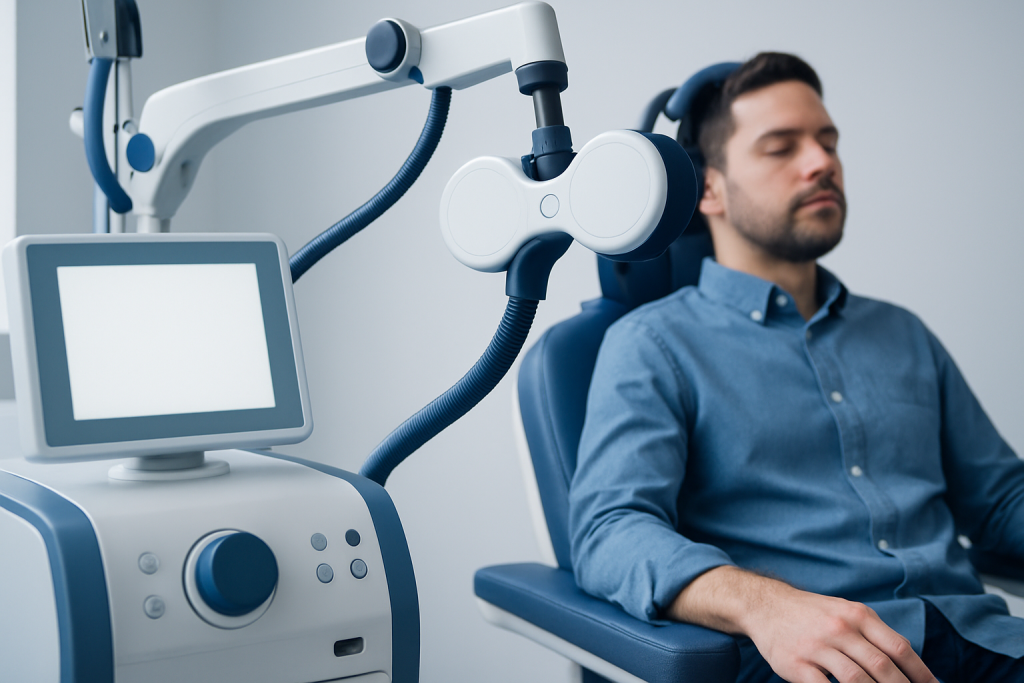
Combined treatment is often recommended because therapy and medication can complement each other. In some situations, clinicians may also discuss more advanced options for treatment-resistant depression. These can include closely supervised hospital-based care, and in selected cases procedures such as advanced neuromodulation treatments may be explored within specialist services, although they are not routine first-line options for most people with depression.
Recovery plans may also include practical rehabilitation measures:
- Sleep regulation and a consistent daily schedule
- Gradual return to work, school, or social activity
- Exercise and physical activity suited to the individual
- Nutrition support and reduction of alcohol or substance use
- Family education and communication support
- Treatment of coexisting conditions such as anxiety disorders or chronic pain
Psychological Support, Lifestyle Measures, and Daily Rehabilitation
Recovery from depression often strengthens when treatment is supported by consistent daily habits. Simple routines can reduce the sense of chaos that depression creates. Waking up at a regular time, eating regular meals, getting daylight exposure, and setting one or two manageable goals each day can help rebuild momentum without creating unrealistic pressure.
Physical activity is another useful part of recovery. It does not need to be intense to be helpful. Gentle walking, stretching, swimming, or other enjoyable movement can support sleep, energy, and stress regulation. The goal is gradual consistency rather than perfection, especially in the early stages when motivation is low.
Social support also matters. Depression often leads people to withdraw, but safe connection can be protective. This may include a family member, friend, support group, therapist, or community resource. Loved ones can help by listening without judgment, encouraging treatment follow-up, and noticing changes that suggest symptoms are worsening again.
Some people benefit from more structured rehabilitation input when depression affects concentration, work performance, or independence. Occupational support, stress-management training, and coordinated care for related conditions can all be useful. If depression occurs alongside another neurologic or psychological condition, specialist assessment may be needed, such as evaluation for Parkinson’s disease or other disorders that can influence mood and function.
Relapse Prevention and Long-Term Maintenance
Relapse prevention is an essential part of depression recovery. A relapse means symptoms return after improvement, while recurrence refers to a new episode after recovery has been maintained for a period. Because depression can come back, many people are advised to continue treatment for some time even after they start to feel better.
Continuing psychotherapy can help patients identify triggers, challenge negative thinking patterns, and develop coping strategies for stress. If medication has been prescribed, it should not be stopped suddenly unless a doctor advises it. Any changes in treatment should be guided by a qualified professional, since stopping too early may increase the chance of symptoms returning.
Useful relapse-prevention steps include:
- Keeping regular follow-up appointments
- Taking medication exactly as prescribed, if used
- Maintaining sleep, exercise, and meal routines
- Reducing alcohol and avoiding non-prescribed drugs
- Recognizing personal warning signs, such as social withdrawal or hopeless thoughts
- Making a written plan for who to contact if symptoms worsen
Long-term care is not a sign of weakness or failure. It is a practical way to protect health. Near the end of treatment planning, some patients also seek coordinated international care; Acibadem International’s multidisciplinary specialists and JCI-accredited hospitals diagnose and treat depression-related conditions for international patients when specialist evaluation and follow-up are needed.
When to Seek Medical Help
Anyone with symptoms of depression that last more than two weeks, interfere with daily life, or keep returning should speak with a qualified healthcare professional. Early support can improve quality of life and may reduce the risk of symptoms becoming more severe. A doctor or mental health specialist can assess whether symptoms are due to depression, another mental health condition, a physical illness, or a combination of factors.
Urgent help is needed if there are thoughts of self-harm or suicide, a suicide plan, inability to care for basic needs, severe agitation, psychotic symptoms, or sudden major changes in behavior. In these situations, the person should contact emergency services, a crisis line, or go to the nearest emergency department immediately. They should not be left alone if there is immediate concern for safety.
Medical review is also important if treatment does not seem to help, if side effects are difficult to manage, or if symptoms worsen after an initial improvement. Depression is treatable, but recovery is safest and most effective when monitored by trained professionals over time.
Frequently asked questions
How long does depression recovery usually take?
Recovery time varies widely. Some people notice improvement within a few weeks of treatment, while others need several months or longer. The timeline depends on symptom severity, treatment type, personal stressors, physical health, and whether depression has happened before.
Can depression go away without treatment?
Some mild episodes may improve over time, but depression can also persist or worsen without support. Professional treatment can reduce symptoms, improve functioning, and help lower the risk of relapse. It is especially important to seek help if symptoms interfere with work, relationships, sleep, appetite, or safety.
What is the best treatment for depression recovery?
There is no single best treatment for everyone. Many people benefit from psychotherapy, medication, or a combination of both, along with lifestyle support such as sleep routines, exercise, and reduced alcohol use. A healthcare professional can help tailor a plan to the individual's symptoms and needs.
What are early warning signs of relapse?
Early signs often include withdrawing from people, changes in sleep, loss of interest in usual activities, increasing hopelessness, irritability, or negative thinking returning. Some people also notice reduced concentration or fatigue before mood worsens clearly. Recognizing these changes early can help a person seek support before symptoms become more severe.
Should antidepressants be stopped once a person feels better?
Antidepressants should not usually be stopped suddenly or without medical guidance. Continuing treatment for a period after improvement may help reduce the chance of relapse. A doctor can advise when and how medication may be adjusted safely.
When is depression an emergency?
Depression is an emergency if there are thoughts of suicide or self-harm, a plan to act on those thoughts, inability to stay safe, psychotic symptoms, or severe inability to function. Immediate help should be sought through emergency services, a crisis line, or the nearest emergency department. Safety should always come first.
References
- World Health Organization
- National Institute of Mental Health
- National Institute for Health and Care Excellence
- American Psychiatric Association
- Centers for Disease Control and Prevention
This article is for general information only and is not a substitute for professional medical advice. Please consult a qualified doctor about your individual situation.
Depression in Turkey — costs, top hospitals & a free quote
JCI-accredited · board-certified surgeons · reply within 24h
Add us as a Preferred Source to see more of our trusted health content across Google Search, AI Overviews and Discover.