Depression Test: What Screening Questions Can and Cannot Tell You

A depression test is a screening tool, not a final diagnosis. Screening questions look for patterns in mood, sleep, energy, interest, and thinking.
Key Takeaways
- A depression test is a screening tool, not a final diagnosis.
- Screening questions look for patterns in mood, sleep, energy, interest, and thinking.
- Results can guide someone to seek professional support, especially if symptoms affect daily life.
- Physical health conditions, stress, grief, medication effects, and other mental health concerns can overlap with depression symptoms.
- Urgent help is needed if someone has thoughts of self-harm, suicide, or feels unable to stay safe.
A depression test usually refers to a screening questionnaire that helps identify symptoms linked with depression. These tools can be useful starting points, but they do not confirm a diagnosis or replace a full mental health assessment.
Overview: What a Depression Test Really Means
A depression test is usually a short screening questionnaire designed to check whether a person has symptoms that may be consistent with depression. These questionnaires are often used in primary care, mental health clinics, schools, workplaces, and online self-check tools. They ask about common experiences such as low mood, loss of interest, tiredness, sleep changes, concentration problems, and feelings of hopelessness.
Screening tools can be helpful because they give structure to symptoms that may otherwise feel difficult to describe. For some people, answering a set of questions is the first step toward recognizing that what they are experiencing may be more than temporary stress or a low mood. Screening can also help doctors decide whether a more detailed assessment is needed.
However, a depression test cannot diagnose depression on its own. A diagnosis requires a careful clinical evaluation that looks at symptom pattern, duration, severity, physical health, medications, life events, and how symptoms affect daily functioning. Clinicians also consider other conditions that can look similar, including anxiety disorders, grief, burnout, substance use, sleep problems, thyroid disease, and bipolar disorder.
What Screening Questions Usually Ask
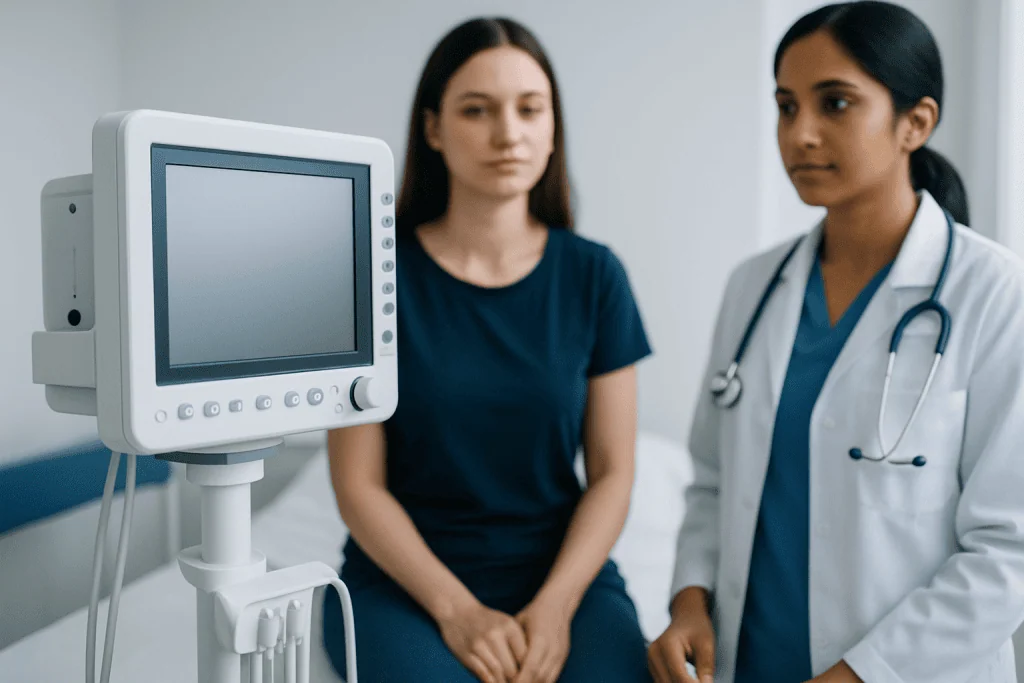
Most depression screening questionnaires focus on emotional, physical, and thinking-related symptoms. They often ask whether a person has felt down, depressed, or hopeless, and whether they have lost interest or pleasure in usual activities. These two symptoms are especially important because they are central features of depressive disorders.
Questions also commonly cover sleep, appetite, energy, concentration, self-esteem, movement or restlessness, and thoughts about death or self-harm. Many tools ask how often symptoms have occurred over the last two weeks. This time frame helps identify ongoing patterns rather than a single difficult day.
Examples of areas commonly included in a depression test are:
- Persistent sadness, emptiness, or irritability
- Reduced interest in work, hobbies, or relationships
- Changes in sleep, either too much or too little
- Low energy or fatigue
- Appetite or weight changes
- Trouble concentrating or making decisions
- Feelings of guilt, worthlessness, or hopelessness
- Thoughts of self-harm or suicide
Some well-known tools include the PHQ-2, PHQ-9, and other clinician-administered mood questionnaires. Although these scales are widely used, the exact wording and scoring can vary. A higher score generally suggests that more evaluation is needed, not that a diagnosis is certain.
What a Depression Test Can Tell You

A depression test can indicate whether a person may have symptoms that deserve attention. It can help identify patterns that are easy to overlook, especially when symptoms develop gradually. A person who has been blaming stress, poor sleep, or a busy schedule may realize through screening that their difficulties are broader and more persistent.
These tools can also help track symptoms over time. If the same questionnaire is repeated during treatment, it may show whether symptoms are improving, staying the same, or getting worse. This can support conversations between a patient and clinician and help guide care decisions.
In healthcare settings, screening may make it easier to start a conversation about mental health. Some people feel more comfortable answering written questions first and then discussing their experiences. Screening can be especially useful in general medical care, where symptoms of depression may appear as tiredness, pain, poor concentration, or changes in sleep and appetite rather than as a direct complaint of low mood.
What a Depression Test Cannot Tell You
A depression test cannot explain why symptoms are happening, whether depression is the correct diagnosis, or what type of treatment is best for a specific person. Similar symptoms may occur with anxiety, trauma-related conditions, chronic stress, bereavement, substance use, hormonal changes, neurological conditions, or medical illnesses such as anemia or thyroid problems.
Screening tools also cannot fully measure context. For example, a person coping with grief after a major loss may answer several questions positively, but their care needs may be different from someone with a primary depressive disorder. In the same way, a person with bipolar disorder may experience depression at times, yet treatment planning must also consider episodes of elevated mood or reduced need for sleep.
Online self-tests have additional limits. They may be completed when a person is distressed, rushed, or unsure how to interpret the questions. They also cannot assess body language, speech, safety concerns, substance use, or the impact of physical illness. For these reasons, any concerning result should be discussed with a qualified healthcare professional rather than used as a final answer.
A depression test is also not designed to replace urgent care. If a person feels at risk of harming themselves or others, immediate emergency support is more important than completing a questionnaire.
How Depression Is Properly Diagnosed
Diagnosis begins with a clinical interview. A doctor, psychiatrist, psychologist, or another qualified mental health professional asks about symptoms, how long they have lasted, how severe they are, and whether they interfere with work, study, relationships, or self-care. The clinician may ask about previous episodes, family history, trauma, alcohol or drug use, sleep pattern, and recent life changes.
Medical history matters because some physical conditions can contribute to depressive symptoms. Depending on the situation, a clinician may review medications and arrange tests to look for possible medical causes or contributing factors. This is one reason why diagnosis goes beyond a symptom checklist.
The evaluation also considers whether symptoms fit depression or another condition such as anxiety, adjustment difficulties, burnout, or bipolar disorder. In some people, symptoms overlap with anxiety or occur alongside it. A careful assessment helps ensure that treatment is matched to the person rather than to a score alone.
If symptoms are significant, the clinician may discuss supportive care, psychological therapies, lifestyle measures, and in some cases medication. When needed, further evaluation by a mental health specialist can help clarify the diagnosis and build a treatment plan.
When to Seek Help After a Screening Result
It is a good idea to seek professional help if a depression test suggests moderate or severe symptoms, if symptoms have lasted for more than two weeks, or if they are affecting daily life. Difficulty getting out of bed, falling behind at work or school, withdrawing from loved ones, or losing interest in nearly everything are all signs that support may be needed.
Help is also important when symptoms come with anxiety, panic, substance misuse, major sleep disturbance, or physical symptoms without a clear cause. A screening score may be low even when a person is struggling, so it is still appropriate to talk to a doctor if something feels wrong.
Urgent care is needed if there are thoughts of self-harm or suicide, feelings of being unable to stay safe, severe agitation, confusion, or a sudden break from usual behavior. In these situations, a person should contact emergency services or a local crisis resource immediately, or ask a trusted person to stay with them and help them get urgent support.
For people seeking coordinated care, mental health support may involve counseling, psychiatric evaluation, and rehabilitation-focused strategies that help restore day-to-day function, routine, and social connection. Near the end of the care journey, some patients also benefit from structured follow-up through multidisciplinary teams; Acibadem International’s multidisciplinary specialists in JCI-accredited hospitals provide diagnosis and treatment support for international patients when this is needed.
Treatment and Support After Screening
Treatment depends on the person’s symptoms, medical history, preferences, and safety needs. Many people benefit from psychotherapy, especially approaches that help identify unhelpful thought patterns, improve coping skills, and rebuild healthy routines. In some situations, medication may also be recommended by a qualified clinician as part of a broader treatment plan.
Supportive care often includes sleep regulation, regular meals, gradual return to physical activity, stress management, and practical steps to reduce isolation. Family support can also be important when it is welcomed by the patient. A treatment plan is usually most effective when it is realistic and tailored, rather than trying to change everything at once.
If a clinician suspects another condition or overlapping diagnosis, treatment may be adapted. For example, care may include attention to panic attacks or referral for more specialized psychiatric assessment. Some patients may be advised to consider formal mental health evaluation and therapies available through broader rehabilitation or neuropsychiatric services, depending on local systems and individual needs.
When symptoms are persistent, severe, or complex, specialist input may be helpful. In appropriate settings, assessment can be supported by broader mental health and neurological evaluation, and some patients may be referred for services related to brain check-up or neurorehabilitation if there are additional cognitive, neurological, or functional concerns identified by their clinical team.
Self-Care, Prevention, and Healthy Next Steps
No questionnaire can prevent depression, but early recognition can encourage timely support. Paying attention to ongoing sleep problems, loss of interest, social withdrawal, and changes in concentration or appetite may make it easier to seek help before symptoms become overwhelming. People with a personal or family history of depression may benefit from checking in with a healthcare professional sooner rather than later when symptoms return.
Helpful self-care measures include keeping a regular daily routine, maintaining some level of physical movement, limiting alcohol and recreational drugs, and staying connected to supportive people. Small, consistent steps are often more sustainable than trying to make dramatic changes during a difficult period. It can also help to write down symptoms, triggers, and questions before a medical appointment.
Screening should be viewed as an opening conversation, not a label. A concerning score does not mean someone has failed, and a reassuring score does not mean their distress is unimportant. The most useful next step is to combine the result with professional guidance and honest reflection about how the person is functioning and feeling.
Frequently asked questions
Is a depression test the same as a diagnosis?
No. A depression test is usually a screening tool that looks for symptoms associated with depression. Only a qualified clinician can diagnose depression after a full assessment.
What is the PHQ-9?
The PHQ-9 is a commonly used questionnaire that asks about nine symptoms linked with depression over the previous two weeks. It helps clinicians and patients understand symptom burden, but it does not confirm a diagnosis by itself.
Can an online depression test be useful?
It can be a helpful first step if it encourages someone to notice symptoms and seek care. Still, online tests have limits because they cannot assess medical history, safety, or other conditions that may cause similar symptoms.
What if the test says symptoms are mild, but the person still feels unwell?
It is still reasonable to speak with a doctor or mental health professional. A low or mild score does not always reflect the full picture, especially if symptoms are affecting work, relationships, sleep, or daily functioning.
Can physical illness affect depression screening results?
Yes. Fatigue, poor sleep, appetite changes, and concentration problems can occur with many medical conditions, medication effects, or chronic pain. That is why clinicians often review physical health as part of an assessment.
When should someone seek urgent help instead of taking another test?
Urgent help is needed if there are thoughts of self-harm or suicide, a feeling of being unable to stay safe, or sudden severe changes in behavior or thinking. In that situation, the safest step is to contact emergency services or a local crisis resource immediately.
References
- World Health Organization
- National Institute of Mental Health
- American Psychiatric Association
- National Health Service
- Centers for Disease Control and Prevention
This article is for general information only and is not a substitute for professional medical advice. Please consult a qualified doctor about your individual situation.
Depression in Turkey — costs, top hospitals & a free quote
JCI-accredited · board-certified surgeons · reply within 24h
Add us as a Preferred Source to see more of our trusted health content across Google Search, AI Overviews and Discover.

More from the Health Library



Related Specialists

Dr. Esra Kotan
Pediatrics
Prof. Dr. Ersin Ülkür
Aesthetic Plastic & Reconstructive Surgery
Dt. Sardar Fettahzade
Oral & Dental Health
Ceyhun Cesur
Aesthetic Plastic & Reconstructive Surgery