

Dermatosis: Early Signs, Risk Factors, and How It Is Treated

Dermatosis is not a single disease but a broad term for many skin conditions. Common early signs include itching, redness, dryness, scaling, bumps, or changes in skin color.
Key Takeaways
- Dermatosis is not a single disease but a broad term for many skin conditions.
- Common early signs include itching, redness, dryness, scaling, bumps, or changes in skin color.
- Causes range from eczema and psoriasis to allergies, infections, irritation, and autoimmune conditions.
- Diagnosis often relies on a skin examination, medical history, and sometimes patch testing, scrapings, or biopsy.
- Treatment may include skin care changes, trigger avoidance, medicated creams, oral medicines, or treatment of an infection.
Dermatosis is a general medical term for disorders that affect the skin. It can describe many different conditions, so the best treatment depends on recognizing the pattern of symptoms, identifying triggers, and confirming the underlying cause.
What dermatosis means
Dermatosis is a broad term used to describe an abnormal skin condition. Rather than naming one specific illness, it refers to a group of skin disorders that may cause itching, rash, dryness, scaling, blisters, bumps, pigment changes, or discomfort. In everyday practice, doctors use the word to describe the skin problem first and then narrow down the exact diagnosis.
This matters because many different conditions can look similar in the early stages. For example, eczema, contact dermatitis, fungal infections, psoriasis, and some autoimmune skin diseases can all begin with redness, irritation, or flaky skin. A careful evaluation helps distinguish between these causes so treatment is matched to the condition instead of only covering up symptoms.
Some forms of dermatosis are short-term and linked to a clear trigger, such as a new cosmetic product, detergent, or medication. Others may be long-lasting, come and go over time, or reflect an underlying health issue. Understanding that dermatosis is a descriptive umbrella term can make diagnosis and treatment feel more straightforward and less confusing.
Early signs and symptoms to notice
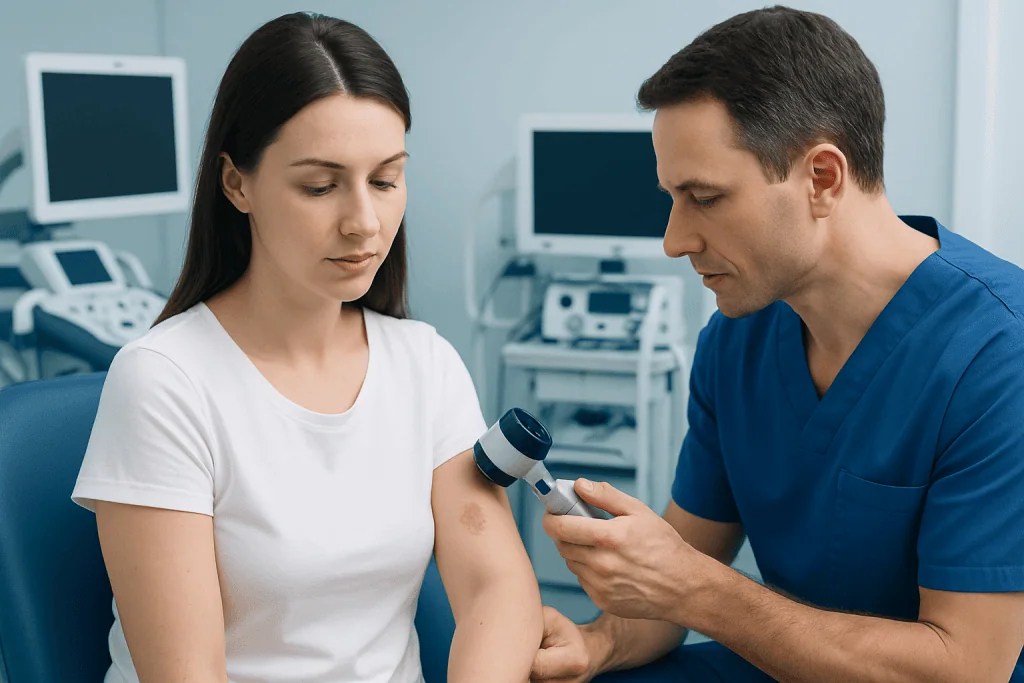
Early signs of dermatosis vary by cause, but many people first notice a patch of skin that looks or feels different from the surrounding area. Itching is one of the most common early symptoms. The skin may also become red, dry, rough, scaly, or more sensitive than usual.
In some cases, the first changes are visual rather than uncomfortable. Skin may become darker or lighter, develop small raised bumps, or form a well-defined rash. Some dermatoses cause cracking, oozing, crusting, or thickening if the area stays irritated over time. Others may lead to burning, tenderness, or a stinging sensation.
Common features that may occur include:
- Itching or persistent irritation
- Red, pink, brown, or pale patches
- Dryness, flaking, or scaling
- Small bumps, plaques, or blisters
- Cracks or soreness, especially on the hands or feet
- Changes in skin texture, such as thickening
Symptoms can also depend on where the condition appears. Dermatosis on the scalp may cause dandruff-like flaking or hair shedding. On the hands, it may present with fissures and burning. On the face, it may be more noticeable because of redness or patches of discoloration. Persistent or recurring symptoms are a good reason to seek a professional assessment.
Common causes and risk factors

Dermatosis can result from inflammation, irritation, allergy, infection, genetics, immune system activity, or environmental exposures. A frequent cause is dermatitis, which includes eczema and reactions to irritants or allergens. In other cases, excessive skin cell turnover, as seen in psoriasis, creates thick, scaly plaques. Fungal, bacterial, and viral infections can also produce a rash that falls under the broad description of dermatosis.
Risk factors differ depending on the specific disorder. A personal or family history of allergies, asthma, or eczema may increase the chance of inflammatory skin conditions. Sensitive skin, frequent hand washing, occupational exposure to chemicals, hot climates, sweating, and friction can all contribute. Some conditions are more common in people with diabetes, obesity, circulation problems, or immune suppression.
Certain triggers can worsen symptoms even if they are not the root cause. These include stress, harsh soaps, fragrances, wool or rough fabrics, smoke exposure, temperature extremes, and dry indoor air. Medications may also cause drug eruptions or make skin more sensitive to sunlight.
Because there are many possible causes, self-diagnosis can be misleading. A flaky rash is not always eczema, and itching does not always mean allergy. The pattern, location, timing, and appearance of the skin changes often provide important clues.
How doctors diagnose dermatosis
Diagnosis starts with a close look at the skin and a review of symptoms. A doctor usually asks when the rash began, whether it itches or hurts, what products or medications are being used, and whether symptoms are linked to work, travel, infections, or family history. Photos of the rash at its worst can sometimes help if symptoms come and go.
The physical examination often focuses on the rash pattern, body location, border shape, color, and surface changes such as scaling or crusting. These details can point toward conditions such as eczema, psoriasis, fungal infection, or allergic contact dermatitis. In many cases, clinical examination is enough to guide initial treatment.
When the cause is unclear, additional tests may be helpful. These can include skin scrapings to check for fungus or mites, swabs if infection is suspected, blood tests in selected cases, patch testing for allergic contact dermatitis, or a small skin biopsy. A biopsy can be especially useful when symptoms are persistent, unusual, or do not respond to standard treatment.
Accurate diagnosis is important because treatments differ. A steroid cream may calm one type of inflammatory dermatosis but worsen another if the main problem is fungal. For that reason, people with recurrent, widespread, or unexplained symptoms often benefit from a dermatology evaluation.
Treatment options for dermatosis
Treatment depends on the exact type of dermatosis, its severity, the part of the body involved, and whether there is an underlying trigger. Many inflammatory conditions improve with gentle skin care, avoidance of irritants, and prescription or nonprescription topical treatments. Common options include emollients, barrier creams, medicated shampoos, topical corticosteroids, and nonsteroidal anti-inflammatory creams.
If the skin condition is caused by infection, treatment targets the organism involved. That may include antifungal, antibacterial, or antiviral medication. If allergy is the main issue, identifying and avoiding the trigger is a key part of treatment. Some chronic inflammatory conditions may require oral medicines, light-based treatment, or other specialist-led therapies when topical treatment is not enough.
For selected patients with persistent inflammatory skin disease, dermatologists may consider advanced options such as phototherapy or other targeted treatments. When a diagnosis remains uncertain, or if the skin changes could reflect a broader medical issue, a skin sample may be taken through skin biopsy to guide care more precisely.
Treatment plans often need adjustment over time. Skin can improve, relapse, or react differently to seasonal changes and triggers. Working with a specialist helps balance symptom control, skin barrier repair, and long-term prevention. Near the end of the care pathway, some patients may seek support from centers such as Acibadem International, where multidisciplinary specialists in JCI-accredited hospitals diagnose and treat skin conditions for international patients.
Self-care and prevention strategies
Daily skin care plays an important role in managing many forms of dermatosis. Gentle cleansing and regular moisturization help support the skin barrier, which can reduce dryness, itching, and sensitivity. Fragrance-free, dye-free products are often better tolerated, especially when the skin is inflamed or easily irritated.
It also helps to pay attention to patterns. If symptoms worsen after using a certain soap, cosmetic, metal accessory, glove, or laundry product, avoiding that exposure may prevent flare-ups. For people with hand dermatosis, protective gloves for wet work and prompt moisturizing after washing can be especially helpful.
Useful preventive habits may include:
- Taking short, lukewarm showers instead of very hot ones
- Applying moisturizer soon after bathing
- Using mild, fragrance-free cleansers
- Wearing soft, breathable fabrics when possible
- Avoiding scratching, which can damage skin further
- Managing stress and getting enough sleep
- Protecting skin from excessive sun exposure with appropriate sun safety
Self-care can improve comfort, but it does not replace a diagnosis. A persistent or changing rash should not be treated repeatedly without knowing the cause, especially if there is spreading, pain, infection, or involvement of the face, scalp, hands, or genitals.
When to seek medical care
Medical care is appropriate when dermatosis symptoms do not improve with basic skin care, keep returning, or interfere with sleep, work, or daily life. It is also important to seek evaluation if the rash is spreading quickly, becoming painful, or showing signs of infection such as warmth, swelling, pus, or fever.
People should also see a doctor if they notice skin changes after starting a new medicine, if the rash involves the eyes or mouth, or if there are blisters, open sores, or rapid color changes. In infants, older adults, and people with weakened immune systems, even a seemingly simple rash may need earlier assessment.
A dermatologist may be especially helpful for recurrent eczema-like rashes, suspected psoriasis, scalp involvement, or unexplained pigment changes. In some cases, specialized care such as dermatology evaluation and treatment can help confirm the diagnosis and create a plan tailored to the skin type, age, and overall health of the patient.
Frequently asked questions
Is dermatosis the same as eczema?
No. Dermatosis is a general term for a skin disorder, while eczema is one specific type of inflammatory skin condition. Eczema can be described as a dermatosis, but not every dermatosis is eczema.
What does dermatosis look like at first?
Early dermatosis often appears as a small patch of skin that becomes itchy, red, dry, scaly, or irritated. In some people, the first sign is a change in color or texture rather than obvious rash. The exact appearance depends on the underlying cause.
Can dermatosis go away on its own?
Some mild, short-term skin reactions improve once the trigger is removed and the skin barrier heals. However, many forms of dermatosis return or persist without proper diagnosis and treatment. If symptoms last, spread, or keep coming back, medical advice is recommended.
Is dermatosis contagious?
Dermatosis itself is not a single contagious illness. Whether it can spread depends on the cause. Inflammatory conditions such as eczema or psoriasis are not contagious, but some infections that cause a dermatosis-like rash can be.
How is dermatosis diagnosed?
Doctors diagnose dermatosis by reviewing symptoms, examining the skin, and asking about triggers, medications, and medical history. When needed, they may use patch testing, skin scrapings, swabs, or a biopsy. These tests help identify the exact condition so treatment can be chosen appropriately.
What is the best treatment for dermatosis?
There is no single best treatment because dermatosis has many causes. Management may include moisturizers, avoiding irritants, medicated creams, treatment for infection, or specialist therapies for chronic inflammatory disease. The most effective approach is based on the diagnosis rather than symptoms alone.
References
- American Academy of Dermatology
- National Institute of Arthritis and Musculoskeletal and Skin Diseases
- National Health Service
- Mayo Clinic
- DermNet
This article is for general information only and is not a substitute for professional medical advice. Please consult a qualified doctor about your individual situation.
Explore treatments in Turkey — costs, top hospitals & a free quote
JCI-accredited · board-certified surgeons · reply within 24h
Add us as a Preferred Source to see more of our trusted health content across Google Search, AI Overviews and Discover.

More from the Health Library



Related Specialists

Dr. Alper Canpolat
Internal Medicine
Prof. Dr. Bülent Evren Erkul
Otorhinolaryngology
Dt. Sinem Uzuner
Oral & Dental Health
Dyt. Bilgesu Pekcan
Nutrition & Diet