Descending Colon — Explained by Medical Evidence, Not Myths
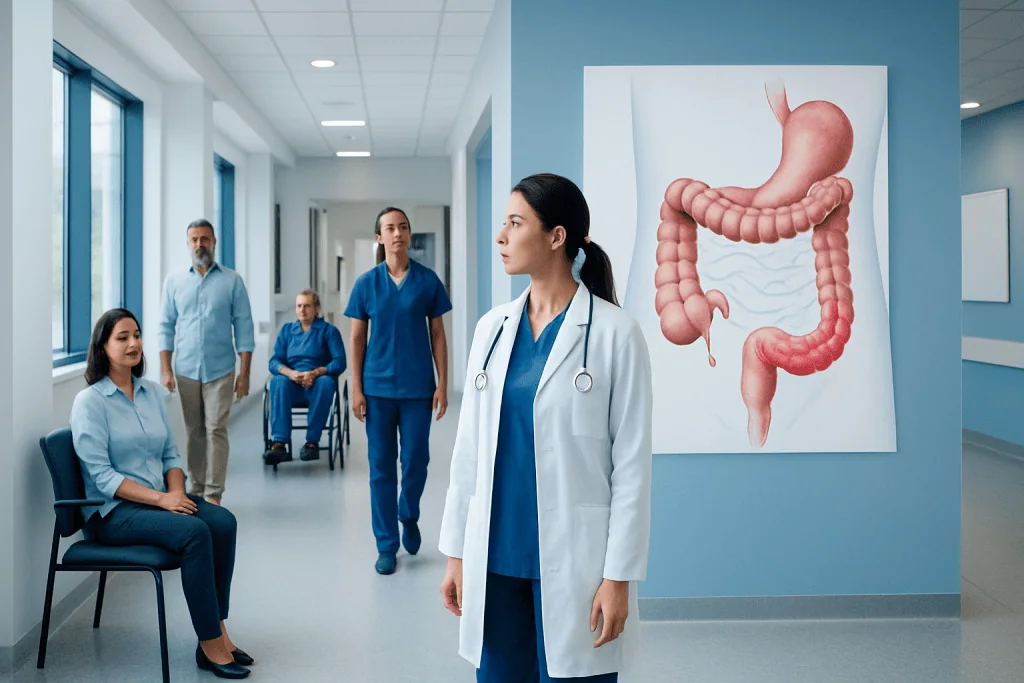
The descending colon is the left-sided part of the large intestine between the transverse colon and sigmoid colon. Its main roles are absorbing remaining water, storing stool, and helping move waste toward the rectum.
Key Takeaways
- The descending colon is the left-sided part of the large intestine between the transverse colon and sigmoid colon.
- Its main roles are absorbing remaining water, storing stool, and helping move waste toward the rectum.
- Symptoms related to the descending colon may include left-sided abdominal pain, bloating, constipation, diarrhea, blood in stool, or changes in bowel habits.
- Problems in this area can range from temporary constipation to diverticular disease, inflammation, infection, or colorectal cancer.
- Persistent symptoms, unexplained bleeding, fever, weight loss, or severe pain should be assessed by a qualified doctor.
The descending colon is the section of the large intestine on the left side of the abdomen that helps absorb water, store stool, and move waste toward the rectum. Understanding what it does—and what symptoms may point to a problem—can help people know when simple digestive changes are enough and when medical assessment is appropriate.
Overview: What the Descending Colon Is
The descending colon is one of the major sections of the large intestine. It runs down the left side of the abdomen, beginning near the upper left part of the belly after the transverse colon and continuing downward until it becomes the sigmoid colon. In simple terms, it is part of the body’s final pathway for processing waste before stool reaches the rectum and leaves the body.
Its job is practical but important. By the time digested material reaches the descending colon, most nutrients have already been absorbed in the small intestine. The descending colon mainly helps absorb some of the remaining water and salts, compacts waste into stool, stores it for a time, and moves it onward with gentle muscle contractions.
Many people search for the term descending colon because of left-sided abdominal discomfort, questions after a scan or colonoscopy, or concern about a colon condition. The term itself does not mean disease. It is simply a normal anatomical part of the digestive tract, though several common conditions can affect it.
Where the Descending Colon Is and How It Works
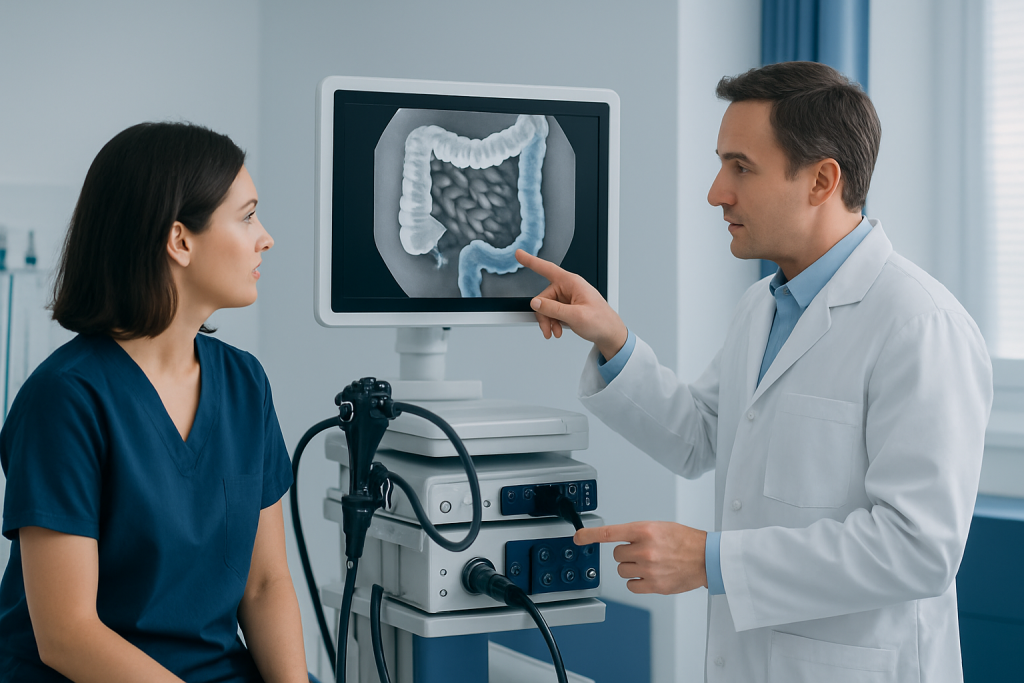
The colon is commonly divided into the cecum, ascending colon, transverse colon, descending colon, and sigmoid colon. The descending colon lies after the transverse colon at the splenic flexure, which is the bend near the spleen. From there, it travels down the left side of the abdomen.
As waste moves through this segment, the colon wall performs coordinated contractions that push stool forward. At the same time, the lining absorbs water from the intestinal contents. This process helps change more liquid material into formed stool. If the movement is too slow, stool may become hard and difficult to pass. If movement is too fast, diarrhea may occur because less water is absorbed.
The descending colon is supplied by blood vessels, nerves, and a healthy community of gut bacteria that also play a role in bowel function. Because it is a narrow, active part of the large intestine, symptoms may become noticeable here when inflammation, obstruction, infection, or spasm develops.
In everyday life, the health of this part of the bowel is influenced by hydration, fiber intake, physical activity, medications, age, and other digestive conditions. It can also be evaluated during tests that examine the broader colon, such as imaging studies or colonoscopy.
Symptoms Linked to the Descending Colon
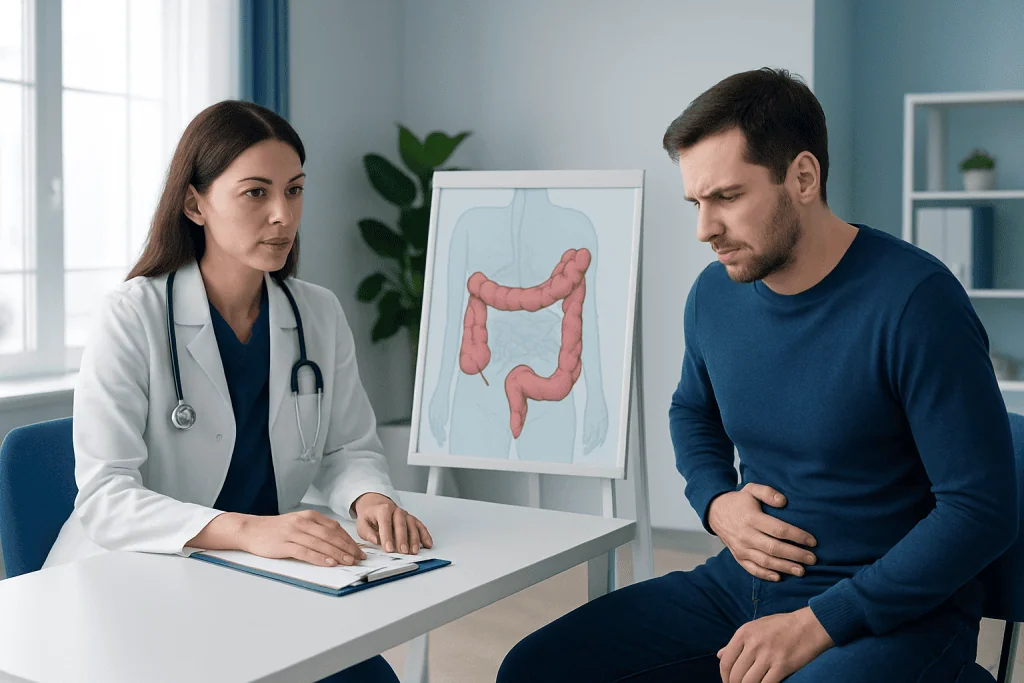
Symptoms that involve the descending colon are often felt on the left side of the abdomen, but they are not always specific to this exact section. Many bowel conditions overlap, so symptoms need to be interpreted in the full clinical context. A person may notice cramping, fullness, bloating, constipation, or a change in stool frequency or shape.
Some people experience sharp or aching pain in the lower left abdomen. Others mainly notice bowel habit changes, such as new constipation, alternating constipation and diarrhea, urgency, or a sense that the bowel does not empty completely. Blood in the stool, mucus, fever, nausea, and fatigue may suggest inflammation, infection, or another disorder that needs medical review.
Symptoms can vary depending on the underlying cause. For example, constipation may lead to pressure and hard stools, while inflammation may cause pain and diarrhea. Conditions affecting the lower colon can sometimes produce visible rectal bleeding, especially when stool passes through irritated tissue.
- Left-sided abdominal pain or cramping
- Bloating or abdominal fullness
- Constipation or hard stools
- Diarrhea or urgent bowel movements
- Blood or mucus in stool
- Unexplained changes in bowel habits
Common Conditions That Can Affect the Descending Colon
Several conditions may involve the descending colon. Constipation is among the most common and may result from low fiber intake, dehydration, inactivity, medication effects, or changes in routine. Diverticular disease is also common, especially with age. In this condition, small pouches called diverticula form in the colon wall, often in the left colon. If one becomes inflamed or infected, it can cause diverticulitis, with pain, fever, and bowel changes. Readers looking for more detail may see diverticulitis.
Inflammatory bowel diseases such as ulcerative colitis may affect the lower parts of the colon and cause diarrhea, blood in the stool, urgency, and abdominal pain. Infections can produce similar symptoms, particularly after travel, antibiotic use, or foodborne illness. Reduced blood flow to part of the colon, called ischemic colitis, can also cause sudden pain and bleeding, more often in older adults or people with vascular risk factors.
Growths such as polyps can form in the descending colon, and some polyps may develop into cancer over time if not removed. Colon cancer can cause changes in bowel habits, bleeding, anemia, weight loss, or may cause no symptoms at first. That is one reason why screening is important even when a person feels well.
Less commonly, the descending colon may be affected by obstruction, narrowing, twisting, or problems related to nearby organs. Because symptoms overlap, self-diagnosis is often unreliable. Proper assessment helps identify whether the issue is functional, inflammatory, infectious, or structural.
How Doctors Diagnose Problems in the Descending Colon
Diagnosis usually begins with a medical history and physical examination. Doctors ask about pain location, bowel habits, recent diet changes, medications, travel, fever, family history, and whether there is any blood in the stool. These details help narrow the possible causes.
Laboratory tests may include blood work to look for anemia, signs of inflammation, dehydration, or infection. Stool tests may be used when diarrhea, bleeding, or suspected infection is present. If a structural problem is suspected, imaging such as abdominal ultrasound or computed tomography may be helpful, especially when pain is significant or diverticulitis is a concern.
A colonoscopy is one of the most useful tools for directly examining the inside of the colon. It can identify inflammation, bleeding sources, polyps, narrowing, and tumors, and tissue samples can be taken if needed. In some situations, doctors may recommend endoscopic evaluation or other lower gastrointestinal investigations depending on the person’s symptoms and age.
Screening for colorectal cancer is especially important for adults in the recommended age groups or those with family history and risk factors. A specialist in gastroenterology care can help determine the most suitable test and follow-up plan.
Treatment and Management Options
Treatment depends entirely on the cause. For mild constipation, doctors may recommend increasing fluids, dietary fiber, physical activity, and reviewing medications that may slow bowel movement. Some people benefit from temporary use of doctor-recommended bowel regulators. Ongoing or severe constipation, however, should not be treated repeatedly without medical advice, especially if it is new or associated with pain or bleeding.
If diverticulitis is suspected, treatment may range from bowel rest and monitoring to antibiotics or hospital-based care, depending on severity. Inflammatory bowel disease often requires long-term medical management to control inflammation and reduce flare-ups. Infections are treated according to the organism involved and the patient’s overall condition.
Polyps found during colonoscopy are often removed during the procedure. If cancer is diagnosed, treatment may include surgery, and in some cases chemotherapy or other therapies depending on the stage and location. People with colorectal disease may also need nutritional guidance, symptom monitoring, and regular surveillance to prevent complications.
Because treatment varies so widely, it is important not to assume all left-sided abdominal symptoms come from the same problem. Individual assessment helps ensure that symptoms are managed safely and that serious conditions are not overlooked.
Prevention and Everyday Self-care
Not every problem affecting the descending colon can be prevented, but everyday habits can support bowel health. A balanced diet with adequate fiber from vegetables, fruits, legumes, and whole grains may help maintain regular bowel movements. Drinking enough water and staying physically active also support healthy colon function.
It is often helpful to respond to the urge to have a bowel movement rather than delaying it repeatedly. Some medications can contribute to constipation or diarrhea, so reviewing them with a doctor or pharmacist may be useful if symptoms develop. Limiting tobacco use and following recommendations for alcohol moderation can also support digestive and general health.
Screening is a key part of prevention. Colorectal cancer may begin without obvious symptoms, so age-appropriate screening can detect precancerous polyps or early cancer when treatment is most effective. People with a family history of colon disease, inflammatory bowel disease, or persistent symptoms may need earlier or more frequent evaluation.
For international patients who need digestive assessment, Acibadem International’s multidisciplinary specialists in JCI-accredited hospitals diagnose and treat colon-related conditions, including evaluation of symptoms involving the descending colon.
When to Seek Medical Care
Medical care is advisable if symptoms involving the descending colon do not improve, keep returning, or interfere with daily life. A person should arrange medical review for ongoing constipation, repeated diarrhea, persistent left-sided abdominal pain, or any unexplained change in bowel habits lasting more than a short time.
Prompt medical attention is especially important if there is blood in the stool, black stools, fever, vomiting, marked abdominal tenderness, dizziness, fainting, unexplained weight loss, or signs of dehydration. These symptoms do not always mean a serious disease, but they deserve timely assessment.
Urgent care may be needed for severe abdominal pain, inability to pass stool or gas with swelling, heavy rectal bleeding, or symptoms suggesting acute infection or obstruction. When in doubt, consulting a qualified doctor is the safest course.
Frequently asked questions
What does the descending colon do?
The descending colon helps absorb remaining water from intestinal contents, stores stool for a period, and moves waste toward the sigmoid colon and rectum. It is a normal part of the large intestine and plays a key role in forming stool.
Where is the descending colon located?
It is located on the left side of the abdomen. It begins after the transverse colon at the upper left bend of the colon and continues downward until it becomes the sigmoid colon.
Can descending colon pain mean cancer?
Pain in the area of the descending colon does not automatically mean cancer. It can also be caused by constipation, diverticular disease, infection, inflammation, or other digestive problems, but persistent symptoms should be assessed by a doctor.
What are common symptoms of a descending colon problem?
Common symptoms include left-sided abdominal pain, bloating, constipation, diarrhea, blood in the stool, and changes in bowel habits. The exact pattern depends on the underlying cause, so symptoms should be considered along with medical history and examination.
How is the descending colon checked?
Doctors may use a physical examination, blood tests, stool tests, imaging studies, and colonoscopy. The choice of test depends on symptoms, age, risk factors, and whether a structural or inflammatory problem is suspected.
Can diet affect the descending colon?
Yes. Low fiber intake, inadequate hydration, and lack of physical activity can contribute to constipation and discomfort. A balanced diet and healthy bowel habits can support colon function, although diet alone cannot prevent every colon condition.
This article is for general information only and is not a substitute for professional medical advice. Please consult a qualified doctor about your individual situation.
Persistent digestive symptoms? Get evaluated in Turkey
JCI-accredited · board-certified surgeons · reply within 24h
Add us as a Preferred Source to see more of our trusted health content across Google Search, AI Overviews and Discover.

More from the Health Library

Rosuvastatin: What Patients Need to Know

Bump on Roof of Mouth: What Patients Need to Know

Nebivolol: A Complete Medical Overview

Blue Ring Around Eye: An Evidence-Based Guide for Patients
Body Acne: An Evidence-Based Guide for Patients