Diagnostic: Diagnosis, Outlook, and Modern Treatment Approaches

Diagnostic evaluation helps explain symptoms and guides safe, effective treatment. A diagnosis is usually based on several pieces of information, not one test alone.
Key Takeaways
- Diagnostic evaluation helps explain symptoms and guides safe, effective treatment.
- A diagnosis is usually based on several pieces of information, not one test alone.
- Modern diagnostics may include blood tests, imaging, pathology, and minimally invasive procedures.
- The outlook often improves when symptoms are assessed early and results are reviewed in context.
- Patients can support the process by sharing symptoms clearly, bringing records, and asking questions.
A diagnostic evaluation is the process doctors use to identify the cause of symptoms and decide on the most appropriate next steps. It may include a medical history, physical examination, lab tests, imaging, and sometimes specialized procedures to clarify diagnosis, treatment options, and outlook.
What a Diagnostic Evaluation Means
A diagnostic evaluation is the structured medical process used to find the cause of a symptom, sign, or abnormal test result. In practical terms, it means a clinician gathers information step by step, compares possible explanations, and uses appropriate tests to reach the most likely diagnosis. The goal is not simply to name a condition, but to understand what is happening in the body well enough to guide treatment and estimate outlook.
The word “diagnostic” can refer to many parts of care. It may describe a blood test, an imaging study, a tissue biopsy, a specialist consultation, or the overall pathway used to investigate a problem. A person with fatigue may need laboratory testing, while someone with sudden weakness may need urgent brain imaging. The right approach depends on the symptom pattern, age, medical history, and level of urgency.
Modern diagnostic care is often multidisciplinary. Primary care doctors, radiologists, pathologists, surgeons, internists, and other specialists may each contribute part of the picture. This team-based approach is especially helpful when symptoms are complex, involve more than one organ system, or require advanced procedures such as MRI scanning or CT imaging.
How Doctors Build a Diagnosis
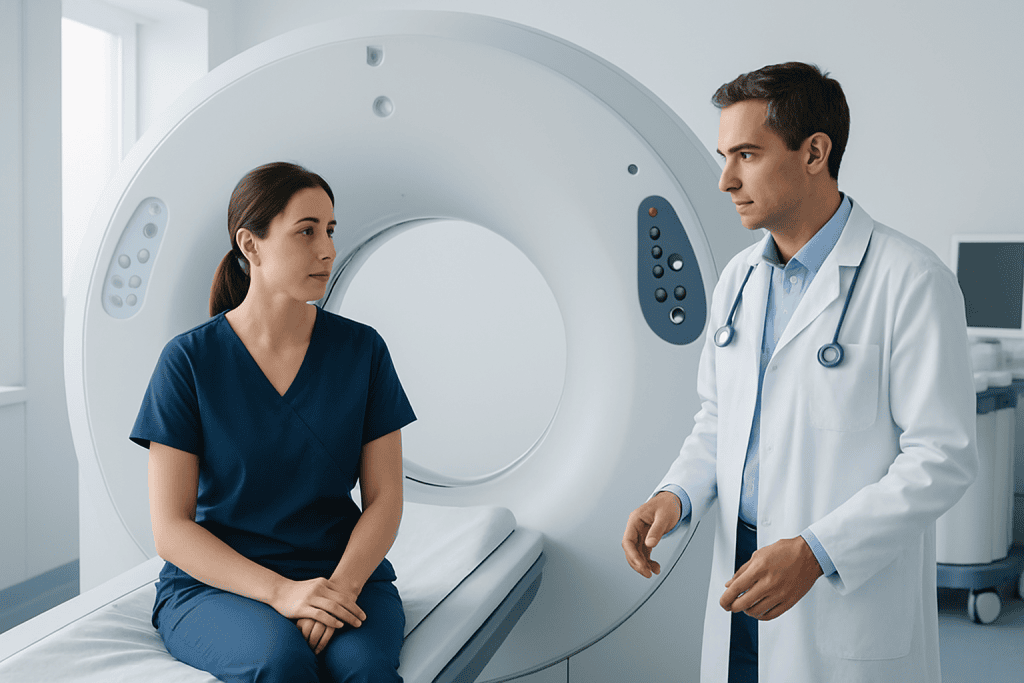
Diagnosis usually begins with the clinical history. Doctors ask when symptoms started, how they have changed, what makes them better or worse, and whether there are related concerns such as fever, pain, weight change, bleeding, or shortness of breath. Family history, medications, past surgeries, travel, and lifestyle factors can also provide important clues.
The physical examination adds another layer of information. A doctor may check vital signs, listen to the heart and lungs, examine the abdomen, test strength and reflexes, or inspect the skin. Sometimes a likely diagnosis becomes clearer after this first assessment; in other cases, it helps narrow the list of possibilities so testing can be more targeted.
Many diagnoses are made by combining findings rather than relying on one result alone. For example, blood tests may suggest inflammation, while imaging may show where it is located, and pathology may confirm the exact cause. This careful synthesis helps reduce unnecessary testing and lowers the chance of missing a condition or treating the wrong problem.
Common Diagnostic Tests and Modern Tools

Diagnostic testing may include laboratory studies, imaging, functional tests, and tissue analysis. Blood and urine tests can check for infection, anemia, diabetes, kidney or liver problems, hormone imbalance, autoimmune disease, or markers linked with inflammation. These tests are often the first step because they are widely used and can quickly narrow the differential diagnosis.
Imaging studies help doctors look inside the body without surgery. Ultrasound uses sound waves and is often helpful for soft tissues and abdominal or pelvic organs. X-rays can assess bones and certain chest findings. CT scans create detailed cross-sectional images, while MRI offers high-resolution views of soft tissues, joints, the brain, and the spine. Depending on the situation, a clinician may also recommend PET-CT when metabolic activity needs to be assessed, especially in some oncology pathways.
In some cases, direct visualization or sampling is needed. Endoscopy can examine the digestive tract, bronchoscopy can look at the airways, and a biopsy allows a pathologist to analyze tissue under a microscope. Pathology is often essential when the question involves infection, inflammation, or cancer, including the evaluation of suspected cancer.
- Laboratory tests: blood counts, chemistry panels, hormone tests, infection markers
- Imaging: ultrasound, X-ray, CT, MRI, PET-CT
- Functional studies: ECG, pulmonary function tests, nerve studies
- Procedures: endoscopy, biopsy, aspiration, genetic testing in selected cases
Why Timing Matters for Outlook
The outlook linked to any diagnostic process depends on the underlying cause, how advanced it is, and how quickly appropriate treatment begins. Some symptoms are caused by short-term, easily treatable problems. Others may reflect chronic disease or conditions that need urgent care. Early evaluation can make a meaningful difference by identifying serious illness before complications develop.
It is also important to understand that uncertainty is sometimes part of diagnosis. An initial result may suggest more than one possibility, or a condition may evolve over time and become easier to recognize later. Doctors may recommend repeat testing, short-interval follow-up, or referral to a specialist rather than making a rushed conclusion. This does not always mean the problem is severe; often it reflects careful, evidence-based medicine.
When diagnosis is delayed, symptoms may persist longer, quality of life may worsen, and treatment choices may become more limited. For conditions such as stroke or severe infection, timely diagnosis is critical. Even with non-emergency symptoms, earlier assessment can reduce worry and help patients start the right management plan sooner.
Treatment Approaches After a Diagnosis
Treatment begins once the diagnosis is reasonably clear. The most appropriate approach depends on the condition, its severity, the person’s overall health, and personal preferences where relevant. Some problems improve with monitoring and lifestyle changes, while others need medication, a procedure, surgery, rehabilitation, or coordinated long-term specialist care.
For many conditions, modern treatment is increasingly personalized. Imaging and pathology may help define the exact type of disease, and this can shape the treatment plan more precisely. A patient with a mass may first need biopsy confirmation; someone with chronic digestive symptoms may need endoscopic evaluation before treatment is chosen. The key principle is that treatment should match the confirmed or most likely diagnosis rather than symptoms alone.
Follow-up is an essential part of treatment planning. Doctors may track symptoms, repeat scans, review laboratory trends, or adjust medication depending on response. This ongoing review helps confirm that the original diagnosis was correct and that treatment is working as expected. Near the end of the care pathway, some patients may seek evaluation at centers such as Acibadem International, where multidisciplinary specialists in JCI-accredited hospitals diagnose and treat complex conditions for international patients.
What Patients Can Do During the Diagnostic Process
Patients play an important role in making diagnostic care more effective. Bringing a list of symptoms, prior test results, medications, allergies, and relevant family history can save time and improve accuracy. It can also help to note when symptoms began, whether they come and go, and what seems to trigger them.
Questions are encouraged. Patients may want to ask what the most likely diagnosis is, what alternatives are still being considered, which tests are needed now, and what the next steps will be if results are normal or unclear. Understanding the reason for each test can make the process feel more manageable and support informed decision-making.
It is also reasonable to ask about preparation and follow-up. Some tests require fasting, medication changes, contrast dye, sedation, or transportation arrangements. Knowing when results are expected and who will explain them can reduce uncertainty. If symptoms worsen while waiting, patients should contact their healthcare team rather than assuming it is safe to wait for the next appointment.
When to Seek Medical Care
Immediate medical care is important for symptoms that could signal an emergency. These include chest pain, severe shortness of breath, sudden weakness, facial drooping, new confusion, seizure, severe bleeding, or a sudden, intense headache. Persistent vomiting, dehydration, high fever with significant weakness, or severe abdominal pain also need prompt assessment.
Non-emergency symptoms still deserve medical attention when they are persistent, unexplained, or getting worse. Examples include ongoing fatigue, weight loss without trying, changes in bowel habits, repeated fainting, chronic cough, a new lump, prolonged pain, or recurrent infections. A diagnostic assessment can help rule out serious causes and identify treatable ones early.
People with long-term medical conditions should seek care sooner if familiar symptoms change in pattern or severity. It is especially important to review new neurological symptoms, unexplained bleeding, or signs that may suggest heart disease or another progressive condition. When in doubt, a qualified doctor can advise whether home monitoring, a clinic visit, or urgent evaluation is most appropriate.
Frequently asked questions
What does diagnostic mean in medicine?
In medicine, diagnostic refers to the process or tools used to identify the cause of symptoms or abnormal findings. It can include a doctor’s assessment, lab tests, imaging, and procedures such as biopsy or endoscopy.
Can one test give a definite diagnosis?
Sometimes a single test is enough, but many diagnoses require several pieces of information. Doctors often combine medical history, examination findings, lab results, and imaging to make the most accurate conclusion.
Why do doctors order more tests after an initial result?
An initial result may raise a question without fully explaining the cause. Additional tests can confirm the diagnosis, rule out similar conditions, and help guide the safest treatment plan.
How long does a diagnostic evaluation take?
The timing varies widely depending on the symptom and the tests needed. Some conditions can be diagnosed in one visit, while others require follow-up appointments, specialist review, or repeat testing over time.
Is diagnostic imaging always necessary?
No, imaging is only used when it is likely to add useful information. Some conditions can be diagnosed with history, examination, and simple lab tests, while others need ultrasound, CT, or MRI for clarity.
What should a patient bring to a diagnostic appointment?
It is helpful to bring a symptom timeline, medication list, previous test results, and details of past medical problems or surgeries. Family history and information about allergies can also support a more accurate assessment.
References
- World Health Organization
- Centers for Disease Control and Prevention
- National Institutes of Health
- American College of Radiology
- Mayo Clinic
This article is for general information only and is not a substitute for professional medical advice. Please consult a qualified doctor about your individual situation.
Explore treatments in Turkey — costs, top hospitals & a free quote
JCI-accredited · board-certified surgeons · reply within 24h
Add us as a Preferred Source to see more of our trusted health content across Google Search, AI Overviews and Discover.