Diaphragm Dysfunction: Signs, Causes, and Tests for Breathing Problems

The diaphragm is the main muscle used for breathing, so dysfunction can make breathing less effective. Common symptoms include shortness of breath, worse breathing when lying flat, poor sleep, and fatigue.
Key Takeaways
- The diaphragm is the main muscle used for breathing, so dysfunction can make breathing less effective.
- Common symptoms include shortness of breath, worse breathing when lying flat, poor sleep, and fatigue.
- Causes range from nerve injury and surgery to neurological, muscular, lung, or systemic conditions.
- Diagnosis may involve physical examination, chest imaging, ultrasound, and pulmonary function tests.
- Treatment depends on the cause and severity and may include monitoring, breathing support, rehabilitation, or surgery in selected cases.
Diaphragm dysfunction happens when the main breathing muscle becomes weak, paralyzed, or does not move normally. It can lead to shortness of breath, sleep-related breathing difficulties, and reduced exercise tolerance, but careful testing can often identify the cause and guide treatment.
Overview
The diaphragm is the dome-shaped muscle that separates the chest from the abdomen and plays the leading role in breathing. When a person inhales, the diaphragm normally contracts and moves downward, helping the lungs expand. Diaphragm dysfunction means this movement is reduced, uncoordinated, or absent, making breathing less efficient.
This problem may affect one side of the diaphragm or both sides. Unilateral dysfunction, involving one half, may cause mild or even unnoticed symptoms in some people. Bilateral dysfunction, involving both sides, is more likely to cause significant breathing difficulty, especially during sleep or when lying flat.
Diaphragm dysfunction is not a single disease. Instead, it is a clinical problem that can result from nerve injury, muscle disorders, chest conditions, or diseases affecting the brain, spinal cord, or peripheral nerves. Because symptoms can overlap with other causes of breathlessness, a structured medical assessment is important.
Symptoms and signs
Symptoms can vary depending on whether the dysfunction is mild or severe, sudden or gradual, and on one side or both sides. The most common symptom is shortness of breath, especially during exertion. Some people notice they cannot take a deep breath or feel that breathing requires more effort than usual.
Breathing may become more difficult when lying flat, a symptom called orthopnea. Sleep can also be affected, because the diaphragm normally contributes strongly to nighttime breathing. As a result, a person may wake frequently, feel unrefreshed in the morning, or develop daytime sleepiness, headaches, or fatigue.
Other possible signs include reduced exercise capacity, a weak cough, trouble clearing mucus, and a sensation of chest tightness without a heart-related cause. Infants and children may show rapid breathing, poor feeding, or chest wall movement that looks unusual.
- Shortness of breath with activity or at rest
- Worse breathing when lying down
- Shallow breathing during sleep
- Fatigue and poor stamina
- Weak cough or difficulty clearing secretions
- Sleep disturbance or morning headaches
Causes and risk factors

One of the best-known causes of diaphragm dysfunction is injury to the phrenic nerve, the nerve that controls the diaphragm. This can happen after surgery in the neck, chest, or heart region, after trauma, or rarely after certain infections or inflammatory conditions. Pressure from a tumor or enlarged structure in the chest may also affect the nerve.
Neurological and neuromuscular disorders are another important group of causes. Conditions that affect the spinal cord, motor neurons, peripheral nerves, or muscles can weaken the diaphragm. This may be seen in illnesses such as motor neuron disease, muscular dystrophy, inflammatory muscle disease, or some forms of neuropathy.
Lung hyperinflation, severe obesity, and some structural chest or abdominal problems can also interfere with normal diaphragm movement. In some cases, the cause remains unclear even after testing. Risk may be higher in people with prior thoracic surgery, significant neck or chest trauma, neuromuscular disease, or chronic respiratory illness.
Because diaphragm dysfunction may occur alongside other conditions, doctors also consider related problems such as chronic lung disease, sleep-disordered breathing, or pulmonary fibrosis when evaluating persistent breathlessness.
How doctors diagnose diaphragm dysfunction
Diagnosis begins with a detailed history and physical examination. A doctor asks when symptoms started, whether breathing worsens when lying flat, and whether there has been recent surgery, trauma, nerve symptoms, or a known neuromuscular condition. The examination may show shallow breathing, use of accessory muscles, or reduced breath sounds at the lung bases.
Chest imaging is often the next step. A chest X-ray may show an elevated hemidiaphragm, which can suggest weakness or paralysis on one side. However, an X-ray alone cannot confirm the diagnosis. Ultrasound is increasingly useful because it can show how the diaphragm moves during breathing in a safe, radiation-free way.
Pulmonary function tests help measure how well the lungs and breathing muscles are working. In some people, breathing capacity drops noticeably when tests are repeated in the lying position. Additional tests may include fluoroscopy, sleep studies, blood gas testing, nerve conduction studies, or electromyography when a neuromuscular cause is suspected.
If the diagnosis is uncertain or another chest condition needs to be ruled out, doctors may also use advanced imaging such as magnetic resonance imaging (MRI) or computed tomography (CT) scans to look for nerve compression, structural abnormalities, or related lung disease.
Treatment options
Treatment depends on the cause, severity of symptoms, and whether one or both sides of the diaphragm are affected. Some people with mild unilateral dysfunction need only monitoring, especially if symptoms are minimal and there is a possibility of spontaneous improvement over time. Management often focuses on addressing the underlying condition whenever possible.
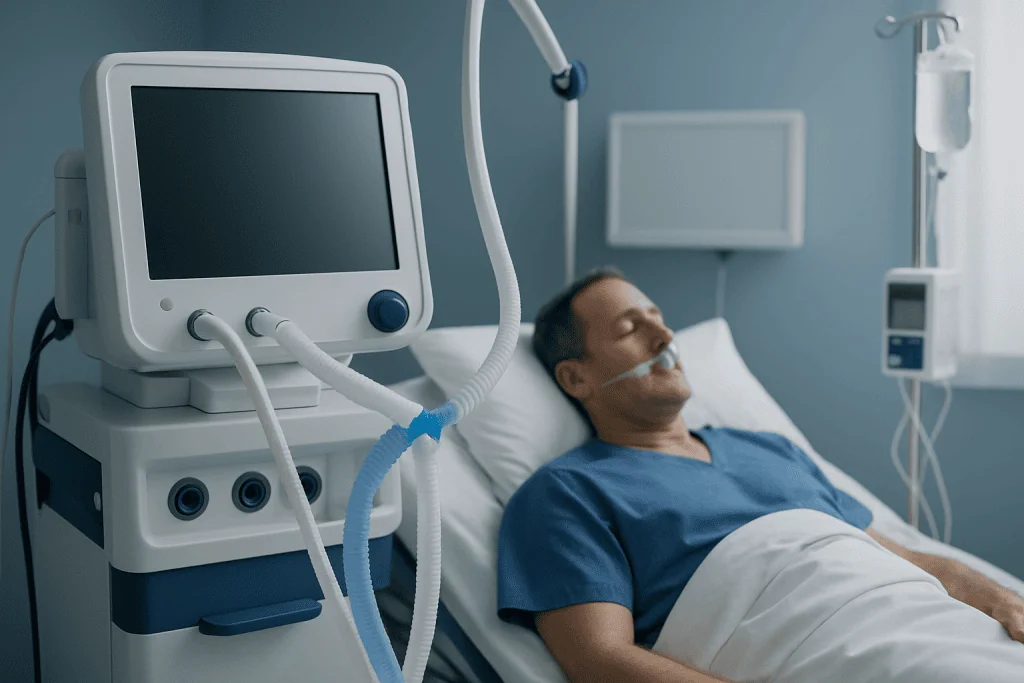
When breathing symptoms are more troublesome, supportive care may include pulmonary rehabilitation, breathing exercises guided by specialists, and treatment of any coexisting lung or sleep disorder. For people with nighttime breathing problems or low oxygen and carbon dioxide imbalance, noninvasive ventilatory support during sleep may be recommended.
In selected cases, surgery may be considered. Diaphragm plication can help certain patients with symptomatic unilateral paralysis by improving lung expansion mechanics. If a compressing lesion or surgically treatable cause is found, treating that problem may improve diaphragm function. Rarely, phrenic nerve reconstruction or pacing may be options in carefully chosen patients.
Because symptoms can overlap with many chest conditions, some people are also assessed with procedures such as bronchoscopy if doctors need to evaluate the airways or exclude another explanation for persistent breathing problems.
Prevention and self-care
Not every case of diaphragm dysfunction can be prevented, especially when it is related to unavoidable surgery or underlying neurological disease. Still, general respiratory health can make symptoms easier to manage. Avoiding smoking, staying physically active within safe limits, maintaining a healthy weight, and keeping chronic conditions well controlled may reduce overall breathing strain.
People who already have diaphragm weakness may benefit from practical adjustments. Sleeping with the head raised can help if breathing worsens when lying flat. Prompt treatment of respiratory infections is important, because weak cough and reduced ventilation can make mucus clearance harder.
Self-care should not replace medical review, but a few measures can support daily comfort:
- Follow prescribed breathing support or rehabilitation plans consistently
- Use good sleep positioning if orthopnea is present
- Stay up to date with recommended vaccines, such as influenza and pneumococcal vaccines when appropriate
- Seek guidance before starting strenuous exercise if breathing is limited
- Report new weakness, worsening fatigue, or sleep symptoms promptly
When to see a doctor
A person should seek medical evaluation if shortness of breath is new, persistent, or becoming worse. Breathing difficulty that is more noticeable when lying down, poor sleep with morning headaches, unexplained fatigue, or a weak cough can all suggest reduced diaphragm function and deserve assessment.
Urgent medical attention is needed for severe breathlessness, bluish lips, confusion, chest pain, or signs that breathing is failing. These symptoms can have many causes, and prompt evaluation is important. Children and infants with rapid breathing, feeding difficulty, or chest retractions should also be assessed without delay.
Care is often guided by pulmonologists, neurologists, thoracic surgeons, rehabilitation specialists, and sleep medicine experts working together. Acibadem International’s multidisciplinary specialists and JCI-accredited hospitals diagnose and treat diaphragm dysfunction and related breathing disorders for international patients.
Frequently asked questions
Can diaphragm dysfunction go away on its own?
Sometimes it can, especially when the problem is mild or related to temporary nerve irritation. Recovery depends on the cause, whether one or both sides are affected, and how long the dysfunction has been present. A doctor can monitor progress with follow-up examinations and testing.
Is diaphragm dysfunction the same as asthma or COPD?
No. Asthma and COPD affect the airways and lungs, while diaphragm dysfunction involves the main breathing muscle or its nerve supply. However, symptoms can overlap, so proper testing is important to tell them apart.
Why is breathing worse when lying flat?
When a person lies flat, the abdominal contents can push upward against a weak diaphragm. This can reduce lung expansion and make breathing feel more difficult. The symptom is especially common in bilateral diaphragm weakness.
What tests are most useful for diagnosing diaphragm dysfunction?
Doctors often use a combination of history, physical examination, chest X-ray, diaphragm ultrasound, and pulmonary function tests. In some cases, they add fluoroscopy, sleep studies, CT, MRI, or nerve and muscle testing to find the cause.
Can exercise help if the diaphragm is weak?
Gentle, supervised activity and pulmonary rehabilitation may improve overall conditioning and help a person use breathing more efficiently. Exercise should be tailored to the individual, especially if symptoms are significant. A clinician or respiratory therapist can advise what is safe.
When is surgery considered?
Surgery is not needed for everyone. It may be considered in selected people with persistent, symptomatic unilateral diaphragm paralysis or when a structural cause can be corrected. The decision depends on symptoms, test results, and overall health.
References
- American Thoracic Society
- European Respiratory Society
- National Heart, Lung, and Blood Institute
- National Institute of Neurological Disorders and Stroke
- Mayo Clinic
This article is for general information only and is not a substitute for professional medical advice. Please consult a qualified doctor about your individual situation.
Explore treatments in Turkey — costs, top hospitals & a free quote
JCI-accredited · board-certified surgeons · reply within 24h
Add us as a Preferred Source to see more of our trusted health content across Google Search, AI Overviews and Discover.