Differential Diagnosis: Diagnosis, Outlook, and Modern Treatment Approaches
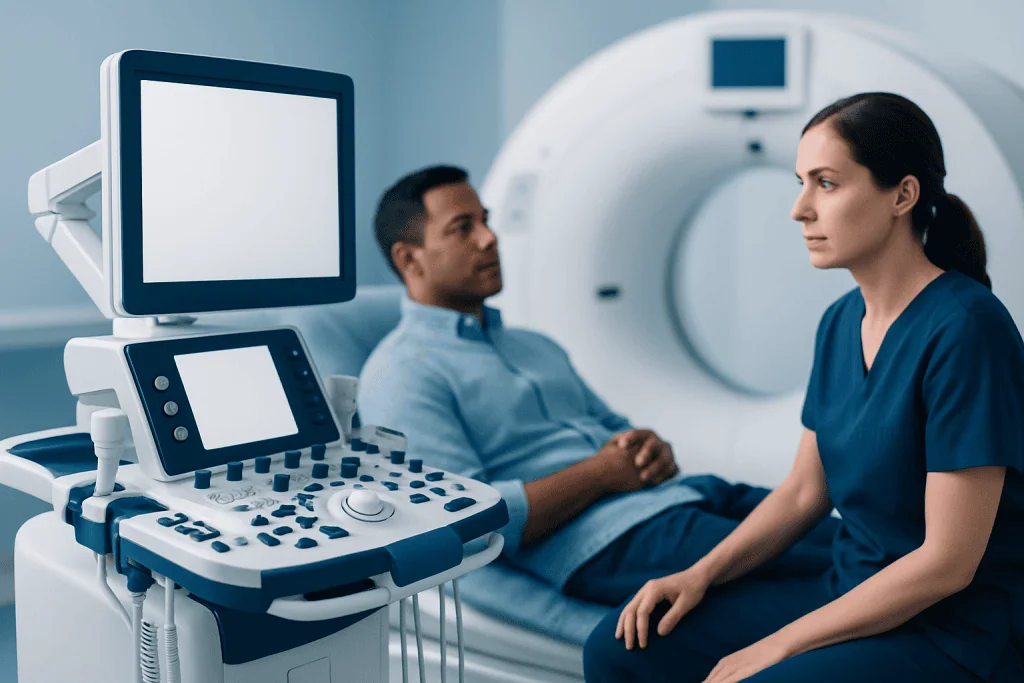
Differential diagnosis means listing and narrowing possible causes of a symptom or health problem. Doctors use the medical history, physical exam, and targeted tests to rule in or rule out conditions.
Key Takeaways
- Differential diagnosis means listing and narrowing possible causes of a symptom or health problem.
- Doctors use the medical history, physical exam, and targeted tests to rule in or rule out conditions.
- The process is especially important when symptoms are common, overlapping, or could signal more than one disease.
- A differential diagnosis may change over time as new symptoms, test results, or treatment responses appear.
- Prompt medical review is important if symptoms are severe, sudden, persistent, or associated with warning signs.
Differential diagnosis is the medical process of identifying the most likely cause of symptoms by comparing several possible conditions. It helps clinicians rule out urgent problems, choose the right tests, and guide treatment based on the best available evidence.
Overview: what differential diagnosis means
Differential diagnosis is the structured process doctors use to work out which condition is most likely causing a person’s symptoms. Rather than jumping to one conclusion, the clinician creates a short list of possible explanations, considers how likely each one is, and then uses the history, examination, and tests to narrow the list.
This approach is used across all areas of medicine. For example, chest pain could come from muscle strain, acid reflux, lung disease, anxiety, or a heart problem. A headache might be due to dehydration, infection, migraine, high blood pressure, or, less commonly, a neurological condition. Differential diagnosis helps doctors identify common causes while also making sure serious but treatable conditions are not missed.
In practice, differential diagnosis is not a single moment but an ongoing clinical decision-making process. The first impression may change when new symptoms appear, laboratory results return, or imaging provides more detail. This is one reason follow-up care is often as important as the initial appointment.
Why differential diagnosis matters
Many illnesses share similar symptoms, especially early on. Fever can happen with viral infections, bacterial infections, autoimmune conditions, and some cancers. Shortness of breath may result from asthma, pneumonia, heart failure, anemia, or a blood clot. Differential diagnosis helps clinicians sort through these overlaps carefully and logically.
A thoughtful differential diagnosis supports safer care in several ways. It helps identify emergencies quickly, avoids unnecessary testing, and reduces the chance of treating the wrong condition. It also allows doctors to explain why a particular test is recommended and what question that test is meant to answer.
For patients, understanding this process can make healthcare decisions feel clearer and less stressful. It explains why a doctor may ask detailed questions, recommend observation before ordering more tests, or refer someone to a specialist. These steps are part of narrowing the possibilities, not delaying care.
Differential diagnosis is especially valuable in complex situations, such as symptoms affecting more than one body system, long-lasting unexplained complaints, or conditions with uncommon presentations. In these cases, a multidisciplinary review may be helpful, including areas such as neurology or cardiology depending on the symptoms involved.
How doctors build a differential diagnosis

The process usually begins with the person’s story. Doctors ask when symptoms started, how they have changed, what makes them better or worse, and whether there are associated features such as fever, weight loss, pain, weakness, rash, or changes in bowel or bladder habits. Age, medical history, medications, family history, travel, occupational exposures, and lifestyle factors can all provide useful clues.
A physical examination follows. This may include checking vital signs, listening to the heart and lungs, feeling the abdomen, examining the skin, and assessing the nervous system. Physical findings often help determine whether a problem seems localized to one organ system or more generalized.
Clinicians then organize possible causes into broad categories, such as infectious, inflammatory, vascular, metabolic, autoimmune, neurological, structural, medication-related, or psychological. They consider both common conditions and important “do not miss” diagnoses. The goal is to balance probability with safety.
As the assessment continues, the differential diagnosis is refined. Some possibilities become less likely because symptoms do not fit, while others move higher on the list because they match the pattern more closely. In certain cases, doctors may start supportive treatment while still confirming the exact diagnosis.
Symptoms and scenarios that often require differential diagnosis
Almost any symptom can lead to a differential diagnosis, but some complaints particularly require careful comparison of several conditions. These include chest pain, abdominal pain, headache, dizziness, fatigue, fever, cough, shortness of breath, weight loss, joint pain, and changes in bowel habits. Because these symptoms are common, they may arise from minor illnesses or from conditions that need urgent treatment.
Neurological symptoms are another area where differential diagnosis is essential. Weakness, numbness, balance problems, memory changes, or speech difficulties can be caused by many different disorders, ranging from migraine and vitamin deficiency to stroke or inflammatory disease. Depending on the presentation, a doctor may consider stroke among the urgent possibilities that must be excluded quickly.
Digestive symptoms also often overlap. Bloating, abdominal cramps, diarrhea, or constipation may be related to infection, food intolerance, inflammatory bowel disease, ulcers, gallbladder disease, or functional disorders such as irritable bowel syndrome. The pattern over time, associated symptoms, and test results help separate these possibilities.
Some people have symptoms that come and go or seem to involve several body systems at once. In those cases, the doctor may look for conditions that connect the symptoms together, such as endocrine disorders, autoimmune disease, medication side effects, sleep problems, or chronic infections.
Tests used to narrow the diagnosis
Tests are chosen to answer specific clinical questions. Basic investigations may include blood tests, urine tests, throat or nasal swabs, stool tests, pregnancy tests, or electrocardiography. These can help detect infection, inflammation, anemia, metabolic problems, organ dysfunction, or heart rhythm abnormalities.
Imaging is often used when doctors need more information about body structures. Depending on the symptom pattern, this may involve X-rays, ultrasound, computed tomography, or magnetic resonance imaging. In some cases, advanced MRI or CT scan assessment helps identify or exclude structural causes that are not visible on routine examination.
Specialized tests may be recommended if a first round of evaluation does not provide enough answers. Examples include endoscopy, lung function testing, echocardiography, nerve studies, biopsies, or hormone testing. Doctors typically choose these tests selectively rather than all at once, based on the most likely causes.
Importantly, a normal test does not always end the diagnostic process. Some conditions evolve over time, and early findings can be subtle. If symptoms persist, worsen, or change, repeat assessment may be appropriate. This is one reason clinicians often discuss both current findings and next steps for follow-up.
Treatment approaches after differential diagnosis
Treatment depends on the final diagnosis or, in some cases, the most likely working diagnosis. Once urgent conditions have been ruled out and a probable cause has been identified, the care plan may include medication, lifestyle changes, monitoring, rehabilitation, procedures, or referral to a specialist. The key principle is that good treatment follows careful diagnosis.
Sometimes doctors begin treatment before every detail is confirmed, especially when symptoms are significant or when waiting would not be helpful. For example, supportive care may start while tests are pending, or an infection may be treated when the clinical picture strongly suggests it. Even then, the diagnosis is usually reviewed as results come back.
Modern treatment approaches also rely on coordinated care when symptoms affect more than one system. A patient with chest discomfort may need evaluation that includes laboratory testing, imaging, and consultation with heart specialists. If a cardiovascular cause remains a concern, targeted assessment such as cardiac MRI may help clarify the diagnosis in selected cases.
For patients with persistent, unexplained, or complex symptoms, multidisciplinary centers can be useful. Near the end of the diagnostic pathway, international patients may seek coordinated assessment at institutions such as Acibadem International, where multidisciplinary specialists in JCI-accredited hospitals diagnose and treat a wide range of conditions.
Prevention, self-care, and preparing for an appointment
Differential diagnosis itself is not something a person can prevent, but there are practical steps that can support faster and more accurate evaluation. Keeping a record of symptoms can be very helpful. Patients may note when symptoms began, how often they happen, triggers, severity, related symptoms, and whether anything improves or worsens them.
Bringing a list of medications, supplements, allergies, recent test results, and past diagnoses can also make the assessment more efficient. Family history matters too, especially for heart disease, autoimmune disease, cancer, neurological disorders, and inherited conditions. This information helps the doctor identify patterns and prioritize likely causes.
Self-care should focus on general safety while a diagnosis is being clarified. This may include rest, hydration, taking medicines only as directed, and avoiding activities that worsen symptoms. It is usually best not to self-diagnose or repeatedly change treatments without medical advice, because this can make symptoms harder to interpret.
If a doctor recommends follow-up, it is important to attend even if symptoms improve. Some conditions are intermittent, and the overall pattern over time can be essential to making the right diagnosis. A clear plan for what to watch for and when to return can improve outcomes.
When to seek medical care
Medical care should be sought promptly if symptoms are severe, sudden, rapidly worsening, or accompanied by warning signs. These include chest pain, trouble breathing, fainting, confusion, new weakness on one side, seizures, high fever with severe illness, significant dehydration, heavy bleeding, or severe abdominal pain. These symptoms can have many causes, but some require urgent treatment.
A doctor’s assessment is also important for symptoms that persist, keep returning, interfere with daily life, or do not improve as expected. Unexplained weight loss, ongoing fatigue, chronic cough, recurrent fever, changes in bowel habits, swelling, or new neurological symptoms should not be ignored. In children, older adults, pregnant people, and those with weakened immunity, earlier review is often recommended.
Even when symptoms seem mild, it is reasonable to arrange medical advice if there is uncertainty about what is causing them. Differential diagnosis works best when the clinician can evaluate the full picture, decide which possibilities are most important, and guide testing and treatment safely.
Frequently asked questions
What is differential diagnosis in simple terms?
Differential diagnosis is the process doctors use to compare possible causes of a symptom and identify the most likely one. It is a method of ruling conditions in or out rather than assuming there is only one explanation from the start.
Is differential diagnosis the same as a final diagnosis?
No. A differential diagnosis is a list of possible conditions being considered, while a final diagnosis is the condition judged most likely after assessment and testing. In some cases, the final diagnosis may change if new information appears later.
Why do doctors sometimes order several tests?
Many symptoms overlap across different illnesses, so one test may not answer every question. Doctors usually choose tests step by step to confirm likely causes, exclude urgent problems, and avoid unnecessary procedures.
Can a differential diagnosis change over time?
Yes. Symptoms can evolve, and early tests may be normal even when a condition is developing. Follow-up visits, repeat examinations, and new results can all change which diagnosis is considered most likely.
Does a normal test mean nothing is wrong?
Not always. Some conditions are intermittent, mild in the beginning, or not easily detected by a single test. If symptoms continue, a doctor may recommend monitoring, repeat testing, or referral to a specialist.
When should someone seek urgent care instead of waiting for an appointment?
Urgent care is appropriate for severe or sudden symptoms such as chest pain, difficulty breathing, fainting, confusion, one-sided weakness, seizures, or severe abdominal pain. These problems can have many causes, but some need rapid evaluation and treatment.
References
- World Health Organization
- Centers for Disease Control and Prevention
- National Institutes of Health
- MedlinePlus
- Mayo Clinic
This article is for general information only and is not a substitute for professional medical advice. Please consult a qualified doctor about your individual situation.
Persistent digestive symptoms? Get evaluated in Turkey
JCI-accredited · board-certified surgeons · reply within 24h
Add us as a Preferred Source to see more of our trusted health content across Google Search, AI Overviews and Discover.
Check your numbers in seconds
BMI, calories, due date, blood pressure and 30+ more clinical calculators — free, instant, doctor-reviewed ranges.