Digestive System Diagram Explained: Main Organs and Their Roles

The digestive system includes the mouth, esophagus, stomach, small intestine, large intestine, rectum, and anus. The liver, gallbladder, and pancreas are accessory organs that help digestion by producing or storing important digestive substances.
Key Takeaways
- The digestive system includes the mouth, esophagus, stomach, small intestine, large intestine, rectum, and anus.
- The liver, gallbladder, and pancreas are accessory organs that help digestion by producing or storing important digestive substances.
- Most nutrient absorption happens in the small intestine, while the large intestine mainly absorbs water and forms stool.
- Digestive system diagrams show both the path food takes and the organs that support digestion.
- Persistent pain, swallowing trouble, bleeding, or unexplained weight loss should be assessed by a doctor.
A digestive system diagram helps show how food moves through the body and how each organ supports digestion, absorption, and waste removal. Understanding the main organs and their roles can make common digestive symptoms and medical advice easier to follow.
Overview of the digestive system
A digestive system diagram is a visual way to understand how the body turns food into energy and nutrients. It usually shows a long, connected tube called the digestive tract, along with nearby organs that help digestion happen. Together, these structures break down food, absorb what the body needs, and remove waste.
The main digestive tract begins at the mouth and continues through the esophagus, stomach, small intestine, large intestine, rectum, and anus. Alongside this pathway are accessory organs, including the liver, gallbladder, and pancreas. These organs do not food passes through directly, but they play essential roles by making enzymes, bile, and other substances used in digestion.
A simple diagram can also help explain why symptoms occur in different parts of the abdomen. For example, swallowing problems may relate to the esophagus, upper abdominal discomfort may involve the stomach, and bloating or bowel habit changes may involve the intestines. While a diagram cannot diagnose a condition, it provides a useful map for understanding the digestive system and discussing concerns with a healthcare professional.
The main organs shown on a digestive system diagram
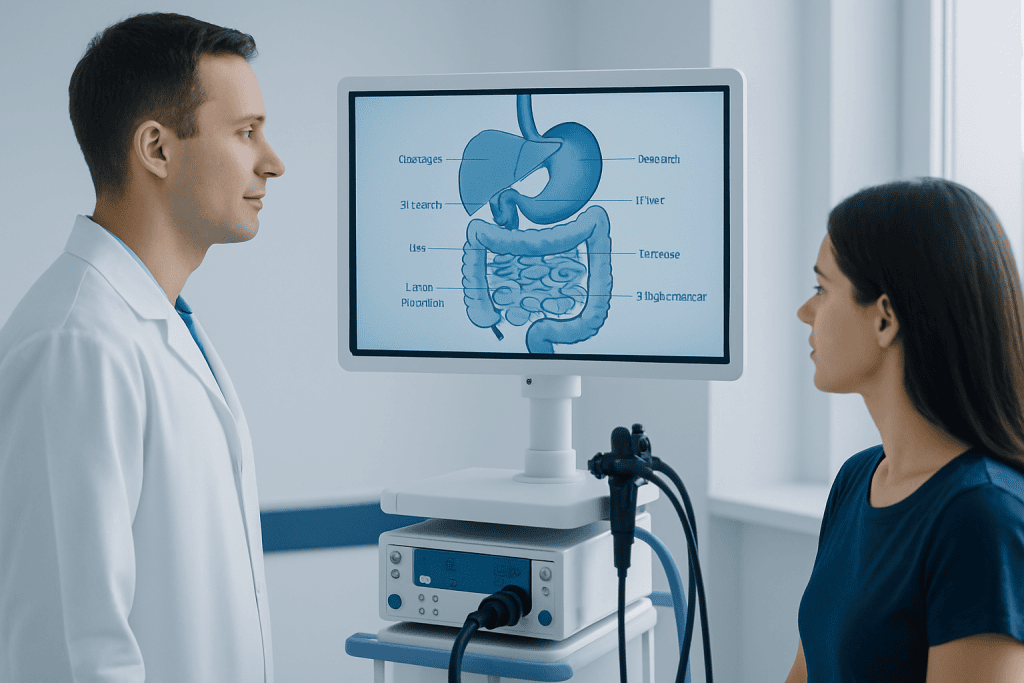
Most digestive system diagrams include the major organs in the order that food travels. The mouth is the starting point, where chewing breaks food into smaller pieces and saliva begins digestion. The tongue helps move food for swallowing, and the esophagus then carries it down to the stomach through coordinated muscle contractions.
The stomach stores food temporarily and mixes it with acid and digestive juices. From there, partially digested food moves into the small intestine, which is divided into the duodenum, jejunum, and ileum. This is the longest part of the digestive tract and the main site of nutrient absorption.
After the small intestine, the remaining material enters the large intestine, also called the colon. Here, water and some salts are absorbed, and the contents gradually become stool. The rectum stores stool until it is passed through the anus.
- Mouth: starts chewing and chemical digestion
- Esophagus: moves food to the stomach
- Stomach: mixes food with acid and enzymes
- Small intestine: completes much of digestion and absorbs nutrients
- Large intestine: absorbs water and forms stool
- Rectum and anus: store and eliminate waste
What the accessory organs do

Accessory organs are often included next to the digestive tract on a diagram because they support digestion in important ways. The liver is one of the body’s largest organs and has many functions, including producing bile. Bile helps break down fats so they can be absorbed more easily in the small intestine.
The gallbladder is a small organ located under the liver. It stores and concentrates bile until it is needed, usually after a meal containing fat. The pancreas also supports digestion by releasing enzymes into the small intestine to help break down carbohydrates, proteins, and fats.
Although these organs are not part of the pathway food travels through, problems affecting them can cause digestive symptoms. For example, gallstones may cause pain after eating, and pancreatic or liver disorders may affect digestion, appetite, or stool appearance. In some situations, doctors may investigate related conditions such as pancreatic cancer or liver and biliary disease when symptoms or test results suggest a deeper cause.
How digestion works from start to finish
Digestion begins before food even reaches the stomach. Seeing, smelling, or tasting food can stimulate saliva and digestive secretions. In the mouth, chewing makes food easier to swallow and increases its surface area so enzymes can begin breaking down carbohydrates.
Once swallowed, food moves down the esophagus into the stomach. The stomach churns food and mixes it with acid and enzymes, creating a semi-liquid material that passes gradually into the small intestine. In the first part of the small intestine, bile from the liver and gallbladder and enzymes from the pancreas continue the digestive process.
The lining of the small intestine is specially designed to absorb nutrients. Tiny finger-like structures increase surface area, helping the body take in vitamins, minerals, fats, proteins, carbohydrates, and water. Any material not absorbed then moves into the large intestine, where gut bacteria also play a role in processing leftovers and supporting bowel health.
Finally, the large intestine absorbs water and compacts waste. The rectum stores stool until bowel movements occur. This coordinated process depends on healthy muscles, nerves, hormones, digestive secretions, and blood flow, which is why digestion can be affected by many different medical conditions.
Why digestive system diagrams are useful in medicine
Doctors often use diagrams to explain symptoms, tests, and treatments in a clear way. A digestive system diagram can show where pain is coming from, how acid reflux happens, or why a blockage affects eating and bowel function. It may also help patients understand where endoscopy, imaging, or surgery is focused.
For example, symptoms such as heartburn may involve the esophagus and stomach, while long-lasting diarrhea may point more toward the small or large intestine. A doctor might use imaging or direct examination to look more closely at these areas. Depending on the concern, evaluation may include endoscopy, blood tests, stool tests, ultrasound, CT, or MRI.
Diagrams are also useful when discussing conditions that affect a specific organ. A patient with swallowing difficulty may need evaluation of the esophagus, while someone with persistent abdominal pain may need closer assessment of the stomach, intestines, gallbladder, or pancreas. In some cases, doctors may investigate disorders such as colon cancer if warning signs are present.
Common symptoms linked to different digestive organs
Different parts of the digestive system can cause different symptoms, although there is often overlap. Mouth or throat problems may cause chewing difficulty, pain with swallowing, or a feeling that food gets stuck. Esophageal problems can lead to heartburn, chest discomfort, regurgitation, or trouble swallowing.
Stomach-related symptoms may include nausea, upper abdominal discomfort, early fullness, bloating, or vomiting. Small intestine problems can affect nutrient absorption and may cause diarrhea, weight loss, cramping, or vitamin deficiencies. Conditions involving the pancreas, liver, or gallbladder can also cause upper abdominal pain, nausea, pale stools, dark urine, or jaundice.
Large intestine symptoms often include constipation, diarrhea, blood in stool, lower abdominal discomfort, urgency, or changes in bowel habits. Rectal and anal conditions may cause pain during bowel movements, itching, or bleeding. If symptoms are frequent, persistent, or worsening, a doctor can decide whether tests such as colonoscopy or other investigations are appropriate.
Keeping the digestive system healthy
Many everyday habits support digestive health. Eating a balanced diet with adequate fiber, drinking enough fluids, and staying physically active can help maintain regular bowel movements and support the normal movement of food through the digestive tract. Eating slowly and chewing well may also reduce discomfort after meals.
Limiting smoking and excess alcohol can benefit the digestive tract and related organs such as the liver and pancreas. Some people also find it helpful to avoid foods that trigger reflux, bloating, or abdominal discomfort. Because triggers vary from person to person, keeping a symptom diary may help identify patterns.
Regular medical care is important for people with ongoing symptoms, a family history of digestive disease, or age-related screening needs. Depending on a person’s history and symptoms, doctors may recommend tests to evaluate the digestive tract or nearby organs. In selected cases, procedures such as ERCP may be used to diagnose or treat problems affecting the bile ducts or pancreas.
Near the end of the care pathway, some patients may seek specialist evaluation at centers with coordinated gastroenterology, radiology, surgery, and oncology services. Acibadem International’s multidisciplinary specialists and JCI-accredited hospitals diagnose and treat digestive conditions for international patients when advanced assessment is needed.
When to see a doctor
Many digestive complaints are mild and short-lived, especially after dietary changes, stress, or a brief stomach upset. However, medical advice is important when symptoms last longer than expected, keep returning, or interfere with eating, sleep, hydration, or daily activities. A healthcare professional can help determine whether symptoms are functional, inflammatory, infectious, or related to another medical condition.
Prompt assessment is especially important for trouble swallowing, vomiting that does not settle, blood in vomit or stool, black stools, unexplained weight loss, yellowing of the skin or eyes, severe abdominal pain, or ongoing changes in bowel habits. These symptoms do not always mean a serious illness, but they should not be ignored.
Children, older adults, pregnant people, and those with chronic illnesses may need earlier evaluation because dehydration, malnutrition, or complications can develop more quickly. If there is sudden severe pain, fainting, signs of dehydration, or inability to pass stool or gas with abdominal swelling, urgent medical attention is appropriate.
Frequently asked questions
What is the digestive system in simple terms?
The digestive system is the group of organs that breaks food down into nutrients the body can use. It also absorbs water and removes waste through bowel movements.
What organs are usually shown on a digestive system diagram?
Most diagrams show the mouth, esophagus, stomach, small intestine, large intestine, rectum, and anus. They often also include the liver, gallbladder, and pancreas because these organs help digestion.
Which organ does most nutrient absorption?
Most nutrient absorption takes place in the small intestine. Its inner lining is designed to absorb vitamins, minerals, fats, proteins, carbohydrates, and much of the water from food.
What is the difference between the small intestine and large intestine?
The small intestine mainly completes digestion and absorbs nutrients. The large intestine mainly absorbs water, supports stool formation, and stores waste before it is passed.
Can a digestive system diagram help diagnose a problem?
A diagram itself cannot diagnose a condition, but it helps explain where organs are and what they do. Doctors use this kind of visual guide alongside symptoms, examination, and tests such as blood work, imaging, or endoscopy.
Why are the liver, gallbladder, and pancreas important for digestion?
These organs make or store substances that help break food down. The liver produces bile, the gallbladder stores it, and the pancreas releases digestive enzymes into the small intestine.
References
- National Institute of Diabetes and Digestive and Kidney Diseases
- NHS
- MedlinePlus
- American College of Gastroenterology
- Mayo Clinic
This article is for general information only and is not a substitute for professional medical advice. Please consult a qualified doctor about your individual situation.
Persistent digestive symptoms? Get evaluated in Turkey
JCI-accredited · board-certified surgeons · reply within 24h
Add us as a Preferred Source to see more of our trusted health content across Google Search, AI Overviews and Discover.