Digestive System Function: How Food Is Broken Down and Absorbed

Digestion begins in the mouth and continues through the stomach and intestines. The liver, gallbladder, and pancreas help digest fats, proteins, and carbohydrates.
Key Takeaways
- Digestion begins in the mouth and continues through the stomach and intestines.
- The liver, gallbladder, and pancreas help digest fats, proteins, and carbohydrates.
- Most nutrient absorption happens in the small intestine, while the large intestine mainly absorbs water and electrolytes.
- Digestive symptoms such as ongoing pain, bleeding, weight loss, or trouble swallowing should be assessed by a doctor.
- Healthy eating, hydration, fiber, movement, and regular medical care support digestive health.
The digestive system turns food into nutrients the body can use for energy, growth, and repair. This process involves several organs working together to break down food mechanically and chemically, absorb water and nutrients, and remove waste.
Overview of Digestive System Function
Digestive system function refers to the body’s process of breaking food down into smaller parts, absorbing useful nutrients, and removing what is left over. This system provides the energy and building blocks needed for everyday life, including movement, thinking, healing, and immune function. Although digestion may seem simple, it depends on a highly coordinated sequence of muscular movements, enzymes, hormones, and organ activity.
The digestive tract is a long, connected tube that begins at the mouth and ends at the rectum and anus. Along the way, food passes through the esophagus, stomach, small intestine, and large intestine. Supporting organs such as the liver, gallbladder, and pancreas do not food pass through them directly, but they release substances that help digestion happen efficiently.
Each part of the digestive system has a specific role. Some organs move food forward, some break it into smaller pieces, and others absorb nutrients into the bloodstream. When this process works well, the body receives proteins, fats, carbohydrates, vitamins, minerals, and water in forms it can use.
Digestive function can be influenced by diet, hydration, age, stress, physical activity, medications, infections, and medical conditions. Understanding how digestion works can help people recognize symptoms early and support long-term gut health with practical everyday habits.
How Digestion Begins in the Mouth and Continues to the Stomach
Digestion starts before food even reaches the stomach. In the mouth, chewing breaks food into smaller pieces, making it easier to swallow and increasing the surface area available for enzymes. Saliva moistens food and contains enzymes that begin digesting carbohydrates. The tongue helps move food into a soft mass, called a bolus, which is then swallowed.
After swallowing, food moves down the esophagus through rhythmic muscular contractions called peristalsis. These coordinated waves push food toward the stomach. A ring of muscle at the lower end of the esophagus opens to let food enter the stomach and then closes again. This helps prevent stomach contents from moving backward.
In the stomach, food is mixed with acid and digestive enzymes. Stomach acid helps break down food and supports the digestion of proteins, while muscular churning turns the meal into a semi-liquid substance. The stomach also acts as a temporary storage organ, releasing food gradually into the small intestine rather than all at once.
The stomach lining is specially designed to tolerate acid, but when its protective balance is disrupted, symptoms such as heartburn, indigestion, or inflammation may develop. Many common digestive complaints begin in this upper part of the digestive tract, which is why persistent symptoms should not be ignored.
The Role of the Small Intestine, Liver, Gallbladder, and Pancreas

The small intestine is the main site of digestion and nutrient absorption. As partially digested food enters from the stomach, it mixes with bile from the liver and gallbladder and enzymes from the pancreas. These digestive juices help break carbohydrates into sugars, proteins into amino acids, and fats into fatty acids and other smaller components.
The liver produces bile, which helps the body digest and absorb fats. The gallbladder stores and concentrates bile until it is needed. The pancreas releases enzymes and bicarbonate, a substance that helps neutralize stomach acid as food enters the small intestine. This creates a safer environment for digestion to continue.
The inner lining of the small intestine contains tiny finger-like projections called villi and even smaller structures called microvilli. Together, they create a very large surface area for absorption. Nutrients pass through the intestinal wall into the blood or lymphatic system, where they are transported to the liver and then distributed to the rest of the body.
If this part of the system is affected by inflammation, infection, food intolerance, or another digestive disorder, nutrient absorption may be reduced. That can lead to symptoms such as bloating, diarrhea, fatigue, weight loss, or vitamin deficiencies. In some cases, doctors may evaluate symptoms for problems such as Crohn’s disease or other conditions that affect the bowel.
What the Large Intestine Does
After nutrients have been absorbed in the small intestine, the remaining material moves into the large intestine, also called the colon. The large intestine absorbs water and electrolytes, helping the body maintain fluid balance. It also compacts waste into stool, which is stored in the rectum until it leaves the body.
The colon is home to a complex community of bacteria and other microorganisms often called the gut microbiome. These organisms help ferment certain undigested carbohydrates and fibers, producing compounds that may support the health of the intestinal lining and influence immunity and metabolism. A balanced microbiome is associated with better digestive function, although it can be affected by diet, illness, and antibiotics.
Normal bowel habits vary from person to person. Some people pass stool more than once a day, while others do so a few times a week. What matters most is a consistent pattern that does not involve pain, significant straining, or sudden unexplained change. Constipation, diarrhea, or blood in the stool should be discussed with a doctor if ongoing.
When the large intestine is irritated or inflamed, symptoms can include abdominal cramping, bloating, gas, and altered bowel habits. Doctors may recommend testing if there are persistent concerns, especially in older adults or anyone with warning signs such as weight loss, anemia, or rectal bleeding.
How the Body Absorbs Nutrients and Uses Them
Nutrient absorption is one of the most important parts of digestive system function. Carbohydrates are usually broken down into simple sugars, which are absorbed into the bloodstream and used for energy. Proteins are broken into amino acids, which support growth, tissue repair, enzymes, hormones, and immune function. Fats are digested into smaller molecules that can be absorbed and used for energy, cell structure, and hormone production.
Vitamins and minerals are also absorbed at different points in the digestive tract. Some need stomach acid, bile, or specific proteins to be absorbed properly. Water is absorbed in both the small and large intestines, while electrolytes such as sodium and potassium help regulate fluid balance, nerve function, and muscle activity.
After absorption, many nutrients first travel to the liver. The liver processes, stores, and redistributes them according to the body’s needs. This organ also helps remove toxins and plays an important role in metabolism. If nutrient absorption is impaired, a person may feel tired, weak, dizzy, or notice skin, hair, or weight changes over time.
Digestive symptoms are not always caused by poor absorption, but certain patterns may suggest it. Chronic diarrhea, pale or greasy stool, unexplained weight loss, or signs of deficiency can prompt medical evaluation. Depending on symptoms, clinicians may use blood tests, stool tests, imaging, or endoscopic procedures such as colonoscopy to investigate further.
Common Digestive Problems That Can Affect Function
Many conditions can interfere with normal digestion. Some are temporary, such as viral stomach infections, while others are long-term and require monitoring. Common examples include acid reflux, gastritis, peptic ulcers, constipation, diarrhea, food intolerances, irritable bowel syndrome, and inflammatory bowel disease. The symptoms and severity vary widely from person to person.
Upper digestive symptoms may include heartburn, nausea, fullness after meals, or trouble swallowing. Lower digestive symptoms often include bloating, abdominal pain, excess gas, constipation, diarrhea, or changes in stool. Some people may also experience fatigue or appetite changes, especially when symptoms last for weeks or months.
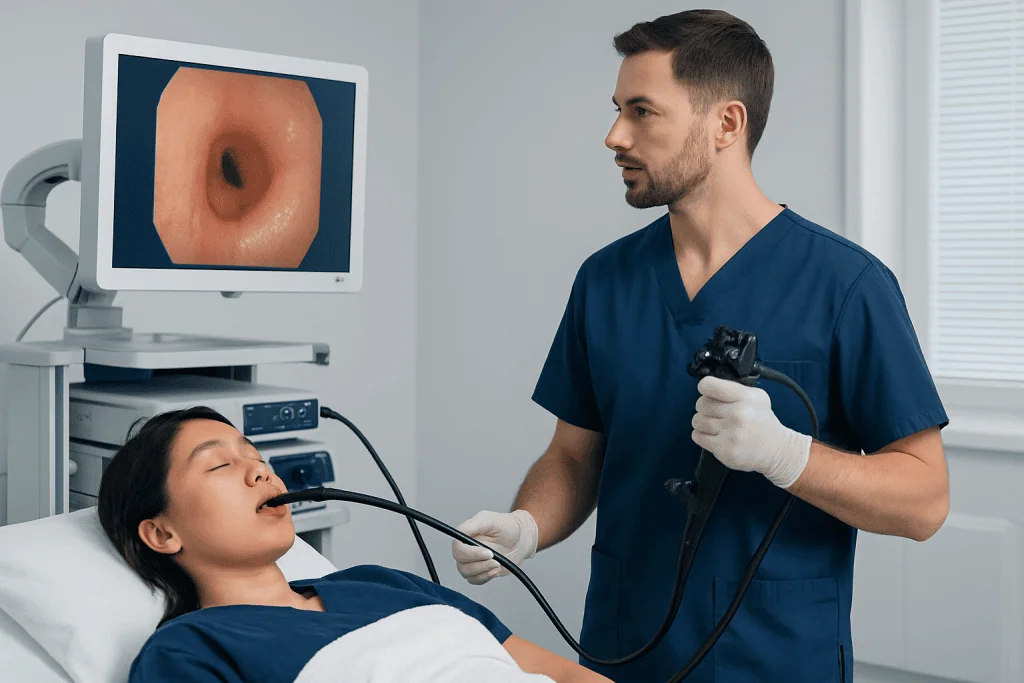
Doctors diagnose digestive conditions by listening to symptoms, examining the abdomen, and choosing tests based on the likely cause. These tests may include blood tests, stool analysis, ultrasound, CT, MRI, endoscopy, or upper gastrointestinal endoscopy. In certain cases, evaluation may also look for conditions such as ulcerative colitis when ongoing inflammation is suspected.
Not every digestive symptom means serious disease. However, persistent symptoms deserve proper assessment because early diagnosis can help prevent complications and improve comfort, nutrition, and quality of life.
Supporting Healthy Digestion: Prevention and Self-care
Daily habits play an important role in digestive health. Eating regular, balanced meals that include fruits, vegetables, whole grains, legumes, and other fiber-rich foods can support bowel regularity and nourish the gut microbiome. Drinking enough water helps the intestines move waste more effectively and may reduce constipation in some people.
Physical activity encourages normal bowel movement and supports overall metabolic health. Eating slowly, chewing well, and avoiding large heavy meals close to bedtime may reduce indigestion and reflux symptoms. Some people benefit from keeping a food and symptom diary to identify patterns related to lactose, fatty foods, spicy foods, alcohol, or other triggers.
It is also helpful to use medications carefully. Nonsteroidal anti-inflammatory drugs, certain antibiotics, iron supplements, and other medicines can affect the stomach or bowels. A doctor or pharmacist can advise whether symptoms may be medication-related and whether adjustments are needed. Smoking cessation and limiting alcohol may also improve digestive well-being.
People with ongoing symptoms should avoid self-diagnosing for long periods. Professional guidance is especially important if there is recurrent abdominal pain, persistent vomiting, significant change in bowel habits, or concern about malabsorption. In some cases, further assessment with tests such as endoscopy may be recommended to clarify the cause.
When to See a Doctor
Occasional indigestion, constipation, or mild stomach upset can happen to many people. Still, medical advice is important when symptoms are persistent, recurrent, or affecting daily life. A doctor can help determine whether the issue is related to diet, stress, infection, medication, or an underlying digestive condition.
Warning signs that should not be ignored include difficulty swallowing, ongoing vomiting, blood in vomit or stool, black stool, unexplained weight loss, fever with abdominal pain, new symptoms after age 50, or anemia. Severe abdominal pain, signs of dehydration, or inability to keep fluids down need urgent care.
Evaluation often begins with a medical history, physical examination, and simple tests. From there, treatment depends on the cause and may include diet changes, medication, monitoring, or procedural care. Early attention often makes digestive problems easier to manage and can help protect long-term nutrition and health.
For people seeking specialist assessment, Acibadem International’s multidisciplinary teams in JCI-accredited hospitals evaluate and treat digestive conditions for international patients. The most appropriate care plan depends on the person’s symptoms, test results, age, medical history, and overall health.
Frequently asked questions
What is the main function of the digestive system?
The main function of the digestive system is to break food into nutrients the body can absorb and use. It also helps remove waste after useful substances such as water, vitamins, minerals, fats, proteins, and carbohydrates have been processed.
Where does digestion begin?
Digestion begins in the mouth. Chewing breaks food into smaller pieces, and saliva starts the chemical digestion of carbohydrates before food travels down the esophagus to the stomach.
Which organ absorbs most nutrients?
Most nutrient absorption happens in the small intestine. Its lining has villi and microvilli that create a large surface area, allowing nutrients to pass into the blood and lymph efficiently.
What do the liver, gallbladder, and pancreas do in digestion?
The liver makes bile, which helps digest fats. The gallbladder stores bile until it is needed, and the pancreas releases digestive enzymes and bicarbonate to help break down food and neutralize stomach acid.
Why is fiber important for digestive health?
Fiber helps support regular bowel movements and can nourish beneficial gut bacteria. It may also help stool hold water, making it easier to pass and supporting overall colon health.
When should someone worry about digestive symptoms?
A person should seek medical advice if symptoms are persistent, severe, or changing over time. Blood in the stool, ongoing vomiting, unexplained weight loss, trouble swallowing, black stool, or severe abdominal pain need prompt medical assessment.
References
- World Health Organization
- National Institute of Diabetes and Digestive and Kidney Diseases
- National Health Service
- Mayo Clinic
- American College of Gastroenterology
This article is for general information only and is not a substitute for professional medical advice. Please consult a qualified doctor about your individual situation.
Explore treatments in Turkey — costs, top hospitals & a free quote
JCI-accredited · board-certified surgeons · reply within 24h
Add us as a Preferred Source to see more of our trusted health content across Google Search, AI Overviews and Discover.

More from the Health Library



Related Specialists

Dr. Mustafa Demirel
Emergency Service
Dr. Haci Balkaya
Anesthesiology
Assoc. Prof. Dr. Nicel Taşdemir
Gynecology & Obstetrics
Dr. Mehmet Murat Çuhadaroğlu
Nuclear Medicine