Digestive System: What Patients Need to Know

The digestive system includes the mouth, esophagus, stomach, liver, gallbladder, pancreas, small intestine, large intestine, rectum, and anus. Common digestive symptoms include heartburn, bloating, abdominal pain, nausea, constipation, diarrhea, and changes in appetite or bowel habits.
Key Takeaways
- The digestive system includes the mouth, esophagus, stomach, liver, gallbladder, pancreas, small intestine, large intestine, rectum, and anus.
- Common digestive symptoms include heartburn, bloating, abdominal pain, nausea, constipation, diarrhea, and changes in appetite or bowel habits.
- Many digestive concerns are temporary, but persistent, severe, or worsening symptoms need medical evaluation.
- Diagnosis may involve a medical history, physical exam, blood tests, stool tests, imaging, or endoscopy.
- Digestive health is supported by a balanced diet, hydration, movement, stress management, and appropriate medical care.
The digestive system is the body’s food-processing network. It moves food from the mouth to the intestines, breaks it down into nutrients, absorbs what the body needs, and helps remove waste.
Overview: what the digestive system does
The digestive system is the group of organs that takes in food, breaks it into smaller parts, absorbs nutrients, and removes waste. This process provides the body with energy, building blocks for growth and repair, and the water and minerals needed for normal function. Although many people think mainly of the stomach, digestion involves several organs working together in a coordinated way.
Digestion begins in the mouth, where chewing and saliva start breaking food down. Food then travels through the esophagus to the stomach, where acid and digestive enzymes help continue the process. From there, food moves into the small intestine, where most nutrient absorption happens. The large intestine absorbs water and helps form stool, which is later passed through the rectum and anus.
Other organs support digestion without food passing directly through them. The liver makes bile, which helps digest fats. The gallbladder stores and releases bile. The pancreas produces enzymes and bicarbonate to help break down food and protect the intestines from stomach acid. When any part of this system is irritated, inflamed, blocked, or not working properly, digestive symptoms can develop.
How the digestive system works from start to finish
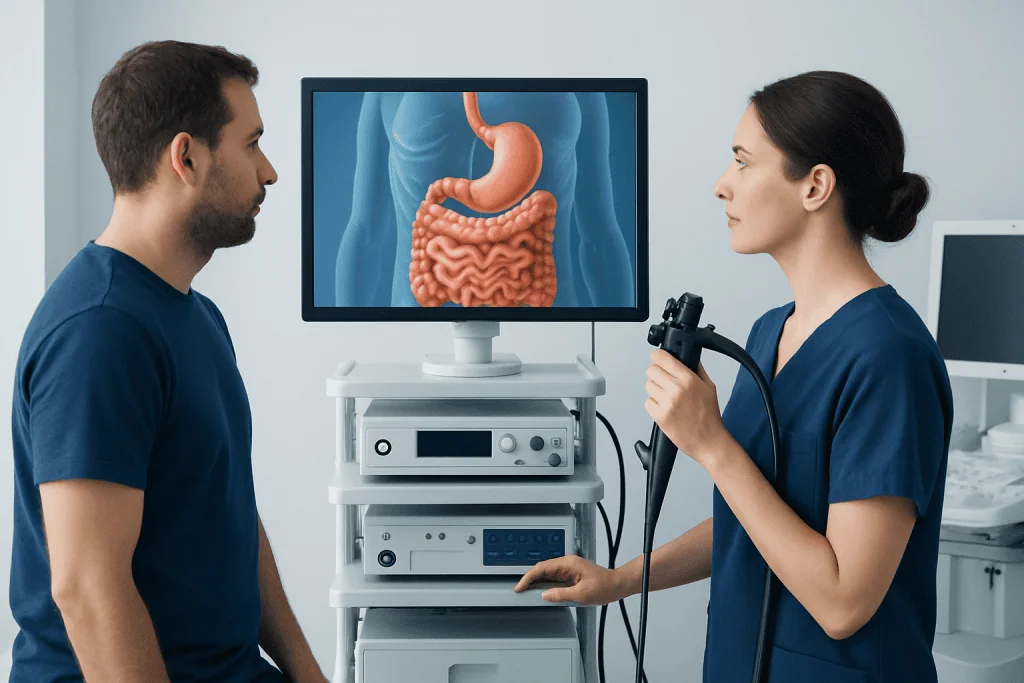
Each step of digestion has a specific purpose. In the mouth, teeth break food into smaller pieces and saliva begins digesting carbohydrates. The esophagus uses muscular contractions, called peristalsis, to push food toward the stomach. In the stomach, food mixes with acid and enzymes, becoming a semi-liquid mixture that is gradually released into the small intestine.
The small intestine has three sections: the duodenum, jejunum, and ileum. Here, bile from the liver and gallbladder and enzymes from the pancreas help digest fats, proteins, and carbohydrates. The lining of the small intestine absorbs most vitamins, minerals, fats, proteins, and sugars into the bloodstream. This is the main site where the body takes in nutrition from food.
The large intestine, also called the colon, mainly absorbs water and electrolytes. It also contains a large community of microorganisms, often called the gut microbiome, which helps with some aspects of digestion and supports overall health. Stool then collects in the rectum until it is passed. This entire process can take different amounts of time depending on the person, the foods eaten, hydration, activity level, and general health.
- Mouth: chewing and saliva begin digestion
- Esophagus: moves food to the stomach
- Stomach: mixes food with acid and enzymes
- Small intestine: digests food further and absorbs nutrients
- Liver, gallbladder, pancreas: provide bile and digestive enzymes
- Large intestine: absorbs water and forms stool
Common digestive symptoms and what they may mean

Digestive symptoms are common and often short-lived, especially after dietary changes, infections, stress, or certain medicines. Symptoms can include bloating, gas, nausea, vomiting, heartburn, abdominal discomfort, constipation, diarrhea, and changes in appetite. Some people notice symptoms after particular foods, while others have ongoing issues without a clear trigger.
Symptoms can come from many different causes. Heartburn may happen when stomach contents flow back into the esophagus, as in acid reflux. Ongoing upper abdominal pain, nausea, or bloating may be related to indigestion, inflammation, ulcers, or gallbladder problems. Lower abdominal pain with bowel changes may point to infection, food intolerance, irritable bowel syndrome, inflammatory bowel disease, or other intestinal conditions.
The pattern of symptoms matters. Brief symptoms after a large meal are often less concerning than symptoms that are severe, frequent, or progressive. Weight loss without trying, difficulty swallowing, blood in stool, black stools, persistent vomiting, or pain that wakes a person from sleep deserve prompt medical attention. These signs do not always mean a serious disease, but they should not be ignored.
Causes and risk factors that affect digestive health
Digestive problems can result from infection, inflammation, food intolerances, medication side effects, structural problems, autoimmune disease, or conditions affecting gut movement. Common examples include viral gastroenteritis, constipation, peptic ulcers, reflux disease, gallstones, liver disease, celiac disease, and inflammatory bowel disease. Some symptoms also come from non-digestive causes, which is one reason a proper medical assessment is important.
Lifestyle and habits also influence digestive health. A low-fiber diet, not drinking enough fluids, physical inactivity, smoking, frequent alcohol use, and ongoing stress can contribute to symptoms. Some medicines, including certain pain relievers, antibiotics, iron supplements, and treatments that affect stomach acid or bowel movement, may trigger digestive side effects in some people.
Age, family history, and existing health conditions can raise risk as well. For example, a family history of colon disease, autoimmune disorders, or some cancers may increase the need for screening or earlier evaluation. People with diabetes, thyroid disease, neurological conditions, or prior abdominal surgery may also develop digestive symptoms related to altered motility or anatomy.
Sometimes digestive symptoms reflect a specific condition that needs targeted care, such as Crohn’s disease or chronic inflammation of the stomach, intestine, liver, or pancreas. Identifying the cause helps guide treatment and can prevent complications.
How doctors evaluate digestive system concerns
Evaluation usually starts with a medical history and physical examination. A doctor may ask when symptoms started, what makes them better or worse, whether they are linked to meals, and whether there are red-flag features such as bleeding, fever, or unintentional weight loss. They may also review medications, diet, travel, family history, and stress levels.
Basic testing can include blood tests, stool studies, and tests for infection or inflammation. Imaging such as ultrasound, computed tomography, or magnetic resonance imaging may be used when doctors need to look at abdominal organs in more detail. Depending on symptoms, a person may also be referred for endoscopic evaluation.
Endoscopy allows doctors to examine the inside of the digestive tract. An upper endoscopy looks at the esophagus, stomach, and first part of the small intestine. A colonoscopy examines the large intestine and can help investigate bleeding, bowel habit changes, inflammation, polyps, or cancer risk. If swallowing problems or reflux are significant, endoscopy may help identify irritation, ulcers, narrowing, or other causes.
In some cases, additional tests are needed to study how food moves through the gut, whether nutrients are being absorbed properly, or whether there is a problem in the liver, gallbladder, or pancreas. The goal is not only to confirm a diagnosis, but also to rule out urgent or serious conditions safely and efficiently.
Treatment options for digestive system disorders
Treatment depends on the cause. Many short-term digestive problems improve with hydration, temporary dietary adjustments, and rest. For example, a mild stomach virus may only need supportive care, while constipation may improve with more fluids, fiber, physical activity, or physician-recommended medicines. Persistent or recurrent symptoms usually need a more specific plan.
Doctors may recommend medications to reduce acid, control nausea, regulate bowel movements, treat infection, reduce inflammation, or manage pain safely. Food-related conditions may require eliminating a trigger, such as lactose or gluten, but restrictive diets should ideally be guided by a qualified clinician or dietitian to avoid unnecessary nutrient loss.
Some digestive conditions require procedures or surgery. Polyps found during a colonoscopy can often be removed at the same time. Gallbladder disease may lead to gallbladder surgery if symptoms are frequent or complications develop. More complex conditions involving the colon or rectum may occasionally require colon and rectal surgery.
When symptoms are ongoing, treatment often works best when it addresses both the disease and daily habits that affect the gut. Near the end of the care journey, some patients may benefit from multidisciplinary follow-up. Acibadem International’s multidisciplinary specialists and JCI-accredited hospitals diagnose and treat digestive conditions for international patients when specialist evaluation is needed.
Everyday habits that support the digestive system
Healthy routines can help the digestive system work more smoothly. Eating regular meals, chewing food well, staying hydrated, and including fiber-rich foods such as vegetables, fruits, legumes, and whole grains can support bowel regularity. Fiber should usually be increased gradually, since adding too much too quickly can worsen bloating or gas in some people.
Physical activity helps stimulate normal bowel movement and supports general health. Stress management can also matter, because the digestive tract and nervous system are closely connected. Some people notice more indigestion, cramping, or bowel changes during periods of stress, poor sleep, or irregular eating patterns.
It is often helpful to notice patterns rather than assume all symptoms come from one food or one diagnosis. A symptom diary that tracks meals, medicines, bowel habits, and discomfort can provide useful information for a clinician. People should be cautious with over-the-counter remedies or supplements if symptoms are persistent, because self-treatment can sometimes mask an underlying problem.
- Eat balanced meals and avoid rushing through food
- Drink enough water throughout the day
- Include fiber gradually and regularly
- Stay physically active
- Limit smoking and excess alcohol
- Seek medical advice for persistent or unusual symptoms
When to seek medical care
Many digestive symptoms settle within a few days, but some situations need medical advice sooner. A person should contact a doctor if symptoms are persistent, keep returning, interfere with eating or daily life, or do not improve with simple self-care. New symptoms in an older adult, or symptoms in someone with a strong family history of digestive disease, also deserve evaluation.
Urgent medical care is important for severe abdominal pain, vomiting that does not stop, dehydration, blood in vomit or stool, black stools, trouble swallowing, jaundice, fainting, chest pain, or sudden swelling of the abdomen. These symptoms can have many causes, but they should be assessed promptly.
Preventive care matters too. People at average risk may need colon cancer screening starting at the recommended age, while those with family history or symptoms may need earlier assessment. A doctor can advise which tests are appropriate based on age, symptoms, and personal risk factors.
Frequently asked questions
What is the digestive system in simple terms?
The digestive system is the body’s way of turning food into energy and nutrients. It includes the organs that move food, break it down, absorb what the body needs, and remove waste.
Which organs are part of the digestive system?
The digestive system includes the mouth, esophagus, stomach, small intestine, large intestine, rectum, and anus. The liver, gallbladder, and pancreas also support digestion by making or storing substances that help break down food.
What are common signs of a digestive problem?
Common signs include heartburn, nausea, bloating, gas, abdominal pain, constipation, diarrhea, and changes in appetite or bowel habits. If these symptoms are severe, persistent, or associated with bleeding, weight loss, or trouble swallowing, medical evaluation is important.
Can stress affect the digestive system?
Yes. Stress can influence how the digestive tract moves and how sensitive it feels, which may worsen symptoms such as cramping, indigestion, bloating, or bowel changes. Managing stress does not replace medical care, but it can be an important part of symptom control.
How can someone keep the digestive system healthy?
Helpful habits include eating a balanced diet, drinking enough water, being physically active, and getting adequate sleep. Avoiding smoking, limiting excess alcohol, and seeking medical advice for ongoing symptoms can also support digestive health.
When should someone worry about digestive symptoms?
A person should seek medical advice if symptoms last more than a few days, return often, or disrupt normal life. Urgent care is needed for severe pain, dehydration, persistent vomiting, blood in stool or vomit, black stools, jaundice, or difficulty swallowing.
This article is for general information only and is not a substitute for professional medical advice. Please consult a qualified doctor about your individual situation.
Persistent digestive symptoms? Get evaluated in Turkey
JCI-accredited · board-certified surgeons · reply within 24h
Add us as a Preferred Source to see more of our trusted health content across Google Search, AI Overviews and Discover.

More from the Health Library

High Frequency Wand: What Patients Need to Know

Over the Counter Gas Relievers — Explained by Medical Evidence, Not Myths

Gut Health Probiotics: A Complete Medical Overview

Kidney: What Patients Need to Know

Actos — Explained by Medical Evidence, Not Myths

Thrush in Mouth: An Evidence-Based Guide for Patients
Gastroenterology Specialists at Acibadem

Prof. Dr. Yaşar Çolak
Gastroenterology
Prof. Dr. Yusuf Serdar Sakin
Gastroenterology
Prof. Dr. Züleyha Akkan Çetinkaya
Gastroenterology
Assoc. Prof. Dr. Abdullah Okan
Gastroenterology