Dipg Treatment: How It Works, Results and What to Expect

DIPG is now commonly classified as diffuse midline glioma, H3 K27-altered, when molecular testing confirms this change. Radiation therapy is the established first treatment because it can temporarily reduce tumor-related symptoms and slow growth.
Key Takeaways
- DIPG is now commonly classified as diffuse midline glioma, H3 K27-altered, when molecular testing confirms this change.
- Radiation therapy is the established first treatment because it can temporarily reduce tumor-related symptoms and slow growth.
- Surgery is generally not used to remove DIPG because the tumor grows within the pons, an area that controls essential functions.
- Clinical trials may offer access to carefully studied investigational medicines, radiation approaches, or delivery methods.
- Palliative and supportive care should begin early alongside tumor-directed treatment to address symptoms and family needs.
DIPG treatment is planned by a pediatric neuro-oncology team and most often includes radiation therapy, supportive care, and consideration of clinical trials. Although DIPG remains very difficult to cure, treatment can help preserve comfort, function, and quality of life while research continues to develop better approaches.
Overview: How DIPG Treatment Works
DIPG treatment aims to control symptoms, slow tumor growth when possible, and support a child’s daily comfort and function. DIPG stands for diffuse intrinsic pontine glioma, a tumor that develops in the pons, a part of the brainstem involved in movement, balance, swallowing, breathing, and other vital activities. Many tumors previously called DIPG are now diagnosed using the modern term diffuse midline glioma, H3 K27-altered, when a characteristic molecular change is identified.
The main established treatment is focal radiation therapy. It does not usually eliminate the tumor permanently, but it often improves symptoms for a period of time and may temporarily slow progression. Care is individualized by a team that may include pediatric neuro-oncologists, radiation oncologists, neurologists, neuroradiologists, neurosurgeons, rehabilitation specialists, psychologists, and palliative-care professionals.
Because the tumor is diffuse and located in a highly sensitive part of the brainstem, treatment decisions carefully balance potential benefit with possible burden. Families should be given clear information about standard treatment, supportive care, molecular testing, and appropriate clinical-trial opportunities.
Who May Be a Candidate for DIPG Treatment?
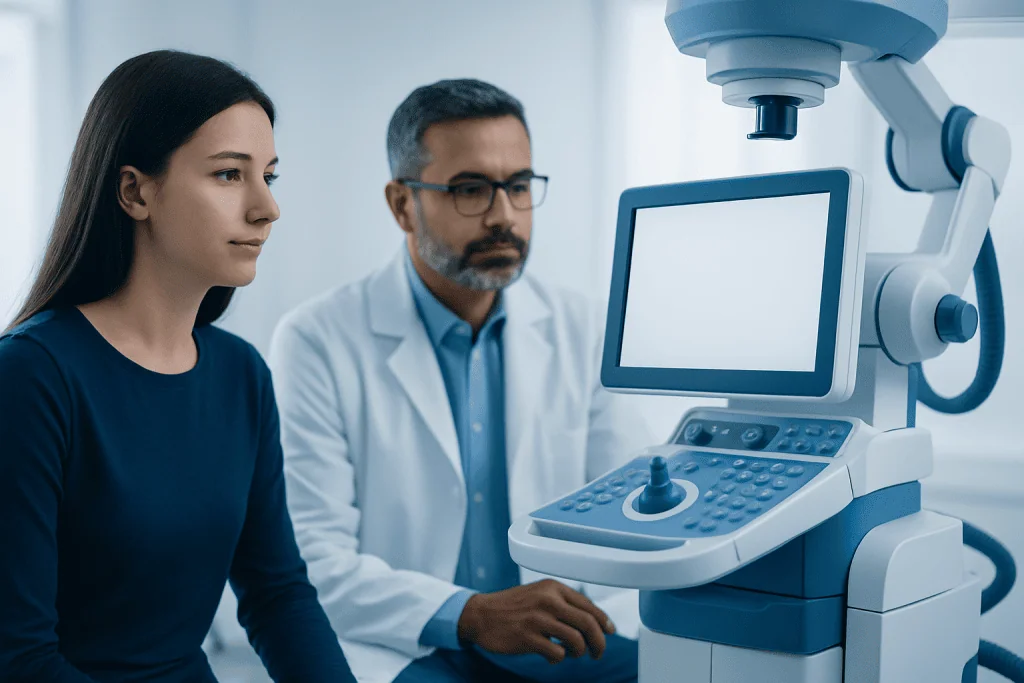
Children with symptoms and MRI findings typical of DIPG are usually assessed promptly by a specialist pediatric brain tumor team. A diagnosis may be based largely on characteristic MRI features, although a stereotactic biopsy is increasingly considered at experienced centers when it can be performed safely. Biopsy can confirm the diagnosis and identify molecular features that may guide eligibility for a clinical trial.
Radiation therapy is commonly considered for children with a newly diagnosed tumor and for some children whose tumor progresses after an initial response. The care team considers the child’s symptoms, age, MRI findings, overall health, prior treatments, family goals, and the likely benefits and burdens of each option.
Clinical trial eligibility varies. Some studies are designed for newly diagnosed diffuse midline glioma, while others are intended for recurrent or progressive disease. Eligibility may depend on tumor tissue results, prior therapy, organ function, ability to attend visits, and other safety criteria. Trial participation is voluntary, and standard supportive treatment remains important whether or not a child joins a study.
The DIPG Treatment Process: Step by Step
The first step is a detailed assessment. The team reviews the child’s symptoms, neurological examination, and high-quality MRI scans of the brain; imaging of the spine may also be advised in selected circumstances. If biopsy is recommended, the family discusses its potential value, possible risks, and how the results could affect treatment planning.
Before radiation begins, the child has a planning appointment called simulation. A fitted mask or other positioning device helps keep the head still and allows the treatment team to target the tumor while limiting radiation exposure to nearby healthy tissues. Younger children may need anesthesia or sedation for planning and daily sessions so they can remain still safely.
Radiation is generally delivered on weekdays over several weeks. Each daily session is usually brief, though preparation and anesthesia can make the visit longer. The child does not feel the radiation while it is being delivered. Doctors and nurses monitor symptoms closely and may prescribe medicines such as corticosteroids when swelling around the tumor contributes to symptoms.
After the planned course, follow-up visits and MRI scans help the team assess symptoms, treatment effects, and tumor changes. If the tumor grows later, options may include symptom-directed medicines, repeat radiation for selected children, and a clinical trial. Decisions are revisited over time because needs and priorities can change.
Benefits, Limits and Possible Risks of Treatment
The most meaningful benefit of initial radiation therapy is often a temporary improvement or stabilization in neurological symptoms. Children may experience better balance, speech, strength, headache control, or swallowing ability as tumor-related swelling decreases. The duration and degree of benefit differ greatly from one child to another.
Radiation may cause tiredness, temporary scalp or skin irritation in the treated area, nausea, headache, and short-term worsening of symptoms due to swelling. Teams can often help manage these effects with supportive medicines, nutrition support, rehabilitation, and careful monitoring. Longer-term effects are also considered, although the immediate focus is often symptom control and quality of life.
Systemic treatments, including chemotherapy, targeted drugs, immunotherapies, and medicines delivered through specialized techniques, are being studied in clinical trials. At present, no drug treatment has been proven to cure DIPG. Investigational treatment can involve side effects and frequent monitoring, so families should receive a balanced explanation of expected benefits, uncertainties, alternatives, and practical commitments.
Surgery to remove the tumor is not generally possible because DIPG infiltrates the pons rather than forming a safely removable mass. Surgery may instead be used selectively for biopsy or for a specific complication, as determined by an experienced neurosurgical team.
Supportive Care, Recovery and Daily Life
Recovery after radiation is not a single event; it is a period of ongoing assessment and support. Some treatment-related tiredness can continue for days or weeks after the course is complete. If symptoms improve, physical therapy, occupational therapy, speech and swallowing therapy, and school support may help a child make the most of that improvement.
Supportive or palliative care is appropriate from diagnosis and is not limited to end-of-life care. It works alongside tumor-directed treatment to manage pain, nausea, sleep difficulties, anxiety, mobility concerns, nutrition needs, communication changes, and the emotional impact on the child and family. It can also help families discuss goals of care and make decisions that reflect what matters most to them.
Families may find it helpful to keep a record of symptoms, medicines, eating and drinking, energy levels, falls, and new functional changes. This gives the clinical team useful information between scheduled appointments. Practical support from social workers, school staff, psychologists, child-life specialists, and community services can reduce some of the day-to-day strain.
Acibadem International’s multidisciplinary specialists and JCI-accredited hospitals can evaluate and treat pediatric brain tumors for international patients, with care plans coordinated across relevant specialties.
How Quickly Does DIPG Progress?
DIPG can progress relatively quickly, but the pace is not identical for every child. Symptoms may develop over weeks to months and can include problems with balance, walking, eye movements, facial weakness, speech, swallowing, or headaches. Changes may occur as the tumor affects brainstem pathways or causes swelling.
Following radiation therapy, many children have a period of symptom improvement or stability, but the tumor commonly begins to grow again over time. MRI results are interpreted together with the child’s clinical condition because scans can sometimes show treatment-related changes that do not perfectly reflect how a child is feeling.
New or rapidly worsening symptoms should be reported to the child’s treatment team without waiting for the next planned appointment. The team can assess whether symptoms are related to tumor progression, swelling, infection, medication effects, dehydration, or another treatable cause.
Is DIPG the Deadliest Cancer?
DIPG is one of the most serious childhood brain tumors because it occurs in a critical brainstem location and has not yet had a reliably curative treatment. It is appropriate to describe the condition as aggressive, but comparisons such as “the deadliest cancer” can oversimplify cancer outcomes, which differ by tumor type, age group, location, biology, and access to treatment.
Its difficult prognosis is linked to several factors: the tumor cells spread through the pons, surgery cannot safely remove the disease, and many medicines have not shown lasting benefit in clinical studies. Molecular research has improved understanding of diffuse midline glioma and is helping researchers design more specific treatments.
Honest conversations with an experienced pediatric neuro-oncology team can help families understand what the diagnosis means for their child, what treatment may realistically achieve, and how symptoms and quality of life can be supported at every stage.
Do Any Kids Survive DIPG? Will DIPG Ever Be Cured?
Some children live longer than expected after a DIPG diagnosis, and rare long-term survivors have been reported. However, long-term survival remains uncommon with current standard treatment. In some cases, a tumor initially thought to be DIPG is later found through biopsy and molecular testing to have a different biology, which can influence outlook and treatment options.
Whether DIPG will be cured cannot be predicted. Research is active and includes targeted therapies based on tumor biology, immunotherapy, improved drug-delivery techniques, and combinations of radiation with new medicines. Progress in laboratory research and carefully conducted clinical trials is essential, but families should be cautious about claims that any unproven approach can cure the condition.
For each child, the most useful next step is a review by a specialized team that can confirm the diagnosis, discuss standard radiation, evaluate clinical-trial options, and build a comprehensive symptom-support plan. Seeking a second expert opinion can also be reasonable when major treatment decisions are being made.
Frequently asked questions
What is the standard DIPG treatment?
Focal radiation therapy is the standard initial treatment for most children with DIPG. It can temporarily improve symptoms and slow tumor growth, but it does not usually provide a lasting cure. Supportive care and consideration of suitable clinical trials are also important parts of treatment.
Why can DIPG not usually be removed with surgery?
DIPG grows diffusely within the pons, a brainstem area that controls essential functions such as movement, swallowing, and breathing. Removing tumor tissue from this area would carry a high risk of serious neurological harm. A small biopsy may be considered at specialized centers to clarify the tumor’s molecular features.
Can radiation therapy cure DIPG?
Radiation therapy is not considered curative for DIPG with current evidence. It is used because many children have temporary symptom relief or stabilization after treatment. The care team will explain the likely goals and possible side effects for an individual child.
Are clinical trials available for DIPG?
Clinical trials may be available at pediatric neuro-oncology centers and may study new medicines, drug-delivery methods, radiation strategies, or treatment combinations. Availability and eligibility depend on factors such as diagnosis, molecular testing, prior treatment, and the child’s overall condition. A specialist team can help families review appropriate options.
When should a child with DIPG seek urgent medical care?
Urgent medical attention is needed for severe or rapidly worsening headache, repeated vomiting, marked sleepiness or confusion, a seizure, breathing difficulty, choking, sudden weakness, or an inability to drink safely. Parents or caregivers should also contact the treatment team promptly for a significant change in walking, speech, swallowing, vision, or behavior. If symptoms are severe or immediate, local emergency services should be used.
How can families support a child during DIPG treatment?
Families can help by keeping regular contact with the care team, reporting new symptoms early, and following guidance about medicines, nutrition, hydration, and therapy appointments. Emotional support, age-appropriate communication, school planning, and help from social work or psychological services can also be valuable. Palliative-care services can support comfort and quality of life throughout treatment.
References
- World Health Organization Classification of Tumours Editorial Board
- National Cancer Institute
- Children's Oncology Group
- American Cancer Society
- International Society of Paediatric Oncology
This article is for general information only and is not a substitute for professional medical advice. Please consult a qualified doctor about your individual situation.
Oncology care in Turkey — second opinion and treatment plan
JCI-accredited · board-certified surgeons · reply within 24h
Add us as a Preferred Source to see more of our trusted health content across Google Search, AI Overviews and Discover.

More from the Health Library


Related Specialists

Dr. Zübeyr Kavcar
Pediatrics
Fzt. Neslihan Yıldızdağı
Pediatric Rehabilitation
Assoc. Prof. Dr. Yeşim Sağlıcan
Pathology
Assoc. Prof. Dr. Emine Acar Akkaya
Nuclear Medicine