Disability Qualification: Which Medical Conditions May Be Considered?

A diagnosis alone does not automatically qualify someone for disability. Decision-makers usually look at functional limits, treatment history, and medical documentation.
Key Takeaways
- A diagnosis alone does not automatically qualify someone for disability.
- Decision-makers usually look at functional limits, treatment history, and medical documentation.
- Both physical and mental health conditions may be considered.
- Symptoms generally need to be significant, long-term, and affect work-related activities.
- Clear records from qualified healthcare professionals are important during evaluation.
Disability qualification is usually based on how a health condition affects a person’s ability to work and manage daily life, rather than on diagnosis alone. Many physical and mental health conditions may be considered when symptoms are severe, long-lasting, and supported by medical evidence.
Overview
Disability qualification refers to the process used to determine whether a person’s medical condition causes enough limitation to affect work capacity and important daily activities. The exact rules vary by country, insurer, employer, and public benefit system. In most settings, the decision is not based only on the name of a disease, but on how much the condition limits function over time.
Many people assume there is a fixed list of diagnoses that automatically qualify. In reality, many medical conditions may be considered, but they usually must be documented by a healthcare professional and shown to cause meaningful impairment. This often includes limits in walking, standing, lifting, concentrating, communicating, self-care, or maintaining a regular work schedule.
Disability evaluation commonly takes into account symptom severity, expected duration, response to treatment, test results, and the person’s ability to perform job-related tasks. Some systems use detailed medical criteria, while others focus more broadly on whether the person can continue previous work or adjust to another type of work.
Which Medical Conditions May Be Considered?
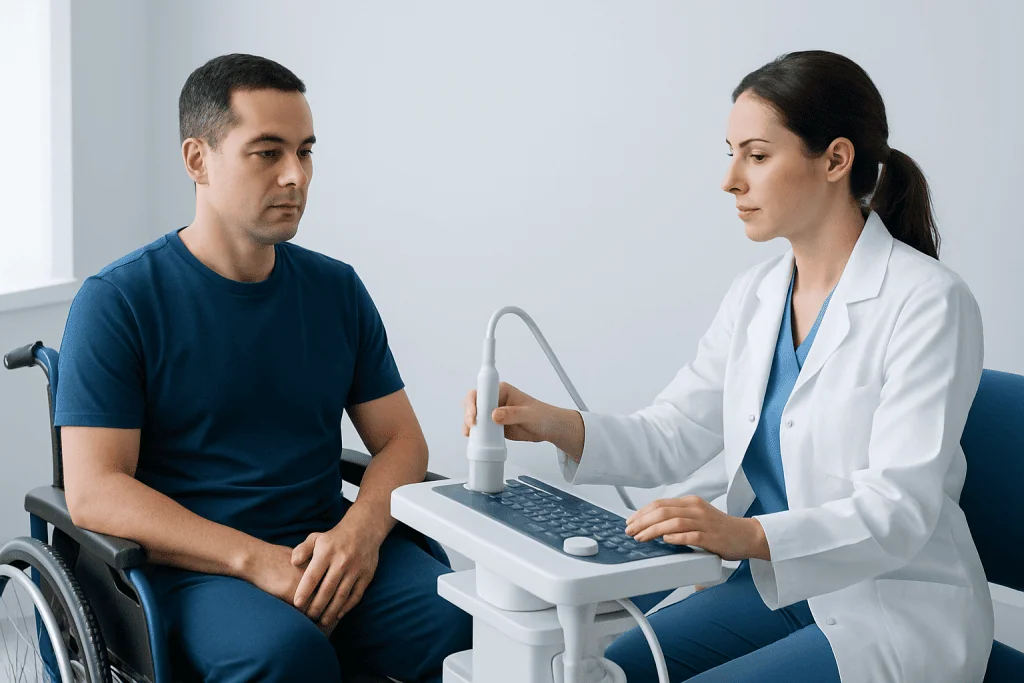
A wide range of conditions may be considered in disability qualification if they are severe enough and supported by medical evidence. These can include disorders affecting movement, heart and lung function, vision or hearing, digestion, kidney function, immunity, pain, and mental health. In general, the key question is how the condition affects day-to-day function and reliable work performance.
Examples of commonly considered categories include:
- Musculoskeletal disorders such as severe arthritis, chronic back disorders, spinal injuries, and joint disease
- Neurological conditions such as stroke, epilepsy, multiple sclerosis, Parkinson’s disease, neuropathy, and traumatic brain injury
- Cardiovascular and respiratory diseases such as heart failure, serious arrhythmias, chronic obstructive lung disease, and advanced asthma
- Endocrine and metabolic conditions such as complicated diabetes with nerve, kidney, or eye involvement
- Autoimmune and inflammatory diseases such as lupus, rheumatoid arthritis, and inflammatory bowel disease
- Cancer and the effects of cancer treatment
- Mental health conditions such as major depressive disorder, bipolar disorder, schizophrenia, post-traumatic stress disorder, and severe anxiety disorders
- Sensory impairments including significant vision loss or hearing loss
Some people live with more than one condition at the same time. Even if each diagnosis alone does not meet a specific threshold, the combined effect may still create major limitations. For example, chronic pain together with depression, fatigue, or poor sleep may substantially reduce stamina, concentration, and attendance.
In some cases, the underlying diagnosis may be less important than the pattern of symptoms. Chronic fatigue, cognitive slowing, recurrent flare-ups, or medication side effects can all contribute to disability when they are persistent and well documented.
Symptoms and Functional Limitations That Matter Most

When disability qualification is reviewed, decision-makers often focus on functional limitations rather than diagnosis alone. Functional limitations describe what a person can and cannot do safely, consistently, and independently. This includes physical abilities, mental performance, communication, social interaction, and tolerance for a regular schedule.
Important physical limitations may include difficulty standing, walking, climbing stairs, using the hands, lifting objects, bending, sitting for long periods, or controlling pain despite treatment. For some people, shortness of breath, dizziness, weakness, or frequent medical episodes make even light activity difficult.
Mental and cognitive limitations can also be highly relevant. These may include reduced concentration, memory problems, slowed thinking, panic attacks, emotional instability, trouble following instructions, poor stress tolerance, or difficulty interacting appropriately with others in a work setting.
Reliability is often a major part of the evaluation. A person may be able to perform a task once, but not repeatedly throughout the day or week. Frequent symptom flare-ups, fatigue, need for unscheduled breaks, medical appointments, or recurring hospitalizations may strongly affect whether regular employment is realistic.
Causes, Risk Factors, and Why Qualification Varies
Medical conditions that lead to disability can arise from many causes, including chronic disease, injury, congenital disorders, infections, autoimmune disease, cancer, aging-related degeneration, or mental health disorders. However, having one of these conditions does not automatically mean a person will qualify. Two people with the same diagnosis may have very different symptom severity and different ability levels.
Qualification varies because disability systems usually consider multiple factors. These may include age, education, type of work history, expected duration of illness, treatment response, and whether symptoms are likely to improve. A condition that limits a physically demanding job may affect one person differently than someone whose job is mainly desk-based.
Risk factors for long-term disability often include advanced disease, delayed diagnosis, repeated flare-ups, chronic pain, nerve damage, complications affecting multiple organs, and coexisting mental health concerns. Limited access to treatment or rehabilitation can also worsen functional decline over time.
Some conditions are episodic, meaning symptoms come and go. Even so, they may still be considered if episodes are frequent, unpredictable, or severe enough to disrupt normal functioning. What matters most is consistent evidence showing how the condition affects real-life ability over time.
How Disability Is Evaluated and Diagnosed
Disability qualification usually involves a structured review of medical records and functional impact. This may include doctor notes, hospital records, imaging, laboratory results, mental health assessments, medication history, physical therapy reports, and statements about daily limitations. In some systems, a formal functional capacity evaluation or independent medical examination may be requested.
Healthcare professionals often document symptoms, physical findings, test results, and treatment response over months or years. This ongoing record can be very important, especially for conditions that are not visible from the outside. Clear descriptions of fatigue, pain patterns, cognitive changes, or flare frequency can help explain the true impact of illness.
Mental health conditions are evaluated with the same seriousness as physical conditions, but they also require careful documentation. Clinical interviews, psychological assessments, therapy records, and notes about concentration, mood, judgment, social function, and daily routine may all contribute to the review.
It is usually helpful for records to show not only the diagnosis, but also what treatments were tried, how symptoms changed, and what limitations remained despite care. If a condition involves the brain, nerves, mobility, or pain, specialist evaluation such as neurology assessment or a structured physical therapy and rehabilitation program may help define functional limits more clearly.
Treatment, Management, and Supportive Care
Disability qualification does not mean treatment stops. Many people continue medical care, rehabilitation, counseling, or symptom management while their condition is being evaluated. In fact, evidence that a person is receiving appropriate treatment often helps show that symptoms are persistent despite reasonable care.
Treatment depends on the underlying condition and may include medication, surgery, psychotherapy, occupational therapy, physical therapy, lifestyle changes, assistive devices, or long-term disease monitoring. The goal is often to improve function, reduce symptoms, and support independence as much as possible.
For some people, rehabilitation is especially important. A person recovering from stroke, serious injury, spinal disease, or neurological illness may benefit from coordinated rehabilitation to improve movement, communication, balance, and self-care skills. When cancer or its treatment contributes to disability, supportive follow-up through services such as medical oncology care may also be part of long-term management.
If symptoms are linked to more than one condition, care may involve several specialists working together. Near the end of the care pathway, some international patients seek comprehensive evaluation at centers such as Acibadem International, where multidisciplinary specialists in JCI-accredited hospitals diagnose and treat complex conditions while also helping clarify function and rehabilitation needs.
Self-care, Documentation, and Practical Preparation
People living with disabling symptoms may benefit from practical self-care and careful recordkeeping. This includes taking medications as prescribed, attending follow-up visits, following rehabilitation plans, and discussing side effects or new symptoms promptly. These steps support health and create a clearer medical picture over time.
Keeping a symptom diary can be useful. A diary may note pain levels, fatigue, breathing difficulty, falls, panic episodes, sleep disruption, flare-ups, or days when normal activities were not possible. Writing down how long a person can sit, stand, walk, or concentrate may help doctors better understand daily limitations.
It is also helpful to organize medical documents, test reports, hospital discharge summaries, and specialist opinions. Information about work demands, missed days, need for assistance, or inability to complete routine tasks can provide context beyond test results alone.
Self-care should not replace professional medical advice. If symptoms are worsening or not improving, a doctor may recommend further testing, specialist review, or treatment for related conditions such as depression or multiple sclerosis when these are part of the overall picture.
When to See a Doctor
A person should see a doctor if symptoms are persistent, worsening, or interfering with work, self-care, mobility, communication, or emotional well-being. Early medical evaluation can help identify treatable causes and prevent avoidable complications. It also creates a record that may later be important if disability qualification becomes necessary.
Prompt evaluation is especially important for warning signs such as chest pain, sudden weakness, severe shortness of breath, new confusion, fainting, seizures, major vision changes, thoughts of self-harm, or loss of bladder or bowel control. These symptoms may indicate urgent medical problems and should not be ignored.
People should also seek review if they are missing work repeatedly, needing frequent help at home, or finding it hard to manage routine activities despite ongoing treatment. A doctor can assess whether symptoms reflect disease progression, medication side effects, a new condition, or the need for rehabilitation and supportive care.
If disability paperwork is being considered, it is wise to discuss it openly with a qualified healthcare professional. Accurate medical documentation, a realistic description of function, and follow-up over time usually provide the strongest basis for a fair evaluation.
Frequently asked questions
Does a diagnosis automatically qualify someone for disability?
No. In most systems, a diagnosis by itself is not enough. The key issue is whether the condition causes significant, lasting functional limitations that affect work and daily activities.
What kinds of medical conditions are commonly considered?
Many conditions may be considered, including severe musculoskeletal, neurological, heart, lung, autoimmune, cancer-related, sensory, and mental health disorders. What matters most is the documented impact of the condition, not just the condition name.
Can mental health conditions qualify for disability?
Yes. Mental health conditions such as major depression, bipolar disorder, schizophrenia, PTSD, and severe anxiety disorders may be considered when they substantially impair concentration, social functioning, judgment, or the ability to maintain regular work.
Why is medical documentation so important?
Medical documentation helps show that symptoms are real, ongoing, and severe enough to limit function. Records from doctors, therapists, hospitals, and test results can help explain how a condition affects daily life over time.
Can someone qualify based on more than one condition?
Yes. Some people have several conditions that together create greater limitations than any one diagnosis alone. Evaluators often consider the combined effect on stamina, mobility, concentration, reliability, and independence.
How long do symptoms usually need to last?
This depends on the rules of the benefit system or insurer, but the condition usually needs to be long-term or expected to last for a substantial period. Short-lived problems that improve quickly are less likely to meet disability criteria.
Should a person keep working while applying for disability?
That depends on their health, job demands, and local rules. Because this can affect both safety and eligibility, it is best discussed with a doctor and, when appropriate, a qualified legal or benefits professional.
References
- World Health Organization
- U.S. Social Security Administration
- Centers for Disease Control and Prevention
- National Institute of Mental Health
- National Institutes of Health
This article is for general information only and is not a substitute for professional medical advice. Please consult a qualified doctor about your individual situation.
Explore treatments in Turkey — costs, top hospitals & a free quote
JCI-accredited · board-certified surgeons · reply within 24h
Add us as a Preferred Source to see more of our trusted health content across Google Search, AI Overviews and Discover.