Diverticulitis Symptoms: Possible Causes and When to Seek Care

Diverticulitis symptoms often start with steady lower abdominal pain, commonly on the left side. Fever, nausea, bloating, constipation, or diarrhea may occur along with abdominal tenderness.
Key Takeaways
- Diverticulitis symptoms often start with steady lower abdominal pain, commonly on the left side.
- Fever, nausea, bloating, constipation, or diarrhea may occur along with abdominal tenderness.
- Not every person with diverticula develops diverticulitis, and symptoms can resemble other abdominal conditions.
- Diagnosis usually involves a medical history, physical exam, blood tests, and often a CT scan.
- Mild cases may improve with rest, fluids, and prescribed medicines, while severe cases can require hospital care.
- Urgent medical attention is needed for severe pain, high fever, vomiting, fainting, or signs of bleeding.
Diverticulitis symptoms commonly include ongoing abdominal pain, usually on the lower left side, along with fever, bloating, nausea, and constipation or diarrhea. Because these symptoms can overlap with other digestive problems, prompt medical assessment is important if pain is severe, persistent, or accompanied by fever or vomiting.
Overview: what diverticulitis symptoms usually feel like
Diverticulitis symptoms most often include a constant pain in the abdomen, usually in the lower left side, rather than brief cramping that comes and goes. Many people also notice fever, bloating, nausea, loss of appetite, and a change in bowel habits such as constipation or diarrhea. The discomfort can build over hours or a day and may worsen with movement, coughing, or pressure on the belly.
Diverticulitis happens when small pouches in the wall of the colon, called diverticula, become inflamed or infected. Having diverticula alone is called diverticulosis, which often causes no symptoms at all. Diverticulitis is different because it produces active inflammation and tends to cause more noticeable and persistent pain than simple indigestion or gas.
Symptoms can vary in intensity. Some people have a mild episode with tenderness and low-grade fever, while others develop more severe pain, vomiting, or difficulty eating and drinking. Because these symptoms overlap with problems such as appendicitis, kidney stones, irritable bowel syndrome, and colitis, a medical evaluation helps identify the cause and guide treatment.
Common symptoms and how they can differ from ordinary stomach upset
The most typical sign is abdominal pain that stays in one area and does not quickly ease after passing gas or having a bowel movement. In many adults, the pain is felt in the lower left abdomen because that is where diverticulitis commonly affects the colon. Tenderness when the area is touched is also common.
Other diverticulitis symptoms may include:
- Fever or chills
- Bloating or a sense of fullness
- Nausea and sometimes vomiting
- Constipation, diarrhea, or alternating bowel habits
- Reduced appetite
- Pain that becomes worse over time
Unlike a brief stomach bug or food-related discomfort, diverticulitis usually causes more focused pain and often lasts longer than a few hours. Some people also feel generally unwell or fatigued. If symptoms are recurrent or if there is rectal bleeding, a doctor may also consider related colon conditions, including diverticulosis.
Older adults may not always develop a high fever, even when inflammation is significant. For that reason, persistent localized abdominal pain should not be ignored just because temperature is normal. Any symptom pattern that feels unusual, severe, or progressively worse deserves medical attention.
Possible causes and risk factors

Diverticulitis develops in a section of the colon that already has diverticula. The exact trigger is not always clear, but inflammation may begin when pressure inside the colon increases, stool becomes trapped in a pouch, or the wall of a diverticulum is irritated. This can lead to swelling, infection, or, in more serious cases, a small tear in the bowel wall.
Several factors are associated with a higher chance of developing diverticulitis or having more frequent episodes. Risk tends to increase with age, and it may also be influenced by low physical activity, obesity, smoking, and diets low in fiber over time. Some medicines, such as nonsteroidal anti-inflammatory drugs or steroids, may also raise risk in certain people.
Not everyone with diverticulosis will get diverticulitis. In fact, many people never develop symptoms at all. A history of prior episodes, chronic constipation, or certain underlying digestive disorders can make evaluation more important, especially if pain returns repeatedly or bowel habits change for weeks rather than days.
Doctors may also assess whether symptoms could be related to another bowel problem. Depending on the person’s age, history, and test results, this can include evaluation for colon cancer or inflammatory conditions that can mimic diverticulitis.
How doctors diagnose diverticulitis
Diagnosis usually begins with a careful review of symptoms, timing, past episodes, medicines, bowel habits, and any associated fever or vomiting. During the physical exam, a doctor checks the abdomen for tenderness, guarding, or swelling. This first assessment helps estimate how likely diverticulitis is and whether there are signs of complications.
Blood tests may be used to look for inflammation or infection, and urine tests can help rule out urinary causes of pain. Imaging is often important because several conditions can resemble diverticulitis. A CT scan of the abdomen and pelvis is commonly used to confirm the diagnosis and identify complications such as an abscess, blockage, or perforation.
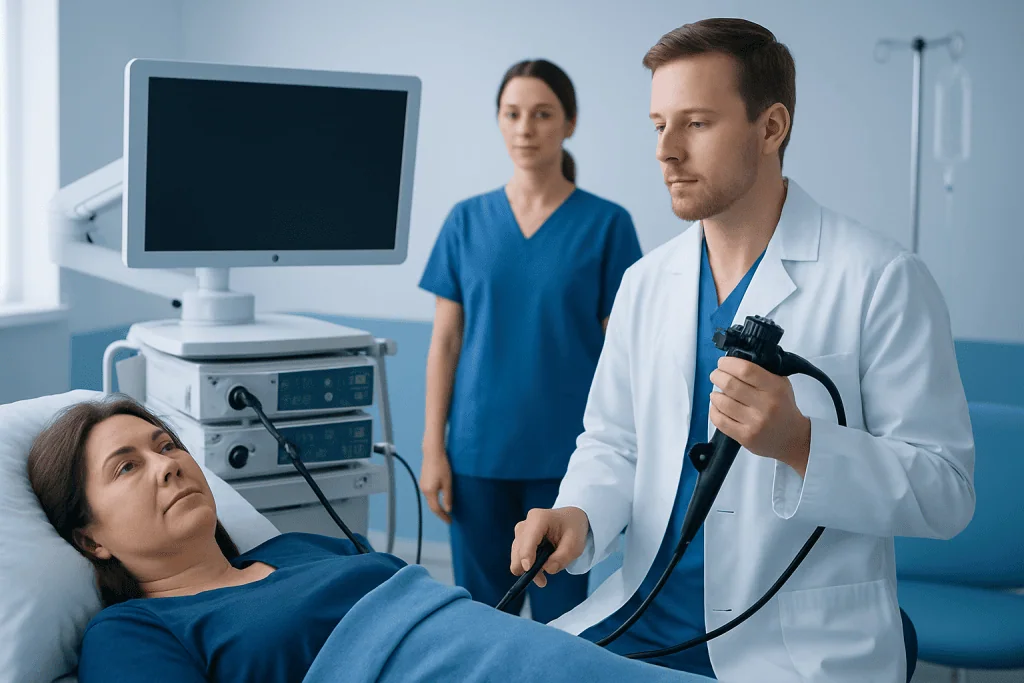
Colonoscopy is not usually performed during an acute attack because the inflamed colon may be more vulnerable. Instead, it may be recommended later, after symptoms settle, especially if the diagnosis is uncertain or routine colon screening is due. When appropriate, clinicians may use colonoscopy to examine the colon after recovery.
In some cases, other tests are chosen based on age, symptoms, and overall health. The goal is not only to confirm diverticulitis but also to safely exclude other causes of abdominal pain that need different treatment.
Treatment options and recovery
Treatment depends on how severe the symptoms are and whether there are complications. Mild diverticulitis may be managed at home with a temporary adjustment to diet, good hydration, rest, and close follow-up with a doctor. Some people are prescribed antibiotics, while others may not need them, depending on the clinical picture and current medical guidance.
If pain is significant, fever is higher, oral intake is difficult, or complications are suspected, hospital care may be needed. In the hospital, treatment can include intravenous fluids, pain control, antibiotics when appropriate, and repeat monitoring. When an abscess or another complication is present, additional procedures may be considered.
Surgery is not needed for most first episodes, but it may be recommended for recurrent attacks, fistula formation, bowel narrowing, perforation, or severe infection. If specialist evaluation is required, doctors may discuss colon and rectal surgery in selected cases. Recovery time varies, but many people improve steadily over several days once treatment begins.
After the acute episode has resolved, the care plan often shifts toward prevention and follow-up. This may include reviewing bowel habits, diet, physical activity, and whether further testing is needed to better understand the health of the colon.
Prevention and self-care after an episode
Once symptoms improve, long-term self-care focuses on supporting regular bowel function and reducing strain on the colon. Many doctors recommend gradually increasing fiber intake through foods such as vegetables, fruits, beans, and whole grains, unless another medical condition makes this unsuitable. Drinking enough fluids also helps fiber work effectively.
Regular physical activity, maintaining a healthy weight, and avoiding smoking may lower the chance of future episodes. People who frequently become constipated should speak with a doctor before using over-the-counter remedies regularly, because the best approach depends on the cause of constipation and the person’s overall health.
It is helpful to keep track of symptom patterns after recovery. Recurring left-sided abdominal pain, fever, or ongoing bowel changes can suggest another episode or a different digestive problem. For some people, specialist follow-up in gastroenterology is useful to review prevention strategies, diet, and any need for further testing.
There is no single food that causes diverticulitis in every person, and many older restrictions are no longer routinely advised. A doctor or dietitian can provide individualized guidance, especially for people with repeated episodes or other digestive conditions.
When to seek medical care
Medical care should be sought promptly if abdominal pain is strong, stays in one place, or continues to worsen over several hours. Diverticulitis symptoms deserve faster assessment when they are combined with fever, vomiting, inability to keep fluids down, marked abdominal swelling, or significant weakness. These features can suggest a more serious infection or complication.
Urgent evaluation is especially important for blood in the stool, black stools, fainting, confusion, or severe tenderness that makes it hard to move. People with weakened immune systems, kidney disease, cancer treatment, or long-term steroid use should contact a doctor sooner because infection can become more serious more quickly.
Even milder symptoms should be discussed with a clinician if they are new, keep coming back, or do not improve as expected. This is particularly true for adults over 40 who have not had a recent colon assessment, because other bowel conditions can produce similar symptoms. A proper diagnosis helps avoid delays in care and supports safer treatment choices.
Near the end of the care pathway, some patients may benefit from multidisciplinary review. Acibadem International’s JCI-accredited hospitals and digestive disease specialists diagnose and treat diverticular disease for international patients when further assessment or coordinated treatment is needed.
Frequently asked questions
What are the first symptoms of diverticulitis?
Early diverticulitis symptoms often include steady lower abdominal pain, most commonly on the left side, along with tenderness in that area. Some people also develop bloating, nausea, fever, or constipation. The pain usually lasts longer than ordinary gas pain and may become more noticeable over time.
Can diverticulitis symptoms go away on their own?
Mild symptoms may ease, but it is not always possible to tell at home whether inflammation is minor or becoming more serious. Because diverticulitis can lead to complications in some cases, new or persistent symptoms should be assessed by a doctor. Prompt evaluation is especially important if fever, vomiting, or worsening pain is present.
Where is diverticulitis pain usually felt?
Pain is usually felt in the lower left part of the abdomen because that is a common location for diverticulitis in the colon. However, pain can sometimes be more central or appear on the right side, depending on anatomy and which part of the bowel is affected. The pain is often constant rather than cramp-like.
Does diverticulitis always cause fever?
No, not every person with diverticulitis develops a fever. Older adults and some people with weakened immune systems may have less obvious signs of infection. That is why persistent localized abdominal pain should still be evaluated even if temperature seems normal.
How is diverticulitis different from diverticulosis?
Diverticulosis means small pouches are present in the colon, often without causing symptoms. Diverticulitis happens when one or more of those pouches become inflamed or infected. In general, diverticulitis is the condition more likely to cause pain, fever, and the need for treatment.
When should someone go to the emergency department for diverticulitis symptoms?
Emergency care is appropriate for severe or rapidly worsening abdominal pain, high fever, repeated vomiting, fainting, a rigid abdomen, or blood in the stool. These symptoms can signal a complication such as obstruction, abscess, or perforation. People who cannot keep fluids down or who feel very weak should also be assessed urgently.
References
- National Institute of Diabetes and Digestive and Kidney Diseases
- American College of Gastroenterology
- National Health Service
- Mayo Clinic
- American Society of Colon and Rectal Surgeons
This article is for general information only and is not a substitute for professional medical advice. Please consult a qualified doctor about your individual situation.
Diverticulitis in Turkey — costs, top hospitals & a free quote
JCI-accredited · board-certified surgeons · reply within 24h
Add us as a Preferred Source to see more of our trusted health content across Google Search, AI Overviews and Discover.

General Surgery
Open, laparoscopic and robotic surgery for a broad range of abdominal and soft-tissue conditions.
120 specialists in this unitMore from the Health Library



Related Specialists

Prof. Dr. Ayhan Çevik
Pediatric Cardiology
Assoc. Prof. Dr. İlker Özgür Koska
Radiology
Assoc. Prof. Dr. İlim Irmak
Pulmonology
Assoc. Prof. Dr. Işık Türkalp
Clinical Laboratory