Do Antibiotics Cause Constipation? Here Is What the Evidence Says

Antibiotics can contribute to constipation in some people, but it is often short-lived. Changes in gut bacteria, hydration, food intake, and activity may all play a role.
Key Takeaways
- Antibiotics can contribute to constipation in some people, but it is often short-lived.
- Changes in gut bacteria, hydration, food intake, and activity may all play a role.
- Constipation during antibiotics is usually harmless, but severe pain, vomiting, blood in stool, or inability to pass stool or gas needs medical review.
- Doctors evaluate medication history, symptoms, bowel habits, and possible warning signs before recommending treatment.
- Fluids, fiber, movement, and medication review often help, but treatment should be individualized.
Yes, antibiotics can sometimes cause constipation, although this side effect is usually mild and temporary. In many cases, the change relates not only to the medicine itself but also to altered gut bacteria, reduced appetite, lower fluid intake, and changes in routine during illness.
Overview: can antibiotics lead to constipation?
Antibiotics can cause constipation in some people, although they are better known for causing diarrhea. When constipation happens, it is often mild, temporary, and improves after the antibiotic course ends. For many patients, the effect is not dangerous and may reflect a combination of the infection, lower appetite, reduced fluid intake, and less physical activity rather than the antibiotic alone.
The reason this topic can be confusing is that antibiotics affect the digestive system in different ways. They change the balance of bacteria in the gut, and this may alter how the bowel moves and how stool forms. Some people notice fewer bowel movements, harder stools, bloating, or a sense of incomplete emptying while taking antibiotics or shortly afterward.
Although constipation is usually not a medical emergency, it should not be ignored if it becomes severe or comes with warning signs. Red flags include strong or worsening abdominal pain, repeated vomiting, a swollen abdomen, inability to pass gas, blood in the stool, black stools, or constipation lasting beyond the antibiotic course despite self-care. These symptoms can point to something more than a simple medication side effect.
If symptoms are persistent, a doctor will usually begin with a careful review of the timing, the antibiotic used, other medicines, bowel habits, diet, hydration, and any previous digestive problems. This helps distinguish straightforward medication-related constipation from other conditions such as chronic constipation or a more complex digestive disorder.
How antibiotics may affect the gut
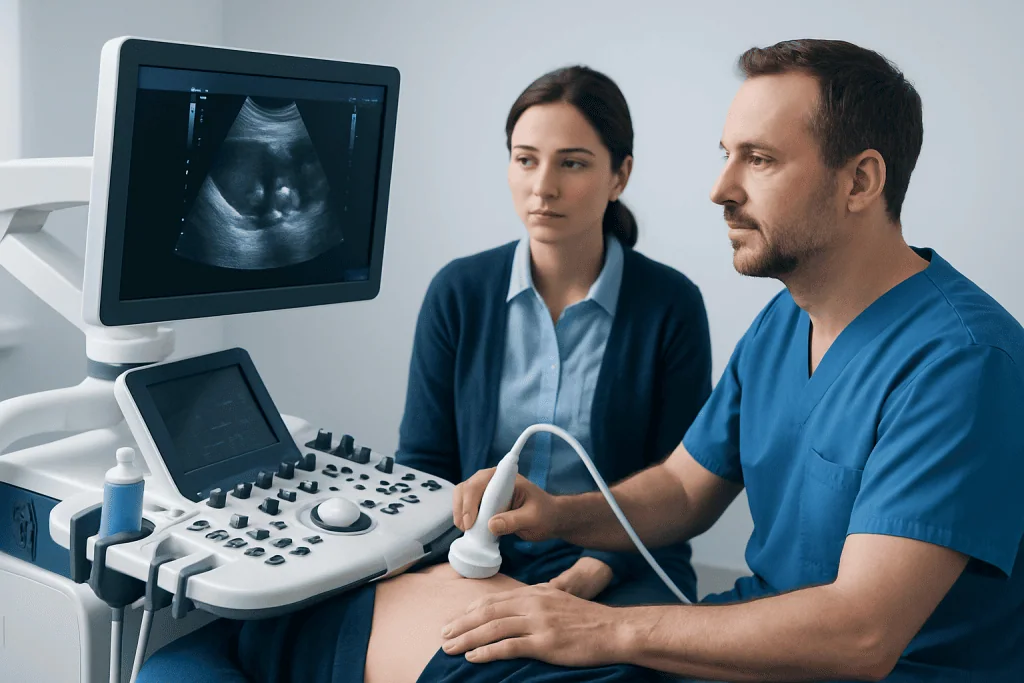
Antibiotics work by killing or suppressing bacteria that cause infection, but they can also affect beneficial bacteria living in the intestines. The gut microbiome helps support digestion, stool consistency, and normal bowel movement patterns. When this balance changes, the colon may move stool more slowly or the stool may become harder and more difficult to pass.
This effect does not happen in everyone, and different antibiotics may affect the gut differently. A person’s age, usual diet, fluid intake, activity level, and baseline digestive health all influence whether constipation develops. Someone who is already prone to constipation may be more likely to notice a change during treatment.
Illness itself can also contribute. People taking antibiotics may eat less, drink less, rest more, or temporarily reduce their fiber intake. Pain relievers, iron supplements, antacids containing calcium or aluminum, and some cough medicines taken during the same illness can further slow the bowel. In practice, constipation is often caused by several factors acting together rather than one single cause.
Symptoms and what is typical

Constipation does not only mean going several days without a bowel movement. It can also mean passing hard, dry, or lumpy stools, straining more than usual, feeling that the bowel has not fully emptied, or having fewer bowel movements than is normal for that person. Some people also notice abdominal discomfort, bloating, or increased gas.
When antibiotics are involved, symptoms often begin during the course of treatment or within days after finishing it. In many cases, bowel habits return to normal as appetite, hydration, and routine improve. Mild constipation that lasts a short time and responds to fluids, diet changes, or a simple over-the-counter remedy is usually not a sign of serious disease.
However, not every digestive symptom after antibiotics is constipation. Cramping, urgent diarrhea, fever, or significant abdominal tenderness may suggest a different antibiotic-related bowel problem and should not be treated as routine constipation without medical advice. It is also important to note that severe, ongoing bloating or pain can sometimes overlap with other conditions such as irritable bowel syndrome.
- Fewer bowel movements than usual
- Hard or dry stools
- Straining during bowel movements
- Bloating or a heavy feeling in the abdomen
- A sensation of incomplete emptying
Who is more likely to develop constipation during antibiotics?
Anyone can experience constipation while taking antibiotics, but some groups are more likely to notice it. Older adults often have slower gut movement to begin with and may be taking several medicines that affect bowel function. Children can also become constipated when they drink less or resist using the toilet during illness. People with limited mobility, low-fiber diets, or chronic dehydration may be more vulnerable as well.
A history of constipation is one of the strongest practical clues. If someone often struggles with bowel movements, even a short-term disruption such as an infection or a new medication can make symptoms worse. People with thyroid disorders, diabetes, neurologic conditions, or prior intestinal surgery may also have more persistent constipation and may need closer follow-up.
Medication combinations matter too. Opioid pain medicines are a common cause of constipation, and the effect can be stronger when antibiotics are started during an illness or after surgery. If constipation becomes recurrent or severe, a doctor may review all medicines and, when appropriate, consider whether further digestive evaluation is needed, including assessment by specialists in gastroenterology care.
How doctors evaluate constipation after antibiotics
If constipation develops after starting antibiotics and does not improve, doctors usually begin with a detailed history. They ask when symptoms started, which antibiotic was used, how long treatment lasted, what the person’s usual bowel pattern is, and whether there are associated symptoms such as pain, vomiting, fever, weight loss, or blood in the stool. This timeline is often the most useful clue in deciding whether the antibiotic is likely involved.
A physical examination may include checking the abdomen for bloating, tenderness, or signs of blockage. In some cases, the doctor may ask about stool appearance, fluid intake, exercise, and diet, especially if appetite has been poor during illness. They also review all current medicines and supplements because non-antibiotic medications may be the larger contributor.
Testing is not always necessary for short-lived constipation without warning signs. But if symptoms are severe, prolonged, recurrent, or unexplained, tests may be used to look for other causes. Depending on the situation, this can include blood tests, stool testing, or imaging. Persistent symptoms may occasionally lead to procedures such as colonoscopy to check for structural causes, especially in older adults or people with alarm symptoms.
Treatment options and practical relief
Treatment depends on severity, duration, and the person’s overall health. For mild constipation linked to antibiotics, conservative steps are often enough. Increasing fluid intake, returning to regular meals, including fiber-containing foods if tolerated, and walking or light movement can help the bowel regain its usual rhythm. It is generally best not to stop a prescribed antibiotic without speaking to the prescribing doctor.
If symptoms are uncomfortable, a doctor or pharmacist may suggest a short-term over-the-counter option, such as a stool softener or an osmotic laxative, depending on age, medical history, and other medications. The best choice varies from person to person. Fiber supplements may help some people, but they can worsen bloating if fluids are not increased at the same time.
If constipation is significant or ongoing, doctors may adjust the broader treatment plan rather than focusing only on the antibiotic. That can include reviewing other constipating medicines, managing underlying bowel conditions, or checking for more serious causes. For patients with complicated or persistent symptoms, evaluation in a specialist setting such as gastroenterology care may be appropriate.
Near the end of the care pathway, some patients benefit from multidisciplinary assessment, especially if symptoms are recurrent or accompanied by other digestive complaints. Acibadem International’s multidisciplinary specialists and JCI-accredited hospitals diagnose and treat digestive conditions for international patients when more detailed evaluation is needed.
Prevention and self-care during an antibiotic course
Not every case of constipation can be prevented, but simple steps may lower the chance of it happening. Drinking enough fluids is especially important during illness, when fever, poor appetite, or nausea may reduce normal intake. Eating regular meals as tolerated also helps stimulate the bowel.
Food choices can make a difference. Fruits, vegetables, legumes, oats, and other fiber-containing foods support stool bulk and movement in many people. Gentle activity, even short walks, can also encourage normal bowel function. These measures are often more helpful than waiting several days before taking action.
It is also sensible to use antibiotics only as prescribed and only when they are truly needed, since unnecessary antibiotic use can affect gut balance without benefit. People who know they are prone to constipation may want to ask their doctor or pharmacist in advance about a bowel plan during treatment. This is particularly helpful if other constipating medicines are being used at the same time.
- Drink fluids regularly unless a doctor has advised fluid restriction
- Resume meals and fiber as tolerated
- Stay physically active when possible
- Review other medicines that may slow the bowel
- Ask before using laxatives regularly or for long periods
When to seek medical care
Most constipation during or after antibiotics improves with time and simple self-care, but some symptoms should prompt medical review. A person should contact a doctor if constipation is severe, lasts more than a few days despite home measures, or keeps returning after antibiotic treatment. Ongoing constipation may need evaluation for medication effects, dehydration, diet issues, or an underlying bowel condition.
Urgent medical attention is important if constipation comes with severe abdominal pain, repeated vomiting, a swollen or hard abdomen, inability to pass stool or gas, rectal bleeding, black stools, fever, or unexplained weight loss. These features are not typical of mild antibiotic-related constipation and can indicate obstruction, bleeding, or another significant problem.
It is also wise to seek advice if digestive symptoms are mixed or unclear. For example, alternating constipation and diarrhea, nighttime symptoms, new bowel changes in an older adult, or symptoms after repeated antibiotic courses may need a more complete assessment. Patients who require specialist evaluation may be referred for imaging, endoscopy, or assessment for conditions such as chronic constipation.
Frequently asked questions
Do antibiotics cause constipation often?
They can, but constipation is not the most common digestive side effect of antibiotics. When it does happen, it is usually mild and temporary. The effect may come from the antibiotic itself, the illness being treated, or related changes in eating, drinking, and activity.
Why would antibiotics make someone constipated instead of causing diarrhea?
Antibiotics can change the balance of bacteria in the intestines, and that can affect bowel movement patterns in different ways. Some people develop looser stools, while others notice slower bowel movement and harder stools. Individual factors such as hydration, diet, and other medicines also matter.
How long does constipation after antibiotics last?
For many people, it improves within a few days after finishing the antibiotic course or after appetite and fluid intake return to normal. If symptoms last longer, become severe, or keep coming back, a doctor should review the situation. Persistent constipation may have another cause that needs attention.
Should antibiotics be stopped if they cause constipation?
A prescribed antibiotic should not usually be stopped without medical advice. In many cases, constipation can be managed with fluids, diet changes, movement, or a short-term remedy recommended by a doctor or pharmacist. The doctor can decide whether the medicine should be continued or adjusted.
Can probiotics help constipation caused by antibiotics?
Some people ask about probiotics because they may help restore gut bacterial balance, but results are not the same for everyone. Evidence is mixed, and the best approach depends on the person’s symptoms and health status. It is reasonable to ask a doctor or pharmacist whether a probiotic is appropriate.
When is constipation after antibiotics a warning sign?
It is more concerning when it comes with severe abdominal pain, vomiting, a swollen abdomen, blood in the stool, black stools, fever, weight loss, or inability to pass gas. These symptoms are not typical of simple constipation and need prompt medical assessment. New bowel changes in older adults should also be reviewed.
This article is for general information only and is not a substitute for professional medical advice. Please consult a qualified doctor about your individual situation.
Persistent digestive symptoms? Get evaluated in Turkey
JCI-accredited · board-certified surgeons · reply within 24h
Add us as a Preferred Source to see more of our trusted health content across Google Search, AI Overviews and Discover.

More from the Health Library

Essential Oils for Headaches: Common Causes, Related Conditions, and When to See a Doctor

Dramamine for Nausea Explained: Common Triggers and Red Flags

Tremor in One Hand: Common Causes and When Neurology Assessment Is Needed

Rash on Arm: Possible Causes and When to Seek Care

How Long Should You Sit in a Sauna? A Doctor-Reviewed Answer