Do Papillomas Go Away? A Doctor-Reviewed Answer

Papillomas are usually benign growths, but not every lump or wart-like lesion is a papilloma. Some papillomas stay the same size or may regress, while others persist and need monitoring or treatment.
Key Takeaways
- Papillomas are usually benign growths, but not every lump or wart-like lesion is a papilloma.
- Some papillomas stay the same size or may regress, while others persist and need monitoring or treatment.
- A doctor may diagnose a papilloma through an exam, imaging, endoscopy, or biopsy depending on where it is located.
- Medical review is important if a papilloma grows quickly, bleeds, becomes painful, affects breathing or swallowing, or keeps coming back.
- Treatment depends on the site, symptoms, and test results and may include observation, removal, or treatment of an underlying viral cause.
Often, yes—some papillomas may remain harmless and stable for long periods, and some can resolve depending on the type and location. However, many do not simply disappear on their own, so any new growth, change in appearance, bleeding, pain, or ongoing irritation should be assessed by a doctor.
Overview: Do papillomas go away?
In many cases, papillomas are harmless, noncancerous growths that can remain stable for a long time. Some may shrink or go away, especially when they are related to temporary irritation or certain viral infections. Others do not disappear on their own and may stay the same size or slowly enlarge over time.
The term “papilloma” describes a growth pattern rather than one single disease. Papillomas can develop on the skin, in the mouth or throat, in the breast ducts, in the nose, bladder, cervix, or other lining tissues. Because of this, whether a papilloma goes away depends greatly on where it is, what caused it, and whether it is producing symptoms.
Most papillomas are benign, which is reassuring. Still, a new bump, wart-like lesion, nipple discharge, hoarseness, or growth inside the body should not be self-diagnosed. Some conditions can look like papillomas but require different care, including precancerous changes or cancer.
A practical way to think about it is this: many papillomas are not dangerous, but persistent or changing growths deserve a proper medical evaluation. That helps confirm the diagnosis, relieve symptoms when needed, and rule out more serious causes.
What a papilloma is and why it may persist
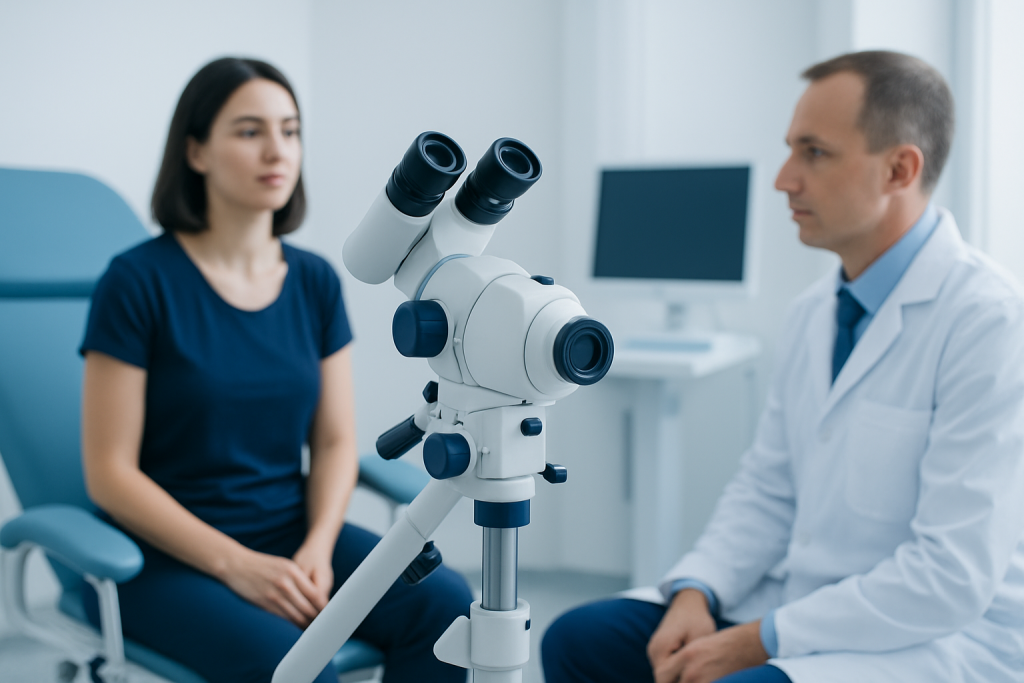
A papilloma is a small growth that forms from epithelial tissue, the tissue lining the skin and many internal surfaces. It often has a finger-like or wart-like appearance. Depending on the location, a papilloma may be visible on the skin or may only be found during an exam, scan, endoscopy, or biopsy.
Some papillomas are linked to human papillomavirus (HPV), while others are not. HPV can trigger abnormal but usually benign growth of surface cells. In other situations, papillomas may arise from local irritation, blockage of a duct, or tissue overgrowth without a clear infectious cause.
Whether the growth goes away often depends on the cause. Viral lesions may improve as the immune system suppresses the virus, but that process can take time and is not guaranteed. Growths in places such as the breast ducts, vocal cords, or bladder are less likely to simply disappear and more often need follow-up or treatment.
This is one reason doctors focus less on the word “papilloma” alone and more on the full clinical picture: location, symptoms, appearance, age, risk factors, and whether tissue sampling is needed.
Symptoms and warning signs to watch for

Many papillomas cause no symptoms and are found by chance. When symptoms do occur, they are usually related to the growth’s location. A skin papilloma may look like a small wart-like bump. A papilloma in the throat may cause hoarseness, voice changes, cough, or a feeling of irritation. In the breast, an intraductal papilloma may lead to nipple discharge or a small lump.
Some warning signs make medical review more important. A papilloma or papilloma-like growth should be checked if it is enlarging, changing color, ulcerating, bleeding, becoming painful, or recurring after removal. Internal papillomas may also cause location-specific problems, such as swallowing difficulty, breathing noise, urinary symptoms, or persistent discharge.
It can help to look for patterns rather than one isolated feature. A stable, tiny skin growth that has looked the same for years is often less concerning than a newer lesion that is changing over weeks or months. Still, even benign-appearing growths may need assessment if they are bothersome or located in a sensitive area.
- Bleeding without obvious injury
- Rapid growth or a new irregular shape
- Pain, ulceration, or repeated infection
- Hoarseness lasting more than a few weeks
- Nipple discharge, especially if bloody
- Trouble breathing, swallowing, or urinating
Causes and risk factors
HPV is one well-known cause of some papillomas, especially on the skin and mucosal surfaces. However, not all papillomas are caused by HPV, and not all HPV-related growths behave the same way. Different HPV types affect different tissues and have different levels of risk.
Other factors can include chronic irritation, inflammation, age-related tissue changes, smoking in some airway lesions, and individual differences in immune response. The same term may also be used for growths in very different body systems, such as breast lesions or bladder abnormalities, which is why context matters so much.
Risk factors for needing treatment are not limited to the growth itself. The patient’s age, personal history, family history, tobacco exposure, and symptoms can all shape the next steps. For example, a solitary skin lesion in a low-risk area may be observed, while a papilloma in the airway or breast duct is more likely to be investigated promptly.
Importantly, having a papilloma does not automatically mean cancer. But because some cancers and precancerous lesions can mimic benign growths, a doctor may recommend closer evaluation when the appearance or location raises concern.
How doctors diagnose a papilloma
Doctors usually begin with a detailed history and physical examination. They may ask when the growth appeared, whether it has changed, and whether there are symptoms such as bleeding, pain, discharge, hoarseness, or urinary changes. They also consider smoking history, prior HPV-related disease, and any relevant family history.
The next step depends on the location. For visible skin or mouth lesions, direct examination may be enough to guide care. For internal growths, specialists may use imaging or a scope-based exam. Examples include laryngoscopy for vocal cord lesions, cystoscopy for bladder growths, or breast imaging when nipple discharge or a duct lesion is suspected.
In many cases, the most reliable way to confirm the diagnosis is a biopsy or complete removal of the lesion for laboratory analysis. This helps determine whether the growth is truly benign, whether there are atypical cells, and whether any further treatment is needed. If a specialist suspects a growth in the airway, breast, or another internal organ, procedures such as biopsy or endoscopic evaluation may be recommended.
Diagnostic testing is not meant to be alarming; it is meant to be precise. Because papillomas can resemble other conditions, a clear diagnosis helps avoid both unnecessary worry and delayed treatment.
Treatment options and what to expect
Treatment is tailored to the type of papilloma, where it is located, and whether it is causing symptoms. Small, stable, asymptomatic lesions may only need observation. If the lesion is irritating, uncertain in diagnosis, cosmetically bothersome, or associated with concerning symptoms, removal or another targeted treatment may be advised.
Skin or external lesions may be treated with minor office procedures. Internal papillomas may need specialist care, sometimes using minimally invasive techniques. For example, airway lesions may require removal by an ENT specialist, and duct lesions in the breast may be surgically excised if there is persistent discharge or uncertainty about the pathology. When a lesion is suspicious or confirmed to have abnormal cells, surgical treatment may be part of care planning.
If HPV is involved, treatment usually focuses on the lesion rather than completely eliminating the virus from the body. Because of that, recurrence can happen in some people even after successful treatment. Follow-up visits may be advised to check healing and make sure no new growths have appeared.
Near the end of the care pathway, some patients benefit from multidisciplinary review, especially when papillomas involve the airway, breast, bladder, or another internal organ. Acibadem International’s multidisciplinary specialists and JCI-accredited hospitals diagnose and treat these conditions for international patients when further evaluation or treatment is needed.
Prevention, self-care, and follow-up
Not every papilloma can be prevented, but some practical steps may lower risk or support earlier detection. HPV vaccination can reduce the risk of certain HPV-related conditions. Avoiding tobacco, protecting the skin, and getting routine preventive care also support overall health.
Self-care does not mean trying to remove a suspected papilloma at home. Cutting, burning, or tying off a growth can cause bleeding, infection, scarring, and delayed diagnosis. It is safer to monitor the area and arrange a medical review if the lesion is new, persistent, or changing.
Follow-up is especially important when a papilloma has been removed or biopsied. Even benign lesions may recur, and some locations need surveillance because symptoms can return before a new growth is obvious. A doctor may also suggest additional testing if pathology shows atypical changes.
- Monitor for growth, bleeding, pain, or color change
- Keep any follow-up appointments after biopsy or removal
- Avoid self-treatment of uncertain skin or mucosal growths
- Discuss HPV vaccination and other preventive care with a clinician
When to seek medical care
Medical care is advisable if a suspected papilloma does not go away, keeps returning, or causes symptoms. This is particularly important for growths affecting breathing, swallowing, urination, voice quality, or the breast. A doctor can determine whether the lesion is a benign papilloma, another benign condition, or something that needs more urgent attention.
Urgent assessment is warranted for breathing difficulty, significant bleeding, severe pain, or rapidly enlarging growths. Nipple discharge that is bloody, persistent hoarseness, or urinary bleeding should also be evaluated promptly rather than watched at home.
If symptoms suggest a deeper problem, doctors may refer the patient to a specialist in ENT, dermatology, breast surgery, urology, or oncology. In some cases, investigation may overlap with the evaluation of related conditions such as HPV infection. Early review is often the fastest route to reassurance and, when necessary, appropriate treatment.
Frequently asked questions
Are papillomas usually harmless?
Many papillomas are benign and do not cause serious health problems. Even so, a doctor should assess any new or changing growth to confirm that it is truly a papilloma and not another condition.
Can a papilloma go away without treatment?
Sometimes it can, depending on the type, cause, and location. However, many papillomas persist, so ongoing observation or medical treatment may be needed if the lesion does not resolve or starts causing symptoms.
Is a papilloma the same as cancer?
No. A papilloma is usually a noncancerous growth, but some cancerous or precancerous lesions can look similar. That is why biopsy or removal may be recommended in certain cases.
Does HPV always cause papillomas?
No. Some papillomas are related to HPV, but others are not. The exact cause depends on the tissue involved and the individual's medical situation.
What kind of doctor treats papillomas?
The right specialist depends on the location of the growth. Dermatologists, ENT specialists, breast surgeons, urologists, gynecologists, and other doctors may all diagnose and treat papillomas.
Should a papilloma be removed?
Not always. Removal may be recommended if the diagnosis is uncertain, the lesion is growing, bleeding, painful, recurrent, or located in a place where it affects function such as the airway or breast ducts.
References
- World Health Organization
- Centers for Disease Control and Prevention
- American Academy of Dermatology
- National Cancer Institute
- Mayo Clinic
This article is for general information only and is not a substitute for professional medical advice. Please consult a qualified doctor about your individual situation.
Explore treatments in Turkey — costs, top hospitals & a free quote
JCI-accredited · board-certified surgeons · reply within 24h
Add us as a Preferred Source to see more of our trusted health content across Google Search, AI Overviews and Discover.