Do Polarized Lenses Block Uv: An Evidence-Based Patient Guide

Polarized lenses reduce glare from flat reflective surfaces but are not automatically UV-blocking. A UV400 or 100% UVA/UVB label is the key feature to look for in sunglasses.
Key Takeaways
- Polarized lenses reduce glare from flat reflective surfaces but are not automatically UV-blocking.
- A UV400 or 100% UVA/UVB label is the key feature to look for in sunglasses.
- The best outdoor sunglasses combine reliable UV protection, good coverage, and glare reduction when useful.
- Polarized sunglasses can improve visual comfort for driving, water activities, snow sports, and other bright environments.
- People with light sensitivity, eye disease, or vision changes should discuss eye protection with an eye care professional.
Do polarized lenses block UV light? Not necessarily: polarization reduces reflected glare, while UV protection depends on a separate lens treatment or material. Sunglasses labeled UV400 or 100% UVA and UVB protection provide the level of ultraviolet filtering recommended for outdoor eye protection.
Overview: Polarization and UV Protection Are Different
Do polarized lenses block UV light? They can, but polarization alone does not guarantee ultraviolet protection. Polarized lenses are designed to reduce distracting glare, whereas UV protection is a separate feature that filters ultraviolet radiation before it reaches the eyes.
For practical eye protection, people should choose sunglasses labeled UV400 or 100% UVA and UVB protection. These labels indicate that the lenses block ultraviolet wavelengths up to 400 nanometers, covering both UVA and UVB rays. A pair of dark lenses without this protection may make the eyes feel more comfortable in bright light but should not be relied on for UV safety.
Sun exposure is relevant throughout the year, not only during summer. UV rays may reach the eyes on cloudy days and can reflect from water, sand, snow, pavement, and other bright surfaces. Well-fitting sunglasses, a brimmed hat, and regular eye examinations are sensible parts of long-term eye health care.
How Polarized Lenses Work
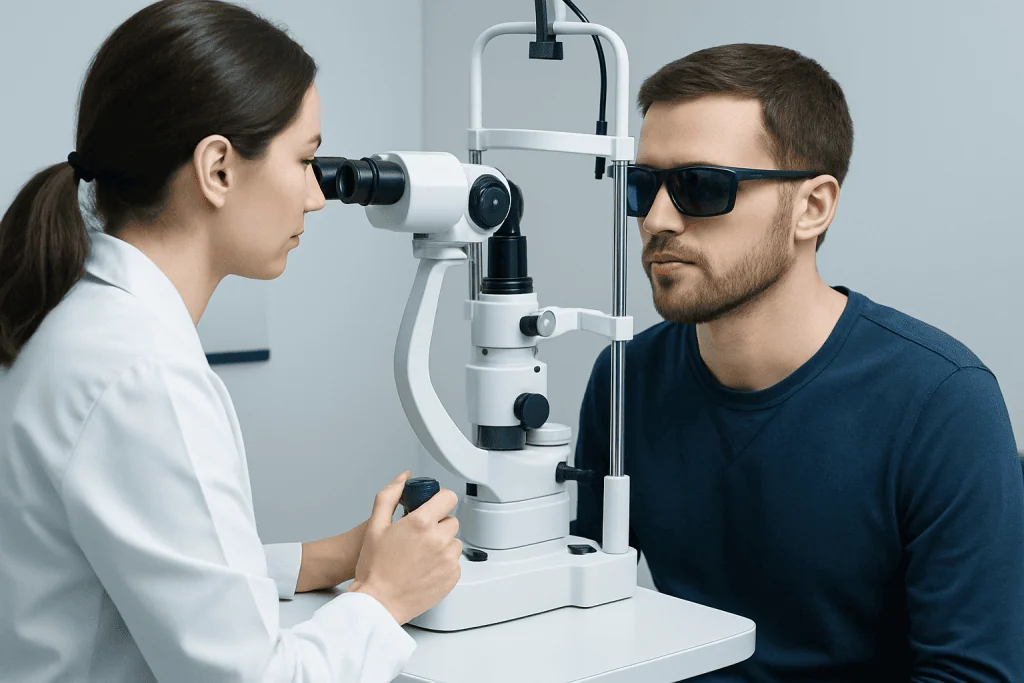
Light usually travels in many directions. When sunlight reflects from a horizontal surface, such as water, a wet road, a car hood, or snow, much of that reflected light becomes horizontally oriented. This can create intense glare that reduces contrast and causes squinting or visual discomfort.
A polarized lens contains a special filter arranged to block much of this horizontally oriented reflected light. The result is often clearer, more comfortable vision in bright conditions. Polarization may be particularly useful for fishing, boating, beach activities, skiing, and daytime driving.
UV filters work differently. They absorb or block ultraviolet wavelengths, which are invisible to the human eye. Because these functions are independent, sunglasses may be polarized with inadequate UV protection, UV-protective without polarization, or designed to provide both features.
- Polarization: reduces reflected glare.
- UV protection: limits UVA and UVB exposure to the eyes and surrounding skin.
- Lens tint: reduces visible brightness but does not prove UV protection.
Do Polarized Lenses Block UV Light?
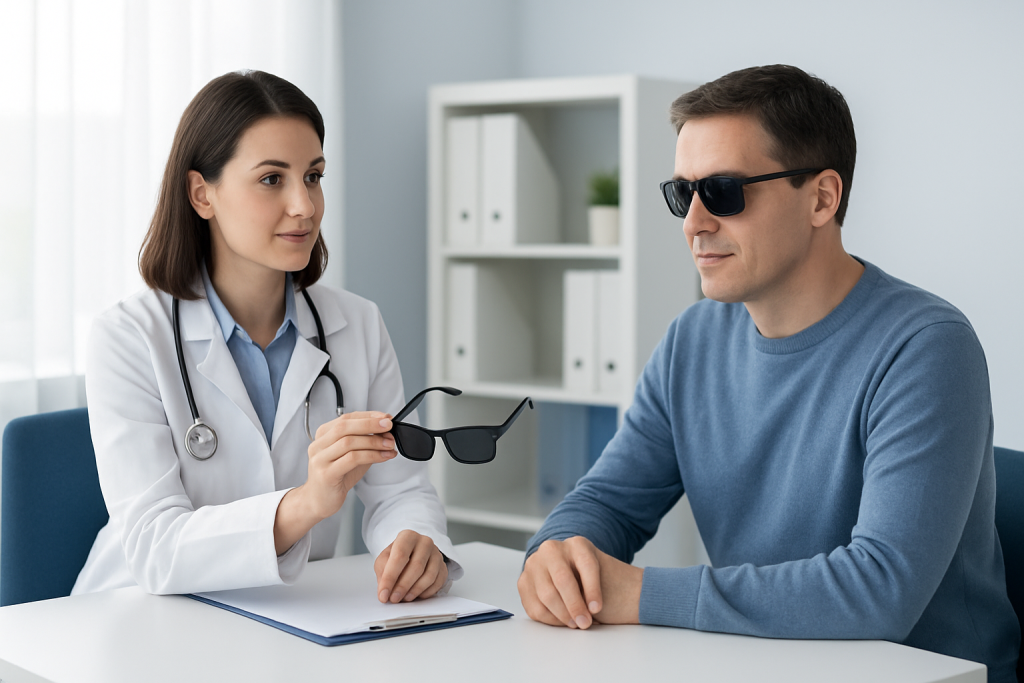
Some polarized sunglasses block UV light, but others may not. The answer depends on the manufacturer’s specifications rather than whether the lenses are polarized. A shopper should check the product label, packaging, or documentation for “UV400” or “100% UVA/UVB protection.”
Lens color is also not a dependable guide. Dark gray, brown, green, or mirrored lenses may be comfortable in sunlight, but darkness alone does not establish UV filtering. In fact, very dark lenses with poor UV protection can be a concern because the pupil may widen in response to reduced visible light, potentially allowing more ultraviolet light into the eye.
For everyday outdoor use, a lens that combines UV400 protection and polarization can be a practical choice. However, a non-polarized pair with verified UV400 protection remains a good option when glare reduction is unnecessary or when a person needs to view certain screens or instruments clearly.
Do Eye Doctors Recommend Polarized Sunglasses?
Eye doctors often recommend sunglasses with verified UV protection for people spending time outdoors. Polarization may also be recommended when glare causes discomfort or interferes with activities, but it is an optional visual-comfort feature rather than a replacement for UV filtering.
For many people, polarized sunglasses are helpful while driving in daylight, walking near water, taking part in outdoor sports, or spending time in snowy environments. By reducing glare, they may make it easier to see details and maintain comfortable vision. Wraparound frames or larger lenses can further reduce light entering from the sides.
Individual needs differ. A person who has had eye surgery, has chronic light sensitivity, or has an eye condition affecting the cornea, lens, retina, or optic nerve may benefit from personalized guidance. An ophthalmologist can assess symptoms and recommend suitable lenses, tints, or other visual aids during an eye examination.
Who Should Not Wear Polarized Sunglasses?
Most people can safely wear polarized sunglasses, provided that the lenses have reliable UV protection and do not interfere with a specific task. There is no general medical reason that polarized lenses are harmful to healthy eyes. The main limitations are practical rather than medical.
Polarized lenses can make some liquid-crystal displays appear dim, rainbow-colored, or difficult to read at certain angles. This may affect some car dashboards, smartphones, navigation systems, aviation displays, industrial equipment, and certain medical or occupational monitors. Pilots and people whose work depends on accurately reading specialized displays should follow workplace or aviation guidance before choosing polarized eyewear.
Some people may also find that polarization changes how they perceive icy patches, wet surfaces, or glare cues in particular settings. Trying the glasses during the intended activity can help determine whether they are comfortable and appropriate. If vision feels distorted, headaches occur, or the lenses make essential displays difficult to see, an optician or eye doctor can help identify alternatives.
Is 100% UV Protected the Same as Polarized?
No. “100% UV protected” describes ultraviolet filtering, while “polarized” describes glare reduction. Sunglasses can offer 100% UVA and UVB protection without being polarized, and polarized sunglasses can exist without sufficient UV protection if the manufacturer has not included a UV-blocking feature.
The most useful approach is to read both claims separately. A label stating “UV400” or “100% UVA/UVB protection” addresses sun safety. A separate statement that the lenses are polarized indicates that they are intended to reduce glare from reflective surfaces.
People who want broad protection and comfort during outdoor activities may choose lenses that offer both. In addition, frame shape matters: close-fitting or wraparound sunglasses can reduce exposure from the sides, while a wide-brimmed hat helps protect the eyelids and skin around the eyes.
Choosing, Using, and Replacing Sunglasses
When selecting sunglasses, the first priority is verified UV protection. Choose a reputable seller and look for clear labeling that confirms UV400 or 100% UVA and UVB protection. A larger frame, good fit, and coverage around the sides may provide more complete protection than small lenses with large gaps.
Polarized lenses are worth considering for outdoor activities with substantial reflected light. Brown or amber tints may enhance contrast for some people, while gray lenses generally alter color perception less. The best tint is often the one that feels comfortable and allows safe, clear vision for the intended activity.
Sunglasses should be worn whenever a person is outdoors in daylight, including on overcast days and in winter. Children also need UV-protective eyewear because their eyes are exposed to sunlight during play and school activities. Prescription sunglasses, photochromic lenses with confirmed UV protection, and appropriately fitting non-prescription sunglasses can all be suitable options.
Scratched, warped, damaged, or poorly fitting sunglasses may be less comfortable and can affect vision quality. An optician can check fit and lens condition. Regular comprehensive eye examinations remain important, particularly for people with diabetes, a family history of eye disease, previous eye injury, or changes in vision.
When to Seek Medical Care
Routine sunglass selection does not usually require medical care. However, an eye examination is appropriate for persistent sensitivity to light, repeated headaches associated with light exposure, glare that significantly affects driving, or difficulty adapting to bright environments. These symptoms can have many causes and deserve professional assessment.
Urgent eye care is needed for sudden vision loss, new flashes of light, a sudden increase in floaters, severe eye pain, a red painful eye, chemical exposure, or an eye injury. These symptoms are not caused simply by needing better sunglasses and should not be managed by changing eyewear alone.
Acibadem International’s multidisciplinary specialists and JCI-accredited hospitals can assess eye symptoms and provide diagnosis and treatment for international patients. A qualified ophthalmologist can also advise on protective eyewear after eye surgery or when an underlying eye condition affects comfort in sunlight.
Frequently asked questions
Do polarized lenses block UV light?
Polarized lenses may block UV light if they are made with a UV-blocking filter, but polarization alone does not provide that protection. Look for a label stating UV400 or 100% UVA and UVB protection. This indicates that the sunglasses filter ultraviolet wavelengths that can affect eye health.
Do eye doctors recommend polarized sunglasses?
Eye doctors commonly recommend verified UV protection for outdoor eyewear. Polarized lenses may be recommended for people who are bothered by glare during driving, water activities, snow sports, or other bright outdoor activities. They are useful for comfort and visibility but are not essential for UV protection.
Who should not wear polarized sunglasses?
Most people can wear polarized sunglasses safely. They may not be ideal for people who need to read certain LCD displays, specialized workplace monitors, or aviation instruments, because these screens can appear darker or distorted. Anyone whose work depends on these displays should seek task-specific advice before using polarized lenses.
Is 100% UV protected the same as polarized?
No. One term refers to ultraviolet filtering, and the other refers to glare reduction. Sunglasses may have one feature, both features, or neither, so labels should be checked for each claim separately.
Are darker sunglasses better for UV protection?
Not necessarily. Lens darkness reduces visible light but does not confirm that ultraviolet rays are blocked. The important feature is a clear UV400 or 100% UVA/UVB protection label.
Do children need polarized sunglasses?
Children need sunglasses with reliable UV protection when they spend time outdoors. Polarization can be useful for glare during sports or around water, but verified UV protection and a secure, comfortable fit are the priorities. A hat can provide additional protection for the eyes and surrounding skin.
References
- American Academy of Ophthalmology
- World Health Organization
- U.S. Food and Drug Administration
- National Eye Institute
This article is for general information only and is not a substitute for professional medical advice. Please consult a qualified doctor about your individual situation.
Explore treatments in Turkey — costs, top hospitals & a free quote
JCI-accredited · board-certified surgeons · reply within 24h
Add us as a Preferred Source to see more of our trusted health content across Google Search, AI Overviews and Discover.

More from the Health Library

Related Specialists

Dr. Suna Tuzcu
Acibadem Life Clinical Service
Fzt. Murat Elmas
Physical Medicine and Rehabilitation
Asst. Prof. Dr. Baran Cengiz Arcağök
Pediatrics
Dr. Cansu Yılmaz
Pediatrics