Do You Gain Weight Before Ovulation? Common Changes

A brief increase in weight before ovulation is commonly due to fluid shifts, bloating, food intake, or constipation rather than fat gain. Weight fluctuations of a few pounds across the menstrual cycle can be normal, especially when they settle after a few days.
Key Takeaways
- A brief increase in weight before ovulation is commonly due to fluid shifts, bloating, food intake, or constipation rather than fat gain.
- Weight fluctuations of a few pounds across the menstrual cycle can be normal, especially when they settle after a few days.
- Hormonal changes are more strongly linked with premenstrual symptoms after ovulation, but some people also notice symptoms around mid-cycle.
- Persistent, rapidly increasing, or unexplained weight gain should be assessed by a qualified healthcare professional.
- Tracking symptoms, cycle dates, meals, bowel habits, and weight trends can help identify whether changes are cycle-related.
Some people notice mild bloating or a small, temporary increase on the scale before or around ovulation. This is usually related to normal fluid retention, digestive changes, and day-to-day weight variation rather than body-fat gain.
Overview: Can Weight Increase Before Ovulation?
Yes, some people may notice a small, temporary increase in weight before ovulation, but it is usually not true fat gain. Short-term changes on the scale are more often caused by water retention, bloating, bowel changes, food and salt intake, and normal differences in hydration. For many people, the change is mild and resolves without treatment.
Ovulation usually occurs around the middle of the menstrual cycle, although its timing varies from person to person and from month to month. Hormone levels change throughout this part of the cycle, and some people feel abdominal fullness, breast tenderness, increased appetite, or mild pelvic discomfort. These symptoms can make the body feel heavier even when there has been little or no meaningful change in body fat.
It is also important to view weight as a trend rather than a single number. Body weight naturally changes during the day due to meals, fluids, exercise, sleep, bowel movements, and clothing. A one-time increase near ovulation is usually less informative than a pattern that continues over several cycles.
Why the Scale May Change Around Ovulation
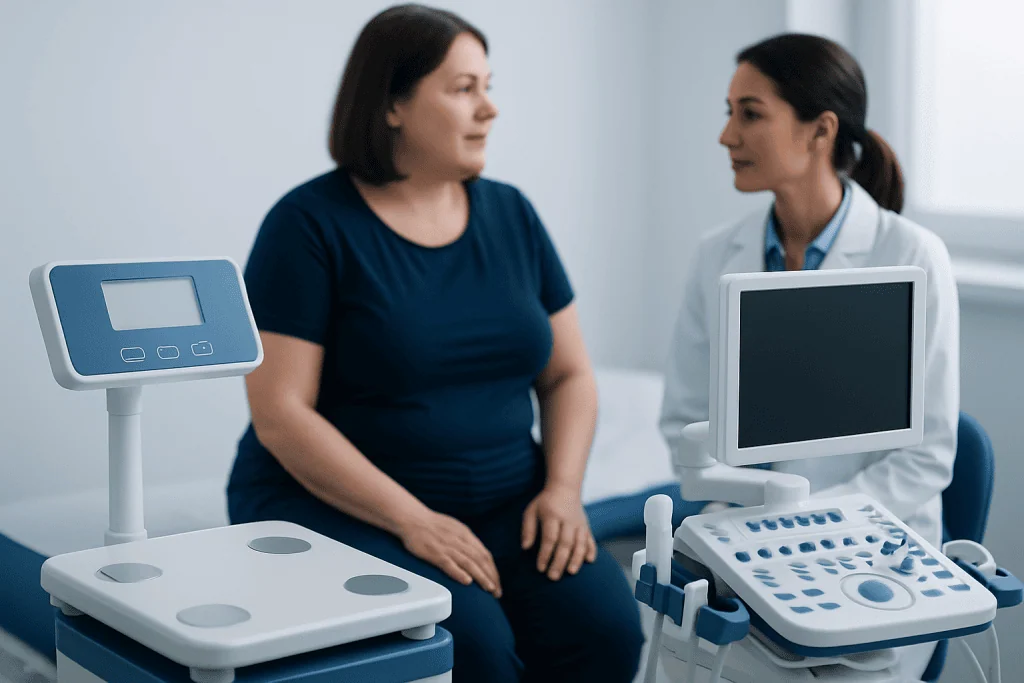
Water balance is one possible explanation. Estrogen rises in the days leading up to ovulation, and hormonal changes can influence how the body handles salt and fluids. Not everyone experiences noticeable fluid retention at this time, but those who do may feel puffy, bloated, or tighter in their clothing. This is generally temporary.
Digestive changes can also affect weight and comfort. Constipation, slower bowel movements, gas, or a diet higher in salty foods and carbohydrates can all lead to temporary increases on the scale. Carbohydrates are stored with water in the body, so changes in usual eating patterns may be reflected in weight without representing fat gain.
Some people have a larger appetite or different food cravings around certain points in their cycle. Eating more than usual for a day or two can increase scale weight because of the physical weight of food and fluid in the digestive system. Actual body-fat gain generally requires a sustained energy surplus over time, rather than the normal day-to-day shifts that occur around ovulation.
- Fluid retention can cause a feeling of swelling or heaviness.
- Salt, alcohol, and reduced hydration can worsen bloating for some people.
- Constipation and gas may temporarily increase abdominal fullness and scale weight.
- Changes in exercise routine, sleep, and stress can also influence fluid balance.
Ovulation Symptoms Compared With Premenstrual Symptoms
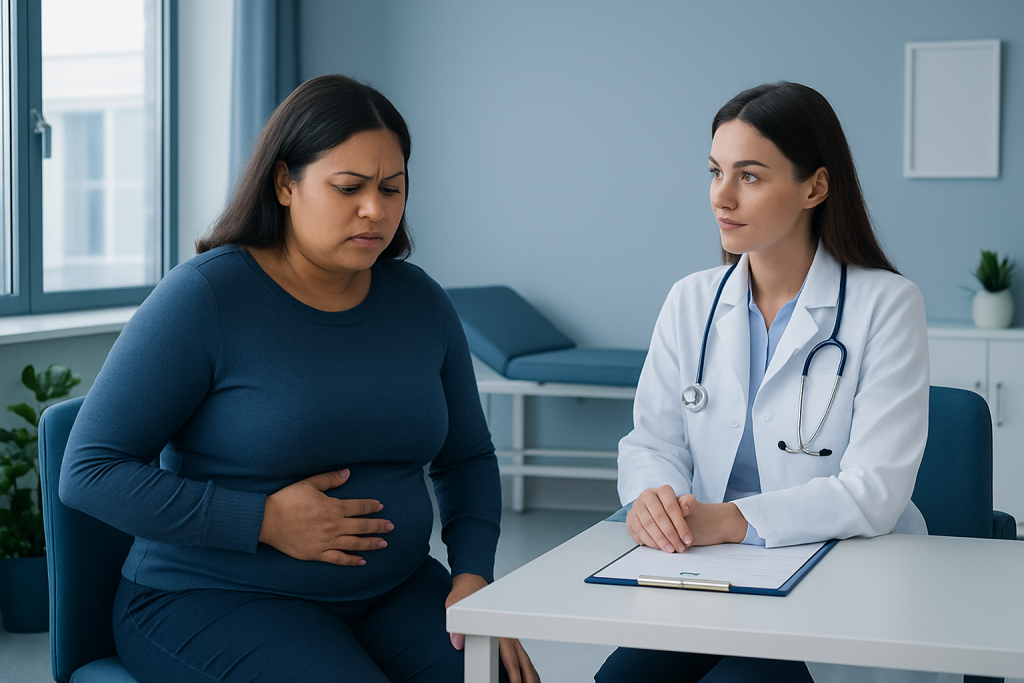
Ovulation-related symptoms often occur near the middle of the cycle. They may include clear, stretchy cervical mucus, mild one-sided pelvic pain, light spotting, breast sensitivity, or changes in libido. Bloating may occur, but it is not a reliable sign of ovulation on its own. Some people have no noticeable ovulation symptoms at all.
More prominent bloating and fluid retention are often associated with the luteal phase, which begins after ovulation and ends when the next period starts. During this phase, progesterone rises and may contribute to premenstrual symptoms such as breast tenderness, fatigue, mood changes, constipation, and a fuller feeling in the abdomen. These symptoms are commonly discussed in relation to premenstrual syndrome (PMS), although not every person with cycle-related bloating has PMS.
Because symptoms can overlap, it may be difficult to tell whether a weight fluctuation happened before ovulation, at ovulation, or in the days afterward. A cycle calendar or app can be useful, particularly when combined with notes about symptoms and weight. For people trying to identify ovulation, cervical mucus observations, ovulation predictor kits, or guidance from a clinician may be more informative than weight changes.
What Is Usually Normal, and What May Need Attention
A mild increase that lasts a few days and returns toward a usual baseline is generally reassuring, especially when it follows a similar pattern each cycle. Temporary abdominal bloating without severe pain, fever, or other concerning symptoms is also common. Gentle movement, regular meals, hydration, and limiting very salty processed foods may help some people feel more comfortable.
However, not every change in weight or abdominal size is caused by the menstrual cycle. Persistent bloating, ongoing weight gain, or symptoms that affect daily life may have another explanation. Thyroid disorders, medication effects, digestive conditions, stress, changes in activity level, and pregnancy are among the possibilities a clinician may consider.
Sudden weight changes should not automatically be attributed to hormones. A person should seek medical advice if weight gain is rapid, keeps progressing over several weeks, or occurs with swelling in the legs, shortness of breath, significant fatigue, or other new symptoms. These features deserve assessment because they may point to a condition unrelated to ovulation.
How a Doctor Evaluates Recurrent Weight or Bloating Changes
If symptoms are persistent or concerning, a doctor will usually begin with a detailed history. They may ask about the timing of symptoms within the menstrual cycle, recent weight trends, pregnancy possibility, diet, medications, bowel habits, sleep, exercise, and stress. A menstrual and symptom diary can provide useful information, particularly when symptoms have been present for several months.
The physical examination may include checking blood pressure, signs of fluid retention, abdominal tenderness, and features that could suggest hormonal or thyroid changes. Depending on the person’s symptoms and medical history, the clinician may recommend a pregnancy test, blood tests, thyroid testing, or evaluation for digestive or gynecological causes.
Pelvic imaging is not routinely needed for mild, predictable mid-cycle bloating. It may be considered if there is persistent pelvic pain, a feeling of pressure, abnormal bleeding, a palpable mass, or symptoms suggesting an ovarian or uterine condition. People with irregular periods, acne, increased facial hair, or difficulty managing weight may also benefit from evaluation for hormonal conditions such as polycystic ovary syndrome (PCOS).
Practical Self-Care for Cycle-Related Bloating
For mild symptoms, the goal is comfort rather than trying to prevent every normal scale change. Drinking fluids regularly can support normal hydration, even when someone feels bloated. Eating regular meals with fiber-rich foods, including vegetables, fruit, whole grains, and legumes as tolerated, may help reduce constipation. Increasing fiber gradually can reduce the chance of worsening gas.
Gentle physical activity, such as walking, stretching, swimming, or cycling, can support digestion and may ease the sensation of bloating. Adequate sleep and stress-management practices may also be helpful, since stress and poor sleep can affect appetite, digestion, and fluid balance. It is generally best to avoid restrictive dieting or frequent weighing in response to short-lived hormonal changes.
For more accurate weight tracking, a person can weigh at the same time of day, preferably in the morning after using the bathroom and before eating, while wearing similar clothing. Recording the result once or twice a week may be more useful than checking repeatedly each day. The pattern across several cycles matters more than a small single-day change.
Over-the-counter medicines or supplements are not necessary for most mild cycle-related symptoms. Anyone considering diuretics, herbal products, or other remedies should speak with a pharmacist or doctor first, as these may not be suitable for everyone and can sometimes cause side effects or interact with medicines.
When to Seek Medical Care
Medical review is appropriate when bloating or weight changes are persistent, worsening, or not clearly linked to the menstrual cycle. A person should arrange a non-urgent appointment if they have ongoing abdominal discomfort, a noticeable change in bowel habits, irregular or unusually heavy periods, repeated mid-cycle pain, or weight gain that does not settle after the period begins.
Urgent medical care is important for severe or sudden pelvic or abdominal pain, fainting, fever, vomiting that prevents fluid intake, heavy vaginal bleeding, chest pain, shortness of breath, or marked swelling of the face or legs. These symptoms are not typical signs of ordinary ovulation-related bloating and need prompt assessment.
Pregnancy should be considered if a period is late, there has been unprotected sex, or symptoms differ from a person’s usual cycle pattern. A home pregnancy test may be appropriate, followed by medical guidance if it is positive, unclear, or symptoms are concerning. Acibadem International’s multidisciplinary specialists and JCI-accredited hospitals can assess menstrual, hormonal, and pelvic health concerns for international patients.
Frequently asked questions
Is it normal to gain weight before ovulation?
A mild, short-lived increase on the scale before or around ovulation can be normal. It is usually related to water retention, digestion, food intake, or normal daily variation rather than a gain in body fat. If the change is persistent or steadily increases, medical advice is sensible.
How much weight can fluctuate during the menstrual cycle?
The amount varies between individuals, and daily body weight naturally changes with hydration, meals, bowel movements, and activity. Small fluctuations that come and go are common. Looking at a trend over several weeks is more useful than focusing on one measurement.
Does ovulation cause bloating?
Some people experience bloating or a feeling of fullness around ovulation, although it is more commonly associated with the days before a period. Hormonal changes, constipation, and gas can all contribute. Bloating alone cannot confirm that ovulation has occurred.
Does temporary weight gain around ovulation mean fat gain?
Usually, no. Meaningful fat gain develops over time when energy intake consistently exceeds energy use. A rapid change over one or two days is much more likely to reflect fluid shifts and the contents of the digestive tract.
When should bloating and weight gain be checked by a doctor?
A doctor should assess symptoms that are severe, persistent, worsening, or accompanied by pelvic pain, abnormal bleeding, constipation that does not improve, leg swelling, shortness of breath, or unexplained fatigue. Rapid weight gain also warrants medical evaluation. These symptoms may have causes other than the menstrual cycle.
Can pregnancy cause weight changes before a missed period?
Early pregnancy can cause bloating, breast tenderness, fatigue, and appetite changes, which can resemble premenstrual or ovulation symptoms. Weight gain is not a dependable early sign of pregnancy. A pregnancy test is the most reliable first step when pregnancy is possible and a period is late.
This article is for general information only and is not a substitute for professional medical advice. Please consult a qualified doctor about your individual situation.
Persistent digestive symptoms? Get evaluated in Turkey
JCI-accredited · board-certified surgeons · reply within 24h
Add us as a Preferred Source to see more of our trusted health content across Google Search, AI Overviews and Discover.
Check your numbers in seconds
BMI, calories, due date, blood pressure and 30+ more clinical calculators — free, instant, doctor-reviewed ranges.

More from the Health Library

Can Low Iron Cause Dizziness? Causes, Explanations, and Next Steps

Can You Take a Pregnancy Test on Your Period? Here Is What the Evidence Says

Abscess vs Cyst: Key Differences and How Doctors Tell Them Apart

What Is Eq? A Doctor-Reviewed Answer

How Long Does Alcohol Poisoning Last? A Doctor-Reviewed Answer