Doctor for Alzheimer’s: What Happens From First Symptoms to Diagnosis

A doctor for Alzheimer’s may be a primary care physician, neurologist, geriatrician, or memory clinic specialist. Diagnosis usually includes medical history, physical and neurological exams, memory testing, blood tests, and brain imaging.
Key Takeaways
- A doctor for Alzheimer’s may be a primary care physician, neurologist, geriatrician, or memory clinic specialist.
- Diagnosis usually includes medical history, physical and neurological exams, memory testing, blood tests, and brain imaging.
- Not all memory loss is Alzheimer’s, so doctors look carefully for other treatable causes.
- Early assessment can help with symptom management, planning, safety, and support for the person and family.
- Families and caregivers often play an important role by sharing changes they have noticed over time.
Finding the right doctor for Alzheimer’s often begins when memory or thinking changes start affecting daily life. Evaluation is step by step and may involve a primary care doctor, neurologist, and other specialists to understand the cause and guide treatment.
Overview: Which Doctor for Alzheimer’s Should a Person See?
When someone begins forgetting recent conversations, getting lost in familiar places, or struggling with routine tasks, families often wonder which doctor for Alzheimer’s they should contact first. In many cases, the first step is a primary care doctor, who can review symptoms, rule out common medical causes, and decide whether referral to a specialist is needed. Depending on the situation, that specialist may be a neurologist, geriatrician, psychiatrist, or a team at a memory clinic.
Alzheimer’s disease is the most common cause of dementia, but it is not the only one. That is why diagnosis is rarely based on one symptom alone. Doctors look at memory, language, judgment, behavior, daily functioning, and the pattern of change over time. They also consider other conditions that can affect thinking, such as medication side effects, thyroid disease, vitamin deficiencies, depression, sleep problems, stroke, or other brain disorders.
For many people, the process feels more manageable once they understand that evaluation happens in steps. The goal is not only to name the condition, but also to identify treatable problems, support independence, and help the person and family plan care. Early evaluation can open the door to symptom management, safety advice, emotional support, and discussion of future needs.
Early Symptoms That May Lead to an Alzheimer’s Evaluation
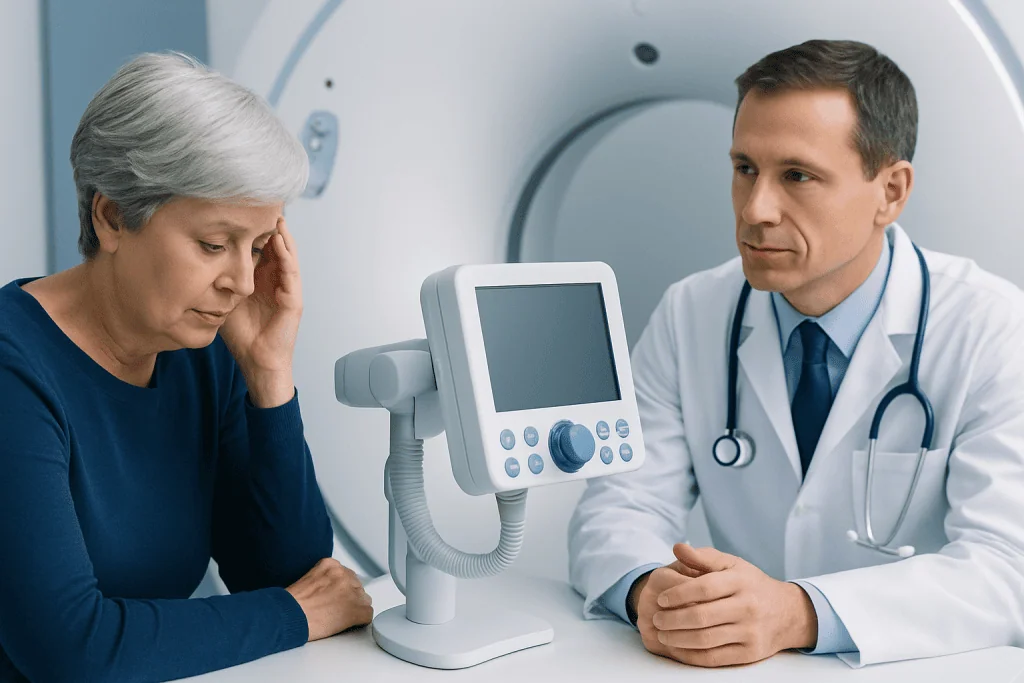
Occasional forgetfulness can happen with normal aging, stress, poor sleep, or illness. A medical review is more important when memory changes are frequent, noticeable to others, or interfere with everyday life. Common early signs include repeating questions, misplacing items and being unable to retrace steps, trouble following conversations, difficulty managing finances or medications, and needing more help with familiar tasks.
Symptoms do not always begin with memory alone. Some people first show changes in planning, judgment, word-finding, mood, social behavior, or orientation. Family members may notice missed appointments, confusion while driving, withdrawal from hobbies, or changes in personal care. Because insight can be limited, a relative or close friend often provides helpful observations the person may not recognize.
Doctors also pay attention to red flags that suggest another cause or a more urgent problem. These include sudden confusion, rapid decline over days or weeks, hallucinations, major personality change, new weakness, trouble speaking, seizures, severe headaches, or changes after a fall. Those symptoms may point to infection, stroke, medication reactions, head injury, or another condition requiring prompt assessment.
- Persistent short-term memory loss
- Difficulty with problem-solving or daily tasks
- Language or word-finding problems
- Disorientation in time or place
- Noticeable changes in mood, behavior, or judgment
What Happens at the First Doctor Visit?

The first visit usually begins with a detailed conversation about symptoms, when they started, how quickly they progressed, and how they affect daily life. The doctor may ask about work history, education, mood, sleep, alcohol use, medications, and any family history of dementia or neurological disease. Bringing a medication list and a trusted family member can make this appointment more informative and less stressful.
A physical examination and neurological examination are commonly performed. The doctor may check blood pressure, hearing, vision, balance, reflexes, coordination, and signs of stroke or Parkinsonism. These findings can help identify whether the problem is limited to memory or may involve broader brain or body systems.
Simple office-based cognitive screening tests are often used at this stage. These may assess orientation, attention, recall, language, clock drawing, and executive function. A screening test alone cannot diagnose Alzheimer’s, but it helps show whether further testing is needed. If concerns remain, the doctor may refer the person for a fuller memory evaluation with a neurologist or neuropsychologist.
Families often worry that a diagnosis is made too quickly. In reality, doctors generally combine several kinds of information before reaching a conclusion. The first visit is the beginning of that process rather than the final answer.
How Doctors Diagnose Alzheimer’s and Rule Out Other Causes
There is no single routine office test that confirms Alzheimer’s in every person. Diagnosis is based on a combination of history, examination, cognitive assessment, laboratory testing, and often brain imaging. The doctor looks for a pattern of gradual decline that affects memory and other thinking abilities and interferes with independence.
Blood tests are commonly ordered to check for problems that can mimic or worsen memory loss. These may include thyroid disorders, vitamin B12 deficiency, infection, electrolyte imbalance, liver or kidney problems, and anemia. Reviewing medicines is equally important, especially if a person takes drugs that can cause drowsiness, confusion, or anticholinergic side effects.
Brain imaging such as MRI or CT is often used to look for stroke, bleeding, tumors, normal-pressure hydrocephalus, or marked shrinkage patterns that may support a diagnosis of neurodegenerative disease. In selected cases, more advanced testing may be considered, such as formal neuropsychological testing or specialized biomarker studies. This is particularly helpful when symptoms are unusual, early in onset, or difficult to distinguish from other conditions such as Parkinson’s disease or vascular cognitive impairment.
Doctors may also consider whether the presentation fits another dementia syndrome, such as Alzheimer’s disease, Lewy body dementia, frontotemporal dementia, or mixed dementia. Reaching the most accurate diagnosis matters because treatment plans, safety advice, and future expectations can differ from one condition to another.
Specialists Who May Be Involved in Alzheimer’s Care
Several medical professionals may help diagnose and manage Alzheimer’s. A primary care physician often coordinates care and follows general health issues. A neurologist focuses on disorders of the brain and nervous system and is commonly involved when memory symptoms are persistent, complex, or progressing. A geriatrician may be especially helpful for older adults with multiple medical conditions, frailty, or medication concerns.
Some people are referred to a psychiatrist or neuropsychiatrist, particularly if depression, anxiety, sleep disturbance, agitation, or hallucinations are part of the picture. A clinical neuropsychologist may perform detailed cognitive testing to map strengths and weaknesses in memory, attention, language, and executive function. This can support diagnosis and create a baseline for future comparison.
Other team members may include occupational therapists, speech-language therapists, social workers, nurses, and dietitians. Their role is practical and supportive: improving communication, daily function, home safety, caregiver education, and access to community resources. Because Alzheimer’s affects both the individual and the family, multidisciplinary care is often the most helpful approach.
In some centers, people can be assessed in dedicated memory clinics where several specialists work together. Near the end of the diagnostic journey, some families also seek care at international centers. Acibadem International’s multidisciplinary specialists in JCI-accredited hospitals evaluate and treat neurological conditions for international patients when advanced assessment is needed.
Treatment After Diagnosis: What Comes Next?
After a diagnosis, the doctor will discuss the stage of the condition, current symptoms, safety concerns, and goals of care. Treatment usually aims to support quality of life, preserve function for as long as possible, manage mood or behavioral symptoms, and help caregivers. Some people may benefit from medicines used to manage cognitive symptoms, while others may need treatment for sleep issues, depression, anxiety, or agitation. The doctor will explain potential benefits and side effects in a personalized way.
Non-drug strategies are a key part of care. These may include regular routines, physical activity, hearing and vision support, memory aids, nutrition, sleep hygiene, and reducing environmental stress. Occupational therapy can help adapt the home and daily tasks. If swallowing, communication, or mobility become difficult, the care team may recommend targeted therapies.
Follow-up is important because symptoms can change over time. Doctors may monitor cognition, function, mood, and caregiver strain, and update the plan as needed. In selected cases, further neurological evaluation or supportive procedures may be part of a broader workup through services such as neurology care, MRI imaging, or comprehensive check-up programs.
Planning is also part of treatment. Discussions may include driving, medication management, finances, legal documents, advance care preferences, and when extra support at home may be needed. These conversations can feel difficult, but early planning often gives families more control and peace of mind.
Prevention, Risk Reduction, and Self-Care
Alzheimer’s cannot always be prevented, but some lifestyle and health measures may support brain health and reduce overall cognitive risk. Doctors often encourage regular physical activity, treatment of high blood pressure and diabetes, smoking cessation, healthy sleep, social engagement, and a balanced eating pattern rich in whole foods. Managing hearing loss, depression, and vision problems may also help protect day-to-day cognitive function.
Mental activity is valuable, though it is not a guarantee against dementia. Reading, conversation, hobbies, music, language learning, and problem-solving activities can help keep the mind engaged. A consistent daily routine can also reduce stress and support memory for people who are already having mild symptoms.
For caregivers, self-care is equally important. Looking after someone with memory loss can be emotionally and physically demanding. Doctors often recommend caregiver support groups, respite care, and practical education about communication, behavior changes, and safety at home. Asking for help early is a sign of good care, not failure.
- Stay active most days of the week
- Keep blood pressure, blood sugar, and cholesterol under medical control
- Prioritize sleep and treat sleep disorders
- Use hearing aids or vision correction if needed
- Maintain social and mental engagement
When to See a Doctor Urgently
Gradual memory loss should be discussed with a doctor, but some situations need faster attention. Urgent assessment is important if confusion appears suddenly, symptoms worsen rapidly, or there are signs such as one-sided weakness, facial drooping, trouble speaking, severe headache, fainting, seizures, or recent head trauma. These can suggest stroke, bleeding, infection, or another emergency rather than a typical slow neurodegenerative process.
A prompt appointment is also advisable if the person becomes unsafe at home, misses essential medicines, wanders, leaves the stove on, or shows major behavioral changes. Significant depression, suicidal thoughts, aggression, or hallucinations should also be reported quickly so the doctor can assess risk and support the family.
Even when symptoms are not urgent, it is best not to wait too long for evaluation. Early diagnosis can help explain what is happening, reduce uncertainty, and connect the person with practical treatment and support. If memory concerns persist, a qualified doctor for Alzheimer’s assessment can guide the next steps safely and thoughtfully.
Frequently asked questions
What kind of doctor diagnoses Alzheimer’s?
Diagnosis may begin with a primary care doctor, who can review symptoms and order initial tests. A neurologist, geriatrician, psychiatrist, or memory clinic specialist may then take part in the evaluation, especially if symptoms are ongoing or complex.
Can a regular memory test confirm Alzheimer’s?
No. Office memory tests are useful screening tools, but they do not confirm Alzheimer’s on their own. Doctors combine test results with medical history, examination, lab work, and often brain imaging to reach a diagnosis.
Is all memory loss a sign of Alzheimer’s disease?
No. Memory problems can also be caused by stress, depression, sleep disorders, vitamin deficiencies, thyroid disease, medication side effects, or other neurological conditions. That is why a careful medical evaluation is important.
Should a family member come to the appointment?
Yes, this is often very helpful. A family member or close friend can describe changes they have observed, help with the timeline of symptoms, and support the person in remembering medical details and recommendations.
What scans are used when doctors suspect Alzheimer’s?
MRI or CT scans are commonly used to look for stroke, bleeding, tumors, or other structural causes of symptoms. In selected situations, doctors may recommend more specialized testing depending on the person’s age, symptoms, and medical history.
Why is early diagnosis important?
Early diagnosis can help identify treatable contributors, improve symptom management, and support safety planning. It also gives the person and family more time to understand the condition, organize care, and make informed decisions.
References
- World Health Organization
- National Institute on Aging
- Alzheimer’s Association
- Centers for Disease Control and Prevention
- National Institute of Neurological Disorders and Stroke
This article is for general information only and is not a substitute for professional medical advice. Please consult a qualified doctor about your individual situation.
Explore treatments in Turkey — costs, top hospitals & a free quote
JCI-accredited · board-certified surgeons · reply within 24h
Add us as a Preferred Source to see more of our trusted health content across Google Search, AI Overviews and Discover.
Check your numbers in seconds
BMI, calories, due date, blood pressure and 30+ more clinical calculators — free, instant, doctor-reviewed ranges.