Does AIDS or HIV Kill You? A Doctor-Reviewed Answer

HIV is a manageable chronic infection for most people who receive and continue effective treatment. AIDS is the most advanced stage of untreated HIV infection, not a separate virus.
Key Takeaways
- HIV is a manageable chronic infection for most people who receive and continue effective treatment.
- AIDS is the most advanced stage of untreated HIV infection, not a separate virus.
- Modern antiretroviral therapy lowers the amount of HIV in the body and protects immune function.
- A person with a sustained undetectable viral load does not sexually transmit HIV to partners.
- Testing is the only reliable way to know whether a person has HIV after a possible exposure.
HIV does not usually cause death when it is diagnosed and treated early with effective antiretroviral therapy. Without treatment, HIV can progressively weaken the immune system and may lead to AIDS, where serious infections and certain cancers can become life-threatening.
Does AIDS or HIV Kill You?
HIV does not usually kill a person when it is identified and treated. With consistent antiretroviral therapy, many people living with HIV can have a near-normal life expectancy, remain active, and avoid progression to AIDS.
Without treatment, HIV can damage the immune system over time. In its advanced stage, called AIDS, the body becomes less able to fight certain infections and cancers; these complications can be serious or life-threatening. This outcome is largely preventable through testing, medical follow-up, and effective treatment.
HIV and AIDS are related but not interchangeable terms. HIV is the virus that attacks specific immune cells. AIDS, or acquired immunodeficiency syndrome, is a diagnosis used when HIV has caused severe immune suppression or an AIDS-defining illness.
Why HIV Can Become Serious Without Treatment
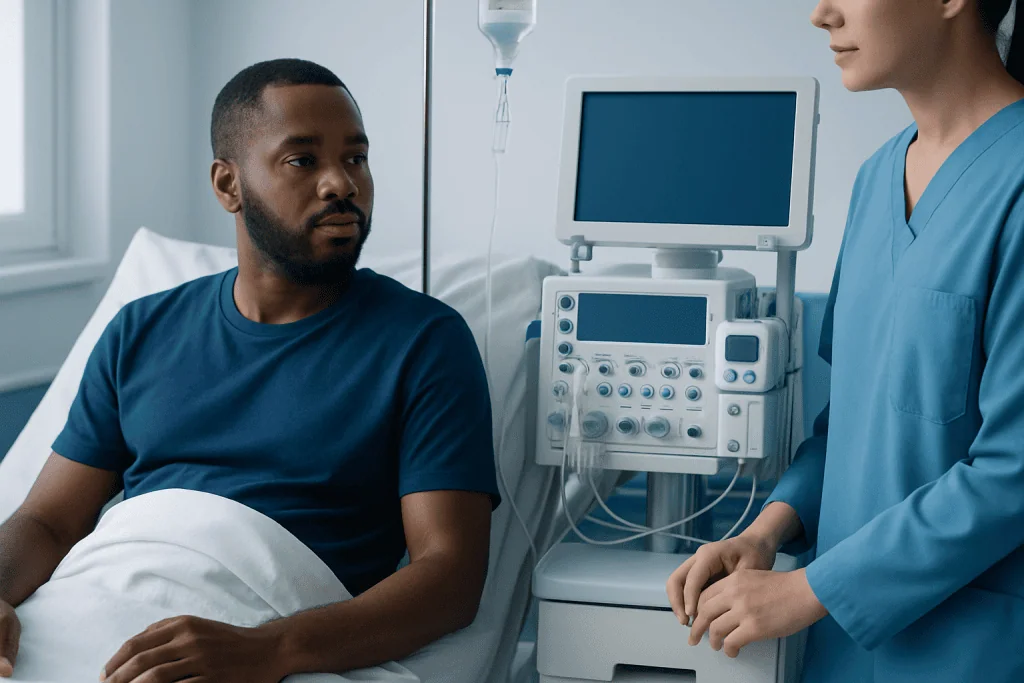
HIV primarily infects CD4 cells, which help coordinate the immune response. In the early stages, a person may feel well or have only short-lived flu-like symptoms. However, the virus can continue reproducing in the body even when there are no noticeable symptoms.
Over months or years without treatment, the number and function of CD4 cells may decline. This makes it harder for the body to control infections that would not normally cause severe illness. The rate of progression varies considerably between individuals, and it cannot be predicted from symptoms alone.
Advanced HIV disease can allow opportunistic infections, such as tuberculosis, certain pneumonias, or fungal infections, to develop. It is also associated with a higher risk of some cancers. Prompt treatment can restore immune health substantially and lowers the risk of these complications.
Symptoms: What May and May Not Be Related to HIV
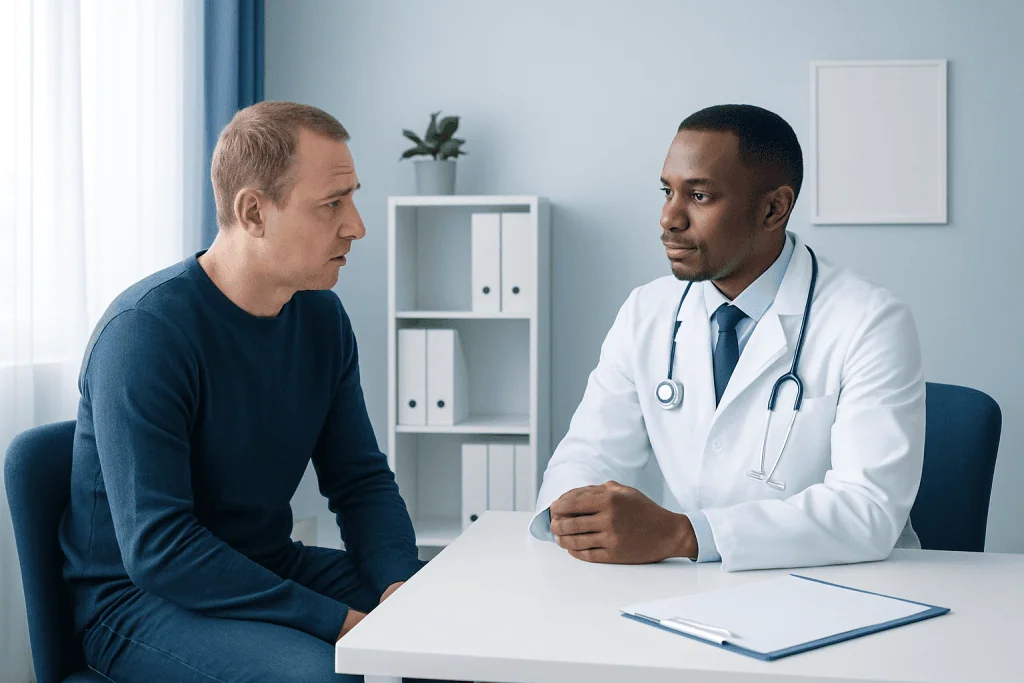
Many people have no symptoms for a long period after acquiring HIV. Some develop an acute illness two to four weeks after infection, with symptoms such as fever, rash, sore throat, swollen lymph nodes, headache, tiredness, muscle aches, or mouth ulcers. These symptoms are common in many viral illnesses and cannot diagnose HIV on their own.
Later symptoms may include unexplained weight loss, persistent fever or night sweats, ongoing diarrhea, repeated infections, thrush in the mouth, or swollen lymph nodes that do not settle. These signs have many possible causes, so they should be assessed by a clinician rather than assumed to be HIV.
A person should not wait for symptoms before testing. HIV testing is particularly important after unprotected vaginal or anal sex, sharing injecting equipment, a needlestick injury, sexual assault, or a partner’s known or possible HIV exposure. Oral sex has a much lower risk, though risk may rise in some circumstances, such as if blood is present.
How Doctors Test for HIV and Assess Health
HIV is diagnosed with blood or oral-fluid tests that look for parts of the virus, antibodies made by the immune system, or both. The right test depends on how recently a possible exposure occurred. Because every test has a window period, a clinician may recommend repeat testing after an initially negative result if exposure was recent.
If an HIV test is positive, confirmatory testing is performed. Clinicians then measure the viral load, which is the amount of virus in the blood, and assess CD4 cell levels. These results help guide treatment and show how well the immune system is functioning.
Doctors may also check for other sexually transmitted infections, hepatitis B and C, tuberculosis when appropriate, kidney and liver health, and vaccination needs. These evaluations support a complete, individualized care plan rather than focusing only on the HIV test result.
Treatment Changes the Outlook for HIV
The standard treatment for HIV is antiretroviral therapy, often called ART. It uses a combination of medicines that stop HIV from making copies of itself. Treatment is recommended for everyone diagnosed with HIV, regardless of symptoms or CD4 count, and it should be started as soon as practical under medical guidance.
When ART is taken consistently, the viral load can become undetectable on a standard test. Maintaining an undetectable viral load prevents sexual transmission of HIV, a principle known as U=U: undetectable equals untransmittable. It also allows the immune system to recover and greatly reduces the risk of AIDS-related illnesses.
ART does not currently remove HIV completely from the body, so it is generally long-term treatment. A clinician can help choose a suitable regimen, monitor for side effects or medicine interactions, and provide support if taking medication every day becomes difficult. Ongoing care is an important part of staying healthy with HIV.
People with HIV may also need treatment for related infections or other health conditions. Coordinated infectious disease care can address HIV, prevention of complications, mental wellbeing, sexual health, pregnancy planning, and routine preventive care.
Preventing HIV and Protecting Partners
HIV is transmitted through certain body fluids, mainly blood, semen, rectal fluids, vaginal fluids, and breast milk, when they enter another person’s bloodstream or contact certain mucous membranes. It is not spread through everyday contact such as hugging, sharing food, using the same toilet, saliva, sweat, or insect bites.
Condoms, when used correctly and consistently, reduce the chance of HIV and many other sexually transmitted infections. Pre-exposure prophylaxis, or PrEP, is medication that can substantially reduce the risk of acquiring HIV for people with ongoing exposure risk. Post-exposure prophylaxis, or PEP, may be used after a possible exposure, but it must be started urgently, ideally as soon as possible and within 72 hours.
People who inject drugs can reduce risk by using sterile injecting equipment and accessing harm-reduction services. During pregnancy, effective HIV treatment and specialist care can greatly reduce the chance of perinatal transmission. Discussing testing, prevention, and treatment openly with a healthcare professional can help people make informed choices without stigma.
When to Seek Medical Care
Anyone who thinks they may have been exposed to HIV should contact a healthcare professional, sexual health clinic, or emergency service promptly. Urgent assessment is especially important when exposure occurred within the last 72 hours, because PEP may be an option. A clinician can assess the type of exposure and advise on testing at the right times.
Medical review is also appropriate for persistent fever, unexplained weight loss, recurrent infections, prolonged diarrhea, night sweats, severe fatigue, or swollen lymph nodes that do not improve. These symptoms do not necessarily mean HIV, but they deserve careful evaluation.
People already diagnosed with HIV should seek timely advice if they cannot take their treatment, develop new symptoms, become pregnant, start a new medication, or have concerns about side effects. Acibadem International’s multidisciplinary specialists and JCI-accredited hospitals provide diagnosis and treatment support for international patients living with HIV and related health needs.
Frequently asked questions
Can a person live a normal life with HIV?
Many people with HIV who start and continue effective antiretroviral therapy can live long, healthy lives. Regular medical care, medication adherence, and attention to general health all support the best possible outlook.
Is HIV always fatal without treatment?
Untreated HIV can progressively weaken the immune system and may eventually lead to AIDS and life-threatening complications. The pace differs from person to person, but treatment can prevent this progression.
What is the difference between HIV and AIDS?
HIV is the virus that affects the immune system. AIDS is the advanced stage of HIV infection, diagnosed when immune damage is severe or when certain serious illnesses occur.
Can HIV be cured?
There is currently no widely available cure for HIV. However, antiretroviral therapy can suppress the virus to undetectable levels and allow people to maintain their health.
Can someone with undetectable HIV transmit it through sex?
A person who takes treatment consistently and maintains an undetectable viral load does not sexually transmit HIV. This is supported by strong evidence and is known as U=U, meaning undetectable equals untransmittable.
How soon after exposure should someone get an HIV test?
Testing should be discussed as soon as possible after a potential exposure, even if an early test may need repeating because of the test window period. If the exposure was within 72 hours, urgent medical assessment is important to consider PEP.
This article is for general information only and is not a substitute for professional medical advice. Please consult a qualified doctor about your individual situation.
Explore treatments in Turkey — costs, top hospitals & a free quote
JCI-accredited · board-certified surgeons · reply within 24h
Add us as a Preferred Source to see more of our trusted health content across Google Search, AI Overviews and Discover.

Infectious Diseases & Clinical Microbiology Specialists at Acibadem

Assoc. Prof. Dr. Aslıhan Demirel
Infectious Diseases & Clinical Microbiology
Dr. Aytan Seydalıyeva
Infectious Diseases & Clinical Microbiology
Prof. Dr. Behice Kurtaran
Infectious Diseases & Clinical Microbiology
Prof. Dr. Cihadiye Elif Öztürk
Infectious Diseases & Clinical Microbiology
Dr. Dilara Akman
Infectious Diseases & Clinical MicrobiologyMore from the Health Library

Is Yogurt Ice Cream Fattening? Causes, Explanations, and Next Steps

Can You Get Pregnant on Your Period? Here Is What the Evidence Says

What Stops Itching Fast? A Doctor-Reviewed Answer

Does Anesthesia Cause Hair Loss? Causes, Explanations, and Next Steps

How Do You Stop Infant Hiccups? Here Is What the Evidence Says