Does Birth Control Make You Fatigued? A Doctor-Reviewed Answer

Some people report tiredness after beginning hormonal birth control, although fatigue is not always directly caused by contraception. Adjustment to hormone changes, altered bleeding patterns, mood changes, sleep disruption, or another health condition may contribute to low energy.
Key Takeaways
- Some people report tiredness after beginning hormonal birth control, although fatigue is not always directly caused by contraception.
- Adjustment to hormone changes, altered bleeding patterns, mood changes, sleep disruption, or another health condition may contribute to low energy.
- Heavy or prolonged bleeding can lead to iron deficiency and should not be dismissed as a normal side effect.
- A clinician can review the birth control method, medical history, medicines, sleep, mood, and blood tests when appropriate.
- Urgent symptoms such as chest pain, shortness of breath, fainting, or one-sided leg swelling require prompt medical attention.
Birth control can be associated with fatigue for some people, particularly during the first few months after starting, stopping, or changing a hormonal method. Most tiredness is not dangerous, but fatigue that is persistent, severe, or accompanied by concerning symptoms should be assessed to identify other possible causes.
Does birth control make you fatigued?
Birth control can make some people feel fatigued, especially in the first weeks or months after they start a new hormonal method or switch to a different one. For many, this is mild and temporary while the body adjusts. However, fatigue is common in the general population, so it is not always possible to conclude that contraception is the only cause.
Hormonal birth control includes combined pills, patches and vaginal rings containing estrogen and progestin, as well as progestin-only pills, injections, implants and hormonal intrauterine devices (IUDs). These methods affect hormone signaling differently, and an individual response can vary. Non-hormonal methods, such as copper IUDs and barrier contraception, do not cause hormone-related effects, although they may have other considerations.
New tiredness deserves attention if it lasts beyond the adjustment period, interferes with work, school, exercise, or daily activities, or occurs with other symptoms. A doctor can help distinguish a possible contraceptive-related effect from conditions such as anemia, thyroid disease, depression, pregnancy, infection, or poor sleep.
Why fatigue may happen after starting birth control
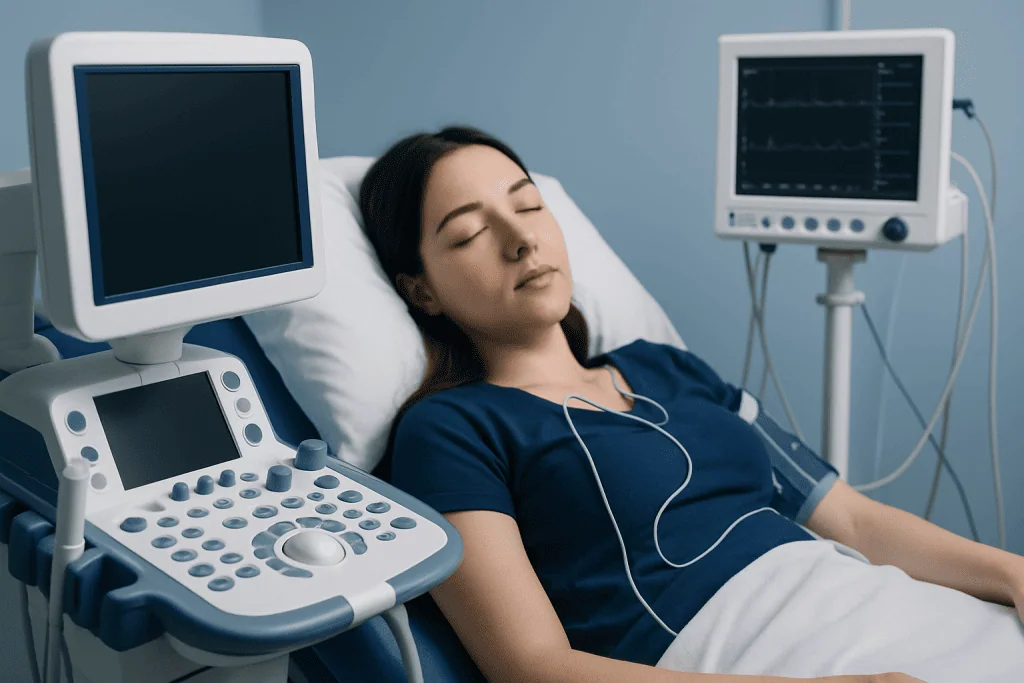
Research does not show that all hormonal contraceptives consistently cause fatigue, but individual users may notice a change in energy. Hormonal shifts can influence sleep, mood, appetite, headaches, and the way a person experiences their menstrual cycle. Any of these changes may make tiredness feel more noticeable, even when there is no dangerous underlying problem.
Some people experience mood changes, lower mood, anxiety, or reduced motivation after starting a method. Mood and energy are closely connected, and disrupted sleep can add to daytime exhaustion. Others may have nausea, headaches, or irregular bleeding during the adjustment phase, which can also affect rest and wellbeing.
Bleeding patterns matter. Although many hormonal methods make periods lighter over time, some can cause spotting or prolonged irregular bleeding at first. Heavy or extended bleeding may reduce iron stores and contribute to iron-deficiency anemia, a common and treatable cause of fatigue. A copper IUD can also make periods heavier for some people, particularly in the first months of use.
Fatigue may also be unrelated to contraception. Busy schedules, insufficient sleep, stress, recent illness, dietary changes, pregnancy, medication side effects, and medical conditions can develop at the same time as a new birth control method. Looking at timing is useful, but a full health review is often more informative than assuming one cause.
Patterns that can help identify the cause

It can be helpful to consider when the fatigue started. Tiredness that begins soon after initiating a method and improves over several weeks may be related to adjustment. Symptoms that return predictably after taking a pill, receiving an injection, or changing a hormonal device are also worth discussing with a clinician.
Keeping a simple record for several weeks can support a more productive appointment. Note energy levels, sleep duration and quality, mood, bleeding, headaches, diet changes, exercise, illnesses, and the dates contraception was started or changed. This information may reveal patterns that are not obvious day to day.
Symptoms of anemia may include unusual weakness, dizziness, shortness of breath with activity, paleness, headaches, a racing heartbeat, or reduced exercise tolerance. People with heavy menstrual bleeding, restrictive diets, digestive disorders, recent pregnancy, or a history of anemia may have a higher likelihood of low iron. Anemia can be evaluated with a clinical assessment and appropriate blood tests.
If there has been missed contraception, vomiting or diarrhea affecting pill absorption, an expired contraceptive device, or unprotected sex, pregnancy should be considered. Fatigue can occur early in pregnancy, and a home pregnancy test may be appropriate based on individual circumstances.
How a doctor evaluates fatigue while using birth control
A clinician will usually begin by asking about the type of contraception, when it was started, how consistently it has been used, and whether the timing matches the fatigue. They may also ask about menstrual bleeding, recent pregnancy, pain, mood, sleep, stress, dietary intake, weight changes, exercise, alcohol or substance use, and other medications or supplements.
A physical examination may assess blood pressure, heart rate, signs of anemia, thyroid enlargement, infection, or other relevant findings. Depending on the history, a doctor may recommend blood tests such as a complete blood count and iron studies, thyroid testing, glucose testing, or other targeted investigations. Testing is individualized; not everyone with short-lived mild tiredness needs extensive tests.
It is important not to stop contraception abruptly without a plan if pregnancy prevention is needed. A clinician can review whether the current method remains suitable and discuss alternatives, including a different hormone formulation, a lower-maintenance option, or a non-hormonal method. Contraception counseling can help match a method to a person’s health history, preferences, bleeding pattern, and reproductive plans.
If another condition is identified, treatment focuses on that cause rather than assuming the contraceptive is responsible. For example, iron deficiency may require dietary advice and iron replacement under medical guidance, while sleep, mood, or thyroid concerns need their own assessment and management.
What can help with mild tiredness
For mild fatigue soon after a contraceptive change, practical measures may help while symptoms are monitored. Regular sleep and wake times, adequate hydration, balanced meals containing protein and iron-rich foods, and gentle physical activity can support energy. Avoiding excessive caffeine late in the day may also protect sleep quality.
It is useful to take hormonal pills at the same time each day, as prescribed. If a person believes a pill is causing tiredness at a particular time of day, they should ask a pharmacist or clinician before changing their routine, since advice can differ by formulation and personal medical needs.
People should avoid self-treating suspected iron deficiency with supplements indefinitely without professional input. Excess iron can be harmful, and fatigue has many possible causes. A clinician can determine whether testing and treatment are appropriate, especially when bleeding is heavy or prolonged.
If fatigue does not improve after a reasonable adjustment period, commonly around two to three months for many hormonal methods, a medical review is sensible. Earlier review is appropriate whenever symptoms are significant or daily functioning is affected.
When to seek medical care
Arrange a non-urgent medical appointment if fatigue is persistent, worsening, or severe; if it began after a new contraceptive method and does not settle; or if it is accompanied by heavy bleeding, prolonged bleeding, frequent dizziness, low mood, sleep problems, or a noticeable decline in daily function. A clinician can assess whether changing the method is reasonable and screen for other causes.
Seek urgent medical care for chest pain, sudden shortness of breath, coughing up blood, fainting, sudden severe headache, new weakness or numbness on one side of the body, vision changes, or painful swelling and redness in one leg. These symptoms are uncommon but can indicate serious conditions, including a blood clot, particularly in users of estrogen-containing contraception.
Urgent evaluation is also appropriate for very heavy vaginal bleeding, severe abdominal or pelvic pain, fever with pelvic pain, or a positive pregnancy test with pain or bleeding. These symptoms should not be managed by waiting to see whether fatigue improves.
Acibadem International’s multidisciplinary specialists and JCI-accredited hospitals can assess fatigue and contraceptive concerns for international patients, including evaluation for gynecological, hormonal, and blood-related causes.
Frequently asked questions
How long does fatigue from birth control last?
If tiredness is related to starting or changing hormonal birth control, it may improve during the first two to three months as the body adjusts. It should be reviewed sooner if it is severe, worsening, or affecting normal activities. Persistent fatigue may have another cause that needs assessment.
Which birth control is most likely to cause fatigue?
There is no single birth control method that causes fatigue in everyone. Responses vary according to the person, the hormone type and dose, bleeding changes, sleep, mood, and other health factors. A clinician can help choose an alternative if symptoms seem linked to a particular method.
Can birth control cause anemia and tiredness?
Hormonal birth control often reduces menstrual bleeding over time and may help protect against iron deficiency for some people. However, irregular, prolonged, or heavy bleeding can occur, especially early after starting some methods, and this may contribute to low iron. Copper IUDs can also increase bleeding in some users.
Should someone stop birth control if they feel exhausted?
It is best to speak with a clinician before stopping if pregnancy prevention is important. They can assess urgent symptoms, rule out other causes of fatigue, and help arrange a safe alternative method if needed. Barrier protection may be needed during any transition depending on the circumstances.
Could fatigue while on birth control mean pregnancy?
Fatigue can be an early pregnancy symptom, but it is not specific to pregnancy. A pregnancy test is reasonable if contraception was missed or used incorrectly, if there was unprotected sex, or if periods or expected bleeding patterns have changed. Seek prompt medical advice for a positive test with pain or bleeding.
When is fatigue on birth control an emergency?
Emergency care is needed for symptoms such as chest pain, sudden breathlessness, fainting, coughing up blood, one-sided leg swelling or pain, sudden severe headache, or new neurological symptoms. These can be warning signs of a serious condition and require immediate assessment. Very heavy bleeding or severe pelvic pain also needs urgent care.
References
- American College of Obstetricians and Gynecologists
- Centers for Disease Control and Prevention
- World Health Organization
- National Institutes of Health
- Mayo Clinic
This article is for general information only and is not a substitute for professional medical advice. Please consult a qualified doctor about your individual situation.
Explore treatments in Turkey — costs, top hospitals & a free quote
JCI-accredited · board-certified surgeons · reply within 24h
Add us as a Preferred Source to see more of our trusted health content across Google Search, AI Overviews and Discover.

More from the Health Library



Related Specialists

Dr. Berkun Koncay
Pediatrics
Dr. Hüseyin Ercan
Radiology
Prof. Dr. Remzi Tözün
Orthopedic Surgery & Traumatology
Dr. Vildan Alev Sönmez
Anesthesiology