Does Burke Become Chief of Surgery: Procedure, Recovery and Results

Dr. Preston Burke briefly becomes interim Chief of Surgery, not the permanent chief. After Dr. Richard Webber, Dr. Derek Shepherd becomes Chief of Surgery.
Key Takeaways
- Dr. Preston Burke briefly becomes interim Chief of Surgery, not the permanent chief.
- After Dr. Richard Webber, Dr. Derek Shepherd becomes Chief of Surgery.
- Burke returns to surgery after recovering from his hand tremor with support from Cristina Yang.
- Dr. Erica Hahn replaces Burke as the hospital’s cardiothoracic surgeon.
- Burke later establishes and leads a cardiothoracic research hospital in Switzerland.
No, Dr. Preston Burke does not become the permanent Chief of Surgery in Grey’s Anatomy. He briefly takes on the interim role after Dr. Richard Webber steps down, but he resigns from the position and later leaves Seattle Grace Hospital.
Does Burke Become Chief of Surgery? The Short Answer
In Grey’s Anatomy, Dr. Preston Burke does become interim Chief of Surgery for a short time, but he does not become the permanent chief. He accepts the leadership role after Dr. Richard Webber steps down temporarily, yet Burke resigns when it becomes clear that his hand tremor has affected his ability to operate independently.
The storyline is primarily about professional responsibility, patient safety, and the pressures of surgical leadership. Burke’s decision to step away reflects the expectation that surgeons must be medically fit to perform procedures safely and must disclose any condition that could affect clinical care.
Although the question is based on a fictional television series, it can prompt useful real-world questions about what a Chief of Surgery does, how surgeons return to practice after an injury, and why transparent assessment is important when a clinician’s health may affect their work.
Who becomes Chief of surgery in Grey's Anatomy after Dr. Webber?
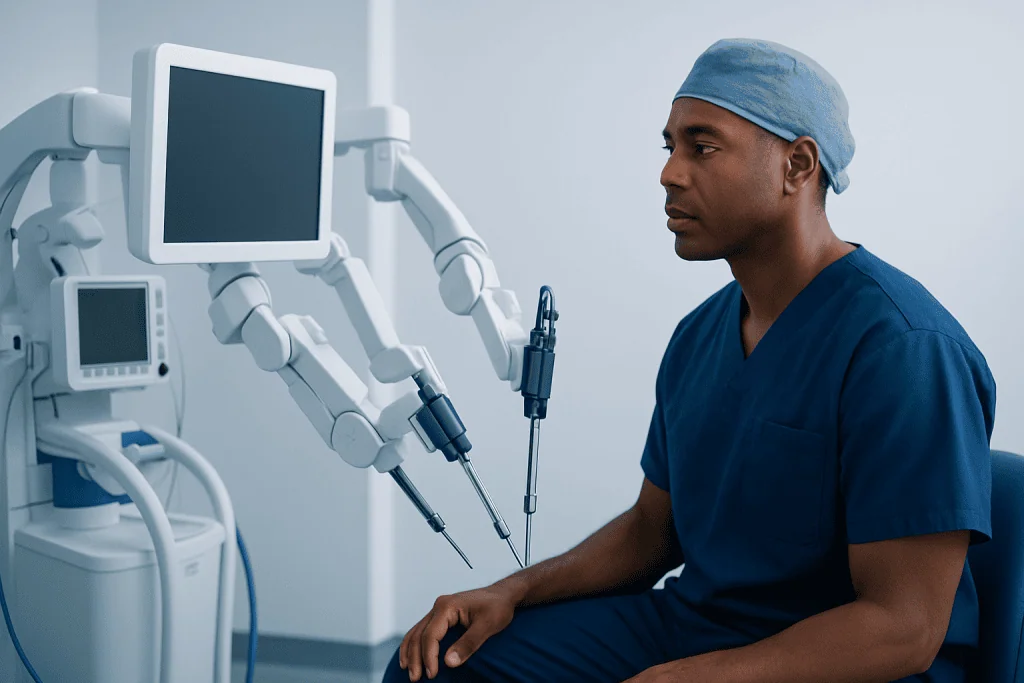
After Dr. Richard Webber leaves the Chief of Surgery position, Dr. Derek Shepherd becomes Chief of Surgery at Seattle Grace Mercy West Hospital. Burke serves only as interim chief earlier in the series and does not take the permanent role after Webber.
Dr. Shepherd’s appointment brings a different style of leadership to the hospital. As a neurosurgeon, he must balance his own demanding operative practice with administrative responsibilities such as staffing, quality improvement, surgical scheduling, patient safety, and coordination across specialties.
In real hospitals, a Chief of Surgery is usually an experienced surgeon appointed to lead a surgical department or service line. The position often includes clinical governance and operational duties in addition to direct patient care. Hospital leadership structures vary, and the role may be shared with medical directors, nursing leaders, and specialty department heads.
Does Burke become a surgeon again?

Yes. Dr. Burke returns to operating after the tremor in his right hand improves. During the storyline, Cristina Yang secretly assists him during operations because his tremor makes some surgical tasks difficult. This arrangement is unsafe and ethically problematic because it prevents the surgical team and patients from understanding who is performing key parts of an operation.
Burke eventually acknowledges the problem and seeks treatment. His tremor improves after surgical treatment for the nerve injury shown in the series, allowing him to return to practice. In real life, whether a surgeon can safely return to operating depends on the cause and severity of symptoms, the procedure requirements, functional testing, specialist advice, and institutional credentialing processes.
Hand tremor, weakness, numbness, or reduced coordination can have many causes, including nerve compression, injury, medication effects, thyroid disease, anxiety, and neurological conditions. People with persistent tremor should receive medical assessment rather than assume it has a single cause. Related conditions may require evaluation by neurology, orthopedics, rehabilitation, or other specialists.
Who replaces Burke in Grey's Anatomy?
Dr. Erica Hahn replaces Dr. Burke as Seattle Grace Hospital’s cardiothoracic surgeon after he leaves. She is introduced as an experienced cardiothoracic surgeon and becomes an important presence in the hospital’s cardiac surgical service.
Cardiothoracic surgery is a highly specialized field that involves operations on the heart, lungs, esophagus, and other structures in the chest. Care is delivered by a multidisciplinary team that may include cardiac surgeons, cardiologists, anesthesiologists, perfusionists, intensive care clinicians, nurses, and rehabilitation professionals.
For real patients, a referral for cardiac or thoracic surgery is based on a confirmed diagnosis, symptoms, imaging and test results, overall health, and the likely benefits and risks of surgery compared with medication-based or minimally invasive options. The appropriate treatment plan should be individualized by a qualified clinical team.
Does Dr. Burke ever become Chief?
Dr. Burke is briefly interim Chief of Surgery, but he never becomes the long-term, permanent chief at Seattle Grace. He resigns from the interim role after his hand tremor becomes known and the situation surrounding his operations is addressed.
Later in the series, Burke builds a successful career in cardiothoracic innovation and leads the Klausman Institute for Medical Research in Zurich, Switzerland. This later role shows him in a major leadership position, but it is different from serving as Chief of Surgery at Seattle Grace.
Fictional medical dramas often condense complex professional processes for storytelling. In clinical practice, a surgeon’s return after an illness or injury usually involves confidential occupational-health support, medical treatment, functional evaluation, peer review where appropriate, and clear safeguards designed to protect patients and clinicians.
How surgical hand conditions are assessed and treated in real life
A surgeon who develops tremor, pain, numbness, weakness, or impaired dexterity would generally need a thorough medical assessment. The process may include a review of symptoms and medications, a neurological and musculoskeletal examination, blood tests, and, when indicated, imaging or nerve-conduction studies. The purpose is to identify the cause and determine whether treatment can restore safe function.
Treatment depends on the underlying condition. It may involve rest and activity modification, physiotherapy or occupational therapy, medication adjustments, treatment of an endocrine or neurological disorder, splinting, injections, or surgery for selected nerve-compression or injury-related problems. For example, carpal tunnel surgery may be considered when nerve compression causes persistent symptoms and conservative care has not helped.
Recovery is not identical for every condition. Some people improve within weeks, while nerve healing and restoration of fine hand control can take months. Return to demanding work should be gradual and guided by the treating clinician, functional recovery, and workplace safety requirements.
Acibadem International’s multidisciplinary specialists and JCI-accredited hospitals assess nerve, hand, and neurological symptoms and coordinate treatment planning for international patients when appropriate.
When to seek medical care
Anyone who develops a new or persistent tremor, hand weakness, numbness, loss of coordination, or difficulty with everyday tasks should arrange a medical evaluation. Prompt assessment is particularly important when symptoms are worsening, affect one side of the body, follow an injury, or interfere with work, driving, writing, eating, or other essential activities.
Urgent medical attention is needed if tremor or weakness begins suddenly or occurs with facial drooping, speech difficulty, severe headache, confusion, loss of balance, chest pain, or shortness of breath. These symptoms can have causes that require immediate assessment.
People should not self-diagnose hand symptoms based on a television storyline. A clinician can assess the symptom pattern, review relevant health history, and recommend appropriate testing or referral. Early advice may help identify treatable causes and support safer recovery.
Frequently asked questions
Does Burke become Chief of Surgery?
Dr. Preston Burke briefly becomes interim Chief of Surgery in Grey’s Anatomy. However, he does not remain in the role or become the hospital’s permanent chief, as he resigns after his hand tremor affects his surgical work.
Who becomes Chief of Surgery after Dr. Webber?
Dr. Derek Shepherd becomes Chief of Surgery after Dr. Richard Webber. Burke had served as interim chief earlier, but he was not appointed as Webber’s long-term replacement.
Does Burke become a surgeon again after his tremor?
Yes. Burke returns to surgery after his tremor improves following treatment in the series. In real practice, a surgeon’s return to operating would require medical assessment and confirmation that they can safely perform the necessary tasks.
Who replaces Burke in Grey's Anatomy?
Dr. Erica Hahn replaces Burke as the hospital’s cardiothoracic surgeon. Her character joins the cardiac surgical service after Burke leaves Seattle Grace.
Does Dr. Burke ever become Chief permanently?
No. Burke is interim Chief of Surgery for a limited period but does not become permanent chief at Seattle Grace. He later leads a research institute in Switzerland, which is a separate leadership role.
Can a hand tremor be treated?
A hand tremor can sometimes improve when its underlying cause is identified and treated. Management may include medication review, therapy, treatment of an associated condition, or targeted procedures, depending on the diagnosis.
References
- American Academy of Neurology
- American Association for Hand Surgery
- National Institute of Neurological Disorders and Stroke
- American College of Surgeons
This article is for general information only and is not a substitute for professional medical advice. Please consult a qualified doctor about your individual situation.
Explore treatments in Turkey — costs, top hospitals & a free quote
JCI-accredited · board-certified surgeons · reply within 24h
Add us as a Preferred Source to see more of our trusted health content across Google Search, AI Overviews and Discover.