Does Garlic Make You Gassy? Causes, Explanations, and Next Steps

Garlic can cause gas, bloating, and abdominal discomfort in some people, especially when eaten raw or in larger amounts. A common reason is fructans, a type of fermentable carbohydrate that gut bacteria break down and produce gas from.
Key Takeaways
- Garlic can cause gas, bloating, and abdominal discomfort in some people, especially when eaten raw or in larger amounts.
- A common reason is fructans, a type of fermentable carbohydrate that gut bacteria break down and produce gas from.
- Symptoms are often mild, but persistent pain, weight loss, blood in stool, or major bowel changes should be assessed by a doctor.
- Keeping a food and symptom diary can help identify whether garlic itself, portion size, or other foods are contributing.
- People with irritable bowel syndrome or food sensitivities may be more likely to notice symptoms after eating garlic.
Yes, garlic can make some people gassy. In most cases this is harmless and happens because garlic contains fermentable carbohydrates and natural sulfur compounds that can lead to bloating, gas, and digestive discomfort.
Overview: Can Garlic Cause Gas?
Yes, garlic can make some people gassy, and in many cases this is not a sign of a serious problem. Garlic is a common trigger for bloating, excess gas, and abdominal discomfort because it contains natural compounds that can be difficult for some digestive systems to handle.
For many people, symptoms are mild and temporary. They may notice belching, a bloated feeling, more flatulence, or mild cramping after eating raw garlic, cooked garlic, garlic powder, or foods heavily seasoned with it. The effect varies from person to person, and some people tolerate small amounts well.
Although garlic-related gas is often harmless, some symptoms deserve medical review. Severe or ongoing abdominal pain, unexplained weight loss, blood in the stool, persistent diarrhea, vomiting, fever, or symptoms that regularly disrupt eating and daily life should not be ignored.
If symptoms are frequent, a doctor usually starts with a medical history, a review of diet and bowel habits, and a physical examination. Depending on the pattern of symptoms, they may also consider food intolerance, irritable bowel syndrome, reflux, infection, or other digestive conditions.
Why Garlic Can Lead to Gas and Bloating

One of the main reasons garlic can cause gas is that it contains fructans. Fructans are fermentable carbohydrates, often grouped under FODMAPs, that are not fully digested in the small intestine in some people. When they reach the colon, gut bacteria ferment them, producing gas as a natural byproduct.
Garlic also contains sulfur-containing compounds that give it its strong smell and taste. These compounds can contribute to digestive sensations such as belching, a strong aftertaste, and sometimes a feeling of stomach irritation, especially when garlic is eaten raw.
Preparation can make a difference. Raw garlic often causes more symptoms than cooked garlic because cooking may change how certain compounds affect digestion. Portion size matters too: a small amount in a cooked meal may be well tolerated, while larger amounts or concentrated forms such as garlic-heavy sauces can be more troublesome.
Garlic does not affect everyone the same way. Gut sensitivity, usual diet, the balance of gut bacteria, and whether garlic is eaten alone or with other foods can all influence how much gas it causes. Someone who already reacts to onions, beans, or wheat may be more likely to notice symptoms with garlic as well.
Who Is More Likely to Notice Symptoms?
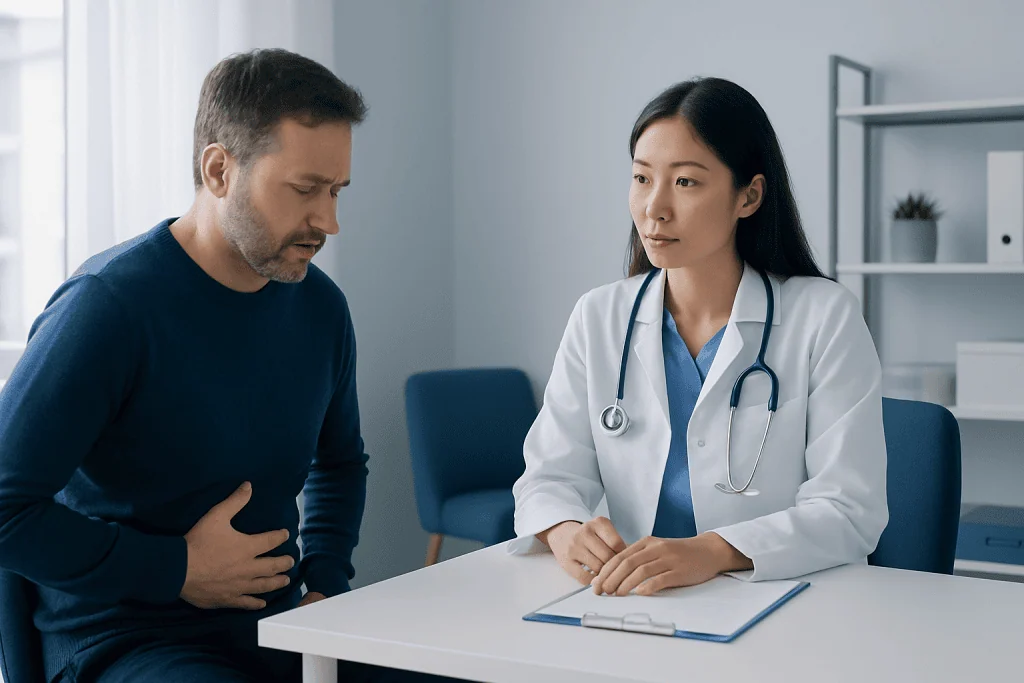
People with sensitive digestion are more likely to notice that garlic causes gas. This includes those with functional bowel symptoms such as bloating, abdominal discomfort, or irregular bowel habits even when standard medical tests are normal. For these individuals, fermentable foods may trigger symptoms more easily.
Garlic can be especially challenging for people with IBS. In IBS, the bowel may be more sensitive to stretching from gas, so even a normal amount of gas can feel uncomfortable. Garlic is also a well-known high-FODMAP food, which means it is commonly reduced during carefully guided elimination diets for IBS.
Some people may also confuse garlic sensitivity with other digestive issues. For example, symptoms that seem related to garlic may actually be linked to fatty foods, dairy, spicy meals, or larger meal size. Conditions such as gastroesophageal reflux disease can also cause upper abdominal discomfort or belching that appears after seasoned meals.
In rare cases, garlic may trigger a true food allergy, but this usually causes symptoms beyond gas, such as itching, rash, swelling, or breathing problems. Gas alone is much more often due to digestive intolerance than allergy.
What Symptoms Can Garlic Trigger?
Garlic-related digestive symptoms can vary in intensity. Some people notice only mild gas, while others experience a fuller range of symptoms after eating garlic-containing foods. These symptoms often begin within hours, but timing can differ depending on the person and the meal.
Common symptoms may include:
- Bloating or a swollen feeling in the abdomen
- Increased flatulence
- Belching
- Mild abdominal cramps
- A feeling of stomach upset
- Loose stools in some people
If garlic is part of a rich or heavily seasoned meal, it can be hard to know whether garlic is the only cause. Onion, cream sauces, fried foods, legumes, and carbonated drinks often contribute to gas too. That is why looking at the entire meal pattern can be more helpful than focusing on one ingredient alone.
Symptoms that are new, severe, or progressively worsening should be evaluated rather than assumed to be food-related. Gas that comes with night-time symptoms, persistent diarrhea, blood in stool, or significant fatigue may point to something other than simple food sensitivity.
How a Doctor Finds the Cause
When someone asks, “does garlic make you gassy,” a doctor usually looks beyond the single food and considers the overall digestive pattern. The first step is often a detailed history: what foods trigger symptoms, how soon symptoms start, whether bowel habits have changed, and whether there are warning signs such as weight loss, fever, or bleeding.
A food and symptom diary can be very useful. Recording meals, garlic exposure, symptom timing, stool changes, and any associated stress or medications may help reveal whether garlic is the likely trigger. This can also show whether symptoms follow other high-FODMAP foods such as onions, wheat, certain fruits, or legumes.
If symptoms are persistent or concerning, testing may be recommended based on the individual situation. A doctor may consider blood tests, stool tests, or further evaluation for inflammatory, infectious, or structural digestive problems. In selected cases, imaging or endoscopic tests may be used, including colonoscopy if there are symptoms that need closer examination of the bowel.
Sometimes symptoms are related to broader digestive conditions rather than garlic alone. A gastroenterology evaluation may be appropriate if there is concern for recurrent functional bowel symptoms, reflux, malabsorption, or another chronic digestive disorder. The goal is to rule out more serious causes while identifying practical ways to reduce symptoms.
Treatment and Ways to Reduce Garlic-Related Gas
Treatment depends on how severe the symptoms are and whether garlic is the true trigger. If symptoms are mild and clearly linked to garlic, the simplest approach is to reduce the amount eaten, especially raw garlic. Some people tolerate cooked garlic better than raw, and others do better with garlic-infused oil, which can provide flavor with less of the fermentable carbohydrate content.
It can help to test tolerance gradually. Instead of removing garlic forever, a person may try small portions and note whether symptoms occur. Eating garlic as part of a balanced meal, rather than in large concentrated amounts, may also reduce digestive discomfort.
If symptoms seem broader than one food, a doctor or dietitian may suggest a structured nutrition plan. For people with suspected IBS or FODMAP sensitivity, a supervised low-FODMAP approach can help identify triggers without creating unnecessary food restrictions. In some cases, broader evaluation and supportive care through gastroenterology care may be appropriate.
Self-treatment should stay general and safe. It is best not to rely on repeated medication use or highly restrictive diets without professional advice. If symptoms continue despite avoiding triggers, or if they are affecting nutrition and quality of life, medical guidance is important.
Prevention and Self-Care Tips
Prevention often starts with paying attention to portion size and preparation. People who suspect garlic is causing gas may do better with smaller servings, thoroughly cooked garlic, or meals that use garlic more lightly. Reading ingredient labels can also help, since garlic powder and garlic concentrate are common in packaged foods, sauces, and spice blends.
General digestive habits can reduce gas from many foods, not just garlic. Eating slowly, chewing well, avoiding very large meals, and limiting carbonated drinks may help. Some people also find it useful to space out other gas-producing foods on the same day rather than combining several triggers in one meal.
A food diary can make prevention more precise. It may show that the real issue is not garlic alone but a combination of garlic, onions, beans, wheat, or high-fat foods. This can guide more balanced food choices while avoiding overly strict restrictions.
If ongoing symptoms suggest a more complex digestive issue, specialist assessment may help. Acibadem International’s multidisciplinary specialists in JCI-accredited hospitals evaluate digestive symptoms for international patients and can advise on individualized testing and treatment when needed.
When to Seek Medical Care
Occasional gas after eating garlic is common and usually not urgent. Medical review is more important if symptoms are frequent, severe, or hard to explain. A doctor can help determine whether garlic is only a trigger or whether another digestive condition is involved.
Medical care is recommended if gas or bloating happens together with any of the following:
- Persistent or severe abdominal pain
- Unexplained weight loss
- Blood in the stool or black stools
- Ongoing diarrhea or constipation
- Vomiting, fever, or dehydration
- Difficulty eating or symptoms that disrupt sleep
Urgent care is needed for symptoms of an allergic reaction after garlic exposure, such as swelling of the lips or throat, hives, wheezing, or trouble breathing. These symptoms are different from ordinary gas and should be treated as a medical emergency.
If symptoms are recurrent and affecting daily life, professional support can help clarify the diagnosis and plan next steps. Depending on the findings, a doctor may recommend dietary guidance, further testing, or specialized digestive evaluation such as endoscopy when appropriate.
Frequently asked questions
Does garlic make everyone gassy?
No. Many people eat garlic without noticeable symptoms, while others develop gas, bloating, or cramps. Sensitivity depends on the person, the amount eaten, and whether the garlic is raw, cooked, or part of a larger meal.
Why does raw garlic seem worse than cooked garlic?
Raw garlic often feels stronger because its natural compounds are more concentrated and may irritate sensitive digestion more easily. Cooking can change these compounds and may make garlic easier for some people to tolerate.
Is gas after eating garlic a sign of allergy?
Usually not. Gas alone is more commonly related to digestive intolerance, especially from fermentable carbohydrates. Allergy is more likely if there are symptoms such as itching, hives, swelling, or breathing difficulty.
Can garlic trigger IBS symptoms?
Yes, it can. Garlic is high in fructans, which are part of the FODMAP group and may trigger bloating, pain, and bowel changes in people with IBS. Not everyone with IBS reacts the same way, so individual assessment is important.
Should garlic be avoided completely if it causes gas?
Not always. Some people only need to reduce the amount or choose cooked garlic instead of raw. A gradual trial, ideally with medical or dietitian guidance if symptoms are frequent, can help find a tolerable level.
How can someone tell whether garlic is really the cause?
A food and symptom diary is often the best first step. Tracking meals, garlic intake, symptom timing, and bowel changes for a few weeks can show whether symptoms consistently follow garlic or whether other foods are involved.
References
- National Institute of Diabetes and Digestive and Kidney Diseases
- American College of Gastroenterology
- National Health Service
- International Foundation for Gastrointestinal Disorders
- Academy of Nutrition and Dietetics
This article is for general information only and is not a substitute for professional medical advice. Please consult a qualified doctor about your individual situation.
Persistent digestive symptoms? Get evaluated in Turkey
JCI-accredited · board-certified surgeons · reply within 24h
Add us as a Preferred Source to see more of our trusted health content across Google Search, AI Overviews and Discover.

More from the Health Library



Related Specialists

Assoc. Prof. Dr. Mehmet Salih Söylemez
Orthopedic Surgery & Traumatology
Assoc. Prof. Dr. Esma Kobak Tur
Neurology
Embriyolog Seda Özkan
Vitro Fertilization and Reproductive Medicine Center
Dr. Mustafa Süveran
Gastroenterology