Does Laser Hair Removal Hurt? Here Is What the Evidence Says

Laser hair removal usually feels like quick heat, stinging, or a snapping sensation rather than severe pain. Discomfort varies by body area, skin sensitivity, hair thickness, device type, and treatment settings.
Key Takeaways
- Laser hair removal usually feels like quick heat, stinging, or a snapping sensation rather than severe pain.
- Discomfort varies by body area, skin sensitivity, hair thickness, device type, and treatment settings.
- Mild redness and swelling around hair follicles are common and often fade within hours to a couple of days.
- Severe pain, blistering, crusting, infection signs, or lasting pigment changes need medical review.
- A doctor or dermatologist can evaluate whether symptoms are a normal reaction, a burn, or another skin condition.
For most people, laser hair removal causes brief, manageable discomfort rather than severe pain. A warm stinging, snapping, or rubber-band-like feeling is common, while intense pain, blistering, or prolonged skin changes should be assessed by a qualified clinician.
Overview: what the evidence-based answer is
In most cases, the answer to does laser hair removal hurt is: a little, but usually not a lot. Most people describe the sensation as brief heat, tingling, stinging, or a quick snap against the skin rather than ongoing or severe pain.
Laser hair removal works by targeting pigment in the hair follicle with concentrated light. Because heat is involved, some discomfort is expected during treatment. However, modern devices often include cooling features, and trained clinicians can adjust settings to balance effectiveness with comfort.
What matters most is the pattern of symptoms. Mild redness, slight swelling around hair follicles, and short-lived tenderness are common and often harmless. In contrast, severe pain, blistering, increasing swelling, drainage, or skin color changes that do not settle should not be ignored.
This article focuses on what the sensation usually feels like, what affects pain levels, which reactions are considered normal, and when medical assessment is sensible. It also explains how a clinician would evaluate concerning symptoms if they occur.
What laser hair removal usually feels like
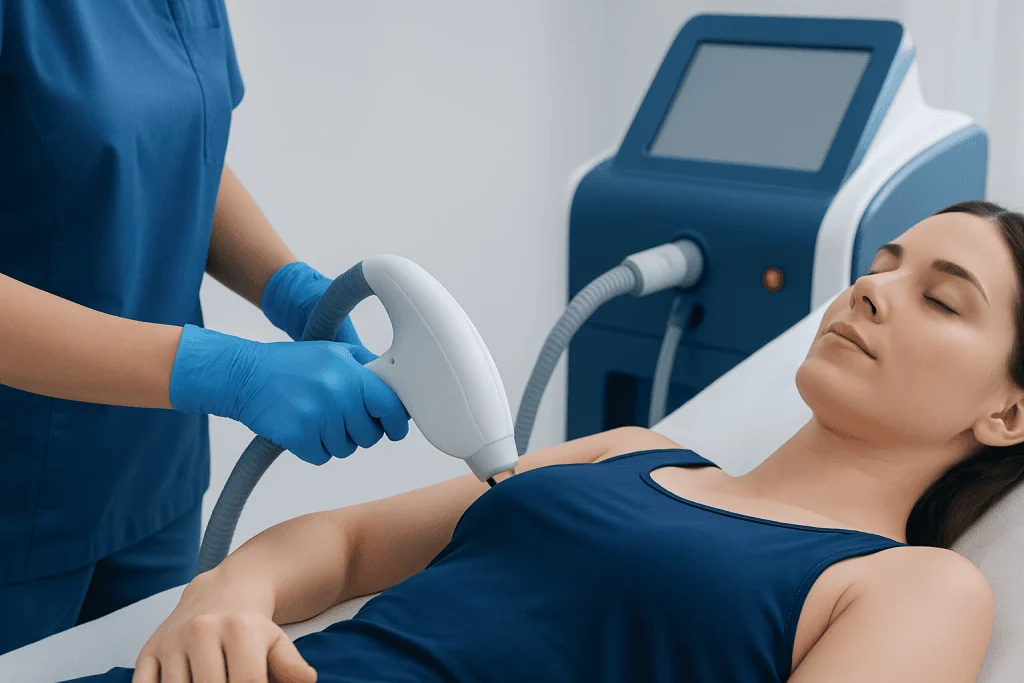
People often compare the sensation to a rubber band flicking the skin, a pinprick, or a quick burst of warmth. The feeling tends to happen only while the laser pulse is delivered and usually fades quickly once that area is treated.
The experience is not the same for everyone. Some people feel only mild discomfort, while others find certain areas more sensitive. Regions with thinner skin or many nerve endings, such as the face, bikini line, underarms, or upper lip, may feel more intense than the legs or arms.
After treatment, the skin may feel sun-exposed or warm for several hours. Temporary perifollicular edema, a mild puffy reaction around the hair follicles, is common and can actually be a sign that the follicle responded to treatment. This is different from a more serious burn reaction, which may involve persistent pain, blistering, or breakdown of the skin.
- Common sensations during treatment: heat, tingling, stinging, snapping
- Common short-term effects after treatment: redness, mild swelling, tenderness
- Less typical warning signs: blistering, severe swelling, drainage, crusting, worsening pain
Why pain levels vary from person to person

Several factors influence how much laser hair removal hurts. Hair thickness matters because darker, coarser hair absorbs more energy, which may make each pulse feel stronger. Body area also matters, as more sensitive areas can be less comfortable.
Skin tone and device selection are also important. Different lasers are chosen for different skin and hair types to improve safety and comfort. Appropriate settings help reduce unnecessary irritation while still treating the follicle effectively. This is one reason treatment should be performed by trained professionals with experience in skin assessment.
Personal factors can also change the experience. Pain sensitivity, anxiety, recent sun exposure, active skin irritation, hormonal hair growth patterns, and whether the area was shaved properly before treatment can all affect comfort. Treating over longer surface hair may increase the smell of singed hair and the feeling of heat on the skin surface.
If a person has a history of easily irritated skin, pigment changes, or conditions such as eczema or active acne-like inflammation, the skin may react more strongly. In these cases, a medical review before treatment can help decide whether adjustments or postponement are appropriate.
Normal reactions versus signs of a problem
Most post-treatment effects are mild and temporary. Redness and slight swelling usually improve within a few hours, although some people notice sensitivity for a day or two. Cool compresses, sun protection, and avoiding friction can help the skin settle.
Concerning symptoms are different in both intensity and duration. Pain that is severe, worsening, or out of proportion to the procedure deserves attention. Blisters, open skin, increasing redness, pus, fever, or extensive crusting may suggest a burn or secondary infection rather than a routine treatment response.
Changes in skin color can also matter. Temporary darkening or lightening of the skin may occur, especially after sun exposure or in more reactive skin types. If pigment changes are widespread, persistent, or accompanied by pain or peeling, professional assessment is appropriate. Conditions related to pigmentation can sometimes resemble post-laser changes, and a clinician may consider issues such as vitiligo when the appearance is not typical.
Some people develop irritation around the follicles that looks like a rash. This can be a normal inflammatory response, but if the area becomes very itchy, painful, or spreads beyond the treated zone, another skin condition may be present. A dermatologist may also want to rule out problems such as folliculitis if bumps become persistent or tender.
What doctors look at when symptoms seem unusual
If symptoms go beyond expected discomfort, a doctor will usually begin with a careful history. They may ask when the treatment took place, which body area was treated, what the skin looked and felt like immediately afterward, whether there was recent tanning, and what skin products or medications were being used. Photos from the first day can be helpful if the appearance has changed.
The skin examination focuses on the pattern and depth of the reaction. A clinician will look for redness limited to the follicles, blistering, peeling, crusting, pigment changes, signs of infection, and whether the skin barrier remains intact. They may also ask about previous laser sessions, known sensitivity to heat or light, and any underlying dermatologic condition.
In many cases, no complex testing is needed. Diagnosis is often clinical, meaning it is based on the history and examination. If there are persistent pigment changes, repeated reactions, or suspicion of another skin disorder, the doctor may recommend further dermatology evaluation. In some settings, this may be combined with a review of whether a different hair-removal approach would be safer.
This stepwise evaluation helps separate a routine post-procedure response from a true injury or an unrelated skin problem. That distinction is important because treatment advice differs depending on the cause.
Ways to reduce discomfort and support healing
Preparation before the appointment can make treatment more comfortable. The area is usually shaved beforehand so the laser energy targets the follicle under the skin rather than surface hair. Avoiding tanning, self-tanners, and skin-irritating products before treatment can also reduce the chance of excess heat injury.
During treatment, many clinics use contact cooling, chilled air, or cooling gel to improve comfort. In selected cases, a clinician may discuss numbing strategies, although these should be used only as advised by a qualified professional. It is also helpful to tell the operator promptly if a pulse feels much more painful than expected.
After treatment, simple skin care is usually enough. Cool compresses, gentle cleansers, fragrance-free moisturizers, and diligent sunscreen use are often recommended. Hot showers, saunas, intense exercise, and tight clothing over the treated area may worsen irritation in the short term, so temporary avoidance can help.
When hair growth is driven by hormonal or medical factors, laser treatment may be part of a broader plan rather than a standalone solution. Depending on the situation, a clinician may discuss options such as dermatology evaluation or, for selected patients, medical aesthetics care to support safe treatment planning and aftercare.
When to seek medical care
Most discomfort after laser hair removal is self-limited and settles without medical treatment. Even so, it is wise to seek medical review if symptoms are severe, persistent, or clearly worsening instead of gradually improving. Early assessment can help prevent complications and guide proper skin care.
A person should contact a qualified doctor promptly if there is severe pain, blistering, open skin, marked swelling, increasing redness, fever, pus, or a rash spreading beyond the treated area. Medical review is also sensible for lasting dark or light patches, scarring concerns, or symptoms around the eyes or genital region.
If a burn or another skin problem is suspected, specialist assessment may be helpful. Depending on the findings, care may involve dermatology evaluation and treatment tailored to the depth of injury or the type of skin reaction. Acibadem International’s multidisciplinary specialists in JCI-accredited hospitals also evaluate and treat laser-related skin concerns for international patients when further assessment is needed.
The bottom line on pain, safety, and expectations
Laser hair removal is not completely sensation-free, but for most people it is tolerable and brief. The feeling is usually described as short bursts of heat or snapping rather than severe pain. Understanding that mild redness and temporary swelling are common can make the experience less worrying.
The more important question is not only whether it hurts, but whether the symptoms fit a normal recovery pattern. Reactions that steadily improve are usually reassuring. Symptoms that intensify, damage the skin surface, or leave persistent color changes deserve professional attention.
Choosing an experienced clinician, using the right device for the person’s skin and hair type, and following pre- and post-treatment instructions can all reduce discomfort and improve safety. Anyone uncertain about how their skin is reacting should seek advice from a qualified healthcare professional rather than trying to manage severe symptoms alone.
Frequently asked questions
Does laser hair removal hurt more than waxing?
Many people find laser hair removal more tolerable than waxing because the discomfort is brief and happens in quick pulses rather than a prolonged pulling sensation. However, this varies by body area, personal pain sensitivity, and the device used.
How long does discomfort last after laser hair removal?
Mild warmth, redness, and tenderness often improve within a few hours and usually settle within one to two days. If pain is worsening, severe, or accompanied by blistering or discharge, a doctor should assess it.
Which body areas hurt the most during laser hair removal?
More sensitive areas often include the upper lip, bikini line, underarms, and other places with thinner skin or more nerve endings. Larger areas such as the legs may feel easier to tolerate, although treatment takes longer.
Can numbing cream be used before laser hair removal?
Sometimes, but it should only be used under professional guidance. Not every product is appropriate for every body area, and using too much or using it incorrectly can cause problems.
Is redness after laser hair removal normal?
Yes. Mild redness and small bumps or swelling around follicles are common short-term reactions and often fade quickly. Redness that becomes more intense, painful, or widespread should be reviewed by a clinician.
Can laser hair removal cause burns?
Yes, burns are possible, though they are not the expected result of properly performed treatment. Risk may increase with inappropriate settings, recent tanning, or unsuitable device choice, which is why trained professional assessment matters.
References
- American Academy of Dermatology
- British Association of Dermatologists
- Mayo Clinic
- U.S. Food and Drug Administration
- National Health Service
This article is for general information only and is not a substitute for professional medical advice. Please consult a qualified doctor about your individual situation.
Hair transplant in Turkey — costs, graft counts & a free assessment
JCI-accredited · board-certified surgeons · reply within 24h
Add us as a Preferred Source to see more of our trusted health content across Google Search, AI Overviews and Discover.