Does Low Blood Pressure Make You Tired? Causes, Explanations, and Next Steps

Low blood pressure may cause fatigue, weakness, lightheadedness, blurred vision, or fainting, but fatigue has many possible causes. A blood pressure reading below 90/60 mmHg is often called hypotension, although symptoms and changes from a person's usual level matter most.
Key Takeaways
- Low blood pressure may cause fatigue, weakness, lightheadedness, blurred vision, or fainting, but fatigue has many possible causes.
- A blood pressure reading below 90/60 mmHg is often called hypotension, although symptoms and changes from a person's usual level matter most.
- Dehydration, medications, illness, blood loss, pregnancy, heart conditions, and hormone disorders can all contribute to low blood pressure.
- Sudden low blood pressure with fainting, chest pain, shortness of breath, confusion, severe weakness, or signs of bleeding needs urgent medical assessment.
- A clinician can confirm whether low blood pressure is involved by reviewing symptoms, measuring blood pressure in different positions, and ordering targeted tests when needed.
Low blood pressure can contribute to tiredness when the brain and other organs temporarily receive less blood flow, particularly during a sudden drop in pressure. However, naturally low readings are common and often harmless when a person feels well and has no concerning symptoms.
Can Low Blood Pressure Make Someone Tired?
Yes, low blood pressure can make a person feel tired, especially if pressure falls enough to reduce blood flow to the brain and muscles for a short time. This may feel like low energy, weakness, sleepiness, difficulty concentrating, or feeling drained after standing or moving around. However, many people naturally have lower blood pressure and feel entirely well, so a low reading alone does not necessarily explain fatigue.
Blood pressure varies through the day and can change with posture, meals, hydration, temperature, activity, and medicines. A reading below 90/60 mmHg is commonly described as hypotension, but the most meaningful question is whether the reading is new, substantially lower than usual, or accompanied by symptoms. For example, a person who routinely has a reading around 95/60 mmHg and feels well may not need treatment.
Fatigue is also a very common symptom with many possible explanations, including poor sleep, stress, anemia, thyroid conditions, infection, depression, inadequate nutrition, and medication effects. A medical review can help determine whether blood pressure is the main contributor rather than assuming that it is the only cause.
Why a Drop in Blood Pressure Can Cause Fatigue
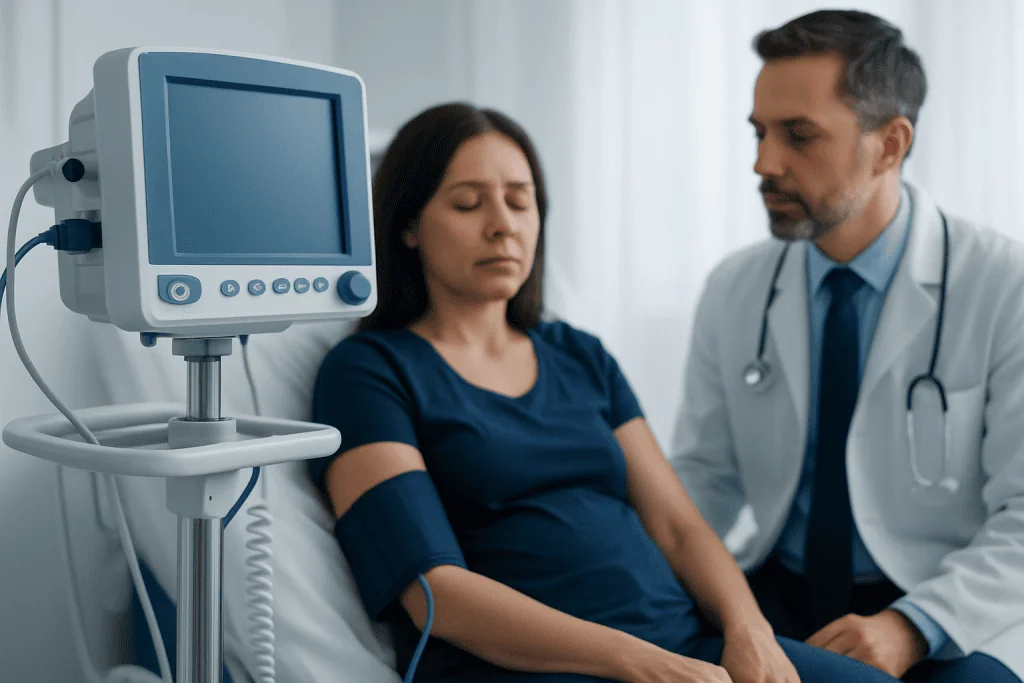
Blood pressure is the force that moves blood through the circulation. When it is too low for an individual’s needs, the body may temporarily have difficulty maintaining adequate blood flow to the brain and working muscles. The body often compensates by increasing heart rate and narrowing blood vessels, but this response can leave a person feeling tired, shaky, or generally unwell.
Symptoms are often more noticeable when standing after sitting or lying down. Gravity causes blood to pool in the legs, and the body must quickly adjust blood vessel tone and heart rate. If this adjustment is delayed, a person can experience orthostatic hypotension, also called postural hypotension. Clinicians generally look for a fall of at least 20 mmHg in systolic pressure or 10 mmHg in diastolic pressure within three minutes of standing, together with relevant symptoms.
Feeling tired after a large meal may also be related to a post-meal fall in blood pressure, known as postprandial hypotension. This is more common in older adults and in people with certain neurologic conditions or diabetes. It is important to distinguish a predictable, mild pattern from ongoing fatigue or symptoms that interfere with daily activities.
Symptoms That May Occur Alongside Low Blood Pressure

Low blood pressure does not always cause symptoms. When it does, symptoms may be mild and brief, such as lightheadedness on standing, or more persistent when an underlying problem is present. Fatigue is more suggestive of clinically relevant low blood pressure when it occurs together with posture-related dizziness, faintness, or weakness.
Possible symptoms include:
- Lightheadedness, dizziness, or feeling faint, particularly on standing
- Unusual tiredness, weakness, reduced stamina, or trouble concentrating
- Blurred vision, nausea, headache, or a sense of unsteadiness
- Palpitations or a fast heartbeat
- Cold, clammy skin or actual fainting in more significant cases
Symptoms should be interpreted in context. For instance, fatigue plus heavy menstrual bleeding may point toward blood loss or anemia, while fatigue after vomiting or diarrhea may be related to dehydration. A person should avoid driving, climbing, or operating machinery if they are dizzy or at risk of fainting.
Common Causes and Risk Factors
Not drinking enough fluid is one of the most common reversible causes of a temporary blood pressure drop. Fever, sweating, vomiting, diarrhea, and hot weather can all lead to fluid loss. Skipping meals, drinking alcohol, or prolonged bed rest may also worsen symptoms in some people.
Medicines can lower blood pressure directly or affect the body’s ability to respond to standing. These include some treatments for high blood pressure, heart disease, prostate symptoms, anxiety, depression, Parkinson’s disease, and erectile dysfunction. Diuretics can contribute through fluid loss. A person should not stop or adjust prescribed medicine independently; a clinician or pharmacist can review whether timing, dose, or an alternative medicine is appropriate.
Other possible causes include pregnancy, anemia, heart rhythm disorders, valve disease, heart failure, diabetes-related nerve damage, thyroid disease, and problems involving the adrenal glands. Severe infection, serious allergic reactions, and internal or external bleeding can cause a dangerous sudden fall in blood pressure. Older age, multiple medicines, autonomic nervous system disorders, and long periods of immobility can increase the likelihood of postural symptoms.
How Doctors Assess Low Blood Pressure and Fatigue
A clinician will begin by asking when fatigue began, whether it is related to standing, meals, exercise, illness, or medication changes, and whether there have been episodes of fainting. They will also ask about fluid intake, recent vomiting or diarrhea, bleeding, menstrual history where relevant, weight changes, fever, and symptoms involving the heart, nervous system, or hormones.
Blood pressure and pulse are usually measured while the person is lying or sitting and again after standing. This helps identify a postural drop and shows whether the heart rate is responding appropriately. The examination may include assessment of hydration, heart rhythm, circulation, neurologic function, and signs of anemia or infection.
Tests are selected according to the person’s symptoms and health history. They may include blood tests for anemia, blood sugar, electrolytes, kidney function, thyroid function, or infection; an electrocardiogram to assess heart rhythm; and, in selected cases, heart monitoring, echocardiography, or a tilt-table test. The aim is not simply to raise a number on a blood pressure monitor, but to identify and safely address the reason for symptoms.
Practical Steps for Mild Symptoms
For a person with occasional mild symptoms and no warning signs, simple measures may help. Drinking fluids regularly, especially during heat or illness, and rising slowly from bed or a chair can reduce sudden postural symptoms. Before standing, gently moving the ankles and legs may help encourage circulation.
Smaller, more frequent meals can be useful for people who feel lightheaded after eating. Limiting alcohol, avoiding very hot environments when possible, and taking breaks during prolonged standing may also help. Compression stockings are sometimes recommended for selected people, but this should be discussed with a healthcare professional because they are not suitable or necessary for everyone.
Some people are advised to increase salt intake, but this is not appropriate for all patients. It can be unsafe for those with high blood pressure, heart failure, kidney disease, or certain other conditions. Anyone with repeated symptoms, an existing medical condition, or prescribed blood pressure medicines should seek individualized advice before making substantial changes to salt, fluid intake, or medication use.
When to Seek Medical Care
Prompt medical review is appropriate for repeated dizziness, persistent tiredness that affects daily life, new fainting, or low readings that are much lower than a person’s usual blood pressure. It is also sensible to arrange an appointment if symptoms began after starting or changing a medicine, during pregnancy, after a significant illness, or alongside unexplained weight loss, palpitations, or reduced exercise tolerance.
Urgent medical care is needed if low blood pressure symptoms occur with chest pain, shortness of breath, confusion, difficulty speaking, severe headache, a rapid or irregular heartbeat, cold clammy skin, or loss of consciousness. Urgent assessment is also important with signs of significant bleeding, such as vomiting blood, black or bloody stools, heavy bleeding, or bleeding after an injury. These symptoms may indicate a condition that requires immediate treatment.
For international patients who need evaluation, Acibadem International’s multidisciplinary specialists and JCI-accredited hospitals can assess symptoms such as fatigue, dizziness, and low blood pressure and coordinate appropriate testing and care. Most episodes of mild low blood pressure are manageable, but identifying the cause helps a person stay active and reduces the risk of falls or fainting.
Frequently asked questions
Does low blood pressure make you sleepy?
It can make a person feel sleepy, tired, or mentally slowed if the pressure drop reduces blood flow to the brain temporarily. Sleepiness is not specific to low blood pressure, however, and may also result from poor sleep, illness, medications, or other health conditions. Ongoing sleepiness should be discussed with a clinician.
What blood pressure is considered too low?
A reading below 90/60 mmHg is commonly considered low blood pressure. Yet a number is not the only factor: some people have readings in this range without symptoms or health concerns. A sudden decline from a person’s usual level or low pressure with dizziness, fainting, or weakness deserves assessment.
Can dehydration cause low blood pressure and fatigue?
Yes. Dehydration reduces the amount of fluid circulating in the bloodstream, which can lower blood pressure and cause tiredness, dizziness, thirst, dry mouth, or reduced urination. Replacing fluids may help mild dehydration, but persistent symptoms, inability to keep fluids down, or severe weakness should be medically assessed.
Should a person eat more salt for low blood pressure?
Salt can raise blood pressure in some circumstances, but it is not a safe universal solution. People with heart disease, kidney disease, high blood pressure, or fluid retention may be harmed by increasing salt. A clinician can advise whether changes to salt intake are appropriate after considering the cause of low blood pressure.
Can anxiety cause low blood pressure?
Anxiety more often causes a temporary increase in heart rate and blood pressure, but some people may feel faint during intense stress, pain, or needle procedures because of a vasovagal reaction. This reaction can briefly lower heart rate and blood pressure. Recurrent fainting or symptoms occurring without a clear trigger should be evaluated.
What should someone do if they feel dizzy when standing?
They should sit or lie down immediately to reduce the risk of falling, then stand again slowly when symptoms have passed. Drinking water may help if dehydration is possible, provided there is no fluid restriction from a clinician. If dizziness is recurrent, severe, or accompanied by fainting, chest pain, shortness of breath, or neurologic symptoms, medical care is needed.
References
- American Heart Association
- National Heart, Lung, and Blood Institute
- Mayo Clinic
- Merck Manual Consumer Version
- National Institute of Diabetes and Digestive and Kidney Diseases
This article is for general information only and is not a substitute for professional medical advice. Please consult a qualified doctor about your individual situation.
Explore treatments in Turkey — costs, top hospitals & a free quote
JCI-accredited · board-certified surgeons · reply within 24h
Add us as a Preferred Source to see more of our trusted health content across Google Search, AI Overviews and Discover.
Check your numbers in seconds
BMI, calories, due date, blood pressure and 30+ more clinical calculators — free, instant, doctor-reviewed ranges.