Does Nicotine Cause Cancer? What the Evidence Shows

Most cancers linked to smoking are caused by many toxic chemicals in tobacco smoke, not nicotine alone. Nicotine is highly addictive and can make long-term exposure to cancer-causing tobacco chemicals more likely.
Key Takeaways
- Most cancers linked to smoking are caused by many toxic chemicals in tobacco smoke, not nicotine alone.
- Nicotine is highly addictive and can make long-term exposure to cancer-causing tobacco chemicals more likely.
- Researchers continue to study whether nicotine may influence tumor growth, blood vessel formation, or treatment response.
- Quitting smoking and avoiding tobacco products remain the most important steps for lowering cancer risk.
- Nicotine replacement therapies can help some people quit smoking and are generally considered safer than continued smoking.
Nicotine itself is not considered the main cancer-causing substance in tobacco smoke. However, it is highly addictive, keeps people using tobacco products, and may play a role in processes that can support cancer development or make treatment outcomes less favorable.
Overview
When people ask, “does nicotine cause cancer,” the most accurate answer is nuanced. Nicotine is the addictive substance in tobacco, but it is not the primary chemical responsible for most smoking-related cancers. The strongest evidence shows that cancer risk from cigarettes and many other tobacco products mainly comes from exposure to a complex mixture of carcinogens, including tar, tobacco-specific nitrosamines, benzene, formaldehyde, and polycyclic aromatic hydrocarbons.
That said, nicotine is not harmless. Its addictive effects keep people using cigarettes, cigars, and some other nicotine-containing products, which increases ongoing exposure to cancer-causing substances. Scientists also continue to study whether nicotine can affect cell signaling, inflammation, blood vessel growth, and other biological pathways that may influence how cancers start, grow, or respond to treatment.
For patients and families, the practical message is clear: avoiding tobacco smoke and quitting tobacco use are among the most important ways to reduce cancer risk. Questions about nicotine replacement, vaping, or individual cancer risk are best discussed with a qualified doctor who can give personalized advice.
What Science Says About Nicotine and Cancer
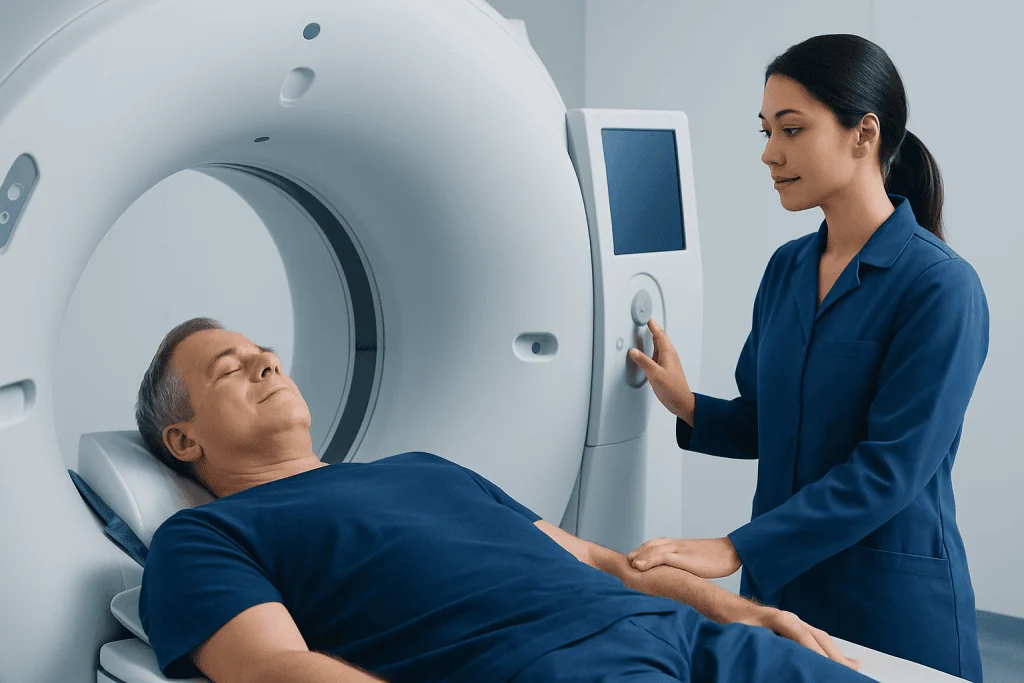
Current evidence does not place nicotine in the same category as the well-established carcinogens found in tobacco smoke. In other words, nicotine alone has not been shown to be the main direct cause of cancer in humans. This is why experts often distinguish between nicotine, which drives dependence, and tobacco smoke, which delivers many chemicals known to damage DNA and trigger cancer.
However, research has raised important concerns. Laboratory and animal studies suggest nicotine may affect how cells grow, survive, and communicate. It may also promote angiogenesis, the formation of new blood vessels, which tumors can use to support growth. These findings do not prove that nicotine alone causes cancer in people, but they do support caution, especially with long-term or repeated exposure.
Another reason the question is complicated is that many nicotine products are not nicotine alone. Cigarettes, smokeless tobacco, and some vaping liquids can contain additional chemicals with health risks. So while nicotine itself may not be the main cancer trigger, the products that deliver it can still be dangerous, particularly when they involve burning tobacco or other harmful additives.
Why Smoking Causes Cancer
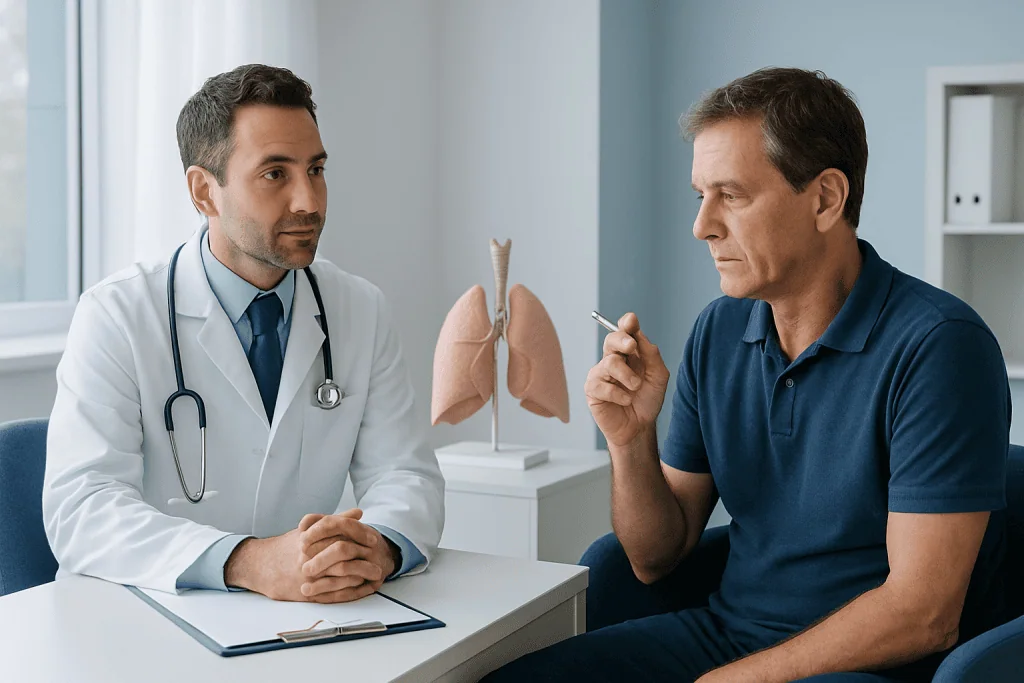
Smoking causes cancer because burning tobacco releases thousands of chemicals, many of which are toxic and dozens of which are known carcinogens. These substances can damage DNA, interfere with the body’s repair systems, and lead to uncontrolled cell growth over time. This is why smoking is linked to cancers of the lung, mouth, throat, esophagus, pancreas, bladder, kidney, cervix, and more.
Nicotine contributes indirectly by reinforcing addiction. A person who becomes dependent on nicotine is more likely to continue smoking regularly, often for years. That repeated exposure to smoke is what drives much of the cancer risk. In this sense, nicotine plays an important role in sustaining the behavior that leads to disease, even if it is not the main carcinogen itself.
Smoking also increases the risk of lung cancer and several other serious illnesses through ongoing inflammation and tissue damage. In addition to cancer, tobacco use contributes to heart disease, stroke, and chronic lung conditions, making smoking cessation beneficial for overall health, not only cancer prevention.
Nicotine in Different Products
Not all nicotine exposure is the same. Cigarettes remain the most harmful common nicotine product because they involve combustion, which creates the largest burden of carcinogens. Cigars and pipes also expose users to harmful smoke. Smokeless tobacco does not involve burning, but it can still contain cancer-causing chemicals and is linked to cancers of the mouth, pancreas, and other health problems.
E-cigarettes and vapes may expose users to fewer toxic chemicals than traditional cigarettes, but that does not mean they are risk-free. Their long-term health effects are still being studied. Some vaping aerosols contain harmful substances, and product quality can vary. For young people, nicotine exposure is especially concerning because it can affect the developing brain and increase the risk of long-term dependence.
Nicotine replacement therapy, such as patches, gum, or lozenges, is different from smoking. These products are designed to help people quit and avoid the many carcinogens in tobacco smoke. For most adults who smoke, using medically approved nicotine replacement under professional guidance is considered much safer than continuing to smoke.
Risk Factors That Matter Most
For cancer risk, the most important factors are the type of product used, how often it is used, and how long the exposure continues. A person who smokes daily over many years has a much higher cancer risk than someone with brief or occasional exposure. Secondhand smoke also matters, particularly with repeated exposure in homes, cars, or workplaces.
Other factors can add to risk. These include alcohol use, family history of certain cancers, occupational chemical exposures, air pollution, previous radiation exposure, and chronic infections such as human papillomavirus or hepatitis viruses. When several risks occur together, the overall chance of developing cancer may be higher.
People who already have a tobacco-related disease or symptoms such as persistent cough, hoarseness, unexplained weight loss, or a non-healing mouth sore should seek medical assessment. If cancer is suspected, doctors may recommend tests and, where needed, treatments such as biopsy or PET-CT to clarify the diagnosis and stage of disease.
Diagnosis and Medical Evaluation
There is no single test that determines whether nicotine has caused cancer. Instead, doctors evaluate symptoms, tobacco exposure history, family history, physical examination findings, and appropriate imaging or laboratory tests. The goal is to identify whether cancer or another condition is present and to understand possible contributing risk factors.
Depending on the symptoms, a doctor may arrange imaging such as chest X-ray, CT, MRI, or other scans. If an abnormal area is found, tissue sampling may be needed to confirm the diagnosis. This is important because early diagnosis can improve treatment planning and help guide decisions about surgery, systemic therapy, or radiation.
In people with suspected or confirmed cancer, a multidisciplinary team often reviews the case. Specialists may include oncologists, pulmonologists, ENT specialists, surgeons, radiologists, and pathologists. In complex cases, advanced options such as robotic surgery may be considered when appropriate as part of a broader treatment plan.
Treatment, Quitting, and Lowering Future Risk
If a person is diagnosed with cancer, treatment depends on the cancer type, stage, location, and overall health. Common options include surgery, chemotherapy, radiation therapy, targeted therapy, and immunotherapy. Continuing to smoke during cancer treatment can affect healing, raise the risk of complications, and potentially reduce treatment effectiveness, so quitting is an important part of care.
For people who use tobacco but do not have cancer, stopping exposure is the best step for prevention. Many patients benefit from a structured quit plan that includes counseling, behavioral support, and sometimes nicotine replacement therapy or prescription medicines. While nicotine replacement is not entirely risk-free, it is generally far less harmful than continued smoking because it avoids inhaling tobacco smoke carcinogens.
Helpful self-care steps include avoiding secondhand smoke, limiting alcohol, maintaining a healthy diet, staying physically active, and attending recommended cancer screenings. For international patients who need evaluation or treatment, Acibadem International’s multidisciplinary specialists and JCI-accredited hospitals provide diagnosis and care for cancer-related conditions.
When to See a Doctor
A person should see a doctor if they use tobacco and have symptoms that do not go away, especially a persistent cough, coughing up blood, chest pain, hoarseness, difficulty swallowing, unexplained weight loss, or a lump in the neck or mouth. These symptoms do not always mean cancer, but they deserve proper medical evaluation.
Medical advice is also important for anyone who wants help quitting nicotine or tobacco. Many people try to quit several times before succeeding, and professional support can improve the chances of stopping for good. A doctor can help choose the safest and most effective plan based on age, medical history, and the type of nicotine product used.
Even without symptoms, regular checkups and age-appropriate screening are valuable, particularly for people with a long smoking history. Early attention to risk factors can lead to earlier diagnosis, more treatment options, and better long-term health.
Frequently asked questions
Does nicotine directly cause cancer?
Nicotine is not considered the main direct cause of most cancers linked to tobacco use. The strongest evidence points to many other chemicals in tobacco smoke as the major carcinogens. However, nicotine is highly addictive and can keep people exposed to those harmful substances for longer.
If nicotine does not mainly cause cancer, why is it still a concern?
Nicotine matters because it drives dependence and makes quitting harder. Researchers are also studying whether it may affect tumor-related processes such as cell growth, blood vessel formation, and treatment response. So even if it is not the main carcinogen, it is not harmless.
Are vapes and e-cigarettes safer than cigarettes for cancer risk?
They may expose users to fewer carcinogens than traditional cigarettes because there is no tobacco combustion. Still, they are not risk-free, and their long-term cancer effects are not yet fully understood. People who do not use nicotine should not start, and people who smoke should discuss quitting strategies with a doctor.
Is nicotine replacement therapy safe?
Nicotine replacement therapies such as patches, gum, and lozenges are generally considered safer than smoking because they do not expose the body to tobacco smoke carcinogens. They are commonly used to support smoking cessation. A doctor or pharmacist can help determine whether they are suitable for an individual.
Can quitting smoking still help after many years of tobacco use?
Yes. Quitting smoking can lower future cancer risk and improve heart and lung health at almost any age. It can also benefit people who already have cancer by supporting treatment, healing, and overall recovery.
Does smokeless tobacco avoid cancer risk because there is no smoke?
No. Smokeless tobacco does not involve smoke, but it can still contain harmful and cancer-causing substances. It has been linked to cancers of the mouth and pancreas, among other health concerns.
References
- World Health Organization
- U.S. Centers for Disease Control and Prevention
- National Cancer Institute
- International Agency for Research on Cancer
- American Cancer Society
This article is for general information only and is not a substitute for professional medical advice. Please consult a qualified doctor about your individual situation.
Oncology care in Turkey — second opinion and treatment plan
JCI-accredited · board-certified surgeons · reply within 24h
Add us as a Preferred Source to see more of our trusted health content across Google Search, AI Overviews and Discover.

More from the Health Library



Related Specialists

Dr. Iretiola Albert
Inpatient Clinic Physicians Clinical Service
Prof. Dr. Ayhan Çevik
Pediatric Cardiology
Prof. Dr. Berna Özkan
Ophthalmology
Dr. Tansel Yıldıran
Cardiology