Does Nicotine Cause ED? Effects on Blood Flow

Nicotine may reduce penile blood flow, which can make erections harder to achieve or maintain. Cigarettes, vapes, smokeless tobacco, and other nicotine products can expose the body to nicotine.
Key Takeaways
- Nicotine may reduce penile blood flow, which can make erections harder to achieve or maintain.
- Cigarettes, vapes, smokeless tobacco, and other nicotine products can expose the body to nicotine.
- ED is often caused by more than one factor, including stress, medicines, diabetes, heart and blood vessel disease, and hormonal concerns.
- Stopping nicotine use can support vascular health and may improve sexual function over time.
- Persistent ED can be an early sign of an underlying health condition and is worth discussing with a doctor.
Nicotine can contribute to erectile dysfunction (ED) by narrowing blood vessels and affecting the blood flow needed for an erection. Occasional erection changes are common and often temporary, but persistent ED deserves medical assessment because it can have several treatable causes.
Does nicotine cause ED?
Yes, nicotine can contribute to erectile dysfunction (ED). It can temporarily narrow blood vessels and may interfere with the blood flow and nerve signaling needed for an erection. This does not mean that every person who uses nicotine will develop ED, and a single episode of erection difficulty is very common and usually not a sign of a serious problem.
ED means ongoing difficulty getting or keeping an erection firm enough for satisfactory sexual activity. It becomes more important to seek advice when it happens repeatedly, causes distress, or occurs alongside symptoms such as chest discomfort with exertion, shortness of breath, leg pain while walking, or major changes in sexual desire.
Nicotine is only one possible contributor. Sleep loss, alcohol, relationship stress, anxiety about performance, certain medicines, diabetes, high blood pressure, high cholesterol, low testosterone, and blood vessel disease can all play a role. A clinician can help identify the factors most relevant to the individual rather than assuming nicotine is the only cause.
How nicotine may affect erections
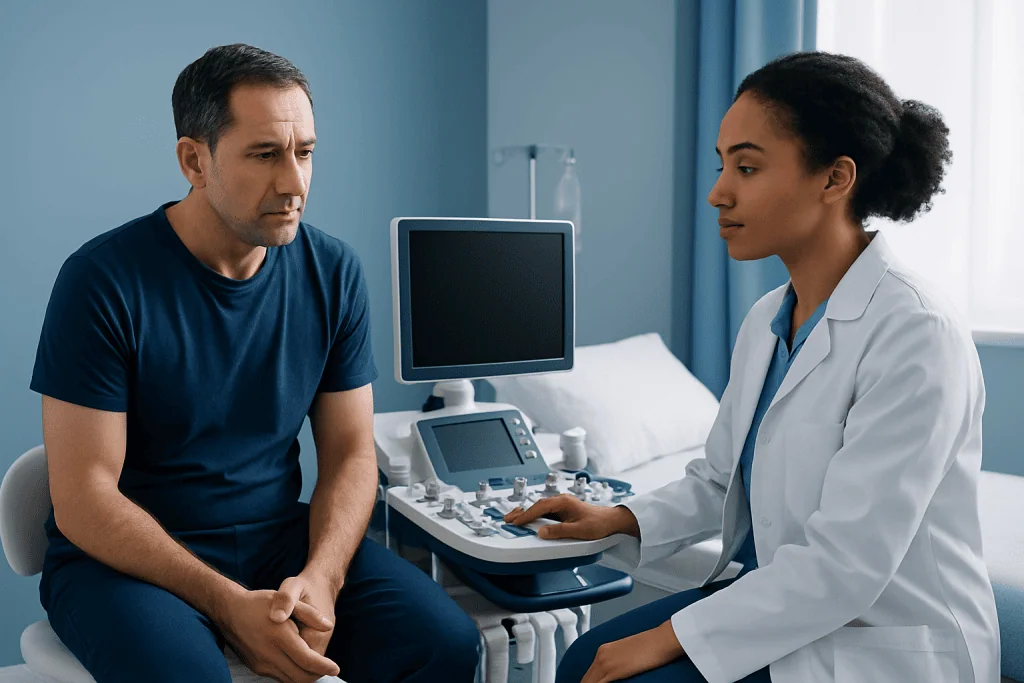
An erection depends on healthy blood vessels relaxing and allowing more blood to enter the penis. Nicotine activates the nervous system and can cause blood vessels to constrict. This effect may reduce circulation in the short term and, with regular exposure, may add to other risks that affect vascular health.
Tobacco smoke has additional harmful effects beyond nicotine. Chemicals in cigarette smoke can damage the lining of blood vessels, promote inflammation, and contribute to atherosclerosis, a narrowing and stiffening of arteries. Because penile arteries are relatively small, changes in blood flow may become noticeable there before symptoms develop elsewhere in the body.
Vaping, nicotine pouches, chewing tobacco, and other products may avoid some of the toxins created by burning tobacco, but they are not necessarily neutral for erectile function if they deliver nicotine. Research on newer products is still developing, and their long-term effects may differ by product, dose, frequency of use, and a person’s overall health.
Nicotine-related erection changes can be reversible, particularly when exposure stops and other contributing factors are addressed. Improvement may not be immediate, since circulation, fitness, mood, sleep, and underlying medical conditions can also influence recovery.
Other common reasons for erectile dysfunction

Many episodes of ED have more than one cause. Temporary difficulties are frequently related to fatigue, acute stress, excess alcohol, illness, or pressure to perform. In these situations, the problem may improve once the trigger passes, especially when the person avoids nicotine and alcohol before sexual activity and allows time for rest.
Physical causes become more likely when ED is persistent, gradually worsening, or present in all situations, including during masturbation or on waking. Conditions that affect blood vessels and nerves are particularly important, including diabetes, high blood pressure, high cholesterol, obesity, kidney disease, and cardiovascular disease. Some neurological conditions, pelvic surgery, pelvic injury, and prostate treatments may also affect erections.
Emotional health and relationship factors can contribute as well. Anxiety, depression, trauma, low self-esteem, and relationship conflict may affect desire, arousal, or confidence. Psychological factors are real medical contributors, not a sign that symptoms are imagined, and they can coexist with physical causes.
Some prescription medicines can affect sexual function. Examples include certain antidepressants, blood pressure medicines, pain medicines, and treatments that alter hormones. A person should not stop a prescribed medicine independently; a doctor can review whether an alternative or adjustment may be appropriate.
When to seek medical care
Medical review is recommended when erection difficulty lasts for several weeks to months, happens consistently, affects quality of life, or causes concern for the individual or their partner. A doctor can help distinguish a temporary problem from ED and look for causes that can be treated.
Prompt assessment is particularly important for ED that begins suddenly after a pelvic injury or surgery, or when it occurs with reduced exercise tolerance, chest pain, breathlessness, leg pain on walking, numbness, weakness, or symptoms of diabetes such as increased thirst and urination. ED can sometimes be an early clue to cardiovascular or metabolic disease, even when a person otherwise feels well.
Urgent care is needed for an erection lasting more than four hours, especially if it is painful. This condition, called priapism, can damage penile tissue without prompt treatment. Emergency care is also appropriate for chest pain, severe shortness of breath, or symptoms of stroke.
What a doctor may check
A clinical assessment usually starts with a confidential conversation about the pattern of symptoms. The doctor may ask when ED began, whether morning or spontaneous erections occur, nicotine and alcohol use, stress and mood, current medicines, chronic health conditions, and any changes in libido or ejaculation. These questions help clarify whether vascular, hormonal, neurological, medication-related, or psychological factors may be involved.
A physical examination may include blood pressure, weight or waist measurements, circulation, genital examination when appropriate, and signs of hormone or nerve-related conditions. Depending on the history, blood tests may assess blood glucose, cholesterol, kidney function, and selected hormone levels. Further testing is not required for everyone.
The goal is not simply to prescribe a treatment for erections. It is also to identify conditions that may benefit from earlier care, including diabetes and heart and vascular disease. Assessment through a urology evaluation can be useful for persistent symptoms, especially when initial measures have not helped or there are urinary, pelvic, or sexual health concerns.
Treatment and practical next steps
The most effective approach depends on the underlying cause. Reducing or stopping nicotine use is a sensible first step for people who smoke, vape, or use other nicotine-containing products. It supports circulation and overall cardiovascular health, while also reducing the chance that nicotine is contributing to erection difficulty. Structured cessation support, counseling, and clinician-guided nicotine-dependence treatment can make quitting more manageable.
Other helpful steps include regular physical activity suited to the person’s health, balanced eating patterns, adequate sleep, moderating alcohol, and managing stress. These changes can improve blood vessel health and may also support mood, confidence, and sexual wellbeing. If anxiety or relationship strain is relevant, individual counseling or couples therapy may be beneficial.
Doctors may recommend oral ED medicines for suitable patients. These medicines increase blood flow in response to sexual stimulation, but they are not appropriate for everyone and must not be combined with nitrate medicines used for chest pain. Other options may include vacuum erection devices, injections, urethral treatments, hormone treatment when a confirmed deficiency is present, or surgical options in selected cases.
For people with persistent symptoms, a tailored erectile dysfunction treatment plan can address both sexual function and related health risks. It is important to avoid unregulated online products or supplements marketed as sexual enhancers, as they may contain undisclosed ingredients or interact dangerously with medicines.
Prevention and long-term sexual health
Not all ED can be prevented, but protecting blood vessel health can lower risk. Avoiding tobacco and nicotine where possible, keeping blood pressure and blood glucose under control, staying physically active, and attending routine health checks are practical measures. Treating sleep problems, including possible sleep apnea, can also be helpful for some people.
Open communication with a partner can reduce pressure and help couples adjust while a medical issue is being assessed. It can be useful to focus on closeness and non-penetrative intimacy rather than viewing every sexual encounter as a test of erection performance.
There is no need for embarrassment in seeking help. ED is common and frequently manageable. Acibadem International’s multidisciplinary specialists at JCI-accredited hospitals evaluate and treat erectile dysfunction for international patients, with care tailored to the person’s health history and goals.
Frequently asked questions
Can nicotine cause erectile dysfunction even without smoking cigarettes?
Yes. Nicotine itself can constrict blood vessels, which may affect the blood flow required for an erection. Products such as vapes, nicotine pouches, chewing tobacco, and nicotine replacement products can deliver nicotine, although their overall health effects differ from cigarette smoking.
Will quitting nicotine improve ED?
Stopping nicotine can support healthier circulation and may improve erectile function, especially when nicotine is a contributing factor. The amount and timing of improvement vary, because ED may also be related to health conditions, medicines, stress, sleep, or alcohol use.
Does vaping cause erectile dysfunction?
Vaping may contribute to ED if it provides nicotine, since nicotine can affect blood vessel function. Long-term research on vaping and sexual function is still evolving, but switching from cigarettes to vaping should not be assumed to eliminate erectile health risks.
Can one night of smoking or vaping cause ED?
Nicotine can temporarily affect circulation, so some people may notice a short-term effect after using it. However, one episode of erection difficulty is common and can also be related to alcohol, tiredness, stress, or anxiety. Recurrent symptoms should be discussed with a doctor.
Is ED always a sign of heart disease?
No. ED may result from temporary, psychological, medication-related, hormonal, or physical factors. However, persistent ED can be associated with blood vessel disease and risk factors such as diabetes, high blood pressure, and high cholesterol, so medical review is worthwhile.
What tests are used to find the cause of ED?
A doctor usually begins with a health and sexual history, medication review, physical examination, and blood pressure check. Blood tests may be used to assess glucose, cholesterol, kidney function, and hormones when appropriate. Specialized testing is reserved for selected cases.
References
- American Urological Association
- National Institute of Diabetes and Digestive and Kidney Diseases
- Centers for Disease Control and Prevention
- Mayo Clinic
- World Health Organization
This article is for general information only and is not a substitute for professional medical advice. Please consult a qualified doctor about your individual situation.
Explore treatments in Turkey — costs, top hospitals & a free quote
JCI-accredited · board-certified surgeons · reply within 24h
Add us as a Preferred Source to see more of our trusted health content across Google Search, AI Overviews and Discover.
Check your numbers in seconds
BMI, calories, due date, blood pressure and 30+ more clinical calculators — free, instant, doctor-reviewed ranges.