Does Your Heart Stop When You Sneeze? A Doctor-Reviewed Answer

A sneeze does not make the heart truly stop. Chest pressure changes during a sneeze can briefly alter heart rhythm or pulse sensation.
Key Takeaways
- A sneeze does not make the heart truly stop.
- Chest pressure changes during a sneeze can briefly alter heart rhythm or pulse sensation.
- Most people do not need medical care for an isolated sneeze-related flutter or skipped beat feeling.
- Medical review is important if sneezing is linked with chest pain, fainting, severe shortness of breath, or repeated palpitations.
- Doctors may use an exam, ECG, heart monitor, and sometimes imaging to check for underlying heart rhythm problems.
No, the heart does not stop when a person sneezes. Sneezing can briefly change pressure in the chest and slightly affect heart rhythm or the feeling of a heartbeat, but this is usually harmless in otherwise healthy people.
Overview: Does the Heart Stop During a Sneeze?
No, the heart does not stop when a person sneezes. This common myth likely comes from the odd sensation many people notice in the chest during a powerful sneeze. What actually happens is a brief change in pressure inside the chest, which can momentarily affect blood flow, pulse sensation, and the timing of the heartbeat.
For most people, this is a normal body response and not a sign of heart disease. A sneeze is a sudden reflex that starts in the nose or airways and involves a deep breath in, closure of the vocal cords for a moment, and then forceful air release. These steps can make the heartbeat feel different for a second, but they do not mean the heart has stopped.
It is also common for people to describe a sneeze as causing a “missed beat” or a quick flutter. In many cases, this is simply increased awareness of a normal beat-to-beat variation. If symptoms are isolated and brief, they are usually harmless. The main concern is not the sneeze itself, but whether there are other symptoms that suggest an underlying rhythm problem or another medical condition.
Why a Sneeze Can Change the Feeling of the Heartbeat
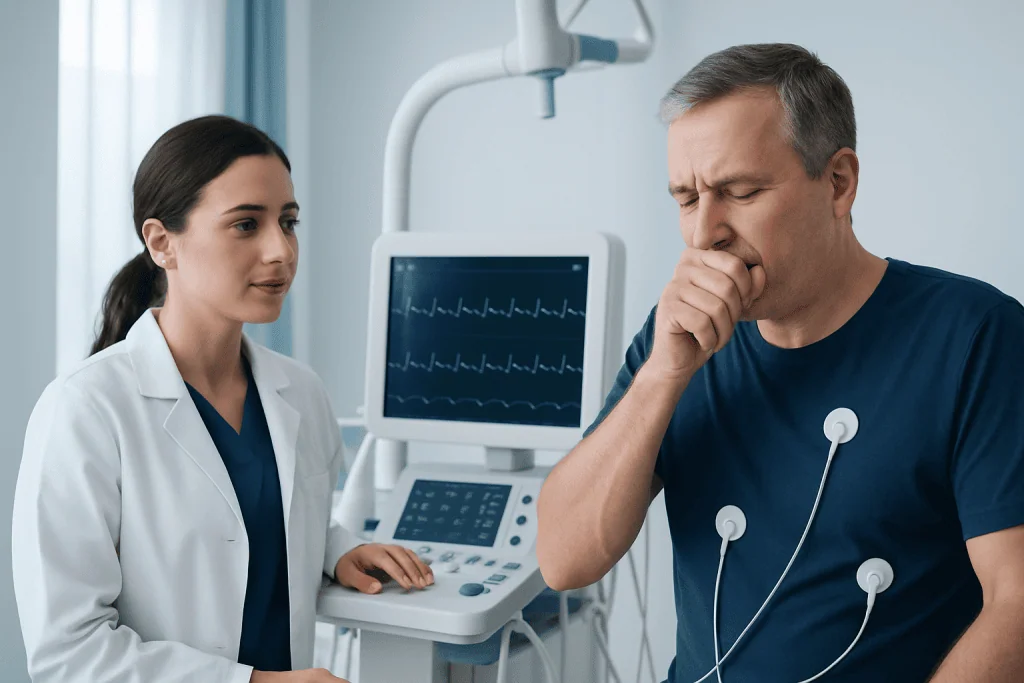
When a person sneezes, pressure rises suddenly inside the chest. This can briefly reduce the amount of blood returning to the heart and then quickly change again as the sneeze passes. The nervous system responds to these shifts almost instantly, and the heart may speed up, slow slightly, or feel as though it skipped a beat.
Another reason the sensation feels dramatic is that sneezing activates the autonomic nervous system, the part that helps regulate automatic body functions such as heart rate, breathing, and blood pressure. This is somewhat similar to what happens when a person coughs, strains, or bears down. The effect is short-lived and usually resolves within moments.
Some people become more aware of their heartbeat right after a sneeze because the chest muscles contract forcefully and attention is drawn to the body. That heightened awareness can make an ordinary heartbeat feel unusual. In a healthy heart, these brief changes are expected and do not mean the heart paused in a dangerous way.
What a Person May Notice During or After Sneezing

Most sneeze-related heart sensations are mild. A person may feel a single stronger beat, a brief pause sensation, a quick flutter, or a pulse that seems to shift for a second. Some people also notice lightheadedness for a moment, especially after several forceful sneezes in a row, because of transient changes in blood pressure.
These symptoms are more noticeable when a person is tired, dehydrated, anxious, sensitive to stimulants such as caffeine, or already paying close attention to bodily sensations. Nasal allergies, colds, sinus irritation, and strong environmental triggers may make sneezing episodes more frequent, which can in turn make the chest sensations more obvious.
- A brief flutter or skipped-beat feeling
- A stronger thump in the chest after the sneeze
- Momentary dizziness or a “head rush”
- A sense of chest movement from the force of the sneeze
- Temporary awareness of the pulse in the neck or chest
Even though these experiences can be surprising, they are often benign when they happen alone and pass quickly. Repeated symptoms, however, deserve more attention, especially if they are new or worsening.
When Sneezing Could Point to Something Worth Checking
Sneezing itself does not usually cause a dangerous heart problem, but it may draw attention to one that was already present. For example, a person with frequent palpitations, an existing rhythm disorder, or structural heart disease may be more aware of changes in heart rhythm during sudden pressure shifts in the chest. In that situation, the sneeze is more of a trigger or a marker than the root cause.
There are also non-cardiac explanations. Anxiety, panic symptoms, dehydration, thyroid disorders, anemia, fever, certain medicines, nicotine, and excess caffeine can all make palpitations more likely. Nasal congestion, coughing, and breath-holding may add to the sensation. A doctor may consider both heart-related and non-heart-related causes when symptoms recur.
If a person already has a diagnosed rhythm condition such as arrhythmia, sneezing may occasionally make irregular beats more noticeable. In some cases, doctors assess these symptoms with tests such as an electrocardiogram or longer rhythm monitoring. Rarely, chest discomfort after sneezing may have another explanation and should not automatically be blamed on the sneeze itself.
Red Flags: When to Seek Medical Care
Most sneezing-related heartbeat sensations do not need urgent care. Still, medical review is important if symptoms are intense, happen repeatedly, or come with warning signs. The key question is not whether the heart stopped, but whether there is evidence of a significant heart or breathing problem.
A person should seek prompt medical care if sneezing or palpitations occur with chest pain, pressure, fainting, severe shortness of breath, bluish lips, marked weakness, or confusion. Medical assessment is also important if the heart feels persistently very fast or very irregular, or if symptoms begin during exertion rather than only around a sneeze.
- Fainting or nearly fainting
- Chest pain or chest tightness
- Severe shortness of breath
- Palpitations lasting more than a few minutes or happening often
- A history of heart disease, stroke, or sudden cardiac death in the family
- New symptoms in an older adult or in someone with known heart problems
If symptoms are severe or do not settle quickly, emergency evaluation is the safest step. For non-urgent but repeated episodes, a planned appointment with a doctor can help identify whether the sensations are benign or related to a treatable condition.
How Doctors Evaluate Sneeze-Related Palpitations
Doctors usually begin with a careful history. They ask what the person feels, how long it lasts, whether there is dizziness or chest pain, what triggers it, and whether there are other symptoms such as coughing, congestion, anxiety, or exercise intolerance. Medication use, caffeine intake, smoking, and family history are also important because they can affect heart rhythm.
A physical examination may include listening to the heart and lungs, checking blood pressure and pulse, and looking for signs of thyroid disease, anemia, dehydration, or infection. In many cases, the first heart test is ECG testing to look for rhythm disturbances or evidence of prior heart strain. If symptoms are intermittent, a wearable monitor may be more helpful because it can record the heart rhythm during everyday activities.
Depending on the situation, doctors may also order blood tests or imaging. Someone with persistent palpitations, a heart murmur, or signs of structural heart disease may need echocardiography to assess heart structure and function. If there are symptoms suggesting blocked heart arteries or another vascular problem, further cardiology evaluation may be considered, sometimes alongside review of conditions such as coronary artery disease.
The goal of testing is not simply to confirm the myth is false. It is to decide whether the person is experiencing a normal reflex, benign extra beats, or a pattern that needs treatment and follow-up.
Treatment and Self-Care if the Sensation Happens Often
Treatment depends on the cause. If tests show no significant heart problem, reassurance may be all that is needed. Many people feel better once they understand that their heart is not stopping. Managing nasal allergies, sinus irritation, or respiratory infections may reduce frequent sneezing and make the sensation less noticeable.
Simple lifestyle measures can also help if palpitations tend to happen in general. These include staying well hydrated, getting enough sleep, limiting excess caffeine or energy drinks, avoiding nicotine, and managing stress. People who notice a pattern may find it useful to keep a symptom diary that tracks sneezing episodes, palpitations, medications, and triggers.
If an underlying rhythm problem is found, treatment may include observation, medication, or specialist follow-up depending on the diagnosis. Care is tailored to the person rather than to the sneeze itself. Near the end of the evaluation process, some patients benefit from a multidisciplinary review; Acibadem International’s specialists in JCI-accredited hospitals diagnose and treat heart rhythm and related conditions for international patients.
A Practical Bottom Line
The idea that the heart stops during a sneeze is a myth. A sneeze can briefly affect chest pressure, pulse sensation, and heart rhythm timing, which is why it may feel dramatic, but the heart continues to beat. In most otherwise healthy people, this is a normal and harmless body response.
The more useful question is whether there are concerning symptoms around the sneeze. If there is only a fleeting flutter or a momentary odd sensation, there is usually no cause for alarm. If symptoms are repeated, prolonged, or accompanied by chest pain, fainting, or severe breathlessness, a medical evaluation is the right next step.
For anyone who is unsure, a doctor can assess the full picture and decide whether testing is needed. Clear diagnosis often provides reassurance and, when necessary, guides treatment of an underlying heart rhythm issue or another condition affecting the chest, lungs, or nervous system.
Frequently asked questions
Does your heart stop when you sneeze?
No. The heart does not actually stop during a sneeze. A sneeze can briefly change chest pressure and the way the heartbeat feels, which may create the sensation of a pause or skipped beat.
Why does it feel like my heart skips a beat when I sneeze?
This feeling often comes from a short-lived change in blood flow and autonomic nervous system activity during the sneeze. Many people are also simply more aware of their heartbeat right after a forceful chest movement.
Is it normal to feel dizzy after sneezing?
A brief lightheaded feeling can happen after a strong or repeated sneeze because blood pressure may shift for a moment. If dizziness is severe, recurrent, or linked with fainting, it should be checked by a doctor.
Can sneezing trigger palpitations?
Sneezing can make palpitations more noticeable and may occasionally trigger brief extra beats in sensitive people. If palpitations happen often, last more than a few minutes, or come with chest pain or breathlessness, medical review is advisable.
When should someone worry about heart symptoms during sneezing?
Concern is higher when symptoms include chest pain, fainting, severe shortness of breath, a very fast or irregular heartbeat, or repeated episodes. People with known heart disease or a family history of serious rhythm problems should also be assessed sooner.
What tests might a doctor order for sneeze-related heart sensations?
A doctor may start with a medical history, physical exam, and an ECG. Depending on the pattern of symptoms, they may also suggest blood tests, a wearable heart monitor, or an echocardiogram.
References
- American Heart Association
- National Heart, Lung, and Blood Institute
- Mayo Clinic
- Cleveland Clinic
- Merck Manual Consumer Version
This article is for general information only and is not a substitute for professional medical advice. Please consult a qualified doctor about your individual situation.
Heart care in Turkey — expert evaluation and treatment
JCI-accredited · board-certified surgeons · reply within 24h
Add us as a Preferred Source to see more of our trusted health content across Google Search, AI Overviews and Discover.
Check your numbers in seconds
BMI, calories, due date, blood pressure and 30+ more clinical calculators — free, instant, doctor-reviewed ranges.