

Dribbling of Urine in Child Treatment: How It Works, Results and What to Expect

Urine dribbling is often treatable, but the right treatment depends on the underlying cause. Constipation, incomplete bladder emptying, urinary tract infection and dysfunctional voiding are common contributors.
Key Takeaways
- Urine dribbling is often treatable, but the right treatment depends on the underlying cause.
- Constipation, incomplete bladder emptying, urinary tract infection and dysfunctional voiding are common contributors.
- A bladder diary and urine testing can help clinicians understand the pattern of leakage.
- Treatment may include urotherapy, pelvic-floor retraining, medicines or, less commonly, a procedure or surgery.
- Continuous wetness, pain, fever, weakness or changes in walking need prompt medical assessment.
Dribbling of urine in a child is treated by identifying why leakage happens, rather than using one treatment for every child. Many children improve with timed toileting, treatment for constipation and healthy fluid habits, while infections, anatomical differences or bladder dysfunction may need specialist care.
Dribbling of Urine in Child Treatment: How It Works
Dribbling of urine in child treatment begins with finding the source of the leakage. A child may leak a few drops after urinating, have damp underwear between toilet visits, or experience continuous wetness. These patterns can have different causes, so treatment is tailored to the child rather than based on symptoms alone.
For many children, care starts with urotherapy: practical guidance on regular toilet visits, relaxed complete emptying, adequate daytime fluid intake and bowel habits. If there is an infection, constipation, an overactive bladder, difficulty coordinating the pelvic-floor muscles, or a structural urinary-tract difference, treatment is directed toward that condition.
Parents should avoid blame or punishment. Urinary leakage is usually not deliberate, and a calm, supportive routine helps children participate in treatment. A pediatrician or pediatric urologist can assess persistent symptoms and develop an age-appropriate plan.
Is Urine Dribbling Serious?
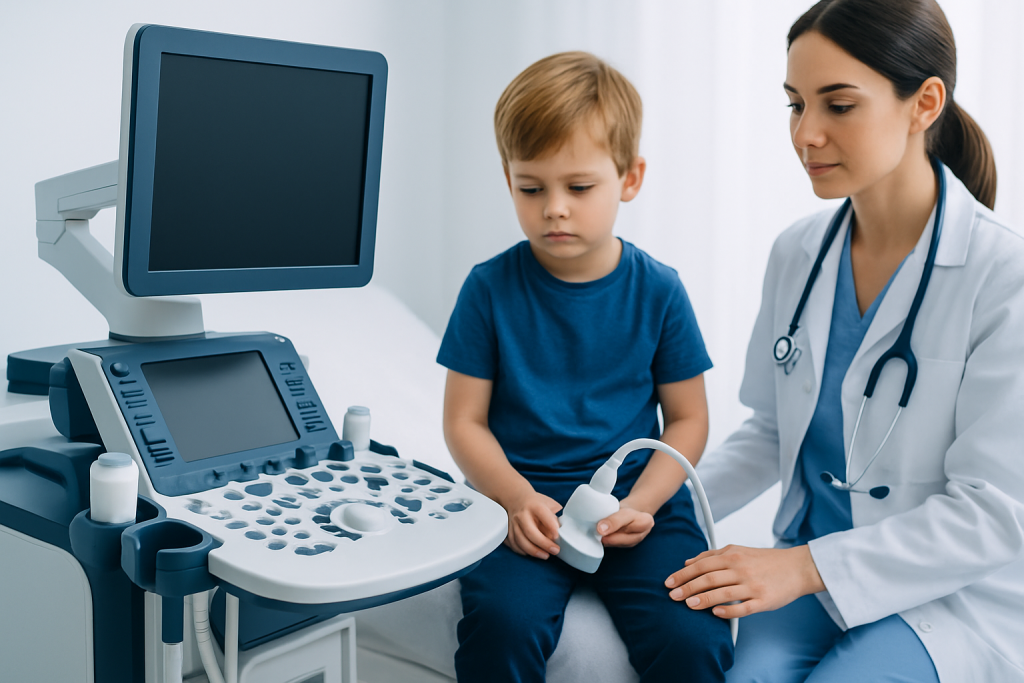
Urine dribbling is not always serious, particularly when it occurs occasionally after a child rushes to finish urinating or delays toilet visits. However, recurring leakage deserves medical attention because it may signal constipation, a urinary tract infection, abnormal bladder emptying or, less commonly, an anatomical issue affecting urine flow.
Continuous dampness from birth or persistent leakage despite normal toilet training should be assessed. In girls, constant wetness despite otherwise normal voiding can occasionally be associated with an ectopic ureter, in which a ureter drains outside its usual location in the bladder. In boys, a weak stream, straining or recurrent infections can sometimes suggest an obstruction that needs evaluation.
Early assessment is reassuring and useful. It can reduce discomfort, skin irritation and embarrassment while helping clinicians protect bladder and kidney health when an underlying urinary condition is present.
What Causes Urine Dribbling in Children?

Dribbling after urination may occur when urine remains in the urethra or when a child does not fully empty the bladder. Some children tighten their pelvic-floor muscles while trying to urinate, interrupting the normal flow. Rushing, holding urine for long periods and sitting in an unstable or tense position on the toilet can contribute.
Constipation is an important and sometimes overlooked cause. A full rectum can press on the bladder and affect the nerves and muscles involved in emptying. Treating bowel problems often improves urinary symptoms. Urinary tract infections can also cause urgency, frequent urination, discomfort and occasional leakage.
Other possible causes include overactive bladder, daytime voiding dysfunction, vaginal reflux in girls, neurological conditions, and congenital urinary-tract differences. A clinician will consider the child’s age, toilet-training history, stream strength, bowel pattern, infections and whether leakage is intermittent or continuous.
- Post-void dribbling: drops of urine shortly after using the toilet
- Urgency leakage: wetting when a strong urge comes suddenly
- Overflow-type leakage: dribbling associated with incomplete emptying
- Continuous leakage: ongoing wetness that may require specialist investigation
How Diagnosis and Candidacy for Treatment Work
Children with repeated dribbling, new daytime wetting after having been dry, recurrent urinary infections, pain, weak urine flow or persistent constipation are candidates for medical assessment. The clinician will ask about fluids, toilet timing, stools, prior infections, medicines, development and family history. A non-judgmental discussion helps identify the pattern accurately.
A bladder and bowel diary is often one of the most useful tools. Over several days, parents and children may record drinks, toilet visits, episodes of wetness, stool frequency and any pain or urgency. This can show whether the bladder is being emptied infrequently, whether constipation is present, or whether symptoms happen at particular times.
Testing may include urinalysis and a urine culture when infection is suspected. Depending on the findings, clinicians may recommend an ultrasound scan of the kidneys and bladder, measurement of urine left after voiding, uroflowmetry to assess urine flow, or other specialized testing. These tests are selected individually and are not necessary for every child.
How to Cure Dribbling Urine: Treatment Steps
Treatment usually progresses from simple, non-invasive measures to more specialized care when needed. The first step is a clear diagnosis and a shared plan that children and parents can realistically follow. Improvement may be gradual, especially when bladder and bowel habits have been established over a long period.
Timed voiding commonly involves going to the toilet at regular intervals during the day rather than waiting for urgency. Children are encouraged to sit comfortably, relax, take enough time and avoid straining. For some children, a clinician may teach double voiding: urinating, waiting briefly in a relaxed position, then trying again to help complete bladder emptying.
Constipation treatment can include dietary adjustments, regular toileting after meals and medications prescribed by a clinician when appropriate. If testing confirms a urinary tract infection, targeted antibiotic treatment may be needed. Medicines for an overactive bladder may be considered by a pediatric specialist when behavioral measures alone have not been sufficient.
Pelvic-floor physiotherapy or biofeedback can help children who have difficulty relaxing the muscles needed for urination. Procedures or surgery are uncommon, but they may be recommended for a confirmed structural blockage, ectopic ureter or another anatomical problem. The choice depends on imaging results, symptoms and the child’s overall health.
What to Expect During Treatment and Recovery
Most children do not need an operation. Urotherapy is a home-based program supported by clinical follow-up, and families may notice changes over weeks to months. Regular routines are important: improvement can be uneven at first, and occasional wet episodes do not necessarily mean the plan is failing.
At follow-up visits, the clinician may review the bladder and bowel diary, assess infection risk, ask about school routines and adjust the plan. When medication is used, the team monitors benefit and possible side effects. Parents should not stop or change prescribed medicines without discussing this with the treating clinician.
When a procedure is appropriate, the care team explains why it is being considered, the planned technique, anesthesia, expected hospital stay and aftercare. Recovery varies by procedure. Some children may have short-term discomfort, changes in urination or a temporary catheter, while others return to normal activities more quickly. The surgical team provides individualized instructions.
The potential benefit of treatment is better bladder emptying, fewer wet episodes, reduced infections and greater confidence. Risks depend on the treatment chosen. Behavioral approaches are generally low risk, while medication and surgery have specific risks that should be discussed carefully with the specialist.
Can a Leaky Bladder Heal Itself?
Some mild leakage can improve as a child develops more regular toilet habits, learns to relax during urination and receives support for constipation. A short-lived episode related to a minor illness or a change in routine may also settle. Nevertheless, persistent or frequent dribbling should not simply be assumed to resolve on its own.
Children may need guidance to establish healthy bladder habits, and an untreated problem can continue to affect comfort, school participation and self-esteem. If symptoms are caused by infection, bladder dysfunction or a structural difference, targeted treatment is more likely to help than waiting alone.
At home, families can support regular daytime fluids, scheduled toilet visits and adequate time on the toilet. Caffeine-containing drinks may worsen urgency in some older children and are best limited. It is also helpful to manage constipation promptly and to use breathable clothing or barrier creams if skin becomes irritated, following advice from a healthcare professional.
When to Seek Medical Care
Parents or caregivers should arrange a medical review if urine dribbling lasts more than a few days, recurs regularly, begins after a child was reliably dry, or interferes with daily life. Assessment is especially important for recurrent urinary tract infections, daytime urgency, frequent urination, straining, a weak or interrupted stream, or ongoing constipation.
Urgent medical care is appropriate if a child has fever with urinary symptoms, severe abdominal or back pain, vomiting, blood in the urine, cannot pass urine, appears very unwell, or has new leg weakness, numbness, difficulty walking or loss of bowel control. These symptoms need timely assessment.
Acibadem International’s multidisciplinary specialists and JCI-accredited hospitals can assess pediatric urinary symptoms and coordinate care for international patients when specialist evaluation is needed. Families should bring any bladder diary, test results and a list of medicines to the appointment.
Frequently asked questions
What is the first treatment for urine dribbling in a child?
The first treatment is usually an assessment of bladder and bowel habits, followed by regular timed toilet visits, relaxed voiding and constipation management if needed. A bladder diary helps identify patterns and guides the plan. Urine testing may be needed if an infection is possible.
Is urine dribbling serious?
It can be mild and related to toileting habits, but repeated or continuous dribbling should be checked by a clinician. It may be linked to constipation, infection, bladder dysfunction or an anatomical issue. Prompt evaluation is particularly important if there is pain, fever, a weak stream or recurrent infections.
What causes urine dribbling in children?
Common causes include incomplete bladder emptying, dysfunctional voiding, constipation, urinary tract infections and overactive bladder. Some girls experience vaginal reflux, where a small amount of urine remains in the vaginal area after toileting and leaks later. Less commonly, a congenital urinary-tract difference or neurological condition is involved.
Can a leaky bladder heal itself?
Mild symptoms may improve as toilet habits mature or after constipation is treated. However, persistent leakage should be evaluated rather than left to resolve without guidance. Treatment is most effective when it addresses the specific cause.
How to cure dribbling urine in a child?
There is no single cure because treatment depends on why the dribbling is happening. A clinician may recommend bladder training, bowel treatment, pelvic-floor retraining, treatment for infection, medication or occasionally surgery. Most children can be helped with an individualized plan.
How long does treatment for daytime urine leakage take?
The timeline varies with the cause and the consistency of bladder and bowel routines. Behavioral programs commonly require several weeks or months, with follow-up to monitor progress. Structural conditions or recurrent infections may need a different timeline determined by the specialist.
References
- American Academy of Pediatrics
- International Children's Continence Society
- National Institute of Diabetes and Digestive and Kidney Diseases
- European Association of Urology
This article is for general information only and is not a substitute for professional medical advice. Please consult a qualified doctor about your individual situation.
Persistent digestive symptoms? Get evaluated in Turkey
JCI-accredited · board-certified surgeons · reply within 24h
Add us as a Preferred Source to see more of our trusted health content across Google Search, AI Overviews and Discover.

More from the Health Library



Related Specialists

Assoc. Prof. Dr. Elif Ganime Aygün
Gynecology & Obstetrics
Ezgi Nur Çiçek
Physical Medicine & Rehabilitation
Dt. Sila Başa
Oral & Dental Health
Dr. Deniz Çetinkünar
Dermatology