Drinking Water Before Bed: An Evidence-Based Guide for Patients

A small drink of water before bed is usually safe and may be helpful when a person is thirsty. Drinking large volumes close to bedtime can interrupt sleep through nighttime urination.
Key Takeaways
- A small drink of water before bed is usually safe and may be helpful when a person is thirsty.
- Drinking large volumes close to bedtime can interrupt sleep through nighttime urination.
- Hydration needs vary with age, climate, activity, diet, pregnancy, health conditions, and medicines.
- Frequent nighttime urination is not always caused by evening fluids and can warrant medical assessment.
- People with heart, kidney, or liver conditions should follow their clinician's individual fluid advice.
Drinking water before bed can support hydration, especially after exercise, hot weather, illness, or alcohol intake. However, most people benefit from drinking enough fluid steadily during the day rather than drinking a large amount immediately before sleep.
Drinking Water Before Bed: The Short Answer
Drinking water before bed is generally safe for most healthy adults, particularly if they are thirsty. A small glass or several sips can be reasonable, but drinking a large amount shortly before lying down may lead to waking up to urinate and can reduce sleep quality.
The most useful approach is usually to meet fluid needs gradually throughout the day. This supports hydration without placing most fluid intake in the evening. People who wake often to urinate, have swelling, or have been given a fluid limit by a clinician may need a more individualized plan.
There is no evidence that everyone must drink a full glass of water immediately before bed for health. The right amount depends on thirst, daytime intake, recent activity, weather, medical conditions, and the likelihood that fluids will disturb sleep.
How Evening Water Intake Affects Sleep and the Body
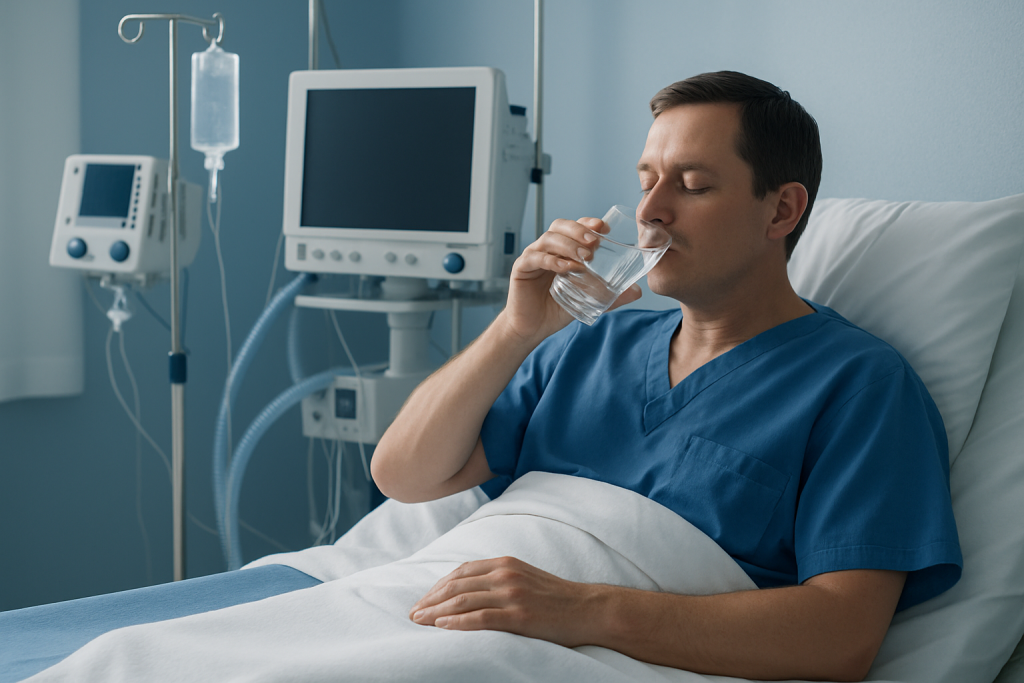
Water is essential for normal body functions, including temperature regulation, circulation, digestion, and kidney function. During sleep, the body continues to lose fluid through breathing and perspiration, although fluid needs are generally lower than during daytime activity. Going to bed mildly thirsty or dehydrated may be uncomfortable, but this does not mean that drinking large quantities at night is necessary.
Kidneys filter blood and produce urine continuously. In many people, urine production naturally decreases at night, allowing uninterrupted sleep. Drinking more fluid in the hours before bed increases the chance that the bladder will fill and trigger a need to urinate. This can be particularly disruptive for light sleepers, older adults, and people with bladder symptoms.
Sleep and hydration support one another. Poor sleep can affect daily habits, including food and beverage choices, while repeated sleep interruption can contribute to daytime tiredness and reduced concentration. For this reason, the goal is not to avoid water at night entirely, but to balance comfort, hydration, and restorative sleep.
Dry mouth on waking does not always mean that a person needs much more water before bed. Mouth breathing, nasal congestion, certain medicines, alcohol, tobacco use, and dry indoor air can all contribute. Addressing the underlying cause may be more helpful than increasing late-evening fluid intake.
Potential Benefits of Drinking Water Before Bed

A modest amount of water in the evening may be useful when a person is genuinely thirsty. Thirst can occur after exercise, spending time in heat, eating salty foods, having diarrhea or vomiting, or drinking alcohol. In these situations, replacing fluid gradually can help a person feel more comfortable before sleep.
Some people also find that a few sips of water relieve temporary throat dryness or make it easier to take an evening medicine that should be swallowed with water. However, medication instructions should always take priority. Some medicines need to be taken with food, at a particular time, or with a specific amount of fluid.
Hydration is best judged across the full day rather than by one bedtime habit. A person may be adequately hydrated if they drink regularly according to thirst, have no significant symptoms of dehydration, and usually pass pale-yellow urine. Urine color can be influenced by vitamins, foods, medicines, and health conditions, so it is only one general clue.
For people who exercise in the late afternoon or evening, drinking water after activity can be appropriate. It may be more comfortable to begin rehydration soon after exercise and continue in small amounts, rather than waiting until immediately before bed.
Possible Drawbacks: Nighttime Urination and Sleep Disruption
The main disadvantage of drinking too much water before bed is nighttime urination, sometimes called nocturia. Waking once at night to urinate may occur occasionally and is common, especially with increasing age. Waking repeatedly, however, can fragment sleep and affect mood, energy, alertness, and quality of life.
Evening fluids are only one possible contributor. Caffeine, alcohol, carbonated drinks, and some herbal teas may increase urine production or irritate the bladder in some people. Diuretic medicines, often prescribed for blood pressure or swelling, can also increase urination. A clinician may be able to advise on timing of prescribed medicines, but patients should not change their medication schedule without medical guidance.
Nighttime urination can also be linked to conditions such as an overactive bladder, urinary tract infection, enlarged prostate, diabetes, sleep apnea, heart failure, or leg swelling that shifts back into circulation when a person lies down. It is therefore important not to assume that frequent waking is simply due to drinking water.
To reduce avoidable sleep disruption, a person can aim to drink most fluids earlier in the day, use the bathroom shortly before bed, and limit large drinks in the last one to two hours before sleep. This should be adjusted carefully if a person feels thirsty, has been exercising, or is recovering from fluid loss.
A Practical Approach to Hydration in the Evening
There is no single ideal amount of water to drink before bed. A practical approach is to respond to thirst without forcing fluids. For many people, a small glass of water or several sips is enough if they feel thirsty. Drinking slowly may be more comfortable than consuming a large volume at once.
Daytime habits make the greatest difference. Keeping water available, drinking with meals, taking regular drinks during physical activity, and increasing intake during hot weather can help prevent the urge to catch up late at night. Foods with high water content, such as fruit, vegetables, soups, and yogurt, also contribute to overall fluid intake.
People may consider reducing caffeine from the afternoon onward if it affects their sleep or bladder. Alcohol can cause dehydration while also increasing nighttime urine production, so alternating alcoholic drinks with water earlier in the evening and avoiding excess alcohol can be helpful. Very salty evening meals may also increase thirst and fluid retention in some individuals.
People with certain medical conditions may need tailored advice. Heart failure, chronic kidney disease, advanced liver disease, low blood sodium, and some endocrine conditions can alter how the body handles fluid. Anyone who has been told to restrict fluids should follow their healthcare professional’s instructions rather than general hydration advice.
- Drink regularly during the day instead of saving most fluids for nighttime.
- Have a small drink before bed if thirsty rather than forcing a large glass.
- Use the bathroom before lying down.
- Limit alcohol and caffeine in the evening when they trigger nighttime waking.
- Keep a short diary of drinks and nighttime bathroom visits if symptoms persist.
When to Seek Medical Care
A person should arrange a medical assessment if nighttime urination is new, persistent, or regularly interrupts sleep more than once a night. Evaluation is especially important when symptoms affect daily functioning or occur alongside increased thirst, increased daytime urination, burning with urination, fever, pelvic pain, blood in the urine, or unintentional weight change.
Prompt medical care is appropriate for severe weakness, confusion, fainting, inability to keep fluids down, very little urine output, or symptoms of significant dehydration. Urgent assessment is also important for chest pain, new shortness of breath, rapidly worsening leg swelling, or sudden severe headache, as these symptoms may indicate conditions that require timely treatment.
Older adults, pregnant people, children, and individuals with diabetes, kidney disease, heart disease, urinary symptoms, or sleep apnea may benefit from discussing hydration and nighttime urination with a qualified clinician. Assessment may include a review of symptoms, medicines, fluid timing, sleep habits, urine testing, blood tests, or other investigations when appropriate.
Acibadem International’s multidisciplinary specialists at JCI-accredited hospitals can assess persistent urinary, sleep, kidney, or metabolic symptoms and help international patients understand appropriate next steps.
Finding a Sustainable Bedtime Routine
A healthy bedtime routine does not require strict rules about water. The most sustainable plan is one that prevents avoidable thirst while protecting sleep. People can notice whether they wake feeling thirsty, whether they wake to urinate, and whether adjustments to fluid timing improve comfort over one to two weeks.
It can be useful to keep a simple record of evening beverages, bedtime, bathroom visits, and symptoms. This may reveal patterns, such as symptoms after coffee, alcohol, a large late meal, or a particularly large drink before bed. The information can also help a healthcare professional identify whether further assessment is needed.
Rather than trying to drink as much water as possible, people should aim for balanced hydration. Thirst, overall wellbeing, activity level, climate, and medical advice are more reliable guides than a fixed bedtime target. Small, consistent daytime habits usually support both hydration and sleep better than a large late-night drink.
Frequently asked questions
Is it good to drink water before bed?
Drinking a small amount of water before bed is safe for most people and can be helpful if they are thirsty. However, there is no need to force a full glass if it causes nighttime bathroom trips or disrupts sleep. Regular fluid intake during the day is generally more useful than drinking a large amount at night.
How long before bed should a person stop drinking water?
There is no universal time that suits everyone. People who wake to urinate may find it helpful to avoid large drinks in the final one to two hours before bed while still taking small sips if thirsty. Individual needs may differ after exercise, in hot weather, or with certain health conditions.
Can drinking water before bed cause nocturia?
Drinking a large volume close to bedtime can increase the likelihood of waking to urinate. However, persistent nocturia may have other causes, including bladder conditions, prostate enlargement, diabetes, sleep apnea, medicines, or swelling in the legs. Recurrent symptoms should be discussed with a clinician.
Does drinking water before bed help with weight loss?
Water can be a useful replacement for sugary drinks and may support healthy eating patterns, but drinking it specifically before bed does not cause weight loss on its own. Sustainable weight management depends on overall nutrition, activity, sleep, medical factors, and individual goals. Large bedtime drinks may disturb sleep, which is not helpful for overall health.
Should people with kidney or heart disease drink water before bed?
People with kidney disease or heart disease may have individualized fluid recommendations, especially if they have swelling or take diuretic medicines. They should follow advice from their healthcare team rather than applying general rules about water intake. A clinician can help determine appropriate fluid timing and quantity.
What should a person do if they wake with a dry mouth every night?
A small drink of water may provide temporary relief, but persistent dry mouth can have causes other than low fluid intake. Mouth breathing, nasal blockage, dry air, alcohol, and some medicines are common contributors. If dry mouth is ongoing, severe, or accompanied by marked thirst and frequent urination, medical advice is recommended.
This article is for general information only and is not a substitute for professional medical advice. Please consult a qualified doctor about your individual situation.
Explore treatments in Turkey — costs, top hospitals & a free quote
JCI-accredited · board-certified surgeons · reply within 24h
Add us as a Preferred Source to see more of our trusted health content across Google Search, AI Overviews and Discover.
Check your numbers in seconds
BMI, calories, due date, blood pressure and 30+ more clinical calculators — free, instant, doctor-reviewed ranges.

More from the Health Library

Dementia with Lewy Bodies: What Patients Need to Know

Desomorphine: What Patients Need to Know

Bruised Toenail — Explained by Medical Evidence, Not Myths

Tactile Hallucinations: A Complete Medical Overview

Artificial Tears for Eye Irritation: A Complete Medical Overview