Trepanation: What Patients Need to Know

Trepanation means making an opening in the skull; in modern care, it is done for clear medical indications. It may be performed as a burr hole or as part of a larger craniotomy, depending on the problem being treated.
Key Takeaways
- Trepanation means making an opening in the skull; in modern care, it is done for clear medical indications.
- It may be performed as a burr hole or as part of a larger craniotomy, depending on the problem being treated.
- Common reasons include bleeding around the brain, pressure build-up, infection, or the need to access brain tissue.
- Symptoms that may lead to urgent evaluation include severe headache, confusion, weakness, seizures, or head injury.
- Recovery and outlook depend more on the underlying brain condition than on the skull opening itself.
Trepanation is the creation of an opening in the skull, usually by a neurosurgeon, to relieve pressure, drain blood or fluid, or reach the brain for treatment. In modern medicine, it is a carefully planned procedure used for specific medical reasons and is very different from historical or non-medical claims about trepanation.
Overview
Trepanation is a procedure in which a doctor creates an opening in the skull. For patients today, this usually refers to a medical or surgical opening made to diagnose or treat a problem affecting the brain or the spaces around it. It is most often performed by a neurosurgeon in a hospital setting using sterile techniques, imaging guidance, and anesthesia.
The term can refer broadly to making a hole in the skull, but modern practice includes several related procedures. A small opening may be called a burr hole, while a larger bone opening may be part of a craniotomy. The exact method depends on why access is needed, how urgent the situation is, and which part of the brain or skull is involved.
People sometimes encounter the word trepanation in historical or alternative-health discussions. Historically, skull openings were performed in many cultures for reasons that are not always fully understood. In modern medicine, however, trepanation is not used to enhance consciousness or well-being. It is used only for evidence-based medical purposes, such as relieving pressure, draining a collection of blood, or reaching the brain safely for treatment.
Why trepanation may be needed
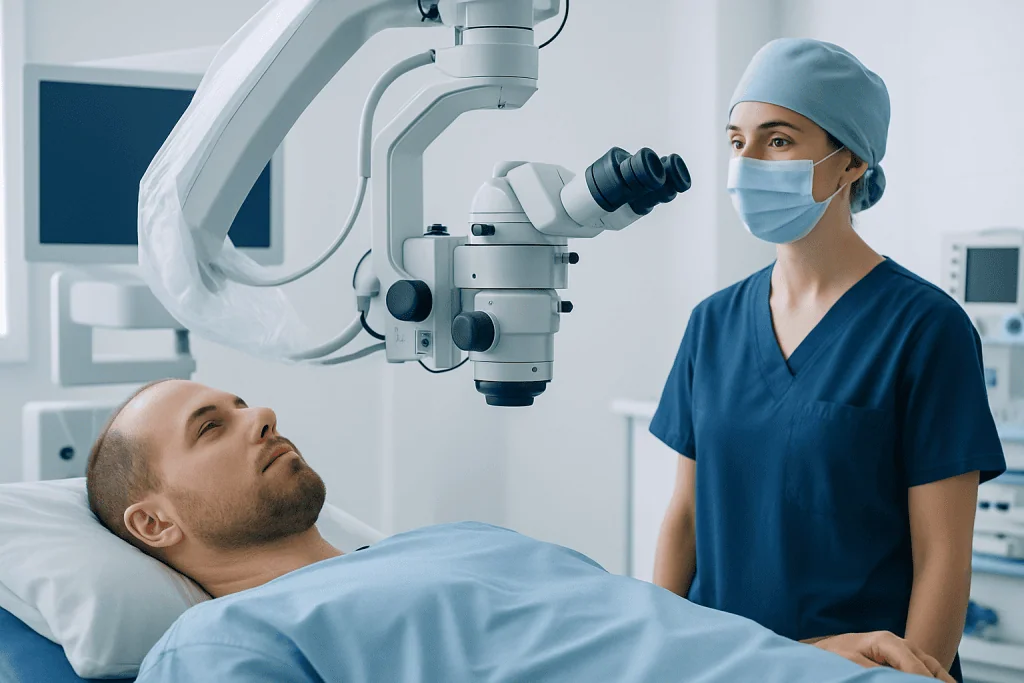
A skull opening may be needed when a problem inside the head requires urgent relief of pressure or direct access for treatment. One common example is bleeding around the brain after an injury, such as a brain hemorrhage or a subdural hematoma. In these situations, removing blood or reducing pressure can help protect brain tissue.
Trepanation may also be used to drain an infected collection, place a pressure monitor, insert a drain for excess cerebrospinal fluid, or help a surgeon reach a tumor or another structural problem. In some cases, a small opening is enough. In others, a larger operation is required because the surgeon needs wider visibility or access.
The decision to perform trepanation is based on symptoms, examination findings, and imaging results such as CT or MRI scans. Doctors weigh the potential benefits against the risks, taking into account the person’s age, general health, medicines such as blood thinners, and the seriousness of the underlying condition.
Symptoms and situations that may lead to evaluation

Trepanation itself is not a disease and does not cause symptoms before it is performed. Rather, patients come to medical attention because of the condition that may require the procedure. Symptoms can appear suddenly, especially after head trauma, or develop gradually over hours to weeks.
Common warning signs include severe or worsening headache, repeated vomiting, confusion, unusual drowsiness, new weakness or numbness, trouble speaking, seizures, loss of consciousness, or changes in vision. In infants or young children, signs may include irritability, poor feeding, a bulging soft spot, or unusual sleepiness.
After a head injury, even symptoms that seem mild at first can become more serious. Anyone taking blood thinners or living with a known brain condition should be especially cautious. A doctor may order urgent imaging if there is concern about bleeding, swelling, infection, hydrocephalus, or another problem inside the skull.
- New neurological symptoms after a fall or accident
- Persistent severe headache with confusion or vomiting
- Seizure, fainting, or sudden change in alertness
- Weakness on one side of the body or difficulty speaking
How doctors diagnose the underlying problem
Before considering trepanation, the medical team focuses on identifying the cause of the symptoms. The evaluation usually starts with a history and neurological examination. Doctors assess alertness, pupil size and reaction, speech, limb strength, coordination, and signs of raised pressure inside the skull.
Imaging is central to diagnosis. A CT scan is often the fastest and most practical test in emergencies because it can quickly show bleeding, swelling, fractures, or fluid build-up. MRI may provide more detail in selected situations, such as suspected tumors, infections, or subtle injuries. Blood tests may also be used to check clotting, infection markers, anemia, kidney function, and other factors relevant to surgery or anesthesia.
Depending on the suspected problem, other tests may be needed. These can include vascular imaging to look for aneurysms or abnormal blood vessels, or monitoring to measure intracranial pressure. Once the diagnosis is clear, specialists decide whether observation, medication, a minimally invasive procedure, or a more extensive operation offers the safest and most effective approach.
Types of trepanation and treatment options
Modern trepanation is usually part of a broader neurosurgical plan rather than a stand-alone treatment. A burr hole is a small opening in the skull that may be used to drain blood or fluid, place a catheter, or access the brain with minimal disruption. It is commonly used in urgent settings, especially when doctors need to act quickly to relieve pressure.
When wider exposure is needed, surgeons may perform a neurosurgery procedure such as a craniotomy, in which a temporary bone flap is created and later replaced. This can allow treatment of tumors, vascular problems, infections, or complex bleeding. If pressure is dangerously high and the brain is swelling, a more extensive operation may sometimes be needed to give the brain room until swelling improves.
Treatment does not end with the skull opening. Patients may also need medicines to control seizures, infection, pain, or swelling; intensive monitoring; rehabilitation; or treatment of the cause, such as repairing a blood vessel, removing a tumor, or managing hydrocephalus. In selected patients, brain tumor surgery or other specialized procedures are part of the overall plan.
The risks of trepanation vary with the patient’s condition and the type of operation. Possible complications include bleeding, infection, seizures, fluid leakage, stroke, or neurological deficits. Doctors discuss these risks carefully, but they also consider the risk of not treating the underlying brain problem, which may be greater in urgent cases.
Recovery, outlook, and self-care after surgery
Recovery after trepanation depends mainly on why the procedure was needed. A person treated for a small drained collection may recover relatively quickly, while someone with severe trauma, infection, or a brain tumor may need a longer hospital stay and rehabilitation. Early recovery often includes monitoring in a high-dependency or intensive care setting, repeat imaging, and close neurological checks.
At home, patients are usually advised to rest, take medicines exactly as prescribed, and follow wound-care instructions. Heavy lifting, driving, strenuous exercise, and alcohol may need to be avoided for a period recommended by the surgeon. Follow-up visits are important to review healing, remove staples or sutures if needed, and monitor for symptoms such as fever, worsening headache, confusion, or wound changes.
Some people need physical therapy, occupational therapy, speech therapy, or neurorehabilitation after brain surgery or injury. Family support can also be important, especially if there are temporary changes in memory, concentration, balance, or mood. If seizures occurred before or after surgery, driving and activity restrictions may apply until a doctor confirms it is safe.
For international patients who need specialist assessment, Acibadem International’s multidisciplinary teams and JCI-accredited hospitals diagnose and treat complex brain conditions, including cases that may require brain surgery.
When to seek medical care
Urgent medical attention is needed after a head injury if there is loss of consciousness, repeated vomiting, severe headache, confusion, seizure, weakness, numbness, difficulty speaking, or unusual sleepiness. These symptoms can suggest bleeding or swelling inside the skull and should not be ignored. Emergency evaluation is also important for anyone taking blood thinners, even after what seems like a minor injury.
After trepanation or any brain procedure, patients should contact a doctor promptly if they develop fever, increasing redness or drainage at the wound, worsening headache, new vomiting, drowsiness, personality change, or new neurological symptoms. A sudden change in alertness or a seizure should be treated as an emergency.
People should also seek medical advice if they have persistent headaches, progressive neurological symptoms, or concerns after being told to observe symptoms at home. Early assessment often helps doctors decide whether monitoring is enough or whether further imaging and treatment are needed.
Frequently asked questions
What does trepanation mean in modern medicine?
In modern medicine, trepanation means creating an opening in the skull for a specific medical reason. It is typically done by a neurosurgeon to relieve pressure, drain blood or fluid, monitor the brain, or gain access for treatment.
Is trepanation the same as a craniotomy?
Not exactly. Trepanation is a broad term for making an opening in the skull, while a craniotomy usually refers to a larger planned opening in which a section of bone is temporarily removed and later replaced. A small burr hole is another common type of skull opening.
Why would someone need trepanation after a head injury?
After a head injury, blood can collect around the brain or the brain can swell, increasing pressure inside the skull. A skull opening may help drain a collection or reduce pressure quickly, which can protect brain tissue and improve safety.
Is trepanation dangerous?
Like any brain procedure, trepanation carries risks, including bleeding, infection, seizures, and neurological complications. However, it is performed when doctors believe the benefits outweigh those risks, especially in urgent situations where untreated pressure or bleeding may be more dangerous.
How long does recovery take after trepanation?
Recovery time varies widely depending on the reason for the procedure, the person's overall health, and whether there was underlying brain injury or disease. Some people recover in days to weeks, while others need longer hospitalization and rehabilitation.
Can trepanation be used to improve mood or consciousness?
There is no accepted medical evidence that trepanation should be used to improve mood, awareness, or general well-being. In current medical practice, it is used only for clear clinical indications under specialist care.
References
- World Health Organization
- National Institute of Neurological Disorders and Stroke
- American Association of Neurological Surgeons
- National Health Service
- MedlinePlus
This article is for general information only and is not a substitute for professional medical advice. Please consult a qualified doctor about your individual situation.
Explore treatments in Turkey — costs, top hospitals & a free quote
JCI-accredited · board-certified surgeons · reply within 24h
Add us as a Preferred Source to see more of our trusted health content across Google Search, AI Overviews and Discover.

More from the Health Library

50kg: Symptoms, Causes, and Treatment — Complete Patient Guide

Diabetic coma: Symptoms, Causes, and Treatment — Complete Patient Guide

Vasodilator — Explained by Medical Evidence, Not Myths

I Can Smell Myself Through My Pants: What Patients Need to Know

Crooked Toe Gout: What Patients Need to Know