Drooling — Explained by Medical Evidence, Not Myths

Drooling happens when saliva is produced in excess or cannot be swallowed and managed normally. In babies and toddlers, drooling is often normal, especially during teething and early oral development.
Key Takeaways
- Drooling happens when saliva is produced in excess or cannot be swallowed and managed normally.
- In babies and toddlers, drooling is often normal, especially during teething and early oral development.
- In older children and adults, persistent drooling may be linked to dental, throat, medication-related, or neurological causes.
- Evaluation focuses on when drooling happens, associated symptoms, and whether swallowing or breathing are affected.
- Treatment may include oral care, swallowing therapy, medication review, and treatment of the underlying condition.
Drooling is the unintentional loss of saliva from the mouth. It can be normal in babies, temporary during sleep or illness, or a sign of problems with saliva control, swallowing, the mouth, or the nervous system.
What drooling means
Drooling means saliva spills out of the mouth without a person intending it to. In medical terms, persistent drooling is often called sialorrhea. The key point is that drooling is not always caused by making too much saliva. In many people, the main issue is difficulty keeping saliva inside the mouth, reduced swallowing, or trouble coordinating the lips, tongue, and throat.
Drooling can happen during sleep, with a cold, during teething, or when the mouth is irritated. In these situations, it is often temporary and improves as the trigger resolves. In infants and very young toddlers, drooling is usually part of normal development because oral muscles and swallowing control are still maturing.
In older children and adults, ongoing drooling deserves more attention. It may relate to nasal blockage, dental problems, reflux, medication side effects, muscle weakness, or neurological conditions that affect facial control and swallowing. The symptom itself can range from mild wetness at the lips to more frequent saliva loss that affects speech, skin comfort, eating, sleep, or daily confidence.
Common signs and how drooling may affect daily life
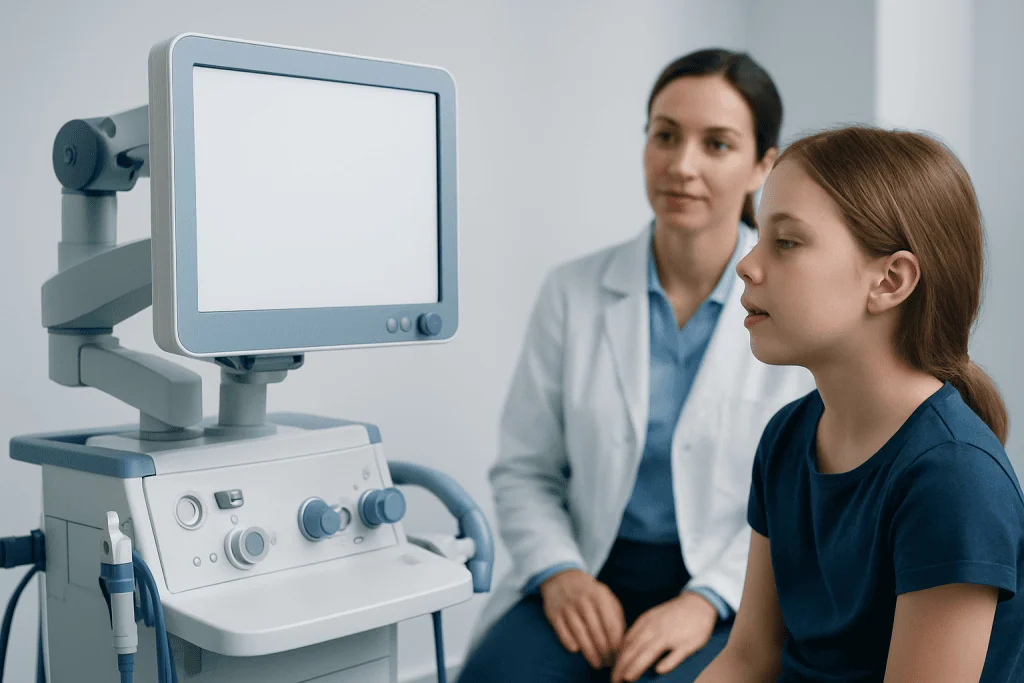
The most obvious sign is saliva escaping from the mouth, either occasionally or often. Some people notice it mainly at night and wake with a wet pillow. Others have drooling when concentrating, eating, talking, bending forward, or when they are tired. A person may also feel they need to swallow often but still cannot manage saliva well.
Drooling can affect more than comfort. Constant moisture may irritate the skin around the lips, chin, and neck. It can also contribute to chapped skin, bad breath, or increased need for tissues, bibs, or clothing changes. In school-aged children and adults, it may cause embarrassment or social avoidance, even when the underlying medical problem is not severe.
If drooling is linked to a swallowing problem, other symptoms may appear at the same time. These can include coughing during meals, a gurgly or wet-sounding voice, frequent throat clearing, food sticking, or repeated chest infections. When these symptoms are present, clinicians usually consider whether an assessment for swallowing safety is needed.
- Mild, occasional drooling during sleep can be normal.
- Persistent daytime drooling is more likely to need medical evaluation.
- Drooling with choking, trouble swallowing, or breathing symptoms needs prompt attention.
Why drooling happens: causes and risk factors

Drooling usually results from one or more of three mechanisms: increased saliva production, difficulty containing saliva in the mouth, or reduced swallowing. Increased saliva may happen with teething, mouth ulcers, gum inflammation, infections, nausea, acid reflux, or exposure to irritants. Some medications can also increase saliva or make swallowing less effective.
Mouth and nose issues are common contributors. Nasal congestion can lead a person to breathe through the mouth, making it harder to keep lips closed. Enlarged tonsils, sore throat, dental misalignment, poorly fitting dental appliances, and oral infections may also play a role. In some people, the problem is not the amount of saliva but reduced lip closure, poor tongue control, or changes in head posture.
Neurological and muscle-related conditions are important causes of chronic drooling in older children and adults. These conditions can impair the fine coordination needed to swallow saliva throughout the day. Examples include Parkinson’s disease, cerebral palsy, stroke, motor neuron disease, and other disorders affecting the brain, nerves, or muscles. In these settings, the person may produce a normal amount of saliva but swallow it less often or less effectively. Related swallowing problems may overlap with swallowing disorders.
Risk factors include developmental delay, neurological disease, sedating medicines, poor oral health, chronic nasal obstruction, and conditions that reduce alertness or mobility. During pregnancy or severe nausea, temporary drooling can also occur. The exact cause is sometimes mixed, which is why evaluation focuses on the whole pattern rather than on saliva alone.
How doctors diagnose the cause
Diagnosis starts with a careful history. A clinician will ask when drooling began, whether it occurs during the day or mainly at night, and whether it is linked to eating, sleep, nasal blockage, medications, reflux, or recent illness. For children, doctors also consider age and development, since drooling may be normal at some stages but less expected later on.
The physical examination usually includes the mouth, teeth, gums, tongue, throat, jaw, and nose. The doctor may look for ulcers, inflammation, enlarged tonsils, mouth breathing, dental issues, signs of dehydration, or skin irritation around the chin. A neurological examination may be needed if there are signs of weakness, tremor, changes in speech, facial asymmetry, or poor coordination.
If swallowing difficulty is suspected, additional testing may be recommended. This can include an assessment by a speech and language therapist, swallowing studies, or imaging when structural problems are a concern. Depending on the symptoms, the evaluation may overlap with Parkinson's disease or other neurological conditions. In selected cases, ENT review, dental assessment, or imaging can help clarify the cause.
Doctors also try to understand the impact of drooling on health and daily life. They may ask about skin breakdown, dehydration risk, school or work limitations, sleep disruption, and chest infections. This helps guide whether simple monitoring is enough or whether active treatment is likely to improve safety and quality of life.
Treatment options and what they aim to improve
Treatment depends on the cause, the person’s age, and how much drooling affects comfort, communication, nutrition, and health. If drooling is temporary and linked to teething, a cold, or a mouth infection, treatment usually focuses on the trigger. When the trigger improves, drooling often eases as well. For adults with persistent symptoms, reviewing medications, managing reflux, treating nasal obstruction, and improving oral hygiene may all help.
Non-surgical treatment is often the first step. Speech and language therapy can support better lip closure, tongue control, posture, and swallowing frequency. For some people, especially those with a neurological condition, structured swallowing assessment and swallowing therapy may reduce saliva loss and improve safety around eating and drinking. Dental treatment, orthodontic review, or ENT care may also be useful when mouth or airway factors contribute.
Medications that reduce saliva may be considered in selected patients, but they are not right for everyone. A doctor weighs possible benefits against side effects such as dry mouth, constipation, blurred vision, or urinary difficulty. In some cases, clinicians may consider targeted treatment such as Botox injections to the salivary glands, which can reduce saliva production for a period of time under specialist care.
When drooling is severe, ongoing, and not helped enough by conservative treatment, more advanced options may be discussed. These can include procedures directed at the salivary glands or ducts in carefully selected patients. If drooling is part of a broader neurological picture, treatment may happen alongside care from neurology specialists and rehabilitation teams. The aim is not only to reduce saliva loss, but also to protect skin, support swallowing, and improve day-to-day comfort.
Self-care and practical steps at home
Simple measures can make drooling easier to manage while medical assessment is underway. Good oral hygiene matters because healthy gums and teeth can reduce irritation and help with overall mouth comfort. Regular brushing, dental checks, and attention to mouth sores or gum swelling are useful for both children and adults.
Posture can also help. Sitting more upright, keeping the head in a neutral position, and encouraging regular swallowing may improve saliva control in some people. If nasal congestion leads to mouth breathing, treating the congestion may reduce drooling. Drinking enough fluid is important as well; although it may seem counterintuitive, dehydration can make saliva feel thicker and harder to clear.
Skin care is often overlooked. A protective barrier cream recommended by a clinician may reduce irritation around the lips and chin. Soft absorbent cloths or discreet saliva wipes can help keep the skin dry. Caregivers may also find it helpful to keep a simple symptom diary noting when drooling is worse, what triggers it, and whether there are eating or coughing problems, as this information can support diagnosis and treatment planning.
When to seek medical care
Medical advice is important when drooling is persistent, worsening, or unusual for the person’s age. An older child or adult with new drooling should be assessed, especially if it appears together with slurred speech, facial weakness, trouble swallowing, or changes in movement. Drooling that interferes with sleep, school, work, or social activities also deserves attention because effective treatment may be available.
Prompt medical review is needed if drooling is accompanied by choking, coughing during meals, repeated chest infections, fever, dehydration, severe mouth pain, or difficulty breathing. Sudden drooling with trouble speaking, weakness, or confusion can signal an urgent neurological problem. In infants and children, parents should seek care if drooling seems excessive and is linked to poor feeding, breathing difficulty, or delayed development.
For international patients who need multidisciplinary evaluation, Acibadem International’s JCI-accredited hospitals bring together specialists in neurology, ENT, rehabilitation, and pediatric or adult care to diagnose and treat conditions associated with drooling. A qualified doctor can help determine whether the symptom is temporary, needs monitoring, or requires specific treatment.
Frequently asked questions
Is drooling normal during sleep?
Yes, mild drooling during sleep can be normal, especially when a person sleeps on their side or has nasal congestion. It becomes more important to assess if it is new, frequent, or linked to snoring, mouth breathing, or swallowing problems.
At what age is drooling no longer considered typical in children?
Drooling is common in babies and young toddlers because oral muscles and swallowing control are still developing. If it remains significant beyond the toddler years, or if it is accompanied by speech, feeding, or developmental concerns, a doctor should evaluate it.
Can drooling happen without producing too much saliva?
Yes. Many people with drooling do not actually make excess saliva. The problem may be reduced swallowing frequency, poor lip closure, tongue control issues, or a condition affecting the nerves and muscles used to manage saliva.
What kinds of doctors treat drooling?
Treatment may involve a primary care doctor, pediatrician, neurologist, ENT specialist, dentist, or speech and language therapist. The right team depends on whether the main cause is oral, airway-related, medication-related, or neurological.
Can medications cause drooling?
Yes, some medicines can increase saliva or affect swallowing and alertness, which may worsen drooling. A doctor should review all prescription and nonprescription medicines before assuming another cause.
Does drooling always mean a neurological disease?
No. Drooling can occur with common and temporary issues such as teething, mouth irritation, infections, reflux, or nasal blockage. However, persistent drooling in older children or adults can sometimes point to a neurological cause and should be assessed.
References
- National Institute of Neurological Disorders and Stroke
- American Speech-Language-Hearing Association
- National Institute on Deafness and Other Communication Disorders
- Mayo Clinic
- Merck Manual
This article is for general information only and is not a substitute for professional medical advice. Please consult a qualified doctor about your individual situation.
Explore treatments in Turkey — costs, top hospitals & a free quote
JCI-accredited · board-certified surgeons · reply within 24h
Add us as a Preferred Source to see more of our trusted health content across Google Search, AI Overviews and Discover.

More from the Health Library

STD Oral Gonorrhea: A Complete Medical Overview

Medicated Shampoo: What Patients Need to Know

Dumbbell Pullover — Explained by Medical Evidence, Not Myths

Estriol Face Cream: A Complete Medical Overview

Insulin Resistance — Explained by Medical Evidence, Not Myths