Drooping Eyelid and Blurred Vision: When to See a Neuro-Ophthalmologist

Drooping eyelid and blurred vision can be caused by eyelid, nerve, muscle, or brain-related conditions. Sudden symptoms or symptoms with double vision, severe headache, unequal pupils, or weakness need urgent medical attention.
Key Takeaways
- Drooping eyelid and blurred vision can be caused by eyelid, nerve, muscle, or brain-related conditions.
- Sudden symptoms or symptoms with double vision, severe headache, unequal pupils, or weakness need urgent medical attention.
- A neuro-ophthalmologist combines eye and nervous system assessment to identify the cause.
- Diagnosis may involve an eye exam, visual testing, blood tests, and imaging such as MRI or CT.
- Treatment depends on the underlying cause and may include medication, prism glasses, surgery, or treatment of a neurological condition.
Drooping eyelid and blurred vision may happen together for several reasons, ranging from common eyelid problems to conditions affecting the nerves, muscles, or brain. A neuro-ophthalmologist helps determine whether the cause is primarily in the eye or involves the nervous system, especially when symptoms are sudden, new, or associated with double vision, headache, or weakness.
Overview
Drooping of the upper eyelid is called ptosis. Blurred vision means vision is not as sharp or clear as usual. Either symptom can occur on its own, but when they happen together, they may point to a problem involving the eyelid, the eye muscles, the nerves that control them, or less commonly the brain.
Sometimes the explanation is straightforward. A drooping lid may physically block part of the visual axis, making vision seem dim or blurred. In other cases, blurred vision is caused by double vision that a person describes as fuzziness, especially if one eye is slightly misaligned. Dry eye from incomplete blinking can also make sight fluctuate.
A neuro-ophthalmologist is an eye specialist with additional expertise in conditions that connect vision and the nervous system. This type of specialist is especially helpful when drooping eyelid and blurred vision are unexplained, occur suddenly, or are joined by double vision, headache, facial symptoms, or other neurological changes.
Symptoms and warning signs
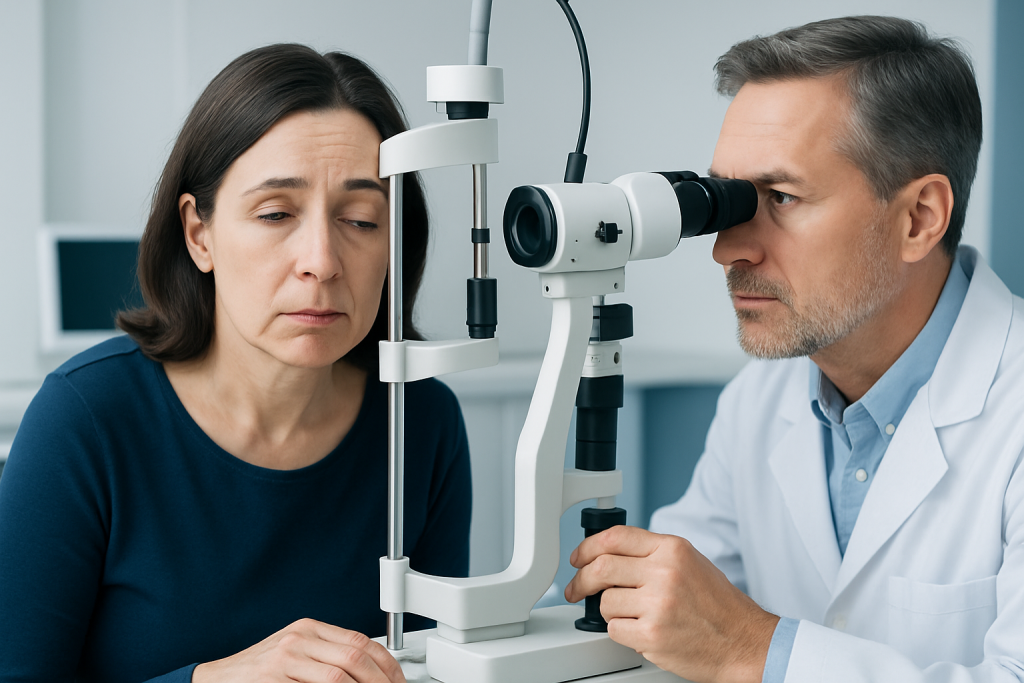
The pattern of symptoms can offer important clues. Some people notice one upper eyelid slowly sagging over months or years, while others develop drooping suddenly over hours or days. Vision may be mildly cloudy, fluctuate during the day, or become difficult because the eyelid covers the pupil. Some people also report eye strain, trouble reading, or a need to tilt the head back to see clearly.
Blurred vision may actually be double vision, particularly if the images improve when one eye is closed. A person may also notice pain around the eye, unequal pupil size, poor eye movement, sensitivity to light, or fatigue that worsens the drooping later in the day. These details help doctors distinguish between local eyelid problems and conditions affecting the nerves or muscles.
Certain symptoms deserve urgent assessment because they can signal a more serious cause. These include:
- sudden onset drooping eyelid or blurred vision
- new double vision
- severe headache or neck pain
- one pupil becoming larger than the other
- weakness, numbness, dizziness, or trouble speaking
- eye pain with loss of vision
- drooping after head injury
Even when symptoms are not emergent, persistent ptosis or unexplained blurred vision should still be evaluated. Early assessment can help protect vision, improve comfort, and identify neurological conditions that benefit from prompt treatment.
Causes and risk factors

There are many possible causes of drooping eyelid and blurred vision. Some are centered in the eyelid itself. Age-related stretching of the tendon that lifts the lid is a common reason for ptosis, and swelling, eyelid masses, or scarring can also weigh the lid down. In these situations, vision may blur because the lid covers part of the pupil or because blinking is less effective.
Other causes involve the nerves or muscles that move the eyelids and eyes. Myasthenia gravis can cause variable ptosis and intermittent blurred or double vision that often worsens with fatigue. Cranial nerve palsies may lead to eyelid drooping along with limited eye movement and double vision. Problems affecting the third cranial nerve are especially important because some cases require urgent imaging. Conditions such as brain tumors or stroke can sometimes disrupt the pathways that control eye and eyelid movement.
Horner syndrome is another neurological cause, typically producing a mild drooping eyelid with a smaller pupil on the same side. It can result from disruption of sympathetic nerves anywhere along their course from the brain to the eye. The underlying cause may be benign, but it can also relate to neck, chest, or vascular problems that need evaluation.
Risk factors depend on the underlying condition. Age, diabetes, high blood pressure, autoimmune disease, recent infection, trauma, migraine, smoking, and vascular disease may increase the likelihood of certain nerve or circulation-related problems. A family or personal history of neurological or autoimmune disorders can also be relevant.
How a neuro-ophthalmologist makes the diagnosis
Diagnosis begins with a careful history. The doctor will ask when the drooping and blurred vision started, whether symptoms are constant or fluctuate, and whether closing one eye helps. They may ask about headache, pain, weakness, swallowing difficulty, recent illness, injuries, and medications. Old photographs can sometimes help show whether ptosis is new or long-standing.
The examination usually includes vision testing, pupil assessment, eyelid measurements, eye movement evaluation, and a close look at the front and back of the eyes. The clinician may check whether the drooping worsens with sustained upgaze or improves temporarily after rest or cooling, which can suggest myasthenia gravis. Visual field testing may be used if the eyelid is blocking sight or if there is concern about optic nerve involvement.
Additional tests depend on the suspected cause. Blood tests may help identify autoimmune disease, inflammation, infection, or metabolic contributors. Imaging such as CT or MRI may be recommended if there is concern about a nerve palsy, mass, inflammation, or structural problem. In selected cases, doctors may request vascular imaging, chest imaging, or nerve and muscle studies.
Because symptoms can overlap with general eye problems, a broader eye assessment may also be needed to rule out refractive error, cataract, corneal disease, or retinal problems. If necessary, evaluation can be coordinated with specialists in neurology, brain MRI, or ophthalmology to clarify the diagnosis.
Treatment options
Treatment focuses on the cause rather than the symptom alone. If blurred vision is mainly due to the eyelid covering the pupil, treatment may center on correcting the ptosis once serious causes are excluded. If the problem comes from nerve, muscle, or brain involvement, the main priority is to treat that underlying condition and monitor vision closely.
For myasthenia gravis, treatment may involve medicines that improve nerve-muscle communication, immune-directed therapies, or management by a neurology team. Cranial nerve palsies may improve over time, but some require treatment for diabetes, blood pressure, inflammation, infection, or compression. If imaging reveals a structural problem, management depends on the findings and may involve several specialists.
Supportive treatments can also help symptoms. Prism lenses may reduce double vision in selected patients. Lubricating eye drops or ointments can improve fluctuating blur related to dry eye or incomplete blinking. Temporary eyelid crutches, taping techniques recommended by a clinician, or patching one eye may be used in some situations while the underlying issue is being treated.
When ptosis is stable and caused by a mechanical or age-related eyelid problem, surgery may be considered to lift the lid and improve the visual field. Surgical planning is individualized and usually follows a full eye and neurological evaluation. In complex cases, multidisciplinary teams may combine medical treatment with oculoplastic surgery or rehabilitation strategies.
Self-care and prevention
Not every cause of drooping eyelid and blurred vision can be prevented, but practical steps can support eye health and reduce complications. Controlling long-term conditions such as diabetes, high blood pressure, and high cholesterol may help lower the risk of some nerve and blood vessel-related problems. Avoiding smoking and keeping regular medical follow-up can also be beneficial.
For daily comfort, it may help to rest the eyes during visually demanding tasks, use prescribed glasses correctly, and treat dryness if recommended by a doctor. If vision worsens later in the day, keeping a symptom diary can help document patterns such as fatigue-related fluctuation. People with double vision should take extra care with driving, stairs, and activities that require precise depth perception.
Self-diagnosis is not a good substitute for medical evaluation because similar symptoms can have very different causes. Trying over-the-counter drops or changing glasses may not address a neurological problem. New ptosis, ongoing blurred vision, or fluctuating symptoms should be assessed by a qualified clinician rather than watched indefinitely at home.
When to see a doctor
A doctor should evaluate drooping eyelid and blurred vision when symptoms are new, persistent, recurrent, or affecting daily life. Referral to a neuro-ophthalmologist is especially appropriate if there is double vision, abnormal pupils, facial pain, headache, limited eye movement, or other neurological symptoms. This specialist can help decide whether the problem is mainly in the eye, the eyelid, the nerves, or the brain.
Emergency care is important if symptoms start suddenly or are accompanied by severe headache, weakness, speech changes, confusion, facial droop, chest or neck pain, or sudden vision loss. These patterns may reflect conditions that should not be delayed. If there has been trauma, painful eye movement, or rapid worsening, urgent assessment is also recommended.
For international patients needing coordinated evaluation, Acibadem International’s multidisciplinary specialists and JCI-accredited hospitals diagnose and treat neuro-ophthalmic conditions with support from ophthalmology, neurology, and advanced imaging teams. The most important step, however, is timely assessment by a qualified doctor who can identify the cause and guide appropriate care.
Frequently asked questions
Is a drooping eyelid always a neurological problem?
No. A drooping eyelid can result from age-related changes, swelling, scarring, or a problem in the eyelid tendon itself. However, when it appears suddenly or occurs with blurred or double vision, a neurological cause should be considered and assessed.
Can a drooping eyelid cause blurred vision by itself?
Yes. If the eyelid covers part of the pupil, it can block incoming light and make vision seem blurred or dim. In other people, the blur is related to dry eye or to double vision from eye misalignment rather than the lid alone.
What is the difference between an ophthalmologist and a neuro-ophthalmologist?
An ophthalmologist diagnoses and treats eye diseases and vision problems in general. A neuro-ophthalmologist has additional expertise in visual symptoms related to the brain, nerves, and eye movement system, such as optic nerve disorders, double vision, and unexplained ptosis.
When is drooping eyelid and blurred vision an emergency?
It is an emergency if symptoms begin suddenly or occur with severe headache, new double vision, unequal pupils, weakness, numbness, trouble speaking, or sudden vision loss. These signs can point to conditions that need urgent testing and treatment.
Will treatment always require surgery?
No. Many causes are treated medically, such as myasthenia gravis, inflammation, nerve palsies related to systemic disease, or dry eye. Surgery is usually considered when ptosis is structural or stable and is affecting vision or daily activities.
Can these symptoms come and go?
Yes. Some causes, especially myasthenia gravis or dry eye-related fluctuation, can make drooping and blur vary during the day. Intermittent symptoms still deserve evaluation because the pattern itself can help guide diagnosis.
References
- American Academy of Ophthalmology
- North American Neuro-Ophthalmology Society
- National Eye Institute
- National Institute of Neurological Disorders and Stroke
- Mayo Clinic
This article is for general information only and is not a substitute for professional medical advice. Please consult a qualified doctor about your individual situation.
Explore treatments in Turkey — costs, top hospitals & a free quote
JCI-accredited · board-certified surgeons · reply within 24h
Add us as a Preferred Source to see more of our trusted health content across Google Search, AI Overviews and Discover.
Check your numbers in seconds
BMI, calories, due date, blood pressure and 30+ more clinical calculators — free, instant, doctor-reviewed ranges.