Drowned: What Patients Need to Know

Drowned refers to death caused by drowning; survivors of a submersion event still need prompt medical assessment. Any breathing trouble, confusion, persistent cough, or unusual sleepiness after water inhalation should be treated as urgent.
Key Takeaways
- Drowned refers to death caused by drowning; survivors of a submersion event still need prompt medical assessment.
- Any breathing trouble, confusion, persistent cough, or unusual sleepiness after water inhalation should be treated as urgent.
- Drowning can happen in pools, bathtubs, lakes, the sea, and even with brief unsupervised water exposure.
- Emergency treatment focuses on oxygen, breathing support, and monitoring for lung or brain injury.
- Prevention relies on close supervision, swimming skills, life jackets, and rapid rescue by trained responders.
Drowned means a person has died from drowning, while someone who survives a water incident may still need medical care because lung and brain complications can develop afterward. Understanding the symptoms, emergency response, and follow-up care helps families act quickly and safely.
Overview
Drowned is a term used when a person dies as a result of drowning. In medical care, doctors also focus on people who survive a submersion or water inhalation event, because serious problems can appear even after they are removed from the water and seem better at first. The main danger is lack of oxygen, which can affect the lungs, brain, and heart.
Drowning is a process caused by respiratory impairment after submersion or immersion in liquid. This means water exposure interferes with normal breathing. A person may cough, gasp, vomit, become confused, or lose consciousness. Some patients recover quickly, while others develop delayed breathing difficulty because the lungs become irritated or inflamed after aspirating water.
The term “near drowning” is still used informally by some people, but clinicians more often describe the event as a nonfatal drowning. What matters most is how long breathing was impaired, how quickly rescue and resuscitation began, and whether complications developed afterward. Children, older adults, people with seizure disorders, and those using alcohol or sedating substances may be at higher risk.
What Happens to the Body During Drowning
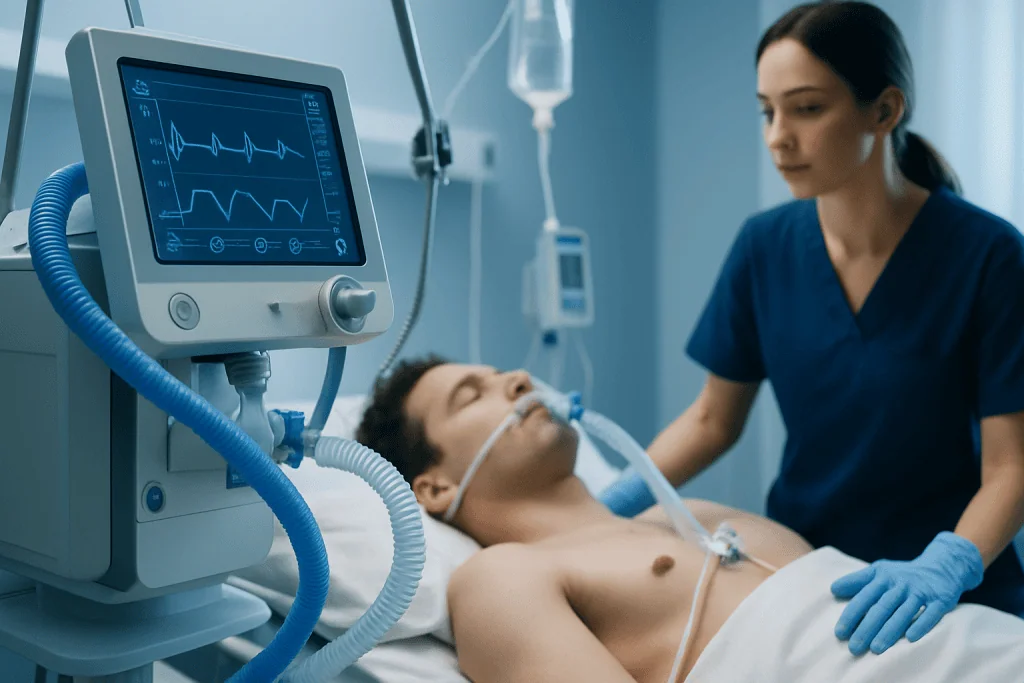
When a person is struggling in water, the body first tries to protect the airway. They may hold their breath, cough, or gasp. If water enters the airway, oxygen levels can fall quickly. The lungs may not transfer oxygen normally, and the brain and heart can begin to suffer from oxygen deprivation.
Even a small amount of aspirated water can irritate the lungs. This irritation may lead to inflammation, swelling, and impaired gas exchange over the next several hours. For this reason, a person who initially looks stable can still worsen later, especially if they remain unusually tired, short of breath, or confused.
Cold water, trauma, exhaustion, panic, alcohol use, or an underlying medical event such as a seizure or heart rhythm problem can contribute to drowning. In some cases, the water incident is the result of another health issue rather than the only cause. Doctors may therefore look for related conditions, including epilepsy or a heart problem, when evaluating a survivor.
Symptoms After a Water Incident

Symptoms can begin immediately or develop over several hours. Any breathing problem after a submersion event should be taken seriously. Mild coughing may settle, but persistent or worsening symptoms need urgent medical evaluation.
Warning signs may include:
- Coughing that does not stop
- Shortness of breath or fast breathing
- Noisy breathing or wheezing
- Chest discomfort
- Vomiting
- Blue or gray lips
- Extreme fatigue or unusual sleepiness
- Confusion, irritability, or behavior changes
- Fainting or reduced responsiveness
Children may show subtle symptoms such as clinginess, reduced activity, or trouble feeding after swallowing or inhaling water. Adults may dismiss symptoms because they feel embarrassed or think they only “coughed up some water.” However, a change in breathing, alertness, or color after a water event should never be ignored.
Families sometimes ask about “secondary drowning” or “dry drowning.” These are not preferred medical diagnoses, but they usually refer to delayed breathing problems after a water event. The important message is simple: if symptoms appear or worsen after water exposure, the person needs prompt medical assessment.
Causes and Risk Factors
Drowning can happen in any setting where water is present, including swimming pools, hot tubs, bathtubs, lakes, rivers, and the sea. It can also occur during water sports, boating, or after falls into water. The amount of water does not need to be large, especially for infants and young children.
Common risk factors include inadequate supervision, inability to swim, lack of barriers around pools, alcohol or drug use, seizures, heart conditions, head injury, and panic in deep or moving water. Strong currents, cold temperatures, and poor visibility can further increase the danger.
Some patients have an underlying condition that contributed to the event, such as fainting, stroke, arrhythmia, or a neurological disorder. If doctors suspect a related issue, they may recommend further assessment such as arrhythmia evaluation or testing for a seizure disorder. In rare cases, chest trauma or aspiration can lead to complications involving the lungs and may require advanced support.
Diagnosis and Emergency Evaluation
Anyone rescued after a significant submersion event should be assessed based on breathing, oxygen level, heart rate, temperature, and mental status. Emergency teams first focus on airway, breathing, and circulation. If needed, rescue breaths, cardiopulmonary resuscitation, oxygen, and warming measures are started immediately.
In the emergency department, doctors may check blood oxygen saturation, perform a physical examination, and order tests depending on the situation. These may include chest imaging, blood tests, heart monitoring, or brain assessment if there was loss of consciousness or a long period without oxygen. The goal is to identify lung injury, infection risk, trauma, or organ effects from oxygen deprivation.
Observation is often important, even when a patient initially seems improved. Some people need several hours of monitoring to make sure breathing remains stable and no delayed complications develop. If respiratory failure occurs, treatment may escalate to oxygen therapy or intensive support such as intensive care.
Treatment and Recovery
Treatment depends on the severity of the event. Mild cases may only need observation and supplemental oxygen. More serious cases may require airway support, intravenous fluids, treatment for low body temperature, and close monitoring of the heart and brain. If there is concern about severe lung injury, hospital admission is usually necessary.
When breathing is severely impaired, doctors may use mechanical ventilation to support oxygen delivery while the lungs recover. If the drowning episode was associated with trauma, seizure, or a cardiac event, those problems are treated as well. Antibiotics are not used routinely unless there is a clear sign of infection or contamination-related concern.
Recovery can vary widely. Some people are discharged after a short observation period with no lasting effects. Others may have temporary coughing, chest tightness, or fatigue for several days. In severe cases, low oxygen can injure the brain or other organs, and rehabilitation may be needed. Follow-up care may include lung evaluation, neurological assessment, and support for emotional stress after the event.
Near the end of recovery planning, patients and families may also need education about water safety and risk reduction. At Acibadem International, multidisciplinary specialists in JCI-accredited hospitals diagnose and treat drowning-related complications for international patients when advanced evaluation or hospital care is needed.
Prevention and Self-care
The best approach to drowning is prevention. Constant, close supervision is essential around any water, especially for children. Adults should remain within arm’s reach of infants and toddlers during bathing or swimming, and older children should never be assumed safe just because they can splash or float.
Practical prevention steps include:
- Use four-sided pool fencing with self-closing, self-latching gates
- Enroll children and adults in age-appropriate swimming lessons
- Wear properly fitted life jackets during boating and water sports
- Avoid alcohol or sedating drugs before swimming or supervising others
- Learn CPR and basic rescue skills
- Never swim alone, especially in open water
- Check water depth, currents, and weather conditions
After a minor water incident, self-care should never replace proper monitoring. The person should rest, be watched closely, and avoid returning to the water that day. If cough, breathing difficulty, vomiting, confusion, or extreme tiredness develops, medical care is needed right away.
When to Seek Medical Care
Emergency care is needed immediately if a person has stopped breathing, lost consciousness, turned blue, had a seizure, or is difficult to wake after a water incident. Call emergency services at once and begin CPR if trained to do so. Quick action can be lifesaving.
Medical evaluation is also important for anyone who inhaled water and later develops persistent cough, shortness of breath, chest pain, vomiting, unusual sleepiness, or confusion. These symptoms can signal a developing lung problem even if the person was talking and walking after rescue.
Families should trust their observations. If a child or adult “does not seem right” after being underwater, it is safer to seek urgent care than to wait at home. A clinician can decide whether observation, oxygen support, imaging, or further treatment is necessary.
Frequently asked questions
What does drowned mean medically?
Drowned means a person died as a result of drowning. Drowning itself is the process of breathing impairment caused by submersion or immersion in liquid, and it may be fatal or nonfatal.
Can someone seem fine after inhaling water and get worse later?
Yes. A person may look better at first but develop breathing problems over the next several hours because the lungs become irritated after water aspiration. That is why ongoing cough, sleepiness, or shortness of breath after a water incident needs prompt medical assessment.
Is secondary drowning a real condition?
The term is commonly used by the public, but doctors usually do not use it as a formal diagnosis. It generally refers to delayed breathing symptoms after a submersion event, which should always be taken seriously.
How long should someone be watched after a water incident?
The right observation time depends on the person's age, symptoms, and the severity of the event. Anyone with persistent cough, breathing changes, abnormal behavior, or reduced alertness should be evaluated by a doctor rather than monitored only at home.
Do all drowning survivors need to go to the hospital?
Not every minor exposure leads to hospitalization, but any significant submersion event or any symptom afterward deserves medical advice urgently. A clinician can determine whether home observation is enough or whether testing and hospital monitoring are needed.
What is the first thing to do if someone is pulled from the water?
Call emergency services and check whether the person is breathing and responsive. If they are not breathing normally and someone present is trained, begin CPR immediately while awaiting professional help.
References
- World Health Organization
- Centers for Disease Control and Prevention
- American Heart Association
- American Academy of Pediatrics
- International Liaison Committee on Resuscitation
This article is for general information only and is not a substitute for professional medical advice. Please consult a qualified doctor about your individual situation.
Explore treatments in Turkey — costs, top hospitals & a free quote
JCI-accredited · board-certified surgeons · reply within 24h
Add us as a Preferred Source to see more of our trusted health content across Google Search, AI Overviews and Discover.
Check your numbers in seconds
BMI, calories, due date, blood pressure and 30+ more clinical calculators — free, instant, doctor-reviewed ranges.