Dsm 5: A Complete Medical Overview

DSM 5 is a professional diagnostic manual, not a self-diagnosis tool. It provides standardized criteria for many mental health conditions.
Key Takeaways
- DSM 5 is a professional diagnostic manual, not a self-diagnosis tool.
- It provides standardized criteria for many mental health conditions.
- A DSM 5 diagnosis is based on symptoms, duration, impact on daily life, and clinical judgment.
- Diagnosis often includes medical history, interviews, and sometimes physical or neurological assessment.
- Treatment is individualized and may include psychotherapy, medication, lifestyle support, or specialist care.
DSM 5 is the Diagnostic and Statistical Manual of Mental Disorders, Fifth Edition, a clinical reference used by mental health professionals to describe and diagnose mental health conditions. It does not replace a full medical evaluation, but it helps clinicians use shared criteria to assess symptoms, discuss care, and plan treatment.
Overview: What DSM 5 Means
DSM 5 stands for the Diagnostic and Statistical Manual of Mental Disorders, Fifth Edition. It is a reference guide created to help psychiatrists, psychologists, and other qualified clinicians identify and classify mental health conditions using shared definitions and diagnostic criteria. In practice, DSM 5 supports clearer communication between professionals and helps organize treatment planning.
It is important to understand that DSM 5 is not a blood test, brain scan, or single exam. It is also not a label that explains everything about a person. Instead, it is one part of a broader clinical evaluation that considers symptoms, medical history, emotional wellbeing, daily functioning, family history, and possible physical causes of distress.
DSM 5 is widely used in the United States and influences mental health care internationally. Clinicians may use it together with other diagnostic systems, such as the International Classification of Diseases, to document diagnoses, coordinate care, and support research. Although the manual offers structure, diagnosis still depends on careful professional judgment.
How Clinicians Use DSM 5 in Real Care
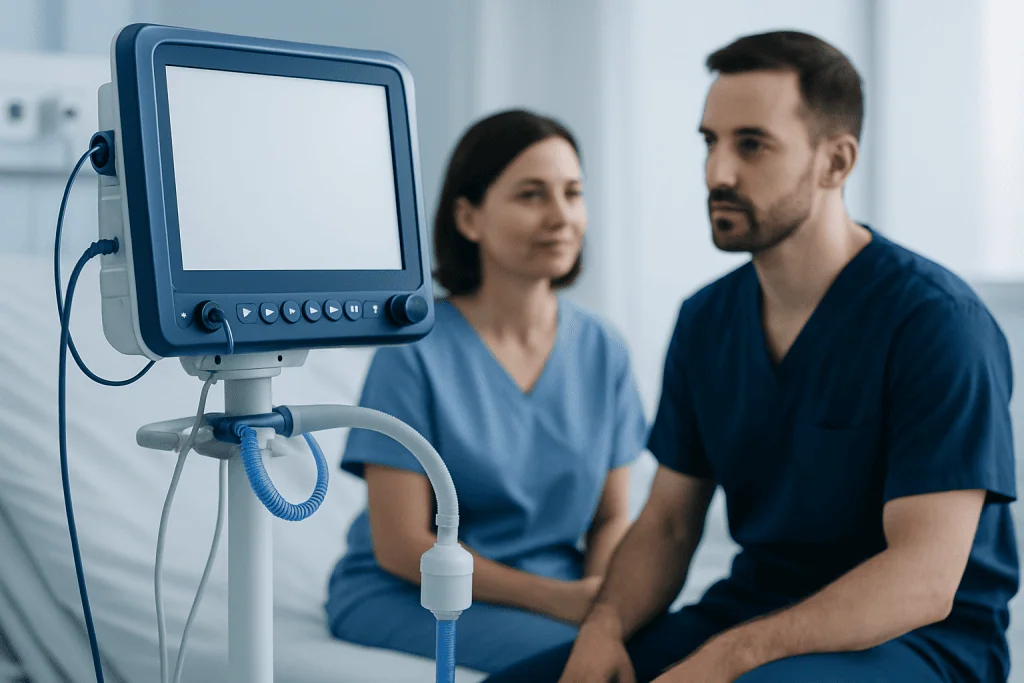
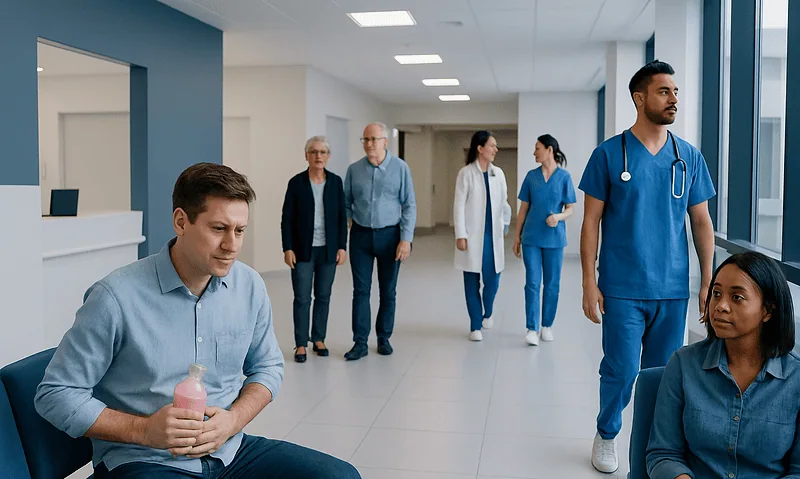
A DSM 5 diagnosis begins with a conversation. A clinician asks about current symptoms, when they started, how severe they are, and whether they affect sleep, work, school, relationships, concentration, appetite, or safety. This helps determine whether symptoms fit a recognized disorder pattern and whether another explanation may be more likely.
DSM 5 criteria are designed to improve consistency. For example, a condition may require a certain number of symptoms, a minimum duration, and evidence that the symptoms cause meaningful distress or impair daily life. This approach helps reduce guesswork, though it does not remove the need for individualized assessment.
In many cases, clinicians also look for overlapping or related concerns. Anxiety, depression, trauma-related symptoms, attention problems, sleep difficulties, substance use, and neurological or medical issues can interact. A person may need additional assessment for conditions such as depression or anxiety disorders if symptoms appear to fit those patterns.
What Conditions Are Included

DSM 5 includes many categories of mental health conditions across the lifespan. These include mood disorders, anxiety disorders, obsessive-compulsive and related disorders, trauma- and stressor-related disorders, feeding and eating disorders, sleep-wake disorders, personality disorders, substance-related disorders, neurodevelopmental disorders, and neurocognitive disorders, among others.
Some diagnoses are more familiar to the public than others. Examples include major depressive disorder, generalized anxiety disorder, panic disorder, post-traumatic stress disorder, attention-deficit/hyperactivity disorder, autism spectrum disorder, bipolar disorders, and schizophrenia spectrum disorders. Each diagnosis has specific criteria rather than relying on broad impressions alone.
DSM 5 also encourages clinicians to think beyond a simple checklist. Symptoms can vary by age, gender, culture, life context, and physical health. A child, adolescent, adult, and older adult may express distress differently, which is why a diagnosis should always be made by an appropriately trained professional rather than through self-assessment alone.
Assessment, Symptoms, and Differential Diagnosis
People often search for DSM 5 because they want to understand symptoms they or a loved one are experiencing. Common concerns include persistent sadness, loss of interest, constant worry, panic attacks, irritability, changes in sleep or appetite, low energy, difficulty concentrating, compulsive behaviors, mood swings, hallucinations, or changes in behavior and functioning. These symptoms can be significant, but they are not specific to just one diagnosis.
A careful assessment looks at pattern, timing, severity, triggers, and impact. For instance, grief, stress, trauma, medication side effects, thyroid disease, sleep disorders, chronic pain, neurological illness, and substance use can all affect mood, thinking, or behavior. This is why differential diagnosis matters: clinicians try to distinguish one condition from another and identify whether more than one issue is present.
Depending on the situation, the evaluation may include physical examination, laboratory tests, cognitive testing, or referral to specialists. If symptoms involve memory changes, confusion, seizures, severe headaches, loss of consciousness, or unusual neurological findings, a clinician may consider neurology evaluation or brain MRI to look for medical causes that need attention.
How Diagnosis Is Confirmed
There is no single test that “proves” most DSM 5 mental health diagnoses. Instead, diagnosis is confirmed by combining detailed history-taking with clinical interviews and, when useful, validated screening or rating scales. The clinician compares the person’s symptoms with formal DSM 5 criteria and decides whether the full threshold is met.
History is central. A doctor or mental health professional may ask about childhood development, past episodes, trauma exposure, medications, alcohol or drug use, physical illnesses, family history of mental illness, and any previous treatments. Information from a family member or caregiver can sometimes be helpful, especially when insight, memory, or communication are affected.
Diagnosis may change over time as new information emerges. This does not always mean the first evaluation was wrong; some conditions develop gradually or share similar early features. Follow-up appointments are often important, especially when symptoms are new, severe, or evolving.
Treatment Planning After a DSM 5 Diagnosis
A DSM 5 diagnosis is not the final goal; it is a starting point for care. Treatment depends on the specific condition, symptom severity, personal preferences, age, safety concerns, and coexisting medical issues. Many people benefit from a combination of psychotherapy, supportive lifestyle measures, family education, and medication when appropriate.
Psychological therapies may include cognitive behavioral therapy, trauma-focused therapy, interpersonal therapy, family therapy, or other structured approaches. Medication may be considered for conditions such as depression, anxiety disorders, bipolar disorder, psychosis, or severe insomnia, but treatment decisions should be individualized and supervised by a qualified clinician.
In some cases, care involves more than one specialty. For example, persistent mood, behavior, or thought symptoms may need psychiatric assessment and treatment, while sleep-related symptoms, developmental concerns, or neurological signs may require additional expert input. Near the end of the care pathway, some international patients may seek multidisciplinary evaluation at Acibadem International, where JCI-accredited hospitals and specialist teams diagnose and treat complex mental and neurological conditions.
Self-Care, Monitoring, and Everyday Support
While DSM 5 is a clinician’s tool, everyday habits still matter. Good sleep, regular physical activity, balanced meals, predictable routines, social connection, and reducing alcohol or recreational drug use can all support mental health. These measures are not substitutes for treatment, but they can improve resilience and symptom management.
It can also help to track symptoms over time. A simple journal of sleep, mood, anxiety levels, energy, concentration, triggers, and medication effects may make patterns easier to identify during appointments. Family members or trusted friends can sometimes notice changes that the person does not fully recognize.
Self-diagnosis through social media, quizzes, or isolated symptom lists can be misleading. Many conditions overlap, and some physical illnesses can look like psychiatric disorders. A professional evaluation is the safest way to understand what symptoms mean and what kind of care may help most.
When to Seek Medical Care
Medical care should be sought when emotional, behavioral, or thinking-related symptoms last for weeks, keep returning, or begin to interfere with school, work, sleep, family life, or personal safety. It is also wise to seek evaluation if a person feels persistently low, highly anxious, unusually energized, detached from reality, or unable to function as usual.
Urgent medical attention is needed for thoughts of self-harm or suicide, violent behavior, hallucinations, severe confusion, extreme agitation, inability to care for basic needs, or sudden major changes in awareness or behavior. If there are signs of a medical emergency, emergency services should be contacted immediately.
Parents and caregivers should also seek assessment when a child or teenager shows marked changes in mood, behavior, learning, social interaction, eating, or sleep. Early evaluation does not automatically mean a serious diagnosis; it simply helps clarify what is happening and what support may be needed.
Frequently asked questions
What is DSM 5 in simple terms?
DSM 5 is a manual used by mental health professionals to classify and diagnose mental health conditions. It gives clinicians a shared language and specific criteria so they can assess symptoms more consistently and plan care.
Can a person diagnose themselves using DSM 5?
DSM 5 is not intended for self-diagnosis. Many conditions share similar symptoms, and some physical illnesses, medications, or substances can cause emotional or behavioral changes that need professional evaluation.
Is DSM 5 a test or scan?
No. DSM 5 is a diagnostic reference, not a laboratory test, brain scan, or questionnaire by itself. Clinicians use it alongside interviews, medical history, and sometimes physical or neurological assessment.
Does a DSM 5 diagnosis always stay the same?
Not always. Diagnosis can change over time as symptoms evolve, more history becomes available, or treatment response becomes clearer. Follow-up care is often part of accurate diagnosis and long-term planning.
What kinds of conditions are described in DSM 5?
DSM 5 includes many types of mental health conditions, such as depression, anxiety disorders, bipolar disorders, trauma-related disorders, eating disorders, ADHD, autism spectrum disorder, and psychotic disorders. Each condition has its own criteria related to symptoms, duration, and impact on daily life.
When should someone seek help for possible mental health symptoms?
A person should seek help when symptoms cause distress, last for weeks, keep returning, or interfere with normal life. Immediate urgent care is needed for suicidal thoughts, hallucinations, severe confusion, or behavior that threatens safety.
References
- American Psychiatric Association
- National Institute of Mental Health
- World Health Organization
- Centers for Disease Control and Prevention
- Substance Abuse and Mental Health Services Administration
This article is for general information only and is not a substitute for professional medical advice. Please consult a qualified doctor about your individual situation.
Explore treatments in Turkey — costs, top hospitals & a free quote
JCI-accredited · board-certified surgeons · reply within 24h
Add us as a Preferred Source to see more of our trusted health content across Google Search, AI Overviews and Discover.