Ductal Carcinoma in Situ Treatment: How It Works, Results and What to Expect

DCIS is a non-invasive breast condition in which abnormal cells remain inside the milk ducts. Surgery is the main treatment, with breast-conserving surgery or mastectomy selected according to the extent of DCIS.
Key Takeaways
- DCIS is a non-invasive breast condition in which abnormal cells remain inside the milk ducts.
- Surgery is the main treatment, with breast-conserving surgery or mastectomy selected according to the extent of DCIS.
- Radiation therapy after breast-conserving surgery can reduce the chance of DCIS returning in the same breast.
- Hormone therapy may be considered for hormone receptor-positive DCIS after surgery.
- DCIS is classified as stage 0 breast cancer and generally has an excellent outlook with appropriate treatment.
Ductal carcinoma in situ (DCIS) treatment removes or controls abnormal cells that are confined to the breast milk ducts, helping prevent invasive breast cancer from developing. The most suitable approach depends on the size, grade, location, hormone-receptor status, and extent of DCIS, as well as the person’s preferences and overall health.
Ductal Carcinoma in Situ Treatment: How It Works
Ductal carcinoma in situ treatment is designed to remove abnormal cells that are located inside the breast’s milk ducts and to reduce the likelihood that the condition will return or later become invasive. DCIS has not spread beyond the duct wall into surrounding breast tissue, lymph nodes, or distant parts of the body. Treatment is therefore focused on the breast, rather than on treating spread elsewhere in the body.
The main treatment is surgery. Many people can have breast-conserving surgery, also called lumpectomy or wide local excision, to remove the area of DCIS with a margin of healthy-looking tissue around it. When DCIS is widespread, occurs in more than one area of the breast, or cannot be completely removed while preserving the breast, mastectomy may be recommended.
Additional treatment may be advised after surgery. Radiation therapy is commonly considered after breast-conserving surgery, while hormone therapy can be an option when DCIS cells have hormone receptors. Decisions are individualized through discussion with a breast surgeon, medical oncologist, radiation oncologist, radiologist, and pathologist.
What Stage of Cancer Is Ductal Carcinoma in Situ?
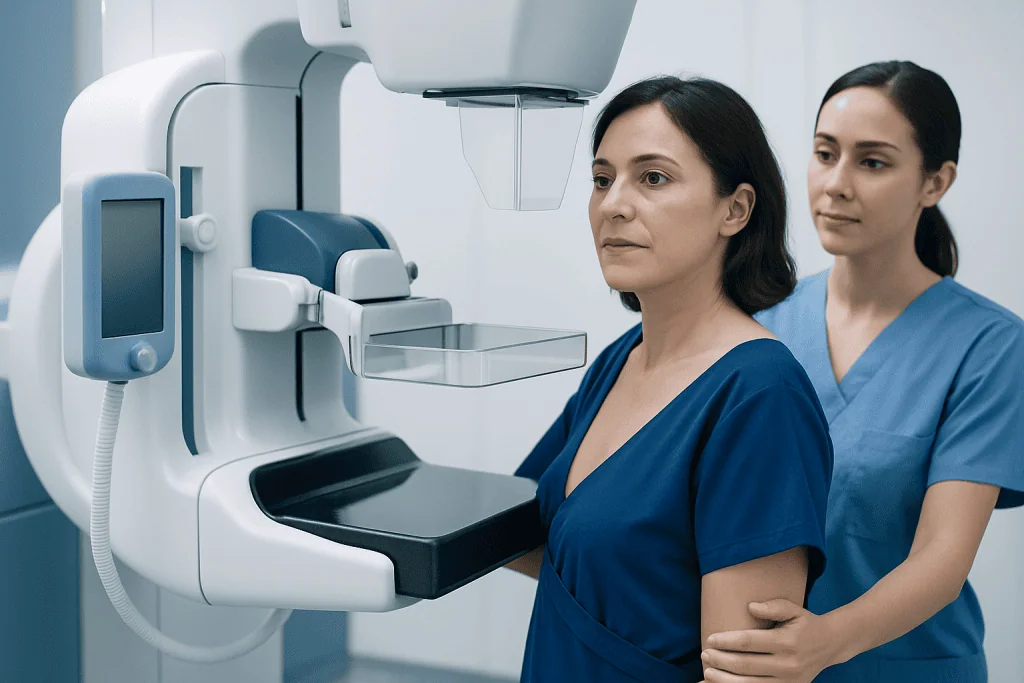
DCIS is classified as stage 0 breast cancer. This means abnormal cells are present, but they remain contained within the ducts where they began. Unlike invasive breast cancer, DCIS has not crossed the duct wall into surrounding breast tissue.
The term “cancer” can feel concerning, but stage 0 does not mean that DCIS behaves like invasive breast cancer. It is often detected on a screening mammogram as tiny calcium deposits called microcalcifications, before it causes symptoms or forms a noticeable lump. Not every case has the same potential to progress, which is why pathology findings and imaging results are carefully reviewed.
Pathologists may describe DCIS as low, intermediate, or high grade. Grade reflects how different the cells look from typical breast cells and can help guide treatment discussions. Features such as the size of the affected area, margin status after surgery, and hormone receptor status also matter when estimating recurrence risk.
Is Ductal Carcinoma in Situ Serious?

DCIS is a serious diagnosis that deserves careful assessment and follow-up, but it is non-invasive and is usually highly treatable. Because the abnormal cells are confined to the ducts, treatment can often prevent future invasive breast cancer in the affected breast.
Some DCIS may remain confined for a long time, while some untreated cases may eventually develop into invasive breast cancer. At present, clinicians cannot always predict with certainty which individual cases will progress. For this reason, treatment and monitoring plans are based on the characteristics of the DCIS and the person’s circumstances.
It is also important to remember that a DCIS diagnosis does not mean a person has done anything wrong. Breast specialists can explain the pathology report in clear terms and help patients weigh the benefits and limitations of each management option. Emotional support, practical support, and time to ask questions are valuable parts of care.
Choosing a Treatment Plan: Candidacy and Options
Breast-conserving surgery is often appropriate when the area of DCIS can be fully removed with clear margins while maintaining an acceptable breast appearance. It is usually followed by radiation therapy, particularly when there is a meaningful risk of recurrence. Breast cancer treatment planning may include surgical, radiation, and medical oncology input so that each part of care is coordinated.
Mastectomy removes nearly all breast tissue and may be recommended when DCIS involves a large portion of the breast, is present in multiple separate areas, remains at the surgical edge after repeat excision, or when radiation therapy is not suitable. Breast reconstruction may be discussed before or after mastectomy, depending on individual needs and preferences.
Hormone therapy, such as medicines that block or reduce estrogen effects, may be offered after breast-conserving surgery for estrogen receptor-positive DCIS. It can lower the risk of a future breast event, but it is not appropriate or necessary for everyone. The care team will discuss likely benefit alongside possible side effects and other health considerations.
Some carefully selected people with low-risk DCIS may be offered close monitoring within an experienced specialist setting or clinical study. This approach is still being studied and is not the standard option for all patients. A pathology review and a detailed discussion of uncertainty, follow-up requirements, and personal priorities are essential.
How Treatment Is Performed Step by Step
Before surgery, the team reviews mammograms, ultrasound or breast MRI when needed, biopsy findings, and medical history. If the area of DCIS cannot be felt, a radiologist may place a wire, seed, marker, or other localization device to guide the surgeon precisely to the affected tissue.
During breast-conserving surgery, the surgeon removes the DCIS and a small rim of surrounding tissue. The specimen is examined by a pathologist, who checks whether the surgical margins are clear. If abnormal cells extend to or are very close to a margin, a second operation may be recommended to remove additional tissue.
A sentinel lymph node biopsy is not routinely needed for DCIS treated with lumpectomy because DCIS has not invaded nearby tissue. However, it may be recommended with mastectomy or in selected situations where there is a greater chance that invasive cancer could be found in the surgical specimen.
If radiation is advised, it usually begins after the surgical area has healed. Radiation is delivered in planned sessions to the breast and aims to destroy remaining abnormal cells that cannot be seen on imaging or under the microscope. Radiation therapy is planned individually to protect nearby healthy tissues as much as possible.
Recovery, Benefits and Possible Risks
Recovery after lumpectomy is often relatively quick, although soreness, bruising, swelling, tiredness, and temporary changes in breast shape or sensation can occur. Many people resume light daily activities within days, while strenuous exercise and lifting may need to wait until the surgical team confirms healing. Follow-up visits review the wound, pathology results, and next steps.
Recovery after mastectomy generally takes longer. Drains may be used for a short period, and there can be chest tightness, numbness, reduced shoulder movement, or discomfort while healing. Physiotherapy guidance and gentle arm exercises can support comfort and range of motion when recommended by the clinical team.
The main benefit of treatment is a substantial reduction in the chance that DCIS will remain or recur in the treated breast. Mastectomy provides a very low local recurrence risk, while breast-conserving surgery with appropriate additional treatment preserves the breast for many people. Neither option is automatically best; the right choice depends on clinical findings and personal values.
Potential risks include bleeding, infection, fluid collection, scarring, altered breast appearance, and the possible need for additional surgery. Radiation may cause temporary skin irritation and fatigue, and occasionally longer-term changes in skin texture, breast firmness, or sensation. Hormone therapy can have its own side effects, which should be reviewed before starting treatment.
How Long Can You Live With Ductal Carcinoma in Situ?
People diagnosed with DCIS generally have an excellent long-term outlook, especially when they receive recommended treatment and follow-up. Because DCIS is non-invasive, it is not the same as metastatic or advanced breast cancer. Most patients do not die from DCIS itself.
Life expectancy is influenced by many factors beyond a DCIS diagnosis, including age, general health, other medical conditions, and whether an invasive cancer is identified at surgery. A breast specialist can explain what the individual pathology results mean and how follow-up care supports long-term health.
After breast-conserving treatment, regular mammograms are important because a new DCIS or invasive breast cancer can occasionally develop in either breast. After mastectomy, follow-up is still needed, although imaging recommendations differ according to the type of surgery and reconstruction. Ongoing surveillance is intended to identify any changes early.
How Long Does It Take for Ductal Carcinoma in Situ to Become Invasive?
There is no reliable single timeline for DCIS to become invasive. Research suggests that some untreated cases may progress over years, while others may never progress during a person’s lifetime. The rate is likely influenced by features such as grade, size, biology, and the surrounding breast tissue, but these factors do not predict an individual outcome with certainty.
High-grade DCIS may be more likely to be associated with or progress to invasive disease than low-grade DCIS, but grade alone does not determine what will happen. In addition, a biopsy samples only part of the abnormal area. Surgery sometimes finds a small invasive focus that was not visible in the original biopsy sample.
For these reasons, it is sensible to discuss DCIS promptly with a qualified breast care team rather than trying to estimate a personal timeline from general information. The team can review imaging and pathology, explain whether further tests are needed, and support an informed decision about treatment or monitoring.
When to Seek Medical Care
Anyone who has received a biopsy result suggesting DCIS should arrange a consultation with a breast surgeon or breast oncology team. Prompt assessment allows the diagnosis to be confirmed, imaging to be reviewed, and treatment options to be discussed without unnecessary delay. A second pathology opinion may be useful in some circumstances.
Medical review is also important for a new breast lump, persistent localized breast pain, skin dimpling, nipple inversion that is new, nipple discharge that is bloody or spontaneous, or changes in breast size or shape. These symptoms are often caused by non-cancerous conditions, but they should be assessed.
After treatment, patients should contact their care team for fever, worsening redness or swelling around a surgical wound, drainage from the wound, increasing pain, shortness of breath, or a new breast or chest-wall change. Acibadem International’s multidisciplinary specialists and JCI-accredited hospitals provide diagnosis and treatment planning for international patients with breast conditions.
Frequently asked questions
Can DCIS be treated without a mastectomy?
Yes. Many people with DCIS are treated with breast-conserving surgery, often followed by radiation therapy. Mastectomy is generally considered when DCIS is extensive, occurs in several areas, cannot be removed with clear margins, or when other clinical factors make it the better option.
Does everyone with DCIS need radiation therapy?
No. Radiation is commonly recommended after breast-conserving surgery because it lowers the risk of recurrence in the treated breast. However, the likely benefit varies, and some people with carefully selected low-risk features may discuss surgery alone with their specialist.
Is chemotherapy used for ductal carcinoma in situ?
Chemotherapy is not routinely used for pure DCIS because the abnormal cells have not invaded surrounding tissue or spread elsewhere. If invasive breast cancer is found in addition to DCIS, treatment recommendations may change based on the invasive cancer’s features.
Will I need hormone therapy for DCIS?
Hormone therapy may be considered when DCIS is estrogen receptor-positive, particularly after breast-conserving surgery. It can reduce the risk of a future breast cancer event, but the decision depends on expected benefit, possible side effects, medical history, and personal preferences.
Can DCIS return after treatment?
Yes, DCIS can return in the treated breast, and a recurrence may be DCIS or invasive breast cancer. Surgery, radiation when appropriate, hormone therapy for suitable patients, and recommended follow-up imaging all help reduce or detect this risk.
What follow-up is needed after DCIS treatment?
Follow-up usually includes clinical visits and regular breast imaging, commonly annual mammography after breast-conserving surgery. The exact schedule depends on the surgery performed, radiation or hormone treatment, family history, and individual risk factors.
References
- National Cancer Institute
- American Cancer Society
- National Comprehensive Cancer Network
- American Society of Clinical Oncology
- World Health Organization
This article is for general information only and is not a substitute for professional medical advice. Please consult a qualified doctor about your individual situation.
Oncology care in Turkey — second opinion and treatment plan
JCI-accredited · board-certified surgeons · reply within 24h
Add us as a Preferred Source to see more of our trusted health content across Google Search, AI Overviews and Discover.