Dumping Syndrome After Gastric Sleeve: Early and Late Symptoms Explained

Dumping syndrome after gastric sleeve may cause symptoms either within 30 minutes of eating or 1 to 3 hours later. Early symptoms often include nausea, bloating, cramping, diarrhea, flushing, and a fast heartbeat.
Key Takeaways
- Dumping syndrome after gastric sleeve may cause symptoms either within 30 minutes of eating or 1 to 3 hours later.
- Early symptoms often include nausea, bloating, cramping, diarrhea, flushing, and a fast heartbeat.
- Late symptoms are more often related to low blood sugar and may include shakiness, sweating, weakness, and trouble concentrating.
- Dietary changes such as eating smaller meals and limiting sugary foods are often the first step in treatment.
- Persistent, severe, or worsening symptoms should be assessed by a qualified doctor after bariatric surgery.
Dumping syndrome after gastric sleeve can happen when food moves too quickly from the stomach into the small intestine. Symptoms may appear soon after eating or a few hours later, and understanding the pattern can help patients manage symptoms and know when to seek medical advice.
Overview
Dumping syndrome after gastric sleeve is a group of symptoms that can happen when food, especially foods high in sugar or simple carbohydrates, passes too quickly from the stomach into the small intestine. Although it is often discussed after gastric bypass, it can also occur after sleeve gastrectomy because the stomach has been made smaller and empties differently than before surgery.
Symptoms are usually divided into two patterns: early dumping and late dumping. Early dumping tends to happen soon after eating, while late dumping happens later and is more closely linked to changes in blood sugar. Some patients experience only one pattern, while others may notice features of both at different times.
For many people, symptoms improve with time, meal planning, and careful food choices. Even so, it is important not to ignore ongoing symptoms, because similar complaints can also be caused by dehydration, nutritional problems, medication effects, or other digestive conditions after bariatric surgery.
Early and Late Symptoms Explained

Early dumping symptoms usually begin within about 10 to 30 minutes after eating. They happen when food moves rapidly into the small intestine and pulls fluid into the gut. This can lead to digestive discomfort as well as whole-body symptoms that may feel unsettling but are often manageable with dietary adjustments.
- Nausea or a feeling of fullness
- Abdominal cramping
- Bloating
- Diarrhea
- Gurgling stomach sounds
- Flushing or warmth
- Rapid heartbeat
- Lightheadedness
Late dumping symptoms usually develop 1 to 3 hours after a meal. They are thought to be related to a rapid rise in blood sugar followed by a strong insulin response, which can cause blood sugar to drop too low. These symptoms may be mistaken for anxiety or fatigue if the timing with meals is not recognized.
- Shakiness or tremor
- Sweating
- Weakness
- Hunger
- Dizziness
- Difficulty concentrating
- Palpitations
- Faintness in more severe cases
Keeping a symptom diary can be very helpful. Recording what was eaten, how quickly it was eaten, and when symptoms started can help a doctor or dietitian tell whether symptoms fit early dumping, late dumping, or another post-surgery issue.
Why It Happens After Gastric Sleeve
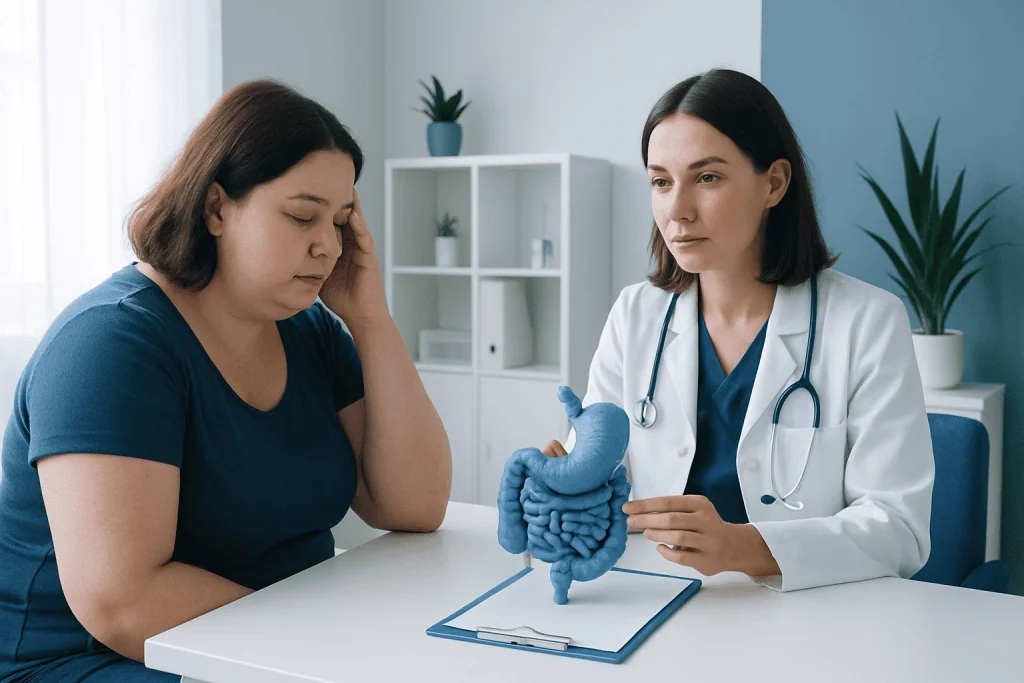
After sleeve gastrectomy, the stomach is smaller and shaped differently. Food may move through it more quickly than before, especially when meals are large, liquids are taken with meals, or the food contains a lot of sugar. This faster emptying is a key reason dumping syndrome can develop.
In early dumping, rapid delivery of food into the small intestine draws fluid from the bloodstream into the bowel. That shift can cause cramping, diarrhea, bloating, and feelings such as flushing or a racing heart. In late dumping, the body may release a large amount of insulin after a meal rich in refined carbohydrates, leading to low blood sugar some time later.
Certain eating habits can raise the risk. These include drinking sweet beverages, eating desserts or processed carbohydrates, skipping protein, eating too fast, and not chewing well. Some people are also more sensitive to changes in gastric emptying than others, so symptoms can vary widely from person to person.
Not every symptom after bariatric surgery is dumping syndrome. Similar complaints may be seen with dehydration, lactose intolerance, food intolerance, peptic irritation, gallbladder problems, or other concerns. In some cases, a doctor may also consider related bariatric issues such as acid reflux after surgery or nutritional intolerance patterns when evaluating symptoms.
How Doctors Diagnose Dumping Syndrome
Diagnosis usually begins with a detailed medical history. A doctor will ask when symptoms happen, what foods seem to trigger them, how severe they are, and whether there has been weight loss beyond what was expected, poor oral intake, or signs of low blood sugar. The timing of symptoms in relation to meals is one of the most important clues.
A physical examination and review of the patient’s surgery history are also important. Blood tests may be used to look for dehydration, anemia, vitamin deficiencies, or blood sugar abnormalities. In some cases, glucose monitoring or a supervised meal-related test may help identify late dumping linked to low blood sugar.
If symptoms are persistent, severe, or unusual, doctors may order additional tests to rule out other causes. These can include imaging, endoscopy, or evaluations for ulcers, narrowing, gallstones, or other digestive conditions. Patients who have troubling reflux, swallowing problems, or repeated vomiting may need further assessment beyond a diagnosis of dumping syndrome alone.
Because symptoms can overlap with other post-surgical concerns, follow-up with a bariatric team is often the most useful approach. Specialists in surgery, gastroenterology, and nutrition can work together to determine whether symptoms are related to dumping, meal composition, or another issue requiring care.
Treatment Options and Dietary Changes
The first-line treatment for dumping syndrome after gastric sleeve is usually dietary adjustment. Many patients feel better when they eat smaller, more frequent meals and avoid large portions. Meals that are balanced with protein, fiber, and healthy fats are often better tolerated than meals high in sugar or refined starches.
Helpful changes may include avoiding sugary drinks, limiting desserts, chewing food thoroughly, and eating slowly. Some patients are advised not to drink liquids with meals, but rather between meals, so the stomach empties less quickly. A registered dietitian with bariatric experience can help create a meal plan that meets nutrition needs while reducing symptoms.
- Choose protein-rich foods first
- Limit foods high in added sugar
- Avoid rushing meals
- Eat small portions every few hours if advised
- Separate liquids and solids if recommended by the care team
- Track foods that trigger symptoms
If symptoms continue despite these steps, a doctor may consider medication or further evaluation. Treatment depends on whether symptoms are mainly early dumping, late dumping, or another problem entirely. In selected cases, patients may need specialist support through bariatric surgery follow-up, gastroenterology care, or individualized clinical nutrition and diet planning.
Prevention and Self-care After Sleeve Surgery
Prevention focuses mostly on eating habits. Following post-operative nutrition guidance carefully, especially in the first months after surgery, can lower the chance of symptoms. This includes introducing foods gradually, prioritizing protein, avoiding very sweet foods, and not overeating even when appetite begins to return.
Patients often benefit from paying attention to how their body responds to different foods. A food that causes symptoms early after surgery may become easier to tolerate later, while some high-sugar foods may continue to trigger symptoms. Building meals around lean protein, vegetables, and slower-digesting carbohydrates may help support steadier digestion and blood sugar.
Hydration also matters. Drinking enough fluid between meals can reduce the risk of dehydration, which can worsen dizziness and weakness. However, drinking large amounts during meals may make symptoms more likely in some people, so it is sensible to follow the specific guidance of the surgical team.
Long-term follow-up is an important part of self-care after sleeve gastrectomy. Regular check-ins help monitor weight loss, nutrition, vitamins, and digestive symptoms. If needed, some patients may be referred for endocrinology and metabolic evaluation when late symptoms raise concern for blood sugar instability.
When to See a Doctor
Medical review is important if symptoms are frequent, severe, or interfering with normal eating and drinking. Patients should also seek advice if they are losing weight too quickly, having repeated vomiting, struggling to stay hydrated, or avoiding meals because symptoms are distressing. These situations can increase the risk of malnutrition and other complications.
Urgent assessment may be needed for fainting, severe weakness, signs of significant dehydration, black stools, chest pain, or ongoing abdominal pain that does not improve. These symptoms are not typical simple dumping syndrome and should not be self-managed without medical input.
It is also wise to contact the bariatric team if new symptoms appear months or years after surgery. Dumping can develop later, but new complaints may also point to other digestive or metabolic issues that should be checked properly.
For patients seeking international care, Acibadem International’s multidisciplinary specialists in JCI-accredited hospitals evaluate and treat post-bariatric concerns, including symptoms suggestive of dumping syndrome, with input from surgery, gastroenterology, endocrinology, and nutrition teams.
Frequently asked questions
How soon can dumping syndrome happen after gastric sleeve surgery?
Dumping syndrome can begin soon after surgery once regular foods are reintroduced, but it may also appear later. Some people notice symptoms only with certain foods or eating habits, especially meals high in sugar or meals eaten too quickly.
What is the difference between early and late dumping syndrome?
Early dumping usually starts within 30 minutes after eating and is more likely to cause digestive symptoms such as cramping, bloating, nausea, and diarrhea. Late dumping tends to happen 1 to 3 hours after eating and is more often related to low blood sugar symptoms such as shakiness, sweating, weakness, and difficulty concentrating.
Is dumping syndrome dangerous?
It is often uncomfortable rather than dangerous, especially when symptoms are mild and improve with diet changes. However, repeated episodes can affect hydration, nutrition, and quality of life, so persistent or severe symptoms should be assessed by a doctor.
What foods commonly trigger dumping syndrome after gastric sleeve?
Foods high in added sugar, sweet drinks, desserts, and refined carbohydrates are common triggers. Large meals, eating too quickly, and drinking liquids with meals may also make symptoms more likely in some patients.
Can dumping syndrome go away on its own?
Many patients improve over time, especially when they learn which foods and eating patterns trigger symptoms. Even if it becomes less frequent, regular follow-up is still helpful to make sure nutrition and recovery stay on track.
How is late dumping related to blood sugar?
Late dumping is linked to a rapid rise in blood sugar after eating followed by a strong insulin response. This can cause blood sugar to fall too low, leading to symptoms such as shakiness, sweating, hunger, and dizziness.
When should someone call their surgeon or doctor?
They should contact a doctor if symptoms are frequent, worsening, or make it hard to eat or drink normally. Fainting, severe dehydration, ongoing vomiting, black stools, or strong abdominal pain need prompt medical attention.
References
- National Institute of Diabetes and Digestive and Kidney Diseases
- American Society for Metabolic and Bariatric Surgery
- Mayo Clinic
- National Health Service
- Cleveland Clinic
This article is for general information only and is not a substitute for professional medical advice. Please consult a qualified doctor about your individual situation.
Medical weight-loss options in Turkey — costs & eligibility
JCI-accredited · board-certified surgeons · reply within 24h
Add us as a Preferred Source to see more of our trusted health content across Google Search, AI Overviews and Discover.

More from the Health Library



Related Specialists
Prof. Dr. Muazzez Çevik
Pediatric Surgery
Prof. Dr. Bülent Kisacikoğlu
Cardiovascular Surgery
Prof. Dr. Gülcihan Özkan
Pulmonology
Prof. Dr. Erkin Aribal
Breast Clinic Clinical Service