Dyschezia: A Complete Medical Overview

Dyschezia refers to difficult or painful defecation, not a single specific disease. Common causes include constipation, hemorrhoids, anal fissures, and pelvic floor coordination problems.
Key Takeaways
- Dyschezia refers to difficult or painful defecation, not a single specific disease.
- Common causes include constipation, hemorrhoids, anal fissures, and pelvic floor coordination problems.
- Evaluation may involve a medical history, physical examination, and sometimes tests of rectal and pelvic floor function.
- Treatment depends on the cause and may include diet changes, bowel habit training, medicines, pelvic floor therapy, or procedures.
- Persistent pain, rectal bleeding, weight loss, or a sudden change in bowel habits should be assessed by a doctor.
Dyschezia means pain, difficulty, or excessive straining during bowel movements. It is a symptom rather than a disease itself, and it can happen for many reasons, including constipation, anal conditions, pelvic floor dysfunction, or disorders affecting how the rectum and anus work together.
What dyschezia means
Dyschezia is the medical term for difficult, painful, or strained bowel movements. In everyday use, people may describe it as trouble passing stool, a feeling of blockage, pain around the anus or rectum during defecation, or the sense that the bowels do not empty fully. Although it is often discussed alongside constipation, dyschezia is not exactly the same thing. A person can have constipation with infrequent stools, dyschezia with painful passage, or both at the same time.
This symptom can happen when stool is hard and dry, when the muscles of the pelvic floor do not relax properly, or when there is irritation or injury in the anal canal. Conditions such as hemorrhoids, anal fissure, rectal inflammation, and pelvic floor dysfunction can all contribute. In some cases, dyschezia is temporary and improves with hydration, fiber, and bowel habit changes. In others, it may need targeted medical treatment.
Because many causes are treatable, identifying the pattern of symptoms is important. Pain with a tearing sensation may suggest an anal fissure, while prolonged straining and incomplete emptying can point toward a functional bowel or pelvic floor problem. Understanding the difference helps guide the right next steps.
Signs and symptoms that may occur with dyschezia
Dyschezia can feel different from one person to another. Some people mainly notice pain during stool passage, while others feel severe straining, pressure, or the need to sit on the toilet for a long time. The symptom may be occasional or chronic. It may also vary depending on diet, hydration, stress, medications, and underlying bowel conditions.
Symptoms commonly reported with dyschezia include:
- Pain or burning during bowel movements
- Hard, dry, or lumpy stool
- Excessive straining
- A feeling of blockage in the rectum
- Incomplete emptying after a bowel movement
- Rectal discomfort, itching, or bleeding
- Bloating or abdominal discomfort
- Needing to use manual assistance or repeated attempts to pass stool
Some associated symptoms can give clues about the cause. Bright red blood on toilet paper may occur with hemorrhoids or fissures, while mucus, urgency, or diarrhea can suggest inflammation in the lower bowel. If painful bowel movements are recurring, especially with bleeding or major changes in bowel habits, a professional evaluation is appropriate.
Why dyschezia happens: common causes and risk factors

The most common reason for dyschezia is constipation. When stool stays in the colon too long, it becomes harder and drier, making passage more difficult and painful. Low fluid intake, too little fiber, inactivity, travel, pregnancy, and some medications can all contribute to constipation. Iron supplements, opioid pain medicines, and certain antidepressants are examples of medicines that may slow bowel function.
Another important cause is a structural or painful problem around the anus or rectum. Hemorrhoids can cause swelling, irritation, and discomfort with passing stool. An anal fissure is a small tear in the lining of the anus that can produce sharp pain and sometimes a small amount of bleeding. Inflammation from infection or bowel disease may also make defecation painful. In some people, the sensation of blockage may be related to a rectocele, prolapse, or other mechanical issue that affects stool passage.
Dyschezia may also result from a functional problem called pelvic floor dyssynergia or defecatory dysfunction. In this situation, the pelvic floor and anal sphincter muscles do not coordinate normally. Instead of relaxing during a bowel movement, the muscles may tighten or push against the process, making evacuation difficult. This type of problem may coexist with chronic constipation and often requires more than simple laxatives to improve.
Risk factors include older age, a low-fiber diet, poor hydration, limited physical activity, chronic straining, neurological disease, childbirth-related pelvic floor changes, and a history of anorectal pain. Stress and bowel habit suppression can also worsen symptoms over time.
How doctors evaluate dyschezia
Diagnosis starts with a careful medical history. A doctor will usually ask how long the problem has been present, how often bowel movements occur, what the stool looks like, whether pain or bleeding is present, and whether there is a sense of incomplete emptying. It is also helpful to review diet, fluid intake, medications, prior surgeries, pregnancy history, and any known digestive or pelvic floor conditions.
A physical examination may include abdominal assessment and an anorectal exam. This helps identify common causes such as hemorrhoids, fissures, tenderness, prolapse, or muscle tension. In many cases, the physical exam already provides strong clues about the reason for dyschezia.
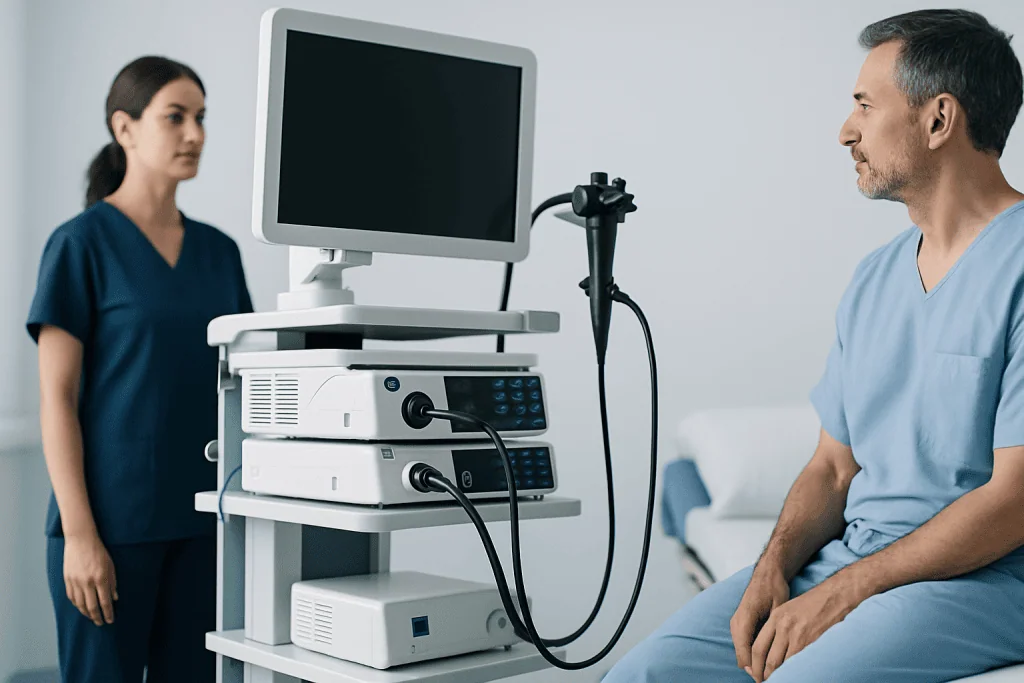
If symptoms are persistent, complex, or not explained by a routine exam, additional testing may be recommended. These tests may include blood work, stool studies, endoscopy, imaging, or specialized anorectal function tests. Depending on the situation, doctors may use colonoscopy to evaluate the lower bowel or refer for tests that measure pelvic floor muscle coordination and rectal sensation.
The goal of evaluation is not only to confirm that bowel movements are difficult, but to understand why. Treatment is more effective when it targets the specific problem, whether that is stool consistency, muscle coordination, pain, inflammation, or a structural issue.
Treatment options for dyschezia
Treatment depends on the cause. If hard stools are the main issue, care usually starts with improving stool softness and bowel regularity. This may include more fluid intake, a gradual increase in dietary fiber, regular physical activity, and establishing a consistent toilet routine. Some patients benefit from stool softeners or laxatives recommended by a doctor, especially if symptoms are frequent.
When pain is caused by hemorrhoids or fissures, treating the local problem can make bowel movements easier. Warm baths, stool-softening measures, and topical medicines may be advised. If hemorrhoids are significant or recurring, doctors may discuss office-based or procedural care, including hemorrhoid treatment. For confirmed fissures, treatment aims to reduce pain, allow healing, and prevent repeated trauma from hard stool.
If the main problem is poor muscle coordination, pelvic floor retraining can be very helpful. Specialized therapy, often called biofeedback-based pelvic floor rehabilitation, teaches the muscles to relax and work together during defecation. This approach is particularly useful for defecatory dysfunction and may be part of care through a gastroenterology evaluation or pelvic floor program.
Some people need further management for related digestive conditions. For example, if symptoms are connected to inflammation, irritable bowel patterns, or another bowel disorder, treatment is directed at that diagnosis. Surgery is not common for dyschezia itself but may be considered when there is a clear structural cause, such as significant prolapse or another anatomical problem that does not respond to conservative care.
Self-care and prevention strategies
Many people can reduce dyschezia by supporting healthy bowel habits. Prevention focuses on keeping stool soft, avoiding unnecessary straining, and responding to the body’s natural urge to have a bowel movement. Simple daily measures can make a meaningful difference over time, especially when symptoms are mild or intermittent.
Helpful self-care steps include:
- Drinking enough fluids throughout the day
- Eating fiber-rich foods such as fruits, vegetables, legumes, and whole grains
- Increasing fiber gradually to limit bloating
- Staying physically active
- Not delaying bowel movements when the urge appears
- Allowing enough time on the toilet without prolonged sitting or forceful straining
- Reviewing medicines with a doctor if constipation is a side effect
Toilet posture may also help. Some people find that raising the feet slightly on a small stool improves the angle of the rectum and makes stool passage easier. Relaxed breathing is preferable to repeated forceful pushing. If pain leads to avoidance of bowel movements, seeking medical advice early can help prevent a cycle of worsening constipation and discomfort.
When to seek medical care
Medical care is recommended if dyschezia lasts more than a short period, keeps returning, or interferes with daily life. A doctor should also assess symptoms that do not improve with basic hydration, fiber adjustment, and over-the-counter measures. Persistent bowel difficulty deserves attention because it may reflect a treatable anorectal, digestive, or pelvic floor problem.
Prompt evaluation is especially important if there is rectal bleeding, black stools, unexplained weight loss, anemia, fever, severe abdominal pain, vomiting, or a sudden major change in bowel habits. These features do not always mean a serious illness, but they should not be ignored. People with a family history of colorectal disease or inflammatory bowel disease should be particularly careful about new symptoms.
For ongoing or complex cases, multidisciplinary care may be helpful. Acibadem International’s specialists in digestive disorders, colorectal care, and pelvic floor conditions evaluate and treat patients in JCI-accredited hospitals, including international patients, when a more detailed assessment is needed.
Frequently asked questions
Is dyschezia the same as constipation?
Not exactly. Constipation usually refers to infrequent bowel movements, hard stool, or difficulty passing stool, while dyschezia emphasizes painful or difficult defecation. Many people have both, but dyschezia can also occur with anal pain or pelvic floor dysfunction even when bowel frequency is not severely reduced.
What is the most common cause of dyschezia?
A very common cause is constipation with hard, dry stool. Other frequent causes include hemorrhoids, anal fissures, and problems with pelvic floor muscle coordination. The most likely cause depends on the person's symptoms, age, medical history, and examination findings.
Can dyschezia go away on its own?
Yes, mild cases related to temporary constipation or dehydration may improve with fluids, fiber, activity, and better bowel habits. However, symptoms that keep coming back or cause significant pain should be evaluated. Persistent dyschezia may need specific treatment directed at the underlying cause.
Does dyschezia always cause bleeding?
No. Some people have pain, straining, or a sense of blockage without any bleeding. Bleeding is more likely when there is a fissure, hemorrhoids, or inflammation, and it should be discussed with a doctor.
How is pelvic floor dysfunction related to dyschezia?
During a normal bowel movement, the pelvic floor and anal muscles should relax. In some people, these muscles tighten or fail to coordinate properly, making stool passage difficult. This can lead to prolonged straining, incomplete emptying, and repeated unsuccessful attempts to defecate.
What tests might be needed for dyschezia?
Many patients only need a history and physical examination. If symptoms are ongoing, severe, or unclear, a doctor may recommend tests such as endoscopy, imaging, or anorectal function studies. The choice of test depends on whether the suspected cause is structural, inflammatory, or functional.
This article is for general information only and is not a substitute for professional medical advice. Please consult a qualified doctor about your individual situation.
Persistent digestive symptoms? Get evaluated in Turkey
JCI-accredited · board-certified surgeons · reply within 24h
Add us as a Preferred Source to see more of our trusted health content across Google Search, AI Overviews and Discover.

More from the Health Library

Organs on Right Side of Body: An Evidence-Based Guide for Patients

Boogers: What Patients Need to Know

Alpha Antagonist Bph: A Complete Medical Overview

Lymphatic Vessels Function: A Complete Medical Overview

C Diff: A Complete Medical Overview