Dyskinesia Symptoms: How Involuntary Movements Can Affect the Face, Limbs, and Trunk

Dyskinesia refers to involuntary movements that a person cannot fully control. Symptoms may involve the face, mouth, tongue, arms, legs, neck, or trunk.
Key Takeaways
- Dyskinesia refers to involuntary movements that a person cannot fully control.
- Symptoms may involve the face, mouth, tongue, arms, legs, neck, or trunk.
- Common causes include certain medications and neurological disorders such as Parkinson’s disease.
- Treatment depends on the cause and may include medication adjustments, supportive therapies, or specialist care.
- New or worsening involuntary movements should be assessed by a qualified doctor.
Dyskinesia symptoms are uncontrolled, involuntary movements that can affect the face, arms, legs, or trunk. They may be linked to neurological conditions, medication side effects, or changes in brain signaling, and proper evaluation can help identify the cause and guide treatment.
Overview
Dyskinesia is a general term for abnormal, involuntary movements. These movements may appear as twisting, writhing, fidgeting, jerking, blinking, lip-smacking, or repetitive motions that the person does not intend to make. Dyskinesia is not a single disease. Instead, it is a symptom or group of symptoms that can happen for different reasons.
The pattern of movement can vary widely. Some people notice mild movements in the face or fingers that come and go, while others have broader motions affecting the arms, legs, neck, or trunk. Symptoms may be more noticeable when sitting still, speaking, eating, walking, or after taking certain medications.
Dyskinesia is often discussed in relation to Parkinson’s disease, especially as a possible effect of long-term levodopa treatment. However, involuntary movements can also occur with other neurological disorders, after exposure to some medicines, or less commonly because of inherited or metabolic conditions. A careful diagnosis helps distinguish dyskinesia from tremor, tics, chorea, dystonia, and other movement disorders.
How Dyskinesia Symptoms Can Affect the Face, Limbs, and Trunk
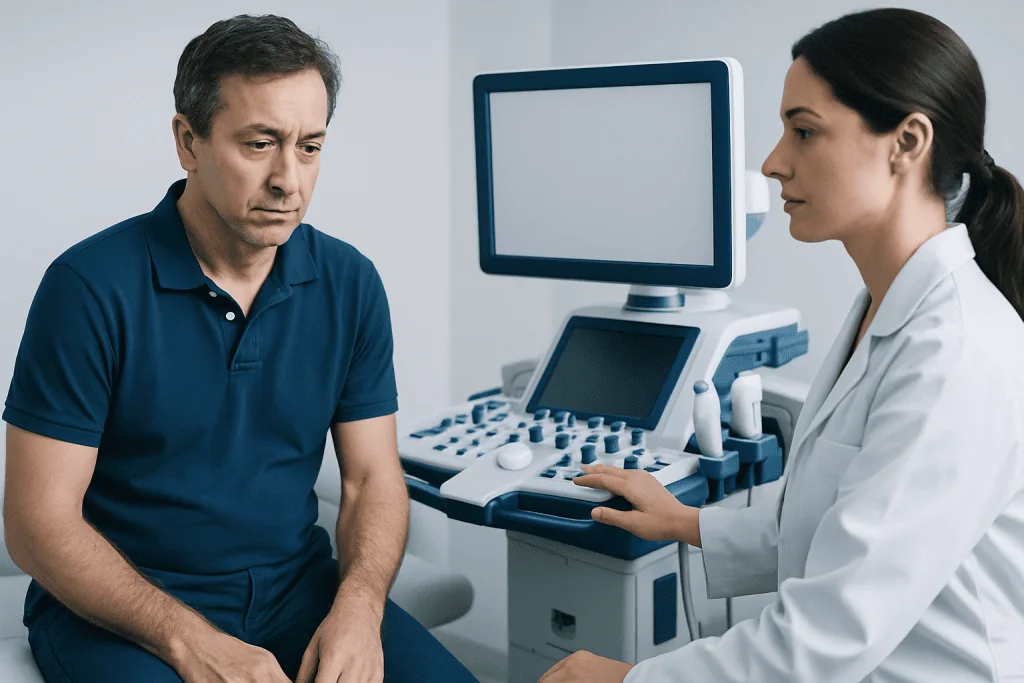
Dyskinesia symptoms can involve almost any body part, but the face, limbs, and trunk are common areas. Facial involvement may include repeated blinking, grimacing, lip-pursing, chewing-like motions, tongue movements, or jaw opening and closing. These symptoms can interfere with speaking, eating, or social comfort, even when they are physically mild.
In the arms and legs, dyskinesia may look like restlessness, twisting, sudden flowing motions, tapping, or irregular movements that change from moment to moment. Some people describe a sense that their limbs are “moving on their own.” Limb dyskinesia can make writing, dressing, walking, or using the hands more difficult, especially if symptoms become frequent or intense.
When the trunk is affected, the body may sway, twist, arch, rock, or shift position without intention. Neck and shoulder movements may occur along with trunk symptoms. In some people, these motions are more bothersome than painful, but they can still affect posture, balance, fatigue levels, and daily activities. The severity can range from subtle and intermittent to disruptive enough to limit normal routines.
- Face: blinking, grimacing, lip-smacking, tongue or jaw movements
- Limbs: writhing, fidgeting, irregular arm or leg motions
- Trunk: rocking, twisting, swaying, arching movements
- Neck and shoulders: turning, shrugging, postural shifts
Causes and Risk Factors

One of the best-known causes of dyskinesia is treatment with levodopa in people living with Parkinson’s disease. Over time, some patients develop involuntary movements as the brain’s response to dopamine replacement changes. These episodes are often called levodopa-induced dyskinesias and may occur when medication levels are highest, though patterns differ from person to person. This can be part of the broader picture of Parkinson’s disease.
Another important cause is medication side effects. Some antipsychotic medicines, anti-nausea drugs, and other dopamine-blocking medications can lead to involuntary movements, including tardive dyskinesia. Tardive dyskinesia often affects the mouth, tongue, and face, but it may also involve the trunk and limbs. Risk can increase with longer exposure, older age, and certain neurological or psychiatric factors, although it can also occur in younger adults.
Less commonly, dyskinesia may be linked to other neurological conditions, brain injury, genetic disorders, or metabolic diseases. In children, causes can be different from those in adults and may require specialized evaluation. Risk factors depend on the underlying cause but may include a history of neurological illness, long-term use of specific medications, and changing medication doses. Because dyskinesia has several possible causes, self-diagnosis is often unreliable.
Diagnosis
Diagnosis starts with a detailed medical history and neurological examination. The doctor usually asks when the movements started, which body parts are involved, whether symptoms change during the day, and what medications the person takes. This medication review is very important because involuntary movements can be related to prescription drugs, timing of doses, or recent treatment changes.
It is often helpful for the person or family to bring videos of the movements, especially if symptoms are not present during the appointment. Doctors also look for clues that distinguish dyskinesia from tremor, dystonia, chorea, myoclonus, akathisia, or seizures. They may assess speech, gait, balance, posture, and facial expression to understand the full impact of symptoms.
In some cases, additional tests may be needed to look for an underlying neurological or metabolic cause. These can include blood tests, brain imaging, or referral to a movement disorders specialist. If Parkinson’s disease is suspected or already diagnosed, a specialist may review symptom timing in relation to medication and discuss whether advanced care options such as deep brain stimulation could be relevant in selected cases.
Treatment Options
Treatment depends on what is causing the dyskinesia and how much it affects daily life. When symptoms are related to medication, the doctor may adjust the dose, timing, or type of medicine. It is important not to stop or change neurological or psychiatric medication without medical guidance, because doing so may worsen the underlying condition or create withdrawal effects.
For Parkinson’s-related dyskinesia, management may include fine-tuning dopaminergic treatment, using additional medications, and addressing fluctuations between “on” and “off” periods. In some people, rehabilitation strategies and careful daily planning can reduce the burden of symptoms. For others with more complex symptoms, doctors may discuss Parkinson’s disease treatment options in a broader, personalized plan.
When dyskinesia is due to tardive dyskinesia or another drug-related cause, treatment may include reviewing whether the triggering medicine can be reduced, replaced, or balanced with another therapy. Specialists may also suggest targeted medications for symptom control. Supportive care can be helpful as well, including speech and swallowing support when facial and mouth movements are prominent, and physical therapy and rehabilitation to improve mobility, posture, and confidence with movement.
If symptoms are severe, persistent, or difficult to manage, referral to a neurologist with expertise in movement disorders can be valuable. Near the end of the care pathway, some patients seek multidisciplinary assessment at centers such as Acibadem International, where JCI-accredited hospitals and specialist teams evaluate and treat movement-related conditions for international patients.
Prevention and Self-care
Not all cases of dyskinesia can be prevented, but some practical steps may reduce risk or help detect symptoms early. People taking medicines known to affect dopamine signaling should have regular follow-up appointments and mention any new mouth, face, or limb movements promptly. Early recognition can make treatment changes easier and may prevent symptoms from becoming more troublesome.
Keeping a symptom diary can be useful, especially for people with Parkinson’s disease. Writing down when involuntary movements happen, how long they last, and whether they relate to medication timing, meals, stress, or fatigue can give the doctor valuable information. Short phone videos can also help document patterns that are hard to describe in words.
Self-care focuses on safety, comfort, and overall neurological health. Adequate sleep, regular activity within personal limits, stress reduction, and attention to nutrition may help some people cope better with symptoms, although these steps do not replace medical treatment. If speaking, swallowing, walking, or balance become difficult, professional assessment is important rather than trying to manage alone.
When to See a Doctor
Any new involuntary movement that lasts, recurs, or interferes with normal activities deserves medical attention. This is especially important if the person recently started or changed a medication, has Parkinson’s disease, or notices movements of the mouth and tongue that were not present before. A doctor can help determine whether the symptom is dyskinesia or another movement problem.
Prompt evaluation is also recommended if involuntary movements are causing falls, trouble eating, speech changes, social withdrawal, or emotional distress. Children, older adults, and people with multiple medical conditions may need earlier assessment because the causes can be more complex and symptoms may affect everyday function more quickly.
Urgent medical care is needed if abnormal movements come with sudden weakness, confusion, severe headache, fever, loss of consciousness, breathing difficulty, or signs of a serious drug reaction. While many causes of dyskinesia are manageable, safe treatment begins with the correct diagnosis and a plan tailored to the individual.
Frequently asked questions
What is the difference between dyskinesia and tremor?
Dyskinesia usually refers to irregular, involuntary movements such as writhing, twisting, or fidgeting. Tremor is more rhythmic and repetitive, often appearing as shaking of the hands, head, or other body parts. A doctor can help distinguish between them because the causes and treatments may differ.
Can dyskinesia affect only the face?
Yes. In some people, dyskinesia mainly affects facial muscles and may cause blinking, grimacing, lip-smacking, chewing-like movements, or tongue motions. Even when limited to the face, symptoms can still affect speech, eating, or social comfort.
Is dyskinesia always caused by Parkinson’s disease?
No. Parkinson’s disease is one well-known setting in which dyskinesia can occur, especially with long-term levodopa therapy, but it is not the only cause. Certain medications, other neurological disorders, and less common metabolic or genetic conditions can also lead to involuntary movements.
Can dyskinesia go away?
Sometimes it can improve, especially if it is related to a medication that can be adjusted under medical supervision. In other cases, symptoms may persist but become more manageable with specialist care, rehabilitation, and changes in treatment. The outlook depends on the underlying cause.
Should someone stop their medication if dyskinesia starts?
No, medicines should not be stopped suddenly unless a doctor specifically advises it. Abrupt changes can worsen the underlying condition or cause withdrawal problems. The safest step is to contact the prescribing doctor and discuss the symptoms promptly.
How is tardive dyskinesia different from other types of dyskinesia?
Tardive dyskinesia is a specific type of involuntary movement usually linked to exposure to dopamine-blocking medications, such as some antipsychotic or anti-nausea drugs. It commonly affects the mouth, tongue, and face, though other body parts can be involved. Diagnosis and treatment are based on medication history and clinical assessment.
References
- National Institute of Neurological Disorders and Stroke
- National Institute for Health and Care Excellence
- American Academy of Neurology
- Parkinson's Foundation
- MedlinePlus
This article is for general information only and is not a substitute for professional medical advice. Please consult a qualified doctor about your individual situation.
Explore treatments in Turkey — costs, top hospitals & a free quote
JCI-accredited · board-certified surgeons · reply within 24h
Add us as a Preferred Source to see more of our trusted health content across Google Search, AI Overviews and Discover.

Neurology
Diagnosis and treatment of disorders of the brain, spinal cord, nerves and muscles.
51 specialists in this unit