Early Breast Cancer Therapy: How It Works, Results and What to Expect
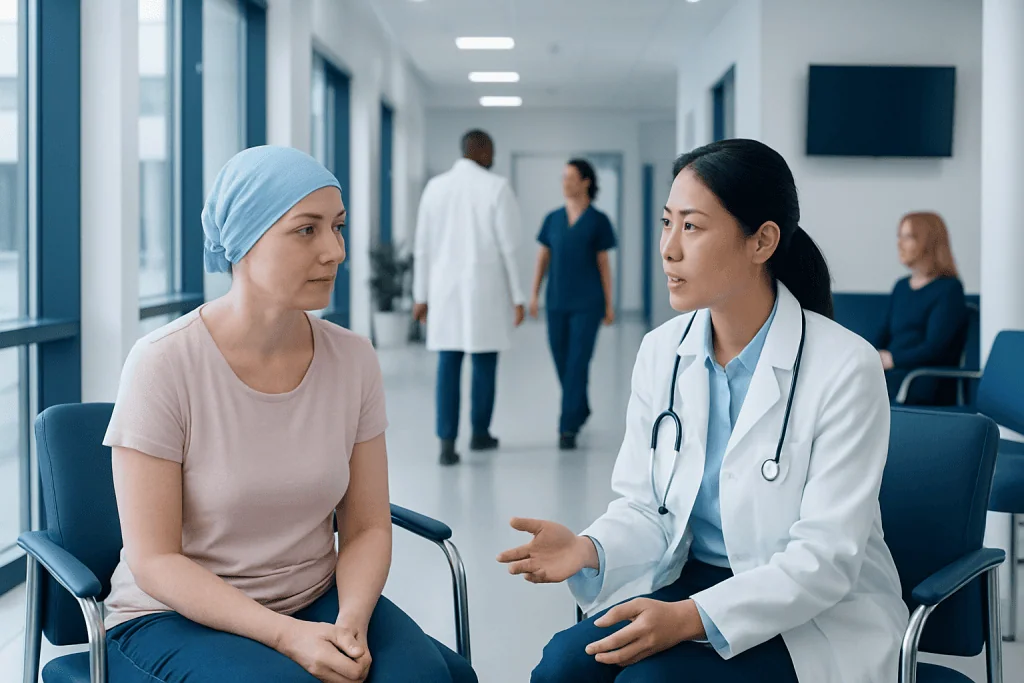
Early breast cancer is often treated with the goal of cure and reducing the chance of recurrence. Surgery is usually the first local treatment, followed by additional therapy when it can provide meaningful benefit.
Key Takeaways
- Early breast cancer is often treated with the goal of cure and reducing the chance of recurrence.
- Surgery is usually the first local treatment, followed by additional therapy when it can provide meaningful benefit.
- Treatment decisions are guided by cancer stage, tumor biology, lymph node findings, genetic tests, and personal preferences.
- Some people need chemotherapy before surgery, while others can safely avoid it after individualized assessment.
- Recovery involves physical healing, follow-up imaging, emotional support, and long-term treatment planning when indicated.
Early breast cancer therapy is personalized treatment for cancer that is confined to the breast or nearby lymph nodes and has not spread to distant organs. It commonly includes surgery and may include radiation, hormone therapy, chemotherapy, targeted therapy, or immunotherapy depending on the tumor’s features and the person’s overall health.
Overview: how early breast cancer therapy works
Early breast cancer therapy treats cancer that is limited to the breast and, in some cases, nearby lymph nodes. The overall aim is to remove or destroy the known cancer and reduce the likelihood that microscopic cancer cells could cause a recurrence later. For many people, treatment is planned with curative intent.
Care is usually delivered by a multidisciplinary team that may include breast surgeons, medical oncologists, radiation oncologists, radiologists, pathologists, genetic counselors, nurses, and rehabilitation specialists. The sequence is individualized: surgery may come first, or medication treatment may be given before surgery when shrinking the tumor or assessing its response would help guide care.
Early breast cancer therapy is not one single procedure. It is a coordinated plan of local treatments, such as surgery and radiation therapy, and systemic treatments that circulate through the body, such as hormone therapy, chemotherapy, targeted therapy, or immunotherapy. The recommended combination depends on the cancer’s subtype and a person’s clinical circumstances.
What does early breast cancer treatment look like?
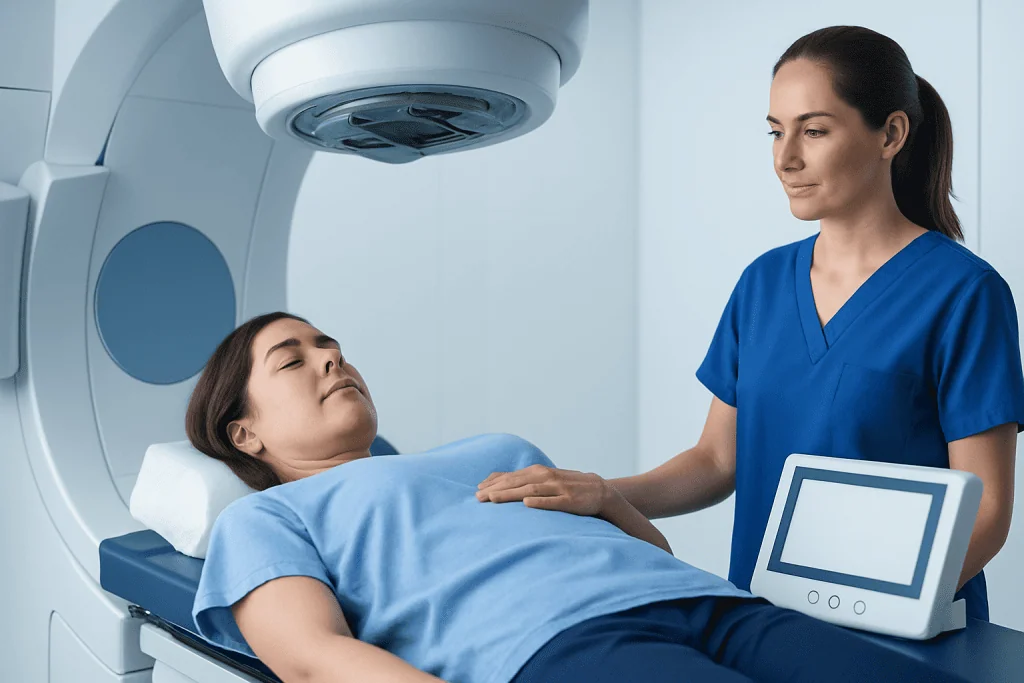
Most treatment plans begin with detailed testing of a biopsy sample. Pathology identifies whether the cancer has hormone receptors for estrogen or progesterone, whether it is HER2-positive, and other features such as grade and cell growth rate. Imaging and lymph node assessment help establish the stage and support treatment planning.
For many patients, the pathway includes breast-conserving surgery, also called lumpectomy, followed by radiation therapy. Another option is mastectomy, which removes all breast tissue; radiation is still advised for some people after mastectomy, particularly when lymph nodes are involved or other risk factors are present. Reconstruction may be considered immediately or later, but it is a personal choice and is not required for effective cancer treatment.
Systemic treatment may be recommended before or after surgery. Hormone receptor-positive cancers are commonly treated with endocrine therapy. HER2-positive cancers may be treated with HER2-targeted medicines, often alongside chemotherapy. Triple-negative breast cancer may be treated with chemotherapy, and selected cases may also involve immunotherapy. The team weighs expected benefit against possible side effects, health conditions, fertility wishes, and patient priorities.
- Local therapy: surgery and, when indicated, radiation therapy.
- Systemic therapy: hormone therapy, chemotherapy, targeted therapy, and sometimes immunotherapy.
- Supportive care: symptom management, physical rehabilitation, nutrition guidance, and emotional support throughout treatment.
What does stage 1 breast cancer treatment look like?
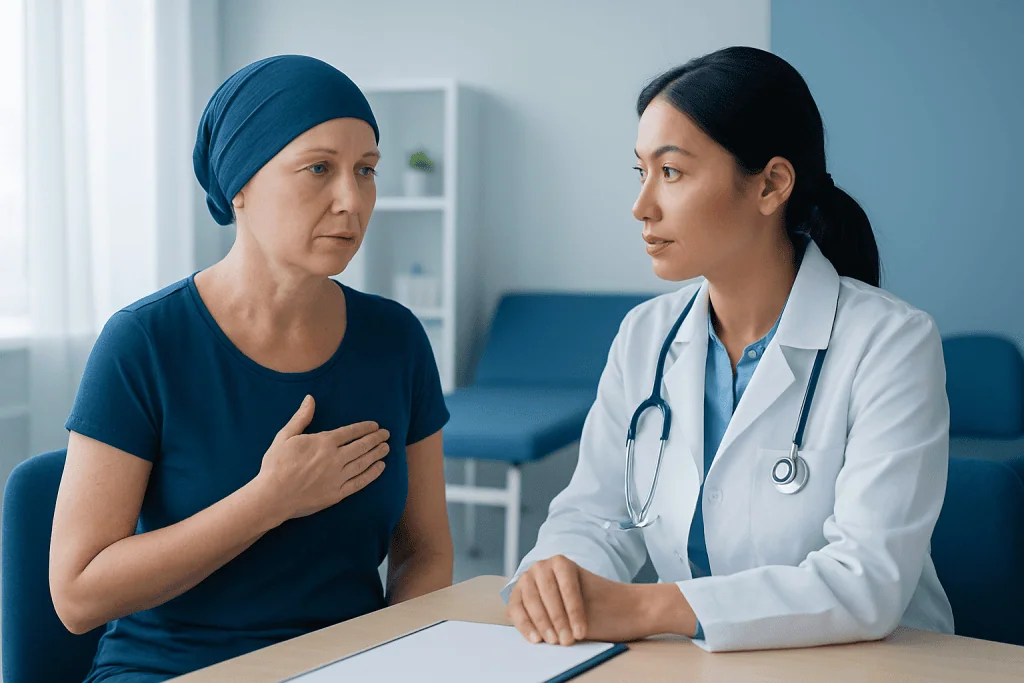
Stage 1 breast cancer is generally a small invasive cancer with no lymph node involvement or only very limited involvement, depending on the staging system and tumor biology. Treatment often starts with surgery to remove the tumor. Many people are candidates for breast-conserving surgery followed by radiation, while mastectomy may be appropriate for some tumor locations, breast size considerations, genetic risks, or personal preferences.
During surgery, the team may perform a sentinel lymph node biopsy. This procedure checks the first lymph nodes most likely to receive drainage from the tumor, helping determine whether cancer cells have reached the underarm lymph nodes. It usually avoids the need for removal of many lymph nodes when the sentinel nodes are clear.
After surgery, the pathology report refines the treatment plan. Radiation is typically recommended after lumpectomy. For hormone receptor-positive stage 1 cancer, endocrine therapy is often advised. Chemotherapy is not needed for every stage 1 cancer; tumor size, grade, HER2 status, lymph node findings, and genomic assays for suitable hormone receptor-positive cancers can help estimate whether chemotherapy is likely to add benefit.
Candidacy and planning before treatment
Nearly everyone with early breast cancer benefits from a carefully planned treatment discussion, but the precise approach differs from person to person. The team considers tumor size, location, number of tumors, lymph node status, receptor status, HER2 status, grade, imaging findings, and results of any genomic or genetic testing. Age alone does not determine treatment; overall health, daily functioning, and individual goals are also important.
Some people receive medication before surgery, known as neoadjuvant therapy. This may be recommended for larger tumors, cancers involving lymph nodes, HER2-positive disease, or triple-negative disease. It can reduce tumor size, make breast-conserving surgery more feasible, and show how the cancer responds to treatment. The findings at surgery may then help guide further therapy.
Before treatment begins, patients may have blood tests, imaging, heart assessments when certain medications are planned, and discussions about fertility preservation if future pregnancy is important. Inherited genetic testing may be suggested when personal or family history raises concern for an inherited cancer syndrome. These assessments help make treatment safer and more personalized.
Step by step: surgery, medicines, and radiation
The first practical step is usually confirmation of diagnosis by core needle biopsy, followed by staging and treatment planning. A breast surgeon and oncology team review imaging and pathology with the patient. If surgery is first, the operation may be lumpectomy or mastectomy, often with sentinel lymph node biopsy. Surgical margins and lymph node results are reviewed after the operation to determine whether more surgery or additional treatments are needed.
When chemotherapy, targeted therapy, or immunotherapy is given before surgery, treatment is delivered in planned cycles with regular monitoring. Surgery follows after the planned course, provided the person is ready for the operation. Some medication treatments continue after surgery, especially endocrine therapy and, in appropriate cases, HER2-targeted therapy.
Radiation therapy is commonly delivered after healing from lumpectomy and after chemotherapy if chemotherapy is part of the plan. It uses carefully planned external beams to treat the breast and sometimes nearby lymph node regions. Treatment schedules vary; the radiation oncology team explains the expected number of visits, skin care, and follow-up. A structured breast cancer treatment plan can help patients understand how these components fit together.
What to expect from the first chemo treatment for breast cancer
A first chemotherapy visit typically includes a review of the treatment plan, recent blood test results, medicines, allergies, and any new symptoms. Before chemotherapy begins, a nurse may give fluids and medications to help prevent nausea or allergic reactions. The chemotherapy itself may be given through a vein in the arm or through a central venous access device, depending on the regimen and expected treatment duration.
Many people do not feel immediate major side effects during the infusion, although this varies by medication. Staff monitor for reactions and explain who to contact after leaving. Common effects in the days after treatment can include tiredness, nausea, appetite or taste changes, bowel changes, mouth soreness, hair thinning or loss with some regimens, and lower blood cell counts. Not everyone experiences the same effects, and supportive medications can often help.
It is important to contact the oncology team promptly for fever, chills, shortness of breath, chest pain, uncontrolled vomiting or diarrhea, unusual bleeding, severe pain, or signs of an allergic reaction. Patients should not start vitamins, herbal products, or over-the-counter medicines without checking with their care team, as some products can interact with cancer treatment.
Recovery timeline, benefits, and possible risks
Recovery differs according to the treatments received. After a lumpectomy, many people resume light activities within days to a few weeks, although soreness and fatigue can last longer. Mastectomy and reconstruction generally require a longer recovery period. The surgical team provides individualized advice about wound care, arm movement, lifting, driving, work, and when to return to exercise.
Radiation-related tiredness and skin changes usually develop gradually during treatment and often improve in the weeks afterward. Chemotherapy effects vary by regimen and cycle; blood counts and energy commonly recover between cycles, though fatigue can accumulate. Endocrine therapy is often taken for years and may cause symptoms such as hot flashes, joint discomfort, or vaginal dryness, which should be discussed rather than simply endured.
The key benefit of combined therapy is lower risk of local recurrence and, for selected treatments, lower risk of cancer returning elsewhere in the body. Possible risks include surgical infection or bleeding, numbness, shoulder stiffness, lymphedema after lymph node treatment, radiation skin changes, treatment-related fatigue, and medicine-specific side effects. Follow-up care focuses on detecting concerns early and supporting quality of life.
How much time does breast cancer take from stage 1 to 4?
There is no reliable fixed timeline for breast cancer to progress from stage 1 to stage 4. Breast cancers vary substantially in their biology: some grow slowly over years, while others may grow or spread more quickly. Stage at diagnosis reflects what can be detected at that time, not a predictable clock for what will happen next.
Modern treatment is designed to prevent progression and recurrence. A stage 1 diagnosis does not mean that progression to stage 4 is expected; many people with early breast cancer are successfully treated and remain free of recurrence. Tumor subtype, grade, lymph node involvement, response to treatment, and completion of recommended therapy all influence outlook.
Patients who are worried about a new breast change, a symptom that persists, or a delay in care should speak with a clinician rather than trying to estimate progression based on online timelines. Prompt assessment allows appropriate imaging and treatment decisions to be made on the available clinical evidence.
When to seek medical care
A person should arrange medical assessment for a new breast lump, persistent focal breast pain, skin dimpling, nipple inversion that is new, bloody nipple discharge, swelling in the breast or underarm, or a breast change that does not resolve. These symptoms often have non-cancer causes, but evaluation is important. People already receiving treatment should report new or worsening symptoms to their oncology team.
Urgent medical advice is needed during chemotherapy or other immune-suppressing treatment for fever, shaking chills, severe weakness, difficulty breathing, chest pain, confusion, uncontrolled vomiting, significant dehydration, or unusual bleeding. The treating team will provide specific emergency contact instructions and thresholds based on the treatment regimen.
Follow-up after early breast cancer treatment commonly includes clinical visits and mammography of remaining breast tissue at intervals recommended by the care team. Routine scans or blood tests to look for recurrence are not required for everyone without symptoms. Acibadem International’s multidisciplinary specialists and JCI-accredited hospitals provide assessment and treatment planning for international patients with early breast cancer.
Frequently asked questions
Can early breast cancer be cured?
Many cases of early breast cancer are treated with curative intent. The outlook depends on tumor biology, stage, response to treatment, and other individual factors. The care team can explain the expected benefit of each recommended treatment in the context of the patient’s diagnosis.
Is chemotherapy always needed for early breast cancer?
No. Chemotherapy is recommended when it is expected to provide meaningful benefit, but many people with early breast cancer do not need it. Tumor subtype, size, grade, lymph node results, and sometimes genomic testing help guide this decision.
Can breast-conserving surgery be as effective as mastectomy?
For many appropriately selected patients, lumpectomy followed by radiation therapy provides survival outcomes comparable to mastectomy. The best choice depends on the tumor, breast anatomy, ability to receive radiation, genetic factors, and personal preferences.
How long does early breast cancer treatment take?
The active treatment period may range from several weeks to many months, depending on the sequence of surgery, chemotherapy, radiation, and targeted therapy. Hormone therapy, when indicated, is usually taken for a longer period after the initial treatment phase.
What happens after treatment for early breast cancer ends?
After active treatment, patients continue follow-up visits to address recovery, medication side effects, surveillance imaging, and long-term health needs. Rehabilitation, counseling, and support for menopausal symptoms, fertility, body image, or anxiety can also be part of survivorship care.
Does a stage 1 breast cancer diagnosis mean the cancer will spread?
No. Stage 1 means the cancer is early at the time of diagnosis and does not mean spread is inevitable. Timely, individualized treatment is intended to remove the cancer and reduce the chance of recurrence or distant spread.
References
- National Cancer Institute
- American Cancer Society
- American Society of Clinical Oncology
- National Comprehensive Cancer Network
- World Health Organization
This article is for general information only and is not a substitute for professional medical advice. Please consult a qualified doctor about your individual situation.
Breast Cancer in Turkey — costs, top hospitals & a free quote
JCI-accredited · board-certified surgeons · reply within 24h
Add us as a Preferred Source to see more of our trusted health content across Google Search, AI Overviews and Discover.

Medical Oncology Department
Medical treatment of cancer with chemotherapy, immunotherapy and targeted therapies under a multidisciplinary tumor board.
60 specialists in this unit