Early Warning Signs of Mental Health Problems: When to See a Doctor

Persistent changes in mood, sleep, appetite, concentration, or behavior can be early signs of a mental health problem. Symptoms that last more than a couple of weeks or interfere with work, school, relationships, or self-care should be evaluated by a doctor.
Key Takeaways
- Persistent changes in mood, sleep, appetite, concentration, or behavior can be early signs of a mental health problem.
- Symptoms that last more than a couple of weeks or interfere with work, school, relationships, or self-care should be evaluated by a doctor.
- Mental health symptoms can have medical, psychological, social, or substance-related causes, so a full assessment is important.
- Early support may include lifestyle changes, talking therapies, medication, or referral to a mental health specialist.
- Urgent help is needed for thoughts of self-harm, suicidal thinking, severe confusion, or loss of touch with reality.
Early warning signs of mental health problems often appear as lasting changes in mood, sleep, energy, thinking, or daily functioning. Recognizing these symptoms early can help a person get support, clarify the cause, and start appropriate treatment sooner.
Overview
Early warning signs of mental health problems are changes in thoughts, emotions, behavior, or physical well-being that suggest a person may be developing a condition such as anxiety, depression, trauma-related illness, bipolar disorder, or another mental health disorder. These signs are often subtle at first. A person may simply feel “not like themselves,” find daily tasks harder than usual, or notice that stress is affecting sleep, mood, or concentration more than before.
Mental health problems are common and treatable. Many symptoms improve with early recognition, supportive care, and evidence-based treatment. Because mental and physical health are closely connected, emotional symptoms can also be linked to medical conditions, medication side effects, hormonal changes, or substance use. This is one reason professional evaluation matters.
Not every difficult week means a mental illness is present. People can have short-term stress, grief, or fatigue without developing a disorder. In general, warning signs become more concerning when they are persistent, increase in intensity, or begin to affect work, school, relationships, safety, or self-care.
Common Early Signs and Symptoms
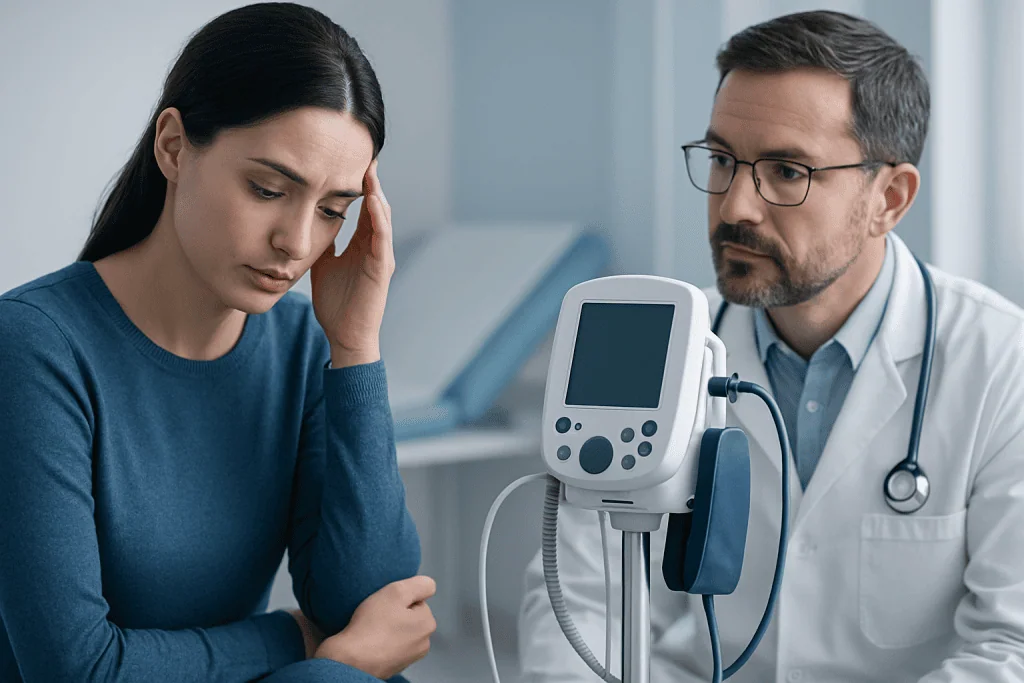
Early symptoms vary from person to person, but several patterns are common. Mood changes may include ongoing sadness, emptiness, irritability, excessive worry, sudden tearfulness, or a loss of interest in activities that previously felt enjoyable. Some people feel emotionally numb rather than obviously upset. Others notice unusually high energy, racing thoughts, decreased need for sleep, or impulsive behavior, which can also signal a mental health concern.
Changes in thinking and daily function are also important. A person may struggle to concentrate, forget routine tasks, feel mentally slowed down, or become indecisive. School or work performance may decline. Social withdrawal, avoiding messages or gatherings, neglecting responsibilities, or losing motivation for basic activities such as eating, showering, or keeping appointments can be early signs that professional support is needed.
Physical and behavioral symptoms often accompany emotional distress. These may include sleep problems, appetite changes, unexplained fatigue, headaches, stomach upset, body tension, restlessness, increased use of alcohol or drugs, or frequent emotional outbursts. Symptoms can overlap with depression or anxiety disorders, but they can also occur in many other conditions.
- Persistent low mood or increased irritability
- Excessive fear, panic, or constant worry
- Sleep changes, including insomnia or oversleeping
- Loss of interest, motivation, or pleasure
- Difficulty concentrating or remembering
- Changes in appetite, energy, or personal care
- Social withdrawal or conflict with others
- Misusing alcohol, drugs, or medications to cope
Causes and Risk Factors

Mental health problems rarely have a single cause. Instead, they usually arise from a combination of biological, psychological, and social factors. Family history can increase vulnerability, as can certain personality traits, chronic stress, trauma, major life changes, loneliness, and financial or relationship difficulties. Sleep deprivation and ongoing physical illness may also play a significant role.
Age and life stage can influence how symptoms appear. Children and teenagers may show irritability, school avoidance, or behavior changes rather than openly describing sadness or anxiety. Adults may notice burnout, substance misuse, or relationship difficulties. Older adults may experience memory complaints, apathy, or social isolation, which can overlap with medical causes and should not be dismissed as a normal part of aging.
Some medical conditions can mimic or worsen mental health symptoms. Thyroid disease, vitamin deficiencies, chronic pain, neurological conditions, infections, hormonal changes, and side effects from medications may all contribute. Alcohol and recreational drugs can both trigger and mask symptoms. Because of this, a careful medical review is often part of mental health assessment.
When to See a Doctor
A doctor should be consulted when changes in mood, behavior, sleep, or thinking last more than two weeks, keep returning, or interfere with daily life. This includes difficulty coping at work or school, relationship strain, avoiding normal activities, struggling to care for personal needs, or relying on substances to manage emotions. Seeking help early does not mean symptoms are severe; it means they deserve attention and support.
It is also important to seek assessment when family members or close friends notice concerning changes, even if the person affected is unsure. Outside observations can be valuable because people do not always recognize gradual shifts in themselves. New symptoms after childbirth, major bereavement, trauma, or a significant medical illness should also be discussed with a qualified clinician.
Urgent medical help is needed if there are thoughts of self-harm or suicide, self-injury, hearing or seeing things that others do not, severe agitation, inability to sleep for days, extreme confusion, or behavior that suggests loss of contact with reality. In these situations, emergency services or immediate crisis support should be used.
How Mental Health Problems Are Diagnosed
Diagnosis usually begins with a conversation about symptoms, how long they have been present, and how they affect day-to-day life. A doctor may ask about mood, anxiety, sleep, appetite, concentration, stressors, trauma, substance use, and medical history. They may also ask whether there is any family history of mental health conditions. This information helps identify patterns and possible contributing factors.
There is no single blood test or scan that diagnoses most mental health disorders. However, doctors may recommend physical examination or tests when needed to rule out other causes such as thyroid problems, anemia, vitamin deficiency, infection, or medication-related effects. Questionnaires may also be used to screen for symptoms and monitor progress over time.
Depending on the findings, the doctor may diagnose a specific condition, monitor symptoms over time, or refer the person to a psychologist, psychiatrist, or another mental health professional. In some cases, symptoms are part of a broader medical or neurological issue and require coordinated care. A thorough evaluation helps guide appropriate treatment rather than guessing based on symptoms alone.
Treatment Options and Support
Treatment depends on the type of symptoms, their severity, the person’s preferences, and whether there are coexisting medical issues. Many people benefit from psychological therapies, practical support, and healthy lifestyle changes. Talking treatments can help a person understand triggers, develop coping skills, improve emotional regulation, and change unhelpful thought patterns. For some, a doctor may recommend psychotherapy as a first step.
Medication may be appropriate for certain conditions, especially when symptoms are moderate to severe, long-lasting, or interfering significantly with daily life. A clinician will weigh benefits, possible side effects, and any other health conditions before prescribing. Follow-up is important, because mental health treatment often needs adjustment over time.
Support may also include stress management, better sleep routines, reducing alcohol or drug use, family education, and treatment of related conditions such as panic attacks. Some people benefit from a team approach that may include primary care doctors, psychiatrists, psychologists, and social workers. Near the end of the care pathway, some international patients choose centers such as Acibadem International, where multidisciplinary specialists in JCI-accredited hospitals assess and treat mental health concerns in coordination with other medical needs.
Self-care, Prevention, and Supporting a Loved One
Self-care cannot replace professional treatment, but it can support recovery and reduce the impact of stress. Helpful measures include maintaining regular sleep and wake times, eating balanced meals, staying physically active, limiting alcohol and recreational drugs, and making time for social connection. Small routines often matter more than dramatic changes. When concentration is poor, breaking tasks into manageable steps can make daily life feel more achievable.
Prevention is not always possible, but protective habits can improve resilience. Learning healthy coping skills, seeking help early after trauma or major stress, and staying connected with family, friends, or community can all help. Managing long-term medical conditions and reviewing medications with a doctor may also reduce contributing factors.
If a loved one seems to be struggling, a calm and nonjudgmental conversation can make a difference. It is usually more helpful to mention specific changes noticed than to argue about labels. Encouraging professional assessment, offering to help with appointments, and responding quickly to signs of crisis are practical ways to provide support.
Frequently asked questions
How long should mental health symptoms last before seeing a doctor?
A doctor should be consulted if symptoms last more than two weeks, keep returning, or begin to affect daily life. It is also reasonable to seek help sooner if the symptoms feel intense, confusing, or difficult to manage.
Can physical symptoms be a sign of a mental health problem?
Yes. Anxiety, depression, and stress can contribute to headaches, stomach upset, fatigue, muscle tension, sleep problems, and appetite changes. Because these symptoms can also have medical causes, a proper assessment is important.
What is the difference between normal stress and a mental health condition?
Normal stress usually improves as the situation changes and does not cause lasting impairment. A mental health condition is more likely when symptoms persist, worsen, or interfere with work, relationships, sleep, self-care, or safety.
Should someone seek help even if they are not sure what they are feeling?
Yes. Many people find it hard to describe emotional changes at first. A doctor or mental health professional can help identify patterns, rule out physical causes, and decide whether further support is needed.
Are early mental health symptoms treatable?
In many cases, yes. Early symptoms often respond well to supportive care, psychological therapies, lifestyle changes, and, when appropriate, medication. Early treatment can also help reduce the risk of symptoms becoming more disruptive.
When is mental health care considered urgent?
Urgent help is needed for suicidal thoughts, self-harm, severe confusion, hallucinations, extreme agitation, or behavior suggesting loss of touch with reality. In these situations, emergency services or immediate crisis support should be contacted right away.
References
- World Health Organization
- National Institute of Mental Health
- American Psychiatric Association
- National Health Service
- Centers for Disease Control and Prevention
This article is for general information only and is not a substitute for professional medical advice. Please consult a qualified doctor about your individual situation.
Explore treatments in Turkey — costs, top hospitals & a free quote
JCI-accredited · board-certified surgeons · reply within 24h
Add us as a Preferred Source to see more of our trusted health content across Google Search, AI Overviews and Discover.