

Eating Difficulties After Gastric Sleeve: What’s Normal and What Isn’t

Small portions, early fullness, and temporary food intolerance are common after gastric sleeve surgery. Eating too quickly, taking large bites, or drinking with meals can worsen discomfort.
Key Takeaways
- Small portions, early fullness, and temporary food intolerance are common after gastric sleeve surgery.
- Eating too quickly, taking large bites, or drinking with meals can worsen discomfort.
- Persistent vomiting, trouble keeping liquids down, severe pain, or dehydration are warning signs.
- Following the staged post-operative diet helps healing and reduces symptoms.
- Regular follow-up is important to check nutrition, hydration, and possible complications.
Eating can feel very different after gastric sleeve surgery, especially in the first weeks and months of recovery. Some changes are expected as the stomach heals, but ongoing pain, repeated vomiting, or signs of dehydration are not and should be assessed by a doctor.
Overview: Why Eating Feels Different After Gastric Sleeve
Gastric sleeve surgery reduces the size of the stomach, so eating patterns change significantly afterward. The new stomach holds much less food, and it can feel full very quickly. Because of this, many people notice pressure in the chest or upper abdomen, nausea if they eat too fast, and difficulty tolerating some foods during recovery.
In the early healing phase, these changes are usually expected. Swelling around the surgical area can temporarily make swallowing and eating feel slower or less comfortable. The digestive system also needs time to adjust to new portion sizes, new eating habits, and a staged diet that typically moves from liquids to pureed foods and then to soft and regular textures.
However, not every eating problem is part of normal healing. Persistent vomiting, severe pain, inability to drink enough fluids, or symptoms that get worse instead of better may suggest a complication or a nutritional issue. Understanding what is typical and what is not can help patients recover more safely and seek help promptly when needed.
What Is Usually Normal During Recovery
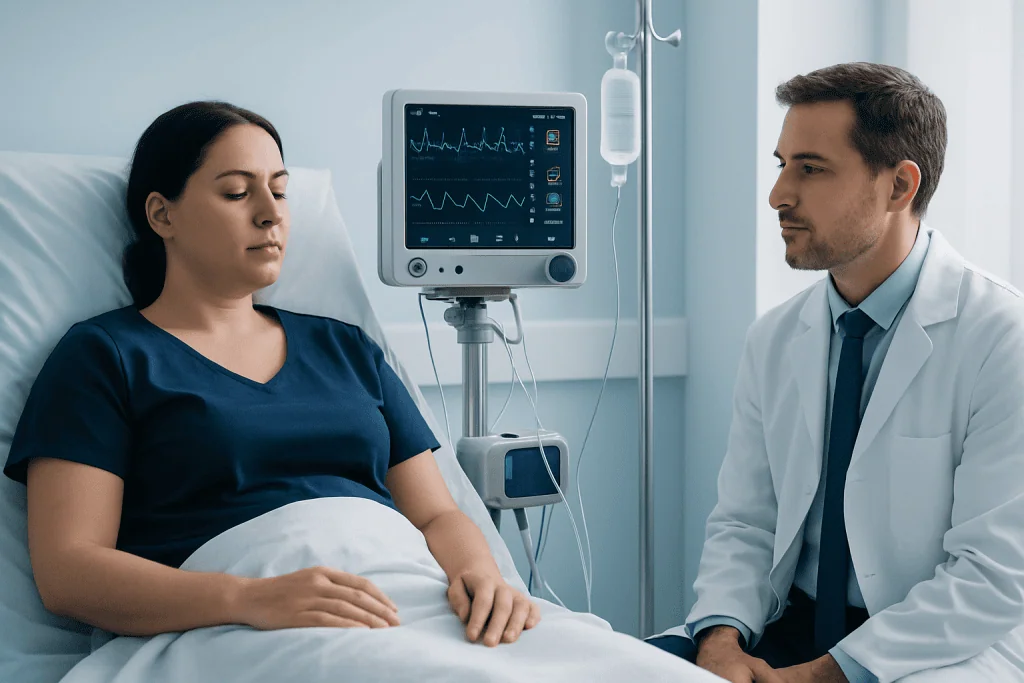
During the first days and weeks after surgery, it is common to feel full after only a few sips or bites. Mild nausea can happen if meals are too large or taken too quickly. Some people also notice pressure, hiccups, burping, or a feeling that food is “stuck” when they do not chew enough.
Temporary intolerance to certain foods is also common. Dense meats, bread, rice, pasta, raw vegetables, and dry foods may be harder to tolerate early on. Many patients do better with moist, soft, protein-rich foods as the stomach continues to heal.
Appetite may also change. Hunger can be much lower than before surgery, and some foods may smell or taste different for a period of time. These changes are often part of recovery, but patients still need to focus on steady hydration and adequate protein intake.
- Feeling full very quickly
- Needing very small portions
- Mild nausea if eating too fast
- Discomfort with dry, tough, or bulky foods
- Temporary changes in taste or appetite
What Is Not Normal and May Need Medical Attention
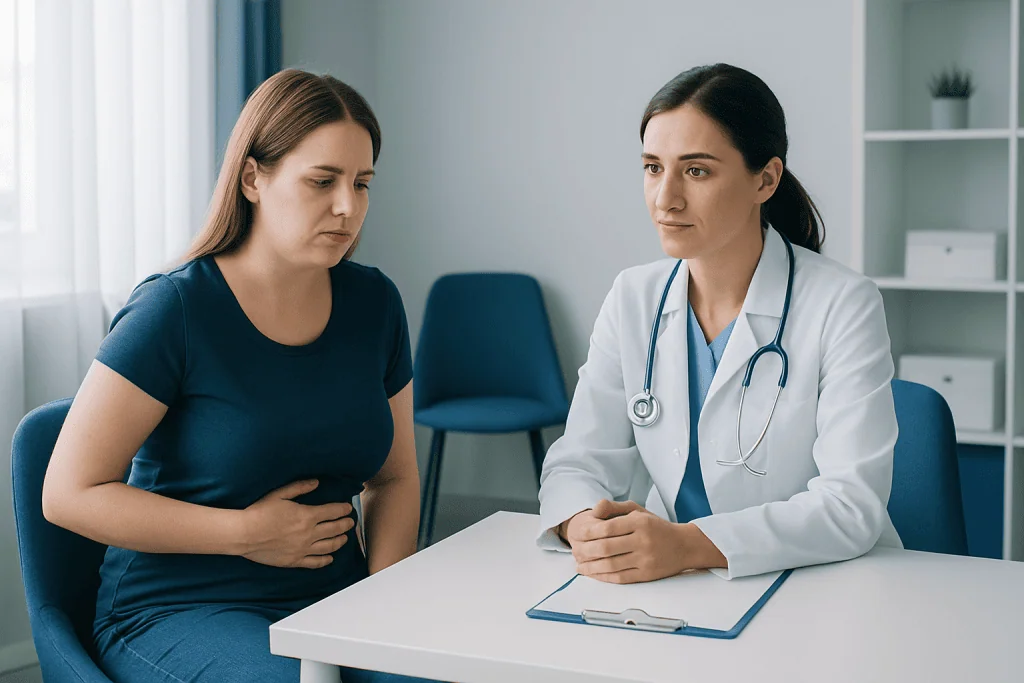
Some symptoms should not be ignored. Repeated vomiting, especially if it happens even with liquids, is not considered a normal part of recovery. This can lead to dehydration and may signal a narrowing of the stomach, swelling that has not improved, or another post-operative problem.
Severe or worsening abdominal pain, pain with swallowing that does not improve, fever, rapid heartbeat, or difficulty keeping down fluids also need prompt medical review. Black stools, vomiting blood, or sudden chest pain require urgent assessment.
Longer-term problems can include reflux, vitamin and mineral deficiencies, and difficulty meeting protein or fluid goals. If a person is losing weight very rapidly while barely able to eat, feels weak or dizzy, or develops signs of malnutrition, the surgical team should be informed. In some cases, symptoms may be related to a structural issue that needs investigation after gastric sleeve surgery.
Common Causes of Eating Difficulties After Surgery
The most common reason for discomfort after gastric sleeve is eating behavior rather than a serious complication. Taking large bites, not chewing thoroughly, eating too quickly, or eating past fullness can all cause pain, nausea, regurgitation, or vomiting. Drinking liquids with meals may also overfill the small stomach and make symptoms worse.
Food texture matters as well. Dry chicken, bread, fibrous vegetables, and dense starches can be hard to tolerate early on. Introducing regular foods too soon may irritate the healing stomach or trigger vomiting. That is why following the staged diet recommended by the bariatric team is so important.
There can also be medical causes. Narrowing of the sleeve, inflammation, ulcers, reflux, constipation, gallbladder issues, and less commonly a leak or obstruction can affect eating. Some patients who continue to have upper abdominal symptoms may need evaluation for related digestive conditions such as gastroesophageal reflux disease or other problems affecting the stomach and esophagus.
How Doctors Evaluate the Problem
Assessment usually begins with a careful review of symptoms, the timeline since surgery, current diet stage, fluid intake, and eating habits. The doctor may ask whether symptoms happen with solids only or with liquids as well, whether there is heartburn, whether the patient is meeting protein goals, and whether there are signs of dehydration such as dark urine or dizziness.
Blood tests may be used to check hydration status, electrolyte balance, and nutritional markers. Depending on the symptoms, imaging or endoscopy may be recommended. These tests can help identify narrowing, ulcers, reflux-related irritation, obstruction, or other structural causes.
If symptoms are persistent or severe, referral to specialists may be needed. Evaluation may involve a bariatric surgeon, gastroenterologist, and dietitian working together. In some situations, further testing linked to gastroenterology care or upper digestive tract assessment can clarify why eating remains difficult.
Treatment and Practical Ways to Improve Eating
Treatment depends on the cause. If symptoms are related to eating habits, the main approach is to slow down and simplify meals. Patients are often advised to take tiny bites, chew thoroughly, pause between bites, stop at the first sign of fullness, and avoid drinking at the same time as meals. Choosing moist, soft, protein-rich foods can also make eating easier.
If reflux, irritation, or nausea is contributing, the doctor may recommend medications or temporary diet changes. If there is a structural problem such as narrowing, additional treatment may be needed. In selected cases, endoscopic treatment or another procedure can help restore comfortable eating. Ongoing support after bariatric surgery often includes nutritional guidance and regular follow-up.
Useful self-care strategies include:
- Eat 5 to 6 very small meals instead of larger ones
- Chew each bite well and eat slowly
- Avoid dry, tough, sticky, or bulky foods until tolerated
- Separate fluids from meals if advised by the care team
- Prioritize protein and hydration goals every day
- Keep a food and symptom diary to identify triggers
If there are signs of malnutrition, dehydration, or persistent intolerance, medical treatment should not be delayed. Some patients benefit from a structured review by the surgical team and dietitian to safely progress their diet.
Prevention, Nutrition, and Long-Term Self-Care
The best way to prevent eating difficulties is to follow the post-operative nutrition plan closely. Advancing from clear liquids to full liquids, pureed foods, soft foods, and then regular textures should happen only as advised by the bariatric team. Rushing this process increases the chance of nausea, vomiting, and poor tolerance.
Long-term success also depends on balanced nutrition. Even when appetite is low, protein, fluids, and prescribed vitamin and mineral supplements remain essential. Regular blood tests help identify deficiencies early, especially in iron, vitamin B12, folate, vitamin D, and other nutrients that may become low after weight-loss surgery.
Healthy habits make a difference over time. Avoiding carbonated drinks, limiting alcohol, and being careful with high-sugar or high-fat foods may reduce discomfort. People who develop severe ongoing reflux, new swallowing difficulty, or symptoms similar to stomach ulcer should speak with their doctor rather than trying to manage everything alone.
When to See a Doctor
A doctor should be contacted if eating problems are frequent, worsening, or preventing adequate hydration and nutrition. This includes vomiting more than once, repeated regurgitation, painful swallowing, significant weakness, reduced urination, dizziness, or inability to meet fluid goals. Early medical advice can help prevent complications.
Urgent evaluation is especially important for severe abdominal pain, fever, a fast heartbeat, shortness of breath, chest pain, vomiting blood, or black stools. These symptoms are not typical recovery issues and need prompt assessment.
Continued follow-up after surgery is an important part of care, even when symptoms seem mild. Bariatric recovery often requires coordination between surgery, nutrition, and digestive health specialists. For international patients, Acibadem International’s multidisciplinary specialists in JCI-accredited hospitals diagnose and treat post-bariatric concerns, including persistent eating difficulties, with individualized follow-up.
Frequently asked questions
How long do eating difficulties last after gastric sleeve?
Mild eating difficulties are common in the first weeks after surgery while the stomach heals and swelling settles. Many people improve gradually as they move through the recommended diet stages, but persistent or worsening symptoms should be reviewed by a doctor.
Is it normal to vomit after gastric sleeve?
Occasional vomiting can happen if someone eats too quickly, takes bites that are too large, or advances foods too soon. Repeated vomiting, especially with liquids, is not normal and may lead to dehydration or signal a complication.
Why does food feel stuck after gastric sleeve?
This feeling often happens when food is eaten too quickly, not chewed well, or is too dry or dense for the current stage of recovery. If the sensation is frequent, painful, or happens even with soft foods or liquids, medical assessment is important.
What foods are hardest to tolerate after gastric sleeve?
Early on, dry meats, bread, rice, pasta, raw vegetables, and sticky or bulky foods are often more difficult to tolerate. Many patients do better with soft, moist, protein-rich options and by introducing new foods slowly.
Can reflux get worse after gastric sleeve?
Yes, some people develop new reflux or notice that existing reflux becomes more noticeable after surgery. Ongoing heartburn, regurgitation, or chest discomfort should be discussed with a doctor because treatment or further evaluation may be needed.
When should someone go to the hospital after gastric sleeve?
Hospital assessment may be needed for severe abdominal pain, inability to keep liquids down, fainting, chest pain, shortness of breath, fever, vomiting blood, or black stools. These symptoms are not typical and should be treated as urgent.
References
- American Society for Metabolic and Bariatric Surgery
- National Institute of Diabetes and Digestive and Kidney Diseases
- Mayo Clinic
- National Health Service
- Cleveland Clinic
This article is for general information only and is not a substitute for professional medical advice. Please consult a qualified doctor about your individual situation.
Medical weight-loss options in Turkey — costs & eligibility
JCI-accredited · board-certified surgeons · reply within 24h
Add us as a Preferred Source to see more of our trusted health content across Google Search, AI Overviews and Discover.
Check your numbers in seconds
BMI, calories, due date, blood pressure and 30+ more clinical calculators — free, instant, doctor-reviewed ranges.

More from the Health Library



Related Specialists
Dr. Meltem Hüner
Infectious Diseases & Clinical Microbiology
Dyt. Çisem Gündüz
Nutrition & Diet
Dr. Sema Eryilmaz
Pediatric Endocrinology
Dr. Mehmet Tayfun Osmanağaoğlu
Gynecology & Obstetrics