Edwards Syndrome: Symptoms, Causes, and Treatment Options

Edwards syndrome is usually caused by an extra chromosome 18 and is also known as trisomy 18. It can be suspected during pregnancy and confirmed with genetic testing.
Key Takeaways
- Edwards syndrome is usually caused by an extra chromosome 18 and is also known as trisomy 18.
- It can be suspected during pregnancy and confirmed with genetic testing.
- Symptoms vary but often involve growth restriction, heart defects, feeding difficulties, and developmental challenges.
- Treatment does not remove the chromosome change; care is individualized and may include supportive and specialist treatment.
- Families benefit from coordinated care with genetics, neonatology, cardiology, and pediatric specialists.
Edwards syndrome is a genetic condition, also called trisomy 18, caused by an extra copy of chromosome 18. It affects growth and organ development, and care focuses on accurate diagnosis, family support, and treatment tailored to the baby’s specific medical needs.
Overview
Edwards syndrome is a genetic condition caused by an extra copy of chromosome 18. It is also called trisomy 18. This chromosome change affects how the body develops before birth and can lead to a combination of growth problems, congenital differences, and serious medical needs after delivery.
The condition can be identified during pregnancy through screening tests and confirmed with diagnostic genetic tests. Some babies are diagnosed before birth, while others are diagnosed shortly after delivery based on physical findings and chromosome analysis. The severity can vary depending on whether all cells or only some cells carry the extra chromosome.
Many families first encounter the term after an ultrasound, prenatal screening result, or newborn assessment. Clear explanations are important because Edwards syndrome is complex and emotionally difficult to process. A practical understanding of the condition can help families discuss care goals, treatment options, and ongoing support with their medical team.
How Edwards Syndrome Affects the Body
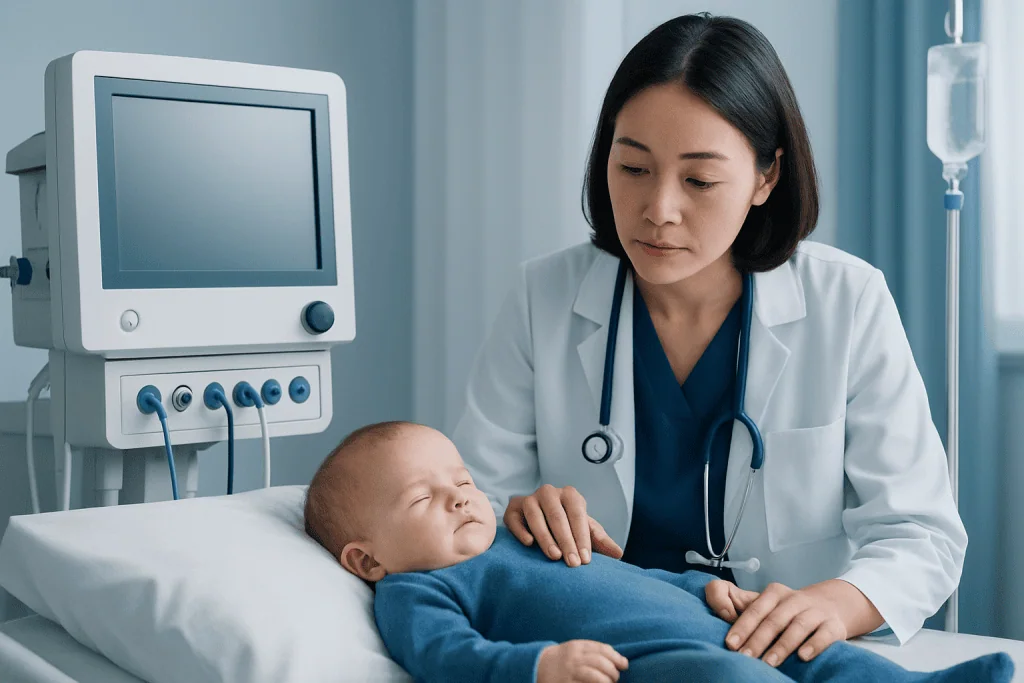
Chromosomes carry genetic information that guides development. In Edwards syndrome, the extra chromosome 18 disrupts normal growth and organ formation. This can affect the brain, heart, kidneys, limbs, digestive system, and overall growth pattern.
Doctors often describe several forms of the condition. In full trisomy 18, every cell has an extra chromosome 18. In mosaic trisomy 18, only some cells carry the extra chromosome, and signs may be milder or more variable. A less common form, partial trisomy 18, happens when only part of chromosome 18 is extra. These differences can influence symptoms and outlook.
Because multiple body systems may be involved, care often requires more than one specialist. Babies may need assessment for congenital heart disease, breathing support, feeding assistance, and monitoring for growth and developmental needs. The medical plan is shaped by the child’s exact findings rather than by the chromosome result alone.
Symptoms and Signs

Edwards syndrome can cause recognizable features before and after birth. During pregnancy, ultrasound may show slow growth, too much amniotic fluid, certain structural differences, or signs involving the heart or other organs. After birth, babies are often smaller than expected and may have a weak cry, low muscle tone at first or increased tone later, and difficulty feeding.
Common physical features may include a small jaw, low-set ears, a prominent back of the head, clenched fists with overlapping fingers, and rocker-bottom feet. Not every baby has every feature, and the pattern can vary. Internal health concerns are often more important medically than outward appearance.
Possible health problems include:
- Heart defects
- Breathing difficulties
- Feeding and swallowing problems
- Kidney abnormalities
- Growth restriction before and after birth
- Developmental delay and neurologic challenges
- Frequent infections in some children
Some signs overlap with other chromosome conditions, so doctors use genetic testing to confirm the diagnosis. Families may also hear comparisons with Down syndrome, but Edwards syndrome involves a different chromosome and follows a different clinical course.
Causes and Risk Factors
Edwards syndrome happens because of an extra chromosome 18. Most cases occur randomly when the egg or sperm is formed, due to an error in cell division called nondisjunction. This means parents usually did not do anything to cause the condition, and nothing during pregnancy typically triggers it.
Maternal age is one known risk factor for chromosome conditions in general, and the chance rises as age increases. Even so, Edwards syndrome can occur in pregnancies at many different maternal ages. In most families, it is a sporadic event rather than an inherited disorder.
Less commonly, partial trisomy 18 may be related to a chromosome rearrangement in a parent, such as a balanced translocation. When this is suspected, genetic counseling and parental chromosome testing may be recommended. Counseling helps families understand recurrence risk and options for future pregnancies.
Diagnosis Before and After Birth
Diagnosis often begins with prenatal screening. First-trimester or second-trimester blood tests and ultrasound can estimate the chance of a chromosome condition. Cell-free DNA screening may also suggest trisomy 18. These tests are useful for risk assessment, but they do not by themselves confirm the diagnosis.
Confirmation requires diagnostic testing. During pregnancy, this may involve chorionic villus sampling or amniocentesis, which allow chromosome analysis of fetal cells. After birth, the diagnosis is usually confirmed with a blood test called a karyotype, and sometimes additional genetic methods are used to look for mosaic or partial forms.
Once Edwards syndrome is confirmed, doctors usually recommend imaging and specialist evaluations to understand how the condition is affecting the baby. These may include echocardiography, kidney ultrasound, feeding assessment, and, when needed, genetic testing and counseling for the family. The goal is to build a clear, individualized care plan.
Treatment Options and Ongoing Care
There is no treatment that removes the extra chromosome 18, so care focuses on the baby’s symptoms, medical stability, comfort, and family goals. Some newborns need immediate support for breathing, feeding, body temperature, or infection prevention. Others may need evaluation over time as their needs become clearer.
Treatment can include nutritional support, management of reflux, treatment of infections, physical and developmental therapies, and close monitoring by pediatric specialists. If a baby has a significant heart problem, the medical team may discuss whether procedures or surgery are appropriate. In selected cases, care may involve pediatric cardiology and cardiovascular surgery as part of a broader plan.
Because feeding problems are common, some babies benefit from support by neonatology, speech and swallowing experts, and pediatric gastroenterology teams. Depending on the situation, clinicians may consider options such as tube feeding and neonatal intensive care support to improve safety and nutrition. Decisions are individualized and guided by the child’s condition and the family’s preferences.
For some families, palliative care is also an important part of treatment. Palliative care does not mean giving up care; it means focusing on comfort, symptom relief, communication, and quality of life alongside other treatments. In complex cases, coordinated pediatric care helps families weigh benefits and burdens of different interventions.
Living With Edwards Syndrome: Family Support and Daily Care
When a baby survives beyond the newborn period, daily care often centers on feeding, growth, infection prevention, and developmental support. Families may need regular appointments with pediatricians, cardiologists, neurologists, nutrition specialists, and therapists. Early intervention services can help maximize development and comfort.
Parents and caregivers also need emotional support and reliable information. It is common to feel overwhelmed by medical decisions, changing prognoses, and practical caregiving demands. Genetic counselors, pediatric palliative care teams, social workers, and support groups can all help families understand choices and plan for the future.
Near the end of the care pathway, some families seek evaluation at experienced centers. Acibadem International’s multidisciplinary specialists and JCI-accredited hospitals provide diagnosis and treatment planning for international patients with complex pediatric and genetic conditions.
When to Seek Medical Care
Medical review is important at any stage if Edwards syndrome is suspected during pregnancy or after birth. During pregnancy, parents should contact their obstetrician or fetal medicine specialist promptly if a screening test is abnormal or an ultrasound shows possible structural differences. Early follow-up helps confirm the diagnosis and prepare for delivery and newborn care.
After birth, urgent medical attention is needed if a baby has trouble breathing, poor feeding, vomiting, blue discoloration, fever, unusual sleepiness, seizures, or signs of dehydration. Even milder symptoms should be discussed with a pediatrician because babies with complex genetic conditions can become unwell quickly.
Families should also seek medical advice when they need help with feeding plans, specialist referrals, or decisions about procedures and long-term support. A coordinated pediatric team can explain options clearly and help align treatment with the child’s needs and the family’s values.
Frequently asked questions
What is Edwards syndrome?
Edwards syndrome is a genetic condition caused by an extra copy of chromosome 18. It is also known as trisomy 18 and affects development before birth and after delivery.
Is Edwards syndrome the same as trisomy 18?
Yes. Edwards syndrome and trisomy 18 are two names for the same condition. Doctors may also describe full, mosaic, or partial trisomy 18 depending on how the extra chromosome is present in the body’s cells.
Can Edwards syndrome be detected during pregnancy?
Yes, it can often be suspected during pregnancy through ultrasound and prenatal screening tests. However, confirmation usually requires diagnostic genetic testing such as chorionic villus sampling or amniocentesis.
What causes Edwards syndrome?
Most cases happen randomly because of an error in cell division when the egg or sperm forms. In a smaller number of cases, a chromosome rearrangement may be involved, which is why genetic counseling can be helpful.
Is there a cure for Edwards syndrome?
There is no cure that removes the extra chromosome 18. Treatment focuses on managing symptoms, supporting feeding and breathing, addressing organ problems, and helping families make informed care decisions.
Can a baby with Edwards syndrome survive?
Survival varies widely and depends on the severity of the condition and which organs are affected. Some babies live only a short time, while others survive longer and need ongoing medical and developmental support.
Should parents consider genetic counseling after a diagnosis?
Yes, genetic counseling is often recommended. It helps families understand the diagnosis, possible recurrence risk, testing options for parents, and planning for future pregnancies.
References
- Centers for Disease Control and Prevention
- MedlinePlus Genetics
- National Organization for Rare Disorders
- American College of Obstetricians and Gynecologists
- National Institutes of Health
This article is for general information only and is not a substitute for professional medical advice. Please consult a qualified doctor about your individual situation.
Explore treatments in Turkey — costs, top hospitals & a free quote
JCI-accredited · board-certified surgeons · reply within 24h
Add us as a Preferred Source to see more of our trusted health content across Google Search, AI Overviews and Discover.

More from the Health Library



Related Specialists
Assoc. Prof. Dr. Cem Gün
Emergency Service
Dr. Canan Çelebi
Internal Medicine
Assoc. Prof. Dr. Çağlar Baysal
Gastroenterology
Dr. Evis Ertaş
Gynecology & Obstetrics