EEG Test: How Brain Wave Monitoring Helps Diagnose Neurological Symptoms
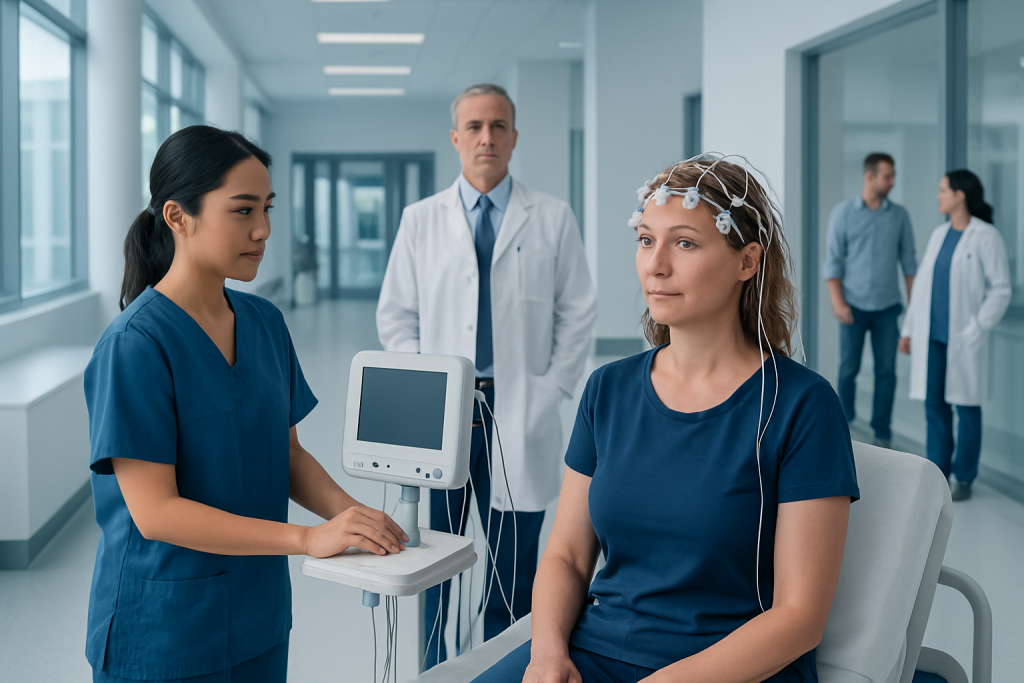
An EEG test measures brain wave patterns using small sensors placed on the scalp. It is painless, noninvasive, and commonly used to evaluate seizures and other neurological symptoms.
Key Takeaways
- An EEG test measures brain wave patterns using small sensors placed on the scalp.
- It is painless, noninvasive, and commonly used to evaluate seizures and other neurological symptoms.
- EEG results are interpreted together with symptoms, medical history, and often brain imaging or other tests.
- Preparation may include washing the hair, avoiding certain hair products, and following instructions about sleep or medicines.
- A normal EEG does not always rule out a neurological condition, so follow-up may still be needed.
An EEG test, also called an electroencephalogram, records the brain’s electrical activity to help doctors investigate neurological symptoms. It is a safe, painless test that can support diagnosis when a person has seizures, fainting, unusual spells, sleep concerns, or changes in awareness.
Overview: What Is an EEG Test?
An EEG test, short for electroencephalogram, is a diagnostic test that records the brain’s electrical activity. Brain cells communicate through tiny electrical signals, and an EEG captures these signals as wave patterns using small sensors attached to the scalp. Doctors use this information to better understand how the brain is functioning at rest, during drowsiness, or in response to certain triggers.
The test is noninvasive and does not send electricity into the body. Instead, it only detects natural brain activity. Many people have an EEG as part of an evaluation for episodes such as seizures, unexplained loss of consciousness, unusual movements, confusion, memory lapses, or sleep-related events.
An EEG does not diagnose every brain condition on its own, but it can provide important clues. It is often used alongside a neurological examination, a detailed symptom history, and sometimes imaging tests such as an MRI scan or a CT scan to build a clearer picture of what may be causing symptoms.
When Doctors Recommend an EEG
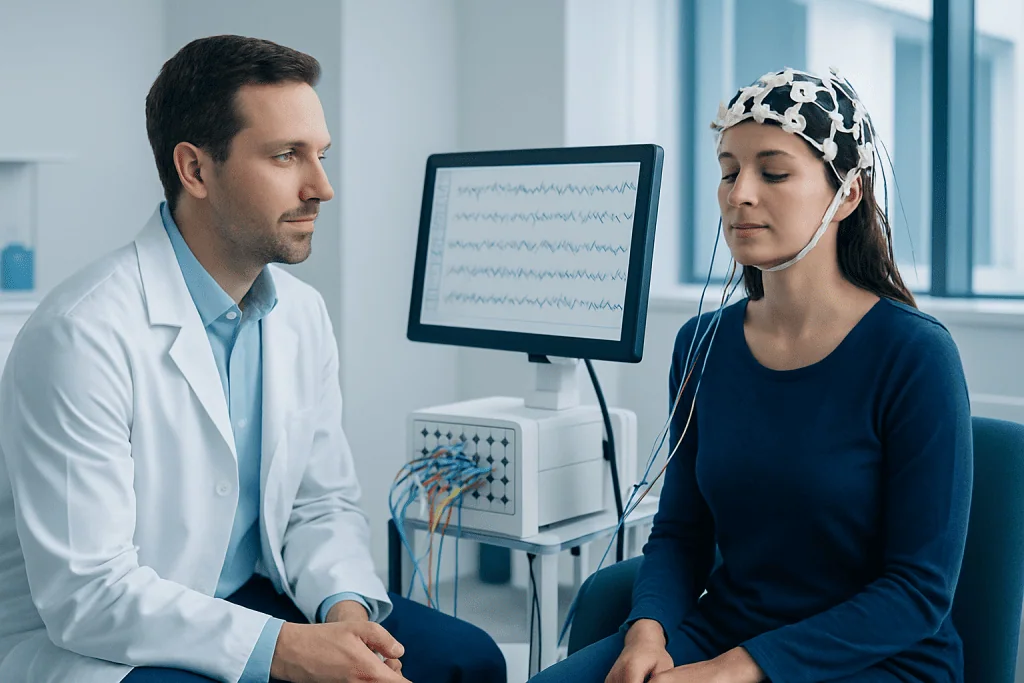
Doctors may recommend an EEG test when a person has symptoms that suggest changes in brain activity. One of the most common reasons is to investigate suspected seizures or epilepsy. However, EEG can also be helpful for episodes of staring, fainting, sudden confusion, unexplained jerking movements, or periods of altered awareness.
EEG may also be used in the evaluation of sleep disorders, especially when unusual nighttime behaviors or possible seizure-like events occur during sleep. In hospital settings, continuous EEG monitoring can help doctors observe brain activity over a longer period, which may be useful for critically ill patients or for events that do not happen during a brief office visit.
In some cases, EEG supports the assessment of conditions that affect brain function more broadly, including inflammation, infection, metabolic disturbances, or recovery after a head injury. It may also be part of a broader workup for conditions such as epilepsy or other neurological disorders where timing and pattern of symptoms matter.
Symptoms and Conditions an EEG Can Help Evaluate
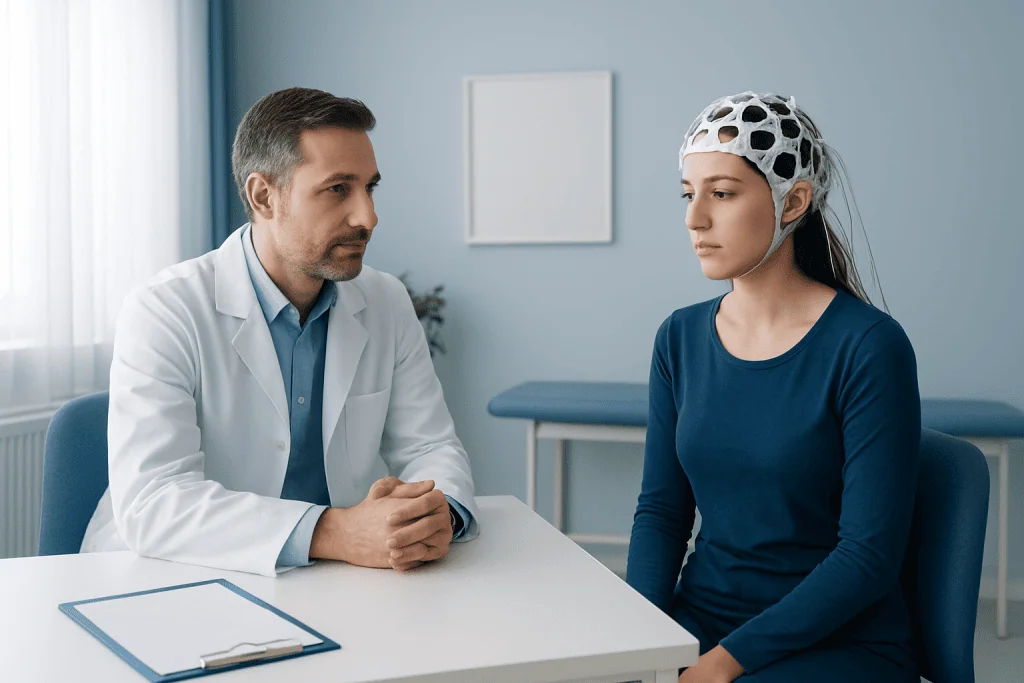
An EEG test is most strongly associated with seizure evaluation, but its role is wider than many people realize. Doctors may use it to look into repeated fainting spells, blackouts, unusual sensory experiences, episodes of unresponsiveness, or sudden behavior changes that could reflect abnormal brain activity.
It can also help distinguish between events that may look similar from the outside but have different causes. For example, an EEG may help a specialist decide whether an episode is more likely related to a seizure, a sleep disorder, or another neurological issue. This is especially important when symptoms are brief, unpredictable, or difficult to describe clearly.
Common reasons an EEG may be considered include:
- Suspected seizures or known seizure disorders
- Unexplained fainting or loss of consciousness
- Episodes of confusion, staring, or memory gaps
- Sleep-related abnormal movements or behaviors
- Follow-up assessment after certain brain injuries or illnesses
- Monitoring brain activity in selected hospital situations
If headaches, weakness, vision changes, balance problems, or persistent changes in thinking are present, doctors may combine EEG with other assessments. Depending on the symptoms, related conditions such as brain tumor or structural brain changes are usually evaluated with imaging rather than EEG alone.
How the EEG Procedure Is Done
During an EEG procedure, a technician places small flat sensors called electrodes on the scalp using a gentle adhesive or a soft cap. These electrodes are connected to the recording system, which traces brain wave patterns. The test itself is painless, and the electrodes do not cause shocks or alter brain activity.
A routine EEG often lasts about 20 to 60 minutes, although the full appointment may be longer to allow for preparation. The person usually sits or lies comfortably while the recording takes place. They may be asked to relax, open and close their eyes, breathe deeply for a short period, or look at flashing lights. These steps can sometimes bring out brain wave changes that help interpretation.
Some people need a sleep-deprived EEG, in which reduced sleep before the test makes certain abnormalities easier to detect. Others may have ambulatory EEG monitoring at home over many hours or days, or video EEG in a specialized unit where brain waves and behavior are recorded together. This can be especially helpful when doctors need to match symptoms with EEG changes in real time.
After the test, normal activities can usually be resumed unless a doctor has given specific instructions. If sedating medicines were used for a special situation, the patient may need support getting home, but that is not typical for a standard EEG.
Preparing for an EEG Test
Preparation for an EEG test is usually simple, but following instructions closely can improve the quality of the recording. In most cases, the person is asked to wash their hair the night before or the morning of the test and avoid conditioner, oils, gels, or sprays. Clean hair helps the electrodes stick properly and allows clearer signal recording.
Food and drink instructions can vary. Some people may be advised to avoid caffeine for several hours before the test because it can affect alertness and brain wave patterns. If a sleep-deprived EEG is planned, the medical team will explain exactly how much sleep to limit and whether someone should accompany the patient to the appointment.
It is important to tell the doctor about all medicines, including prescription drugs, over-the-counter products, and supplements. Medicines should not be stopped unless the doctor specifically advises it. For people being assessed for complex neurological symptoms, EEG may be one part of a broader evaluation that could also include neurological rehabilitation planning or specialist follow-up, depending on the final diagnosis.
Understanding EEG Results
EEG results are interpreted by a trained specialist, usually a neurologist or neurophysiologist, who looks for patterns in the brain waves. Some findings are considered normal variations, while others may suggest irritability in certain areas of the brain, a tendency toward seizures, or more generalized slowing of brain function.
It is important to know that an abnormal EEG does not automatically mean a person has epilepsy, and a normal EEG does not fully rule it out. Brain wave changes may come and go, and some events simply do not occur during the recording period. For this reason, doctors consider EEG findings together with symptom descriptions, witness accounts, medical history, examination results, and any other tests.
When the picture remains unclear, additional testing may be recommended. This could include repeat EEG, sleep EEG, longer monitoring, blood tests, or imaging studies. If symptoms suggest a condition such as stroke or another urgent neurological problem, the doctor may prioritize faster evaluation and treatment based on the whole clinical picture rather than the EEG alone.
Benefits, Limits, and Safety of EEG
One of the main benefits of an EEG test is that it is safe, painless, and widely used. It can provide valuable information that is difficult to obtain from symptoms alone, especially when events are brief or happen unpredictably. The test is suitable for adults and children and can often be repeated when needed.
At the same time, EEG has limitations. It records brain activity only during the testing period, so events that happen rarely may not appear. Also, some neurological symptoms are caused by structural, vascular, metabolic, or psychological factors that do not always produce specific EEG changes. That is why EEG is best understood as one part of a complete neurological assessment rather than a standalone answer.
EEG is generally very safe. Rarely, flashing lights or deep breathing may trigger an event in someone who is already prone to seizures, but this is done in a controlled setting with trained staff present. Patients are monitored throughout the procedure, and the team can respond quickly if symptoms occur.
When to See a Doctor and Next Steps
A person should seek medical advice if they experience unexplained blackouts, repeated fainting, seizure-like movements, sudden confusion, episodes of staring, unusual nighttime behaviors, or changes in awareness. These symptoms do not always indicate a serious disorder, but they deserve evaluation, especially if they are new, recurring, or becoming more frequent.
Urgent medical attention is important if symptoms are prolonged, cause injury, happen with weakness on one side, severe headache, trouble speaking, chest pain, or breathing difficulty. In these situations, emergency assessment is more important than waiting for an outpatient EEG because some causes need immediate treatment.
After an EEG, the next step depends on the overall findings. Some people are reassured and need no further treatment, while others may be referred to a neurologist for additional testing or long-term management. For international patients needing specialist assessment, Acibadem International’s multidisciplinary teams in JCI-accredited hospitals evaluate neurological symptoms and arrange diagnostic testing and treatment plans when appropriate.
Frequently asked questions
What does an EEG test show?
An EEG test shows patterns of electrical activity in the brain, often called brain waves. These patterns can help doctors assess whether symptoms might be related to seizures, altered brain function, or certain sleep-related events.
Is an EEG test painful?
No, an EEG test is painless. The sensors are placed on the scalp to record natural brain activity, and they do not deliver electricity into the body.
How long does an EEG take?
A routine EEG often takes about 20 to 60 minutes for the recording itself, though the appointment may be longer because of setup time. Longer forms of monitoring, such as ambulatory or video EEG, may continue for many hours or several days.
Can an EEG detect epilepsy?
An EEG can support the diagnosis of epilepsy by showing brain wave patterns that suggest a seizure tendency. However, it is not the only factor used for diagnosis, and some people with epilepsy may have a normal EEG between seizures.
Do patients need to prepare for an EEG?
Yes, basic preparation is usually needed. Patients are often asked to come with clean hair, avoid hair products, and follow instructions about caffeine, sleep, or medicines if the doctor recommends any specific changes.
What happens if the EEG result is normal?
A normal EEG can be reassuring, but it does not always rule out a neurological condition. If symptoms continue, the doctor may recommend repeat testing, longer monitoring, or other exams based on the overall clinical picture.
References
- World Health Organization
- National Institute of Neurological Disorders and Stroke
- International League Against Epilepsy
- American Clinical Neurophysiology Society
- Mayo Clinic
This article is for general information only and is not a substitute for professional medical advice. Please consult a qualified doctor about your individual situation.
Hair transplant in Turkey — costs, graft counts & a free assessment
JCI-accredited · board-certified surgeons · reply within 24h
Add us as a Preferred Source to see more of our trusted health content across Google Search, AI Overviews and Discover.