Egg freezing Recovery: Week-by-Week Timeline
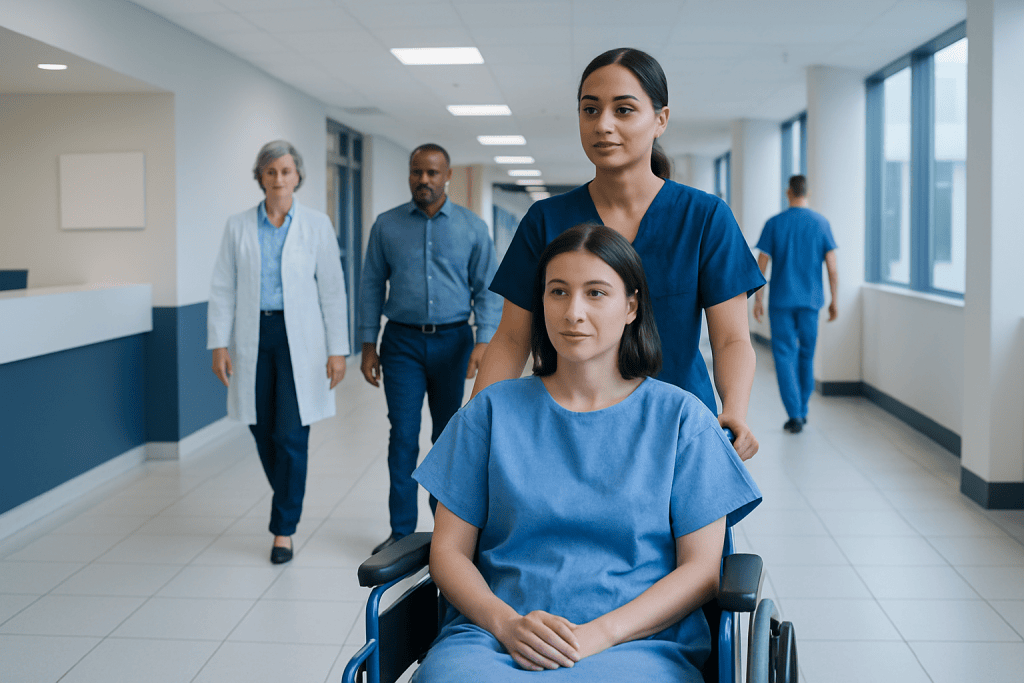
Most people go home on the day of egg retrieval and need someone else to drive them after sedation or anesthesia. Mild pelvic cramps, bloating, fatigue, nausea, and light vaginal spotting are common for several days.
Key Takeaways
- Most people go home on the day of egg retrieval and need someone else to drive them after sedation or anesthesia.
- Mild pelvic cramps, bloating, fatigue, nausea, and light vaginal spotting are common for several days.
- Many people return to desk work within one to three days, but strenuous exercise and intercourse may need to wait until the ovaries have settled.
- The first period after retrieval can be earlier, later, heavier, or more uncomfortable than usual.
- Severe or worsening pain, heavy bleeding, shortness of breath, fever, or rapid abdominal swelling needs prompt medical assessment.
Egg freezing recovery is usually brief after egg retrieval: cramping, bloating, tiredness, and light spotting often improve over several days, while the next menstrual period may arrive within about two weeks. Recovery varies with the response to fertility medicines and the number of eggs collected, so each person should follow the instructions provided by their fertility team.
Overview: What Egg Freezing Recovery Is Like
Egg freezing recovery refers mainly to the days and weeks after egg retrieval, the procedure used to collect mature eggs for freezing. Most people recover at home and feel well enough for normal light activities within several days. However, the ovaries remain enlarged for a short time after stimulation, so it is important to pace activity and follow individualized advice from the fertility team.
The process begins before retrieval, during the hormone-injection phase that stimulates several eggs to mature at once. Bloating, breast tenderness, mood changes, mild headaches, or pelvic pressure can occur during this stage. After eggs are collected, temporary cramping, fatigue, light bleeding, and abdominal fullness are common.
Egg freezing preserves unfertilized eggs for potential future use. It does not guarantee a future pregnancy, because success depends on factors such as age at freezing, egg number and quality, laboratory methods, sperm quality if eggs are later fertilized, and uterine health. For a fuller explanation of the process and planning considerations, see egg freezing treatment.
How Egg Freezing Works and Who May Consider It
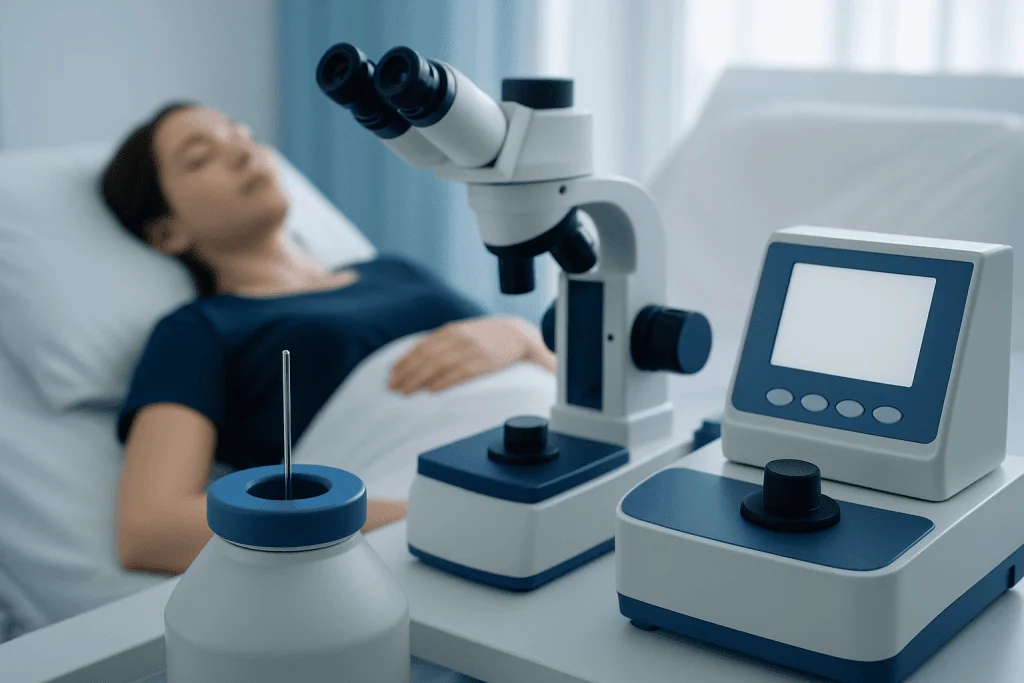
Egg freezing, also called oocyte cryopreservation, involves stimulating the ovaries with fertility medicines, monitoring follicle development, retrieving mature eggs, and freezing them using a rapid freezing technique called vitrification. The stored eggs can later be thawed, fertilized in a laboratory, and used in in vitro fertilization (IVF) treatment if appropriate.
People may consider egg freezing for personal, medical, or family-planning reasons. For example, it may be discussed before treatments that could affect fertility, such as certain cancer treatments or ovarian surgery. Others may choose it because they are not ready to attempt pregnancy now but would like to preserve eggs at their current age.
Suitability is individual. A fertility specialist commonly reviews medical history, menstrual patterns, ovarian reserve testing, ultrasound findings, medications, and reproductive goals. Some people may need additional discussion if they have conditions that affect anesthesia safety, hormone-sensitive disease, blood-clotting risk, or ovarian cysts.
Step by Step: Stimulation, Retrieval, and Going Home
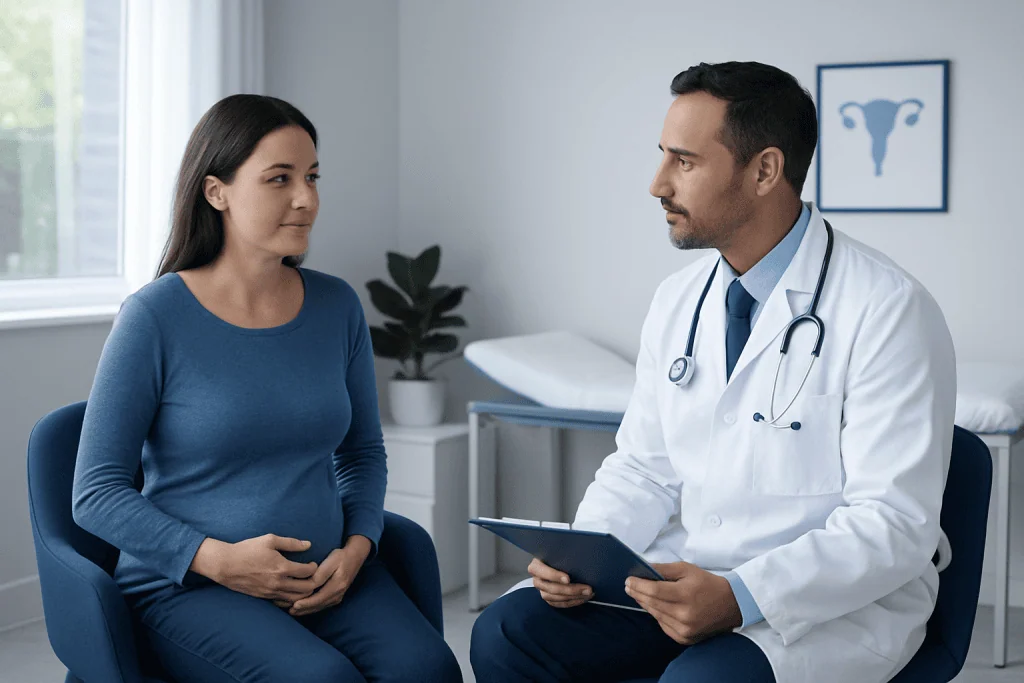
Before treatment, the fertility team usually performs blood tests and a pelvic ultrasound. The person then uses prescribed hormone injections for roughly one to two weeks, although schedules differ. During this time, regular appointments help the team monitor follicle growth and adjust medicines when needed.
When the follicles are ready, a final maturation injection is timed carefully before egg retrieval. The retrieval is usually performed through the vagina using ultrasound guidance. A thin needle passes through the vaginal wall to collect fluid from the follicles, and the laboratory team identifies and prepares mature eggs for freezing.
Retrieval commonly takes place with sedation or anesthesia. Because these medicines can affect alertness and coordination for the rest of the day, patients should arrange for a responsible adult to take them home and stay available if advised. Driving, operating machinery, signing important documents, drinking alcohol, and making major decisions should be avoided until the effects have fully worn off.
Before discharge, the care team explains expected symptoms, prescribed medicines if needed, activity guidance, and how to contact the clinic. It is helpful to ask directly when exercise, work, travel, bathing, and sexual activity can safely resume, as recommendations may differ according to the person’s response to treatment.
Egg Freezing Recovery: A Week-by-Week Timeline
Retrieval day and the first 24 hours: Sleepiness, dizziness, nausea, and reduced concentration may occur after sedation or anesthesia. Mild lower-abdominal cramping, pressure, bloating, and light vaginal spotting are also common. Rest, fluids, simple meals, and any clinician-approved pain relief are often sufficient. A quiet day at home is usually best.
Days 2 to 3: Cramping and bloating often begin to ease, although some people still feel tired or have abdominal discomfort when standing, bending, or walking quickly. Light activity, such as moving around the home or taking a gentle walk, may help comfort and circulation. Many people can return to sedentary work during this period if they feel ready, but remote work or extra breaks may be useful.
Days 4 to 7: Most routine symptoms continue to improve. Desk-based work, everyday errands, and gentle walking are often manageable. High-impact exercise, heavy lifting, vigorous cycling, intense core work, and other activities that involve twisting or bouncing should generally wait until the ovaries are no longer enlarged and the fertility team has said it is safe.
Week 2 and beyond: The first period after retrieval often occurs around one to two weeks later and may be heavier, lighter, earlier, later, or more crampy than usual. For many people, this marks a return toward their usual cycle and physical comfort. If symptoms persist, intensify, or do not feel consistent with normal recovery, the fertility clinic should be contacted.
Returning to Work, Exercise, Sex, and Daily Activities
There is no single correct day to return to work. Some people feel ready for desk work the next day, while others prefer one to three days of recovery. Jobs involving heavy lifting, prolonged standing, physical exertion, or safety-sensitive duties may require more time. The effect of sedation, the level of pelvic discomfort, and individual energy levels should all be considered.
During ovarian stimulation and shortly after retrieval, the ovaries may be temporarily enlarged. This can increase the chance of ovarian torsion, a rare condition in which an ovary twists and its blood supply may be affected. For this reason, fertility teams commonly recommend avoiding running, jumping, strenuous gym classes, heavy lifting, and twisting movements until recovery is complete and individualized clearance is given.
Sexual intercourse and vaginal penetration may be uncomfortable soon after retrieval and can sometimes be discouraged temporarily because the ovaries are enlarged and tender. Patients should ask their clinic for specific timing, especially if they have abdominal pain, spotting, or a higher-than-usual risk of ovarian hyperstimulation syndrome. Gentle walking, regular hydration, sleep, and balanced meals are generally sensible ways to support recovery.
Benefits, Expected Effects, and Possible Risks
A potential benefit of egg freezing is the opportunity to preserve eggs at the age they are collected. This may provide additional reproductive options later, especially when fertility could be affected by medical treatment or as age-related egg quantity and quality change. It is still important to understand that frozen eggs are not the same as a guaranteed future baby.
Expected short-term effects include abdominal bloating, pelvic pressure, mild cramping, fatigue, nausea, constipation, breast tenderness, mood changes, and light spotting. These symptoms are usually temporary. Keeping track of symptoms and following the clinic’s instructions can help distinguish expected recovery from symptoms that need medical attention.
Less common risks include bleeding, infection, injury to nearby structures, medication reactions, and complications related to anesthesia or sedation. Ovarian hyperstimulation syndrome (OHSS) is an uncommon but potentially serious response to fertility medicines that can cause enlarged ovaries and fluid shifts in the body. Modern treatment protocols aim to reduce this risk, but symptoms should never be ignored.
Emotional responses are also valid. Some people feel relieved or empowered after egg freezing, while others experience stress, disappointment, uncertainty, or fatigue from the appointments and injections. Speaking with a fertility counsellor, mental health professional, or trusted support person can be helpful.
When to Seek Medical Care
Contact the fertility clinic promptly if pain becomes severe or steadily worsens, bloating increases quickly, vomiting prevents fluids from staying down, or bleeding is heavier than a normal period. The clinic should also be informed about fever, foul-smelling vaginal discharge, persistent dizziness, or symptoms that do not improve as expected.
Urgent medical assessment is needed for shortness of breath, chest pain, fainting, one-sided severe pelvic pain, marked abdominal swelling, very little urine, or sudden significant weight gain over a short period. These symptoms can occasionally indicate OHSS, internal bleeding, a blood clot, ovarian torsion, or another complication requiring timely care.
People should not feel they have to judge symptoms alone. Fertility clinics expect questions after retrieval and can advise whether home care, a same-day review, or emergency care is appropriate. Acibadem International’s multidisciplinary specialists and JCI-accredited hospitals diagnose and treat fertility-related concerns for international patients.
Frequently asked questions
How long does egg freezing recovery take?
Many people feel substantially better within a few days after egg retrieval and return to light routines within about a week. The first menstrual period often comes within one to two weeks, and strenuous exercise may need to wait until the ovaries have returned to their usual size.
Can a person go back to work the day after egg retrieval?
Some people can return to desk-based work the next day, but many prefer one or more days to rest because of fatigue, cramping, bloating, or sedation effects. Physically demanding work may require a longer break and should be discussed with the fertility team.
When can exercise restart after egg freezing?
Gentle walking is often suitable once the person feels comfortable, but high-impact or twisting exercise is usually postponed while the ovaries remain enlarged. The safest timing depends on symptoms and the fertility team’s advice, particularly for people with significant bloating or discomfort.
Is bloating normal after egg retrieval?
Mild to moderate bloating and pelvic fullness are common after ovarian stimulation and egg retrieval. It should gradually improve; rapidly worsening swelling, severe pain, breathing difficulty, reduced urination, or persistent vomiting requires prompt medical advice.
When does the period return after egg freezing?
The first period commonly occurs around one to two weeks after retrieval, although timing can vary. It may be different from a usual period in flow, cramps, or duration for that cycle.
Is it normal to have spotting after egg retrieval?
Light spotting or a small amount of vaginal bleeding can occur after the needle passes through the vaginal wall during retrieval. Heavy bleeding, worsening pain, fever, or unpleasant-smelling discharge should be reported to the clinic.
References
- American Society for Reproductive Medicine
- European Society of Human Reproduction and Embryology
- Human Fertilisation and Embryology Authority
- Mayo Clinic
- National Health Service
This article is for general information only and is not a substitute for professional medical advice. Please consult a qualified doctor about your individual situation.
Persistent digestive symptoms? Get evaluated in Turkey
JCI-accredited · board-certified surgeons · reply within 24h
Add us as a Preferred Source to see more of our trusted health content across Google Search, AI Overviews and Discover.