Ehrlichiosis: Symptoms, Causes, and Treatment Options

Ehrlichiosis is caused by bacteria transmitted through tick bites. Common early symptoms include fever, headache, fatigue, chills, and muscle aches.
Key Takeaways
- Ehrlichiosis is caused by bacteria transmitted through tick bites.
- Common early symptoms include fever, headache, fatigue, chills, and muscle aches.
- Diagnosis is based on symptoms, tick exposure history, examination, and lab testing.
- Early antibiotic treatment is important and should not be delayed when ehrlichiosis is strongly suspected.
- Preventing tick bites is the most effective way to reduce risk.
- Medical care is especially important for severe symptoms, worsening illness, or higher-risk patients.
Ehrlichiosis is a tick-borne bacterial infection that often starts with flu-like symptoms such as fever, headache, fatigue, and muscle aches. Prompt medical evaluation and early antibiotic treatment usually lead to a good recovery and help lower the risk of complications.
Overview
Ehrlichiosis is an infection caused by bacteria that are spread to humans through the bite of an infected tick. It commonly causes a sudden flu-like illness, with fever, headache, tiredness, and body aches. In some people, symptoms remain mild, but in others the infection can become more serious if treatment is delayed.
The illness most often develops within days to a couple of weeks after a tick bite. Many people do not remember being bitten, because ticks can be very small and bites are usually painless. For that reason, doctors often consider ehrlichiosis when a person has fever and other unexplained symptoms during tick season or after outdoor exposure.
Ehrlichiosis belongs to a broader group of infections called tick-borne illnesses. It can sometimes resemble Lyme disease or other tick-related infections in the early stages, but the bacteria, course of illness, and treatment decisions may differ. A careful medical assessment helps guide the right diagnosis and treatment plan.
Symptoms and how the illness can feel
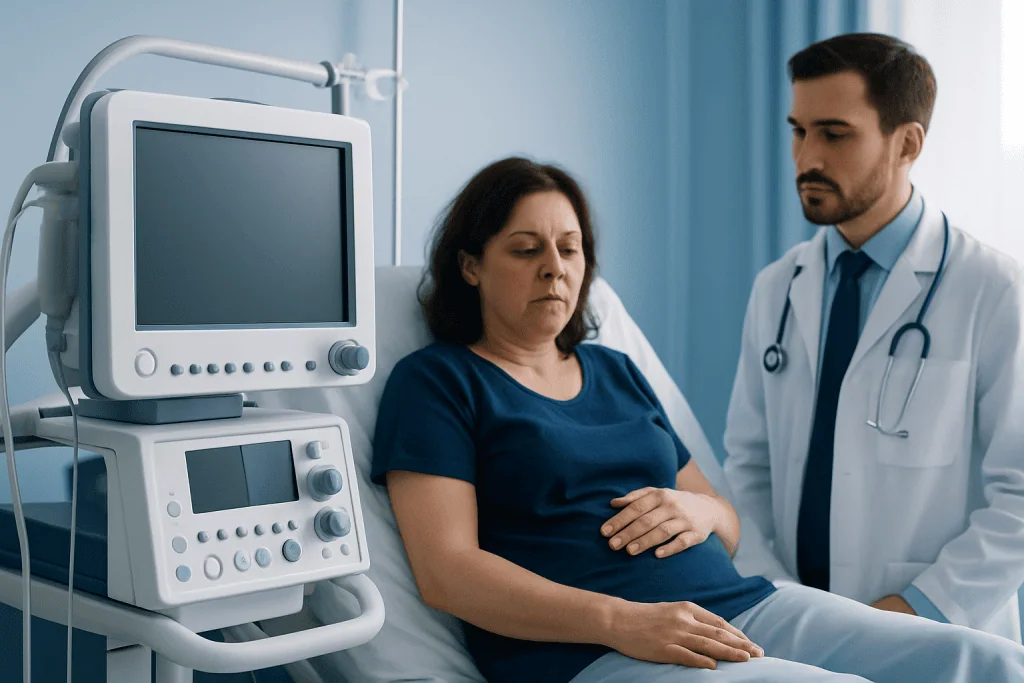
Symptoms of ehrlichiosis usually begin with general signs of infection rather than a distinctive rash or a single unique symptom. Common early symptoms include fever, chills, headache, fatigue, muscle aches, joint pain, nausea, loss of appetite, and a general feeling of being unwell. Some people also develop abdominal discomfort, vomiting, diarrhea, or confusion.
A rash can occur, but it is less common than in some other tick-borne diseases and is not present in most adults. When a rash does appear, it may look different from person to person and should not be used alone to confirm or rule out the diagnosis. Because symptoms are often nonspecific, ehrlichiosis may at first be mistaken for a viral illness.
Severity can vary. Some people recover quickly with treatment, while others become progressively more ill over a short time. Warning signs of more serious disease may include trouble breathing, severe weakness, persistent vomiting, confusion, dehydration, or symptoms that rapidly worsen instead of improving.
- Fever and chills
- Headache
- Fatigue or unusual tiredness
- Muscle and body aches
- Nausea or poor appetite
- Occasionally rash, confusion, or breathing difficulty
Causes and risk factors

Ehrlichiosis is caused by bacteria in the Ehrlichia group. These bacteria infect certain white blood cells and are most often transmitted through the bite of an infected tick. In the United States, the lone star tick is a well-known carrier of some forms of ehrlichiosis, although the exact tick species can vary by region and by the specific bacteria involved.
Risk is higher for people who spend time in wooded, brushy, grassy, or leaf-covered areas where ticks live. Hiking, gardening, camping, hunting, farming, and outdoor work can all increase exposure. Pets can also carry ticks into the home, even if the tick has not attached to the pet for long.
Not everyone with a tick bite develops infection, and not every tick carries Ehrlichia bacteria. However, certain factors raise the chance of more severe illness if infection occurs. These include older age, a weakened immune system, delayed treatment, and some chronic medical conditions. For this reason, doctors may act quickly if symptoms and exposure history suggest a tick-borne infection.
How ehrlichiosis is diagnosed
Diagnosis starts with a clinical assessment. A doctor asks about recent travel, outdoor activities, known tick bites, and the timing of symptoms. Because ehrlichiosis can look like many other infections at first, this exposure history is often an important clue.
Blood tests may show changes that support the diagnosis, such as low white blood cell count, low platelet count, or signs of liver irritation. More specific testing can include molecular tests that detect bacterial genetic material and antibody tests that look for the body’s immune response. Early in the illness, however, some confirmatory tests may still be negative, so they do not always exclude infection right away.
Doctors may begin treatment based on strong suspicion before test results return. This is a standard part of care for possible tick-borne bacterial infections because early treatment can help prevent complications. In some cases, testing may also be done for similar conditions such as other tick-borne diseases when symptoms overlap.
Treatment options
The main treatment for ehrlichiosis is antibiotic therapy prescribed by a doctor. When ehrlichiosis is strongly suspected, treatment is often started promptly rather than waiting for all test results. This is because early treatment is linked with better outcomes and a lower chance of severe disease.
Supportive care is also important. Rest, fluids, and symptom relief can help while the infection improves. People with severe dehydration, breathing problems, confusion, or organ-related complications may need hospital care for monitoring and additional treatment. In these cases, doctors may use infectious diseases treatment alongside supportive hospital care tailored to the person’s condition.
Most people begin to feel better within days of starting appropriate antibiotics, although full recovery can take longer in some cases, especially if diagnosis was delayed. Follow-up may be recommended if symptoms persist, laboratory abnormalities continue, or another tick-borne illness is possible. If neurological symptoms are prominent, a doctor may also assess for related complications and arrange neurology evaluation when needed.
Prevention and self-care after possible tick exposure
The best way to prevent ehrlichiosis is to reduce the chance of tick bites. Practical steps include wearing long sleeves and long pants in tick-prone areas, using tick repellents as directed, staying on clear paths, and checking the body carefully after outdoor activity. Ticks often attach in hidden areas such as the scalp, behind the knees, under the arms, around the waist, and in the groin area.
If a tick is found attached, it should be removed promptly with fine-tipped tweezers, grasping it close to the skin and pulling upward steadily. The area should then be cleaned. Folk methods such as burning the tick or covering it with substances to make it detach are not recommended, because they may increase skin irritation and delay proper removal.
Self-care after a tick bite includes watching for symptoms over the following days and weeks. A person does not need to panic after every tick bite, but fever, headache, worsening fatigue, muscle aches, or gastrointestinal symptoms after exposure should prompt medical advice. If symptoms are significant or unusual, doctors may use laboratory evaluation or a general medical check-up to look for infection and other possible causes.
When to seek medical care
Medical care is advisable if a person develops fever, severe headache, fatigue, muscle aches, nausea, or other flu-like symptoms after a recent tick bite or after spending time in areas where ticks are common. It is also important to seek assessment when symptoms are worsening, not improving, or are difficult to explain. Early evaluation helps doctors decide whether antibiotic treatment is needed.
Urgent care is especially important for warning signs such as confusion, difficulty breathing, persistent vomiting, dehydration, fainting, chest pain, or a marked decline in general condition. Infants, older adults, pregnant people, and those with weakened immune systems should not delay care if ehrlichiosis is suspected.
For international patients who need assessment and coordinated treatment, Acibadem International offers care through multidisciplinary specialists in JCI-accredited hospitals. The goal is accurate diagnosis, timely treatment, and follow-up based on the person’s symptoms, test results, and overall health.
Frequently asked questions
What is ehrlichiosis?
Ehrlichiosis is a bacterial infection spread by infected ticks. It usually causes a flu-like illness and needs medical evaluation because early antibiotic treatment can help prevent complications.
How soon do symptoms of ehrlichiosis start?
Symptoms often begin within several days to about two weeks after a tick bite. Many people do not notice the bite, so doctors also look at recent outdoor exposure and symptom timing.
Can ehrlichiosis go away on its own?
Some infections may remain mild, but ehrlichiosis can also become serious if treatment is delayed. Because of this risk, suspected ehrlichiosis should be assessed by a doctor rather than managed as a routine viral illness.
Is ehrlichiosis contagious from person to person?
Ehrlichiosis is not usually spread directly from one person to another through casual contact. It is mainly transmitted by tick bites.
What is the treatment for ehrlichiosis?
Treatment usually involves antibiotics prescribed by a doctor, often started as soon as the condition is suspected. Supportive care such as rest and fluids may also help, while severe cases may require hospital monitoring.
How can ehrlichiosis be prevented?
Prevention focuses on avoiding tick bites. Wearing protective clothing, using repellents correctly, checking the body after outdoor activities, and removing ticks promptly can all reduce risk.
References
- Centers for Disease Control and Prevention
- World Health Organization
- National Institute of Allergy and Infectious Diseases
- Merck Manual Professional Edition
This article is for general information only and is not a substitute for professional medical advice. Please consult a qualified doctor about your individual situation.
Explore treatments in Turkey — costs, top hospitals & a free quote
JCI-accredited · board-certified surgeons · reply within 24h
Add us as a Preferred Source to see more of our trusted health content across Google Search, AI Overviews and Discover.

More from the Health Library



Related Specialists
Dr. Gürkan Uysal
Anesthesiology
Dr. Mehmet Murat Soysal
Internal Medicine
Assoc. Prof. Dr. Mirza Zafer Dağtaş
Orthopedic Surgery & Traumatology
Dr. Dilara Tüysüz
Dermatology