Electrolyte: Symptoms, Causes, and Treatment — Complete Patient Guide

Electrolytes such as sodium, potassium, calcium, magnesium, chloride, and phosphate help the body function normally. Both low and high electrolyte levels can cause symptoms, including fatigue, muscle cramps, nausea, weakness, and confusion.
Key Takeaways
- Electrolytes such as sodium, potassium, calcium, magnesium, chloride, and phosphate help the body function normally.
- Both low and high electrolyte levels can cause symptoms, including fatigue, muscle cramps, nausea, weakness, and confusion.
- Common causes include vomiting, diarrhea, dehydration, kidney problems, hormonal disorders, and some medicines.
- Diagnosis usually relies on blood tests, urine tests, and assessment of hydration, medical history, and symptoms.
- Treatment depends on which electrolyte is abnormal and may include fluids, diet changes, oral supplements, or hospital care.
- Prompt medical evaluation is important if symptoms are severe, sudden, or involve confusion, seizures, or irregular heartbeat.
Electrolytes are minerals that help control hydration, nerve signaling, muscle function, and heart rhythm. When electrolyte levels become too low or too high, symptoms can range from mild thirst and cramps to weakness, confusion, or dangerous rhythm problems, so treatment focuses on correcting the imbalance and its cause.
Overview: What an Electrolyte Is and Why It Matters
An electrolyte is a mineral in the blood and body fluids that carries an electric charge. These minerals help regulate many essential functions, including fluid balance, blood pressure, nerve signals, muscle contraction, acid-base balance, and the heartbeat. The main electrolytes include sodium, potassium, calcium, magnesium, chloride, phosphate, and bicarbonate.
People often use the word “electrolyte” to mean sports drinks or hydration products, but in medicine it refers to the body’s carefully controlled mineral balance. A small shift in one electrolyte can affect many body systems. For example, low sodium may affect brain function, while abnormal potassium may interfere with muscle and heart function.
Electrolyte problems are usually described as either too low or too high. Examples include hyponatremia for low sodium, hyperkalemia for high potassium, and hypocalcemia for low calcium. Some electrolyte imbalances are mild and temporary, while others need urgent treatment. Understanding symptoms early can help a person seek care before complications develop.
Symptoms of Electrolyte Imbalance
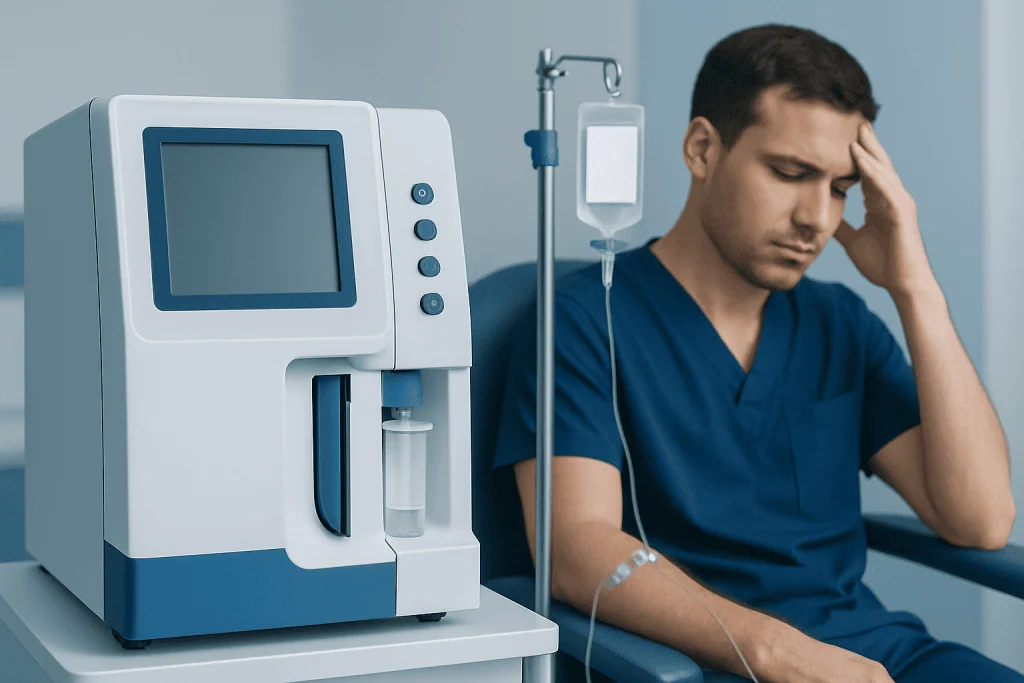
Electrolyte symptoms can vary depending on which mineral is out of balance, how severe the change is, and how quickly it happened. Mild imbalances may cause vague symptoms such as tiredness, thirst, headache, or decreased energy. These signs are easy to confuse with everyday fatigue or not drinking enough fluids.
As the imbalance becomes more significant, symptoms may include muscle cramps, twitching, weakness, nausea, vomiting, constipation, tingling, dizziness, or trouble concentrating. Some people notice swelling, changes in urination, or palpitations. In older adults, electrolyte imbalance may present as confusion, poor balance, or a sudden change in mental status.
Severe abnormalities can affect the brain, muscles, and heart. Warning signs include severe weakness, fainting, seizures, chest discomfort, marked confusion, or an irregular heartbeat. Because symptoms overlap with other medical conditions, laboratory testing is usually needed to confirm whether an electrolyte problem is present and which electrolyte is responsible.
- Low sodium: headache, nausea, confusion, seizures in severe cases
- Low potassium: muscle weakness, cramps, constipation, abnormal heart rhythm
- High potassium: weakness, palpitations, dangerous rhythm disturbances
- Low calcium or magnesium: tingling, cramps, muscle spasms, tremor
- High calcium: thirst, constipation, abdominal discomfort, fatigue, confusion
Causes and Risk Factors

Electrolyte imbalance often develops when the body loses too much fluid, takes in too little, or cannot regulate minerals properly. Vomiting, diarrhea, fever, heavy sweating, burns, and dehydration are common triggers. These situations can lead to losses of sodium, potassium, chloride, and other minerals, especially if fluid replacement is not balanced.
Medical conditions can also disrupt electrolyte control. Kidney disease is an important cause because the kidneys help regulate sodium, potassium, and acid-base balance. Hormone-related conditions, such as adrenal disorders or thyroid problems, may also contribute. Heart failure and liver disease can change how the body holds or shifts fluids. In some cases, electrolyte disturbances are linked with kidney failure or other chronic illnesses that need ongoing specialist management.
Many medicines affect electrolytes. Diuretics, some blood pressure medicines, laxatives, steroids, certain antidepressants, and some cancer treatments may alter sodium or potassium levels. Poor nutrition, alcohol misuse, eating disorders, and prolonged fasting can also contribute, especially when magnesium and phosphate levels are low. Athletes and people doing strenuous work in hot weather may be at risk if they lose large amounts of sweat and replace only water.
Risk can be higher in infants, older adults, people with chronic disease, and anyone recovering from surgery or serious infection. A person may also be more vulnerable during episodes of diarrhea or prolonged vomiting, when the body quickly loses water and salts.
How Doctors Diagnose Electrolyte Problems
Diagnosis begins with a medical history and physical examination. A doctor will ask about symptoms, recent illness, fluid intake, vomiting, diarrhea, sweating, medications, supplements, and any history of kidney, heart, or hormone problems. The examination often includes checking blood pressure, pulse, hydration, swelling, and signs of muscle or nerve irritation.
Blood tests are the main way to measure electrolytes. These tests commonly check sodium, potassium, chloride, bicarbonate, calcium, magnesium, and phosphate, along with kidney function markers such as creatinine and urea. Depending on symptoms, the doctor may also request glucose, hormone testing, or blood gas analysis to better understand acid-base balance.
Urine tests can help show how the kidneys are handling fluid and minerals. In some cases, an electrocardiogram is used to look for heart rhythm changes caused by potassium, calcium, or magnesium abnormalities. If the underlying cause is unclear, imaging or further evaluation may be needed to look for related problems such as endocrine disorders or kidney disease.
Because electrolyte levels can change quickly, repeat testing is sometimes necessary. This is especially true during hospital treatment, when intravenous fluids or supplements are being used and levels need close monitoring to avoid correcting them too fast or too slowly.
Treatment Options for Electrolyte Imbalance
Electrolyte treatment depends on the type of imbalance, its severity, the person’s overall health, and the underlying cause. Mild problems may improve with oral fluids, dietary changes, and short-term monitoring. More serious imbalances may require treatment in a clinic or hospital, especially if symptoms involve the heart, brain, or severe dehydration.
Fluids are often part of treatment, but the right fluid matters. Some people need rehydration with balanced oral solutions, while others may need intravenous fluids through intravenous fluid therapy. A person with low potassium, magnesium, or calcium may need oral or intravenous replacement. If the level is too high, treatment may focus on stopping contributing medicines, correcting kidney function problems, or using medicines that help shift or remove the excess mineral.
Treating the cause is just as important as correcting the number on a lab test. For example, vomiting and diarrhea may need symptom control and hydration support, while hormone disorders or chronic kidney disease require more specific care. In severe or persistent cases, evaluation by specialists in nephrology care or internal medicine may be appropriate.
Hospital treatment is sometimes necessary for severe sodium changes, dangerous potassium abnormalities, seizures, serious confusion, or heart rhythm disturbances. In patients with advanced kidney failure, dialysis treatment may be needed to help remove excess potassium or manage fluid overload. Care is usually individualized, with repeat lab tests to ensure safe correction.
Prevention and Self-Care
Many electrolyte problems can be reduced with practical daily habits. Drinking enough fluid is important, especially during hot weather, exercise, fever, vomiting, or diarrhea. However, more water is not always better. In some situations, drinking very large amounts of plain water without replacing salts can worsen sodium imbalance, particularly during endurance activity.
A balanced diet usually provides the electrolytes most healthy people need. Foods rich in potassium include bananas, potatoes, beans, tomatoes, and leafy greens. Calcium comes from dairy products and fortified foods, while magnesium is found in nuts, seeds, legumes, and whole grains. People should be cautious about starting supplements on their own, because too much of certain minerals can also be harmful.
Self-care also includes reviewing medicines with a doctor or pharmacist, especially diuretics, laxatives, and over-the-counter products. People with kidney disease, heart disease, diabetes, or endocrine conditions may need regular blood tests to monitor electrolyte balance. Oral rehydration solutions can be helpful during short-term fluid loss from stomach illness, but persistent symptoms still need medical advice.
It is sensible to seek professional guidance rather than relying only on commercial “electrolyte” products. Sports drinks, powders, and tablets vary widely in sugar and mineral content and are not a substitute for diagnosis when symptoms are significant or ongoing.
When to Seek Medical Care
Medical attention is important if symptoms suggest a moderate or severe electrolyte imbalance, especially if they begin suddenly or worsen quickly. A person should contact a doctor if there is ongoing vomiting, diarrhea, inability to keep fluids down, persistent weakness, muscle cramps that do not improve, reduced urination, or increasing confusion. People with kidney disease, heart disease, or those taking diuretics should have a lower threshold for seeking advice.
Urgent care is needed for fainting, seizures, severe confusion, chest pain, shortness of breath, or an irregular heartbeat. These symptoms may indicate a serious electrolyte disturbance or another condition that needs immediate evaluation. Parents should seek prompt medical attention for infants and children with lethargy, dry mouth, few wet diapers, or repeated vomiting and diarrhea.
Electrolyte imbalance is treatable, but the safest approach is to confirm the cause rather than guessing. Near the end of the care pathway, patients who need specialist assessment may be evaluated in centers such as Acibadem International, where multidisciplinary specialists in JCI-accredited hospitals diagnose and treat electrolyte-related conditions for international patients.
Frequently asked questions
What does electrolyte mean in medicine?
In medicine, an electrolyte is a mineral in the body that carries an electric charge. These minerals help control hydration, nerve signals, muscle movement, acid-base balance, and heart rhythm.
Can an electrolyte imbalance go away on its own?
Some mild imbalances improve once a person drinks enough fluid, eats normally, and recovers from a short illness. However, persistent symptoms, chronic disease, or significant vomiting and diarrhea should be assessed by a doctor because the cause may need treatment.
Which symptoms suggest low electrolytes?
Low electrolytes may cause fatigue, headache, dizziness, nausea, muscle cramps, weakness, tingling, or difficulty concentrating. In more severe cases, a person may develop confusion, seizures, or heart rhythm changes.
Can drinking too much water affect electrolyte levels?
Yes. Drinking excessive amounts of plain water in a short time can dilute sodium in the blood and contribute to a dangerous condition called hyponatremia. This is more likely during endurance exercise or if a person has certain medical conditions.
Are sports drinks the best way to treat electrolyte imbalance?
Not always. Sports drinks may help with mild fluid and salt loss during exercise, but they are not suitable for every electrolyte problem and may contain added sugar. A confirmed imbalance should be managed based on blood test results and medical advice.
Who is most at risk for electrolyte problems?
Higher-risk groups include older adults, infants, people with kidney disease, heart failure, endocrine disorders, and those taking diuretics or other medicines that affect fluid balance. People with prolonged vomiting, diarrhea, heavy sweating, or poor nutrition are also more vulnerable.
References
- World Health Organization
- National Institute of Diabetes and Digestive and Kidney Diseases
- MedlinePlus
- Mayo Clinic
- National Kidney Foundation
This article is for general information only and is not a substitute for professional medical advice. Please consult a qualified doctor about your individual situation.
Explore treatments in Turkey — costs, top hospitals & a free quote
JCI-accredited · board-certified surgeons · reply within 24h
Add us as a Preferred Source to see more of our trusted health content across Google Search, AI Overviews and Discover.
Check your numbers in seconds
BMI, calories, due date, blood pressure and 30+ more clinical calculators — free, instant, doctor-reviewed ranges.